Master the NJ DMV Written Test with These Expert Questions and Answers

Are you preparing to take the written test at the New Jersey Department of Motor Vehicles (DMV)? It’s important to study and know the material in order to pass the test and obtain your driver’s license. To help you prepare, we’ve compiled a list of commonly asked questions and their answers.
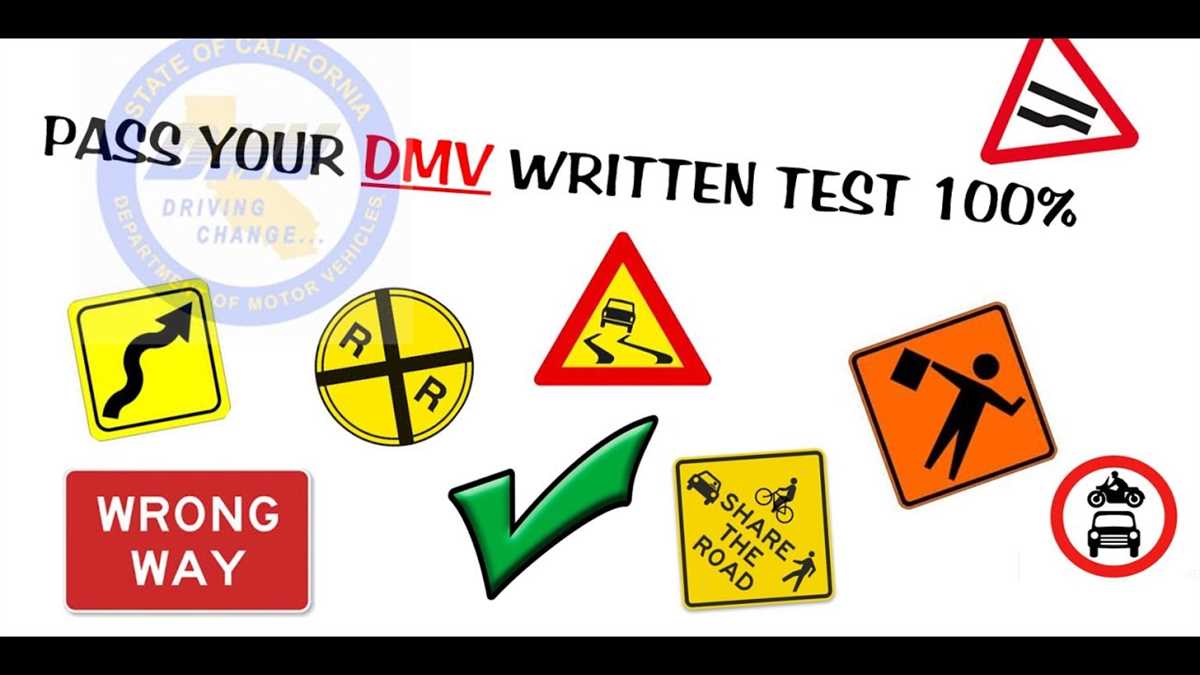
One of the topics that often appears on the NJ DMV written test is road signs. You will be asked to identify the meaning of various signs, such as stop signs, yield signs, and speed limit signs. It’s important to familiarize yourself with these signs and their meanings to ensure your safety and the safety of others on the road.
Another important topic to study for the NJ DMV written test is traffic laws and regulations. You will be asked questions about topics such as right-of-way, speed limits, and parking regulations. It’s crucial to understand these laws in order to be a responsible and law-abiding driver.
Additionally, the NJ DMV written test will include questions about safe driving practices and defensive driving techniques. You will be asked about topics such as maintaining a safe following distance, using mirrors and signals, and handling emergency situations. Knowing and practicing these safe driving techniques will help you become a skilled and confident driver.
By studying and reviewing the material covered in the NJ DMV written test, you will increase your chances of passing and obtaining your driver’s license. Remember to take the time to study and understand the rules of the road, as they will not only help you pass the test but also keep you and others safe on the road.
NJ DMV Written Test Questions and Answers
The NJ DMV written test is a comprehensive exam that assesses your knowledge of driving rules and regulations. It is an important step towards obtaining your driver’s license in the state of New Jersey. To help you prepare for the written test, here are some commonly asked questions and their answers:
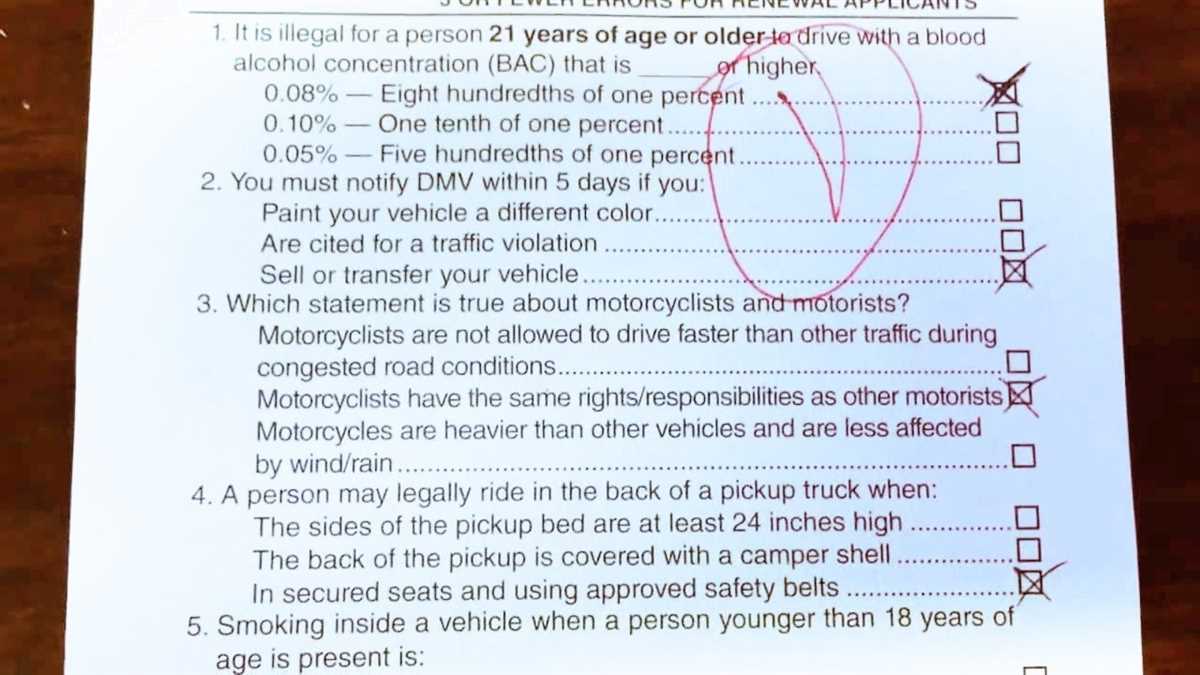
1. What is the legal blood alcohol concentration (BAC) limit for drivers over 21 years old?

The legal BAC limit for drivers over 21 years old in New Jersey is 0.08%. Exceeding this limit can result in penalties, including fines, license suspension, and even imprisonment. It is important to never drink and drive and to always designate a sober driver if you plan on consuming alcohol.
2. When should you use your turn signal?

You should use your turn signal whenever you are planning to change lanes or make a turn. It is important to signal your intention to other drivers so they can anticipate your next move. Signal at least 100 feet before making a turn or changing lanes.
3. What should you do if your vehicle starts to skid?
If your vehicle starts to skid, the most important thing to do is stay calm. Avoid slamming on the brakes or jerking the steering wheel. Instead, gently steer in the direction you want to go and gradually reduce your speed. This will help you regain control of the vehicle.
- Remember: Always study the NJ Driver Manual and practice safe driving habits before taking the written test.
- Tips: Take advantage of online practice tests to familiarize yourself with the exam format and question types.
- Be Prepared: Arrive at the DMV on time with all required documents and identification.
- Stay Focused: Read each question carefully and take your time answering. Don’t rush through the test.
By familiarizing yourself with these frequently asked questions and their answers, you will be well-prepared for the NJ DMV written test. Remember to always prioritize safety and follow the rules of the road when driving.
Understanding the NJ DMV Written Test
When it comes to obtaining a driver’s license in New Jersey, one of the requirements is passing the written test administered by the NJ DMV. This test is designed to assess an individual’s knowledge of traffic laws, road signs, and safe driving practices. It is essential to have a thorough understanding of the content covered in the written test in order to pass and obtain a driver’s license.
The NJ DMV written test consists of multiple-choice questions, where you are presented with a question and given several answer choices. It is important to read each question carefully and thoroughly before selecting an answer. Some questions may require a quick recall of information, while others may require a deeper understanding of driving concepts.
One key aspect of preparing for the NJ DMV written test is studying the New Jersey Driver Manual. This manual provides detailed information on traffic laws, road signs, and safe driving practices specific to New Jersey. It is recommended to study the manual thoroughly and take notes on important concepts and facts. Additionally, there are many online resources and practice tests available that can help individuals prepare for the written test. These resources often include sample questions and answers to give an idea of the types of questions that may be asked on the actual test.
During the test, it is essential to remain calm and focused. Some questions may be challenging, but it is important not to panic or rush through the test. Take the time to carefully read each question and consider all the options before selecting an answer. If you are unsure of an answer, it is better to make an educated guess than to leave it blank.
Overall, understanding the NJ DMV written test requires thorough preparation and study. By familiarizing yourself with the content covered in the New Jersey Driver Manual and practicing with sample questions, you can increase your chances of passing the test and obtaining your driver’s license.
Top Tips for Passing the NJ DMV Written Test

If you’re preparing to take the NJ DMV written test, it’s important to be well-prepared and confident. This test assesses your knowledge of the rules of the road and traffic signs, so studying and practicing are key. Here are some top tips to help you pass the exam:
1. Study the Driver’s Manual

The NJ Driver’s Manual is your ultimate guide to understanding the rules and regulations of the road. Make sure to thoroughly read and review this manual, paying close attention to important topics such as traffic laws, road signs, and safe driving practices. Highlight key points and take notes to help reinforce your understanding.
2. Take Practice Tests

Practice tests are a valuable tool for familiarizing yourself with the format and content of the NJ DMV written test. They allow you to gauge your knowledge and identify areas where you may need further study. Take advantage of online practice tests, which often include questions that closely resemble those you’ll encounter on the actual exam.
3. Memorize Traffic Signs and Symbols
Being able to recognize and understand traffic signs and symbols is crucial for safe driving. Take the time to memorize the various signs and their meanings. Create flashcards or use online resources to help you study. Reinforce your learning by constantly reviewing the signs whenever you’re on the road.
4. Understand Right-of-Way Rules

Knowing who has the right-of-way in different situations is essential for driving safely and following traffic laws. Make sure you understand the right-of-way rules for various scenarios, such as four-way stops, intersections, and merging lanes. Reviewing these rules will help you answer related questions correctly on the written test.
5. Stay Calm and Focused on Test Day
On the day of the test, it’s important to remain calm and focused. Get a good night’s sleep the night before and eat a healthy breakfast to ensure you’re alert and ready to perform your best. Take deep breaths and read each question carefully, making sure to fully understand what is being asked before selecting your answer.
By following these top tips, you’ll increase your chances of passing the NJ DMV written test. Remember to dedicate enough time to study and practice, and approach the test with confidence. Good luck!
Common NJ DMV Written Test Questions
When preparing for the New Jersey DMV written test, it is important to familiarize yourself with the common questions that are likely to be asked. By studying these questions and their answers, you can increase your chances of passing the test on your first attempt.
Below are some common NJ DMV written test questions:
- 1. What should you do when approaching a flashing yellow traffic signal?
When approaching a flashing yellow traffic signal, you should slow down and proceed with caution. This indicates that you should be prepared to yield to oncoming traffic.
- 2. What is the proper way to merge onto a highway?
When merging onto a highway, you should accelerate to a speed that is similar to the flow of traffic. Use your mirrors and check your blind spots to ensure it is safe to merge. Signal and merge smoothly into the appropriate lane.
- 3. What is the legal blood alcohol level for drivers over the age of 21?
The legal blood alcohol level for drivers over the age of 21 in New Jersey is 0.08%. Driving with a blood alcohol level above this limit is considered driving under the influence (DUI) and may result in penalties.
- 4. What should you do if your vehicle begins to skid?
If your vehicle begins to skid, you should not panic. Take your foot off the accelerator and steer in the direction you want to go. Avoid slamming on the brakes, as this can worsen the skid.
- 5. What is the proper way to make a left turn at an intersection?
To make a left turn at an intersection, you should start the turn from the left lane closest to the center of the road. Yield to any oncoming traffic and pedestrians, and complete the turn into the lane closest to the center of the road in the opposite direction.
It is important to study these questions, as well as other topics covered in the New Jersey driver’s manual, to ensure you are well-prepared for the NJ DMV written test. Good luck!
Preparing for the NJ DMV Written Test
When preparing for the NJ DMV Written Test, it is important to study and familiarize yourself with the content that will be covered. This test is designed to assess your knowledge and understanding of traffic laws, rules of the road, and safe driving practices. By taking the time to prepare adequately, you can increase your chances of passing the test on your first attempt.
One of the key resources to use when preparing for the NJ DMV Written Test is the official New Jersey Driver Manual. This manual provides detailed information on all the topics that will be covered in the test. It is important to read the manual thoroughly and highlight or take notes on important points. Pay close attention to traffic signs, rules of the road, and safe driving practices.
Another helpful way to prepare for the test is by taking practice tests. There are numerous online resources that provide sample questions and answers that are similar to those that will be asked on the actual test. Taking practice tests allows you to get familiar with the format and types of questions that may be asked. It also helps you identify areas where you may need further study.
It is important to review and study the material regularly leading up to the test. Create a study schedule and allocate specific time each day to focus on the driver’s manual and practice tests. This will help you retain the information better and ensure that you are well-prepared on the day of the test.
In addition to studying the material, make sure to get a good night’s sleep and eat a healthy breakfast on the day of the test. Being well-rested and properly nourished can improve your concentration and cognitive function, which are crucial for success on the test.
On the day of the test, arrive early to the testing center and make sure to bring all required documents and identification. Follow the instructions given by the proctor and remain calm and focused during the test. Take your time to read each question carefully and consider all possible answers before selecting the best one.
Remember, the NJ DMV Written Test is designed to ensure that you have the knowledge and skills necessary to be a safe and responsible driver. By preparing thoroughly and following these tips, you can increase your chances of passing the test and obtaining your driver’s license.
What to Expect on the NJ DMV Written Test
Preparing for the NJ DMV written test is crucial in order to obtain your driver’s license. The test consists of multiple-choice questions that assess your knowledge of traffic laws, road signs, and safe driving practices. It is important to study and familiarize yourself with the material to ensure success on the test.
The NJ DMV written test covers a wide range of topics, including but not limited to: traffic signs and signals, right-of-way rules, speed limits, parking regulations, and safe driving techniques. It is essential to understand these concepts thoroughly to pass the test. Study guides and practice tests can be helpful resources to prepare for the exam.
On the test, you will be presented with a series of questions and will need to select the correct answer from the options provided. Some questions may require you to identify specific road signs or signals, while others may test your understanding of traffic laws and regulations. Paying close attention to the details of each question and carefully reading each option before making a selection is important.
While the number of questions on the NJ DMV written test may vary, typically there are around 50 questions. To pass the test, you must answer a certain percentage of questions correctly, which varies by state. It is important to pace yourself and not rush through the test. Take your time to read each question carefully and choose the best answer based on your knowledge and understanding of the material.
Overall, the NJ DMV written test requires a solid understanding of traffic laws and safe driving practices. By studying the material and practicing with sample questions, you can increase your chances of passing the test and obtaining your driver’s license.
Test-Taking Strategies for the NJ DMV Written Test
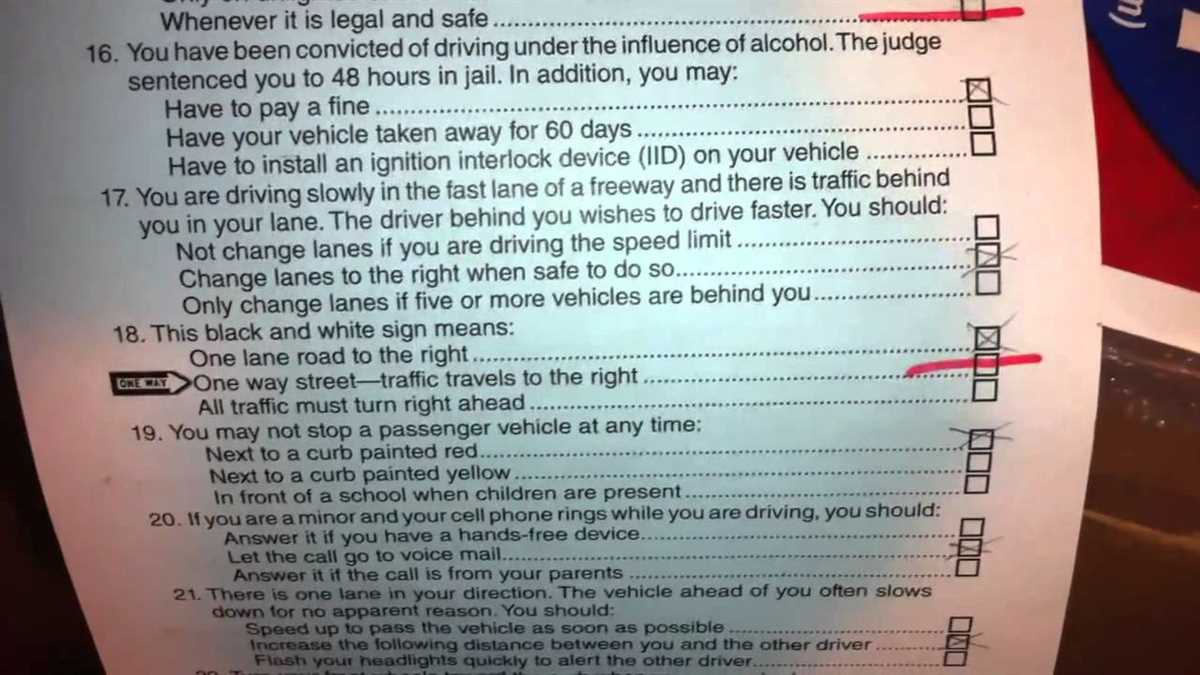
Preparing for the NJ DMV written test can be a daunting task, but with the right test-taking strategies, you can increase your chances of success. Here are some key strategies to help you excel on the exam:
- Study the Driver’s Manual: The driver’s manual is the most important resource when preparing for the written test. Read it thoroughly and familiarize yourself with the rules of the road, traffic signs, and safety regulations.
- Take Practice Tests: Practice tests are a great way to evaluate your knowledge and identify areas where you need improvement. There are online practice tests available that simulate the actual test environment.
- Manage Your Time: Time management is crucial during the test. Read each question carefully and avoid rushing through the exam. Pace yourself and allocate enough time for each question.
- Eliminate Wrong Answers: When faced with multiple-choice questions, try to eliminate the obviously wrong answers first. This increases your chances of selecting the correct answer even if you are unsure.
- Guess When Necessary: If you are unsure about an answer, make an educated guess. Leave no question unanswered, as there is no penalty for guessing. Use your knowledge and reasoning skills to make an educated choice.
- Stay Calm and Focused: Remain calm and focused throughout the test. Avoid stressing over difficult questions and stay positive. Taking deep breaths and maintaining a clear mind can help you perform better.
- Review Your Answers: Before submitting your test, take a few minutes to review your answers. Double-check for any errors or omissions. Pay extra attention to questions you marked for review.
By following these test-taking strategies, you can approach the NJ DMV written test with confidence and increase your chances of passing. Remember to study, practice, and stay calm during the exam. Good luck!