The Ultimate Guide to Nj Motor Vehicle Written Test Questions and Answers
When it comes to obtaining a driver’s license in New Jersey, one must pass a written test to demonstrate their knowledge of the rules of the road. This test is designed to ensure that drivers are fully aware of the laws and regulations that govern driving in the state.
The NJ motor vehicle written test consists of multiple-choice questions that cover a wide range of topics, including traffic signs, traffic laws, and safe driving practices. It is essential to study the driver’s manual provided by the New Jersey Motor Vehicle Commission to prepare for the exam.
Knowing the most common NJ motor vehicle written test questions and their answers can be beneficial in helping you pass the exam on your first attempt. This article will provide you with some examples of commonly asked questions and their corresponding answers, giving you a head start in your preparation.
Remember, it is crucial to thoroughly study the driver’s manual and practice safe driving habits to become a responsible and law-abiding driver on the roads of New Jersey.
NJ Motor Vehicle Written Test Questions and Answers
If you are preparing for the NJ Motor Vehicle Written Test, it is important to familiarize yourself with the questions and answers that may appear on the exam. This will help you effectively study and increase your chances of passing the test on your first attempt.
Here are some common questions and answers you may come across:
- Q: What is the minimum age to obtain a probationary driver’s license in NJ?
- A: The minimum age is 17 years old.
- Q: What does a flashing red traffic light mean?
- A: A flashing red traffic light means that you must come to a complete stop before proceeding.
- Q: What is the speed limit in a school zone?
- A: The speed limit in a school zone is 25 miles per hour, unless otherwise posted.
- Q: When should you use your high beams?
- A: You should use your high beams when driving in an open country road with no cars in sight.
- Q: What is the penalty for a first offense of driving under the influence (DUI) in NJ?
- A: The penalty for a first offense of DUI in NJ includes a fine, license suspension, and mandatory completion of an education or treatment program.
Studying these questions and answers will help you become familiar with the rules and regulations of driving in New Jersey. Remember to also review the NJ Motor Vehicle Commission’s official driver’s manual for a comprehensive understanding of the material. Good luck on your written test!
What to Expect on the NJ Motor Vehicle Written Test
When preparing to take the NJ Motor Vehicle Written Test, it is important to have a good understanding of what to expect. This test is designed to assess your knowledge of the rules of the road and your ability to safely operate a motor vehicle. By familiarizing yourself with the test format and reviewing the relevant information, you can feel confident and prepared on test day.
During the NJ Motor Vehicle Written Test, you can expect to encounter a variety of multiple-choice questions. These questions will cover various topics, including traffic laws, road signs, and safe driving practices. It is important to thoroughly study the New Jersey Driver Manual, as this is the primary resource for the information covered on the test.
Some key areas to focus on when studying for the test include speed limits, right-of-way rules, and traffic signs and signals. You should also familiarize yourself with parking regulations, lane usage, and proper merging procedures. Additionally, having a solid understanding of defensive driving techniques and the consequences of driving under the influence is crucial.
It is recommended to take advantage of practice tests and study guides to further prepare for the NJ Motor Vehicle Written Test. These resources can help you become more comfortable with the format of the test and identify any areas where you may need additional review. By practicing regularly and reviewing the material, you can increase your chances of passing the test and obtaining your New Jersey driver’s license.
Top Tips for Passing the NJ Motor Vehicle Written Test
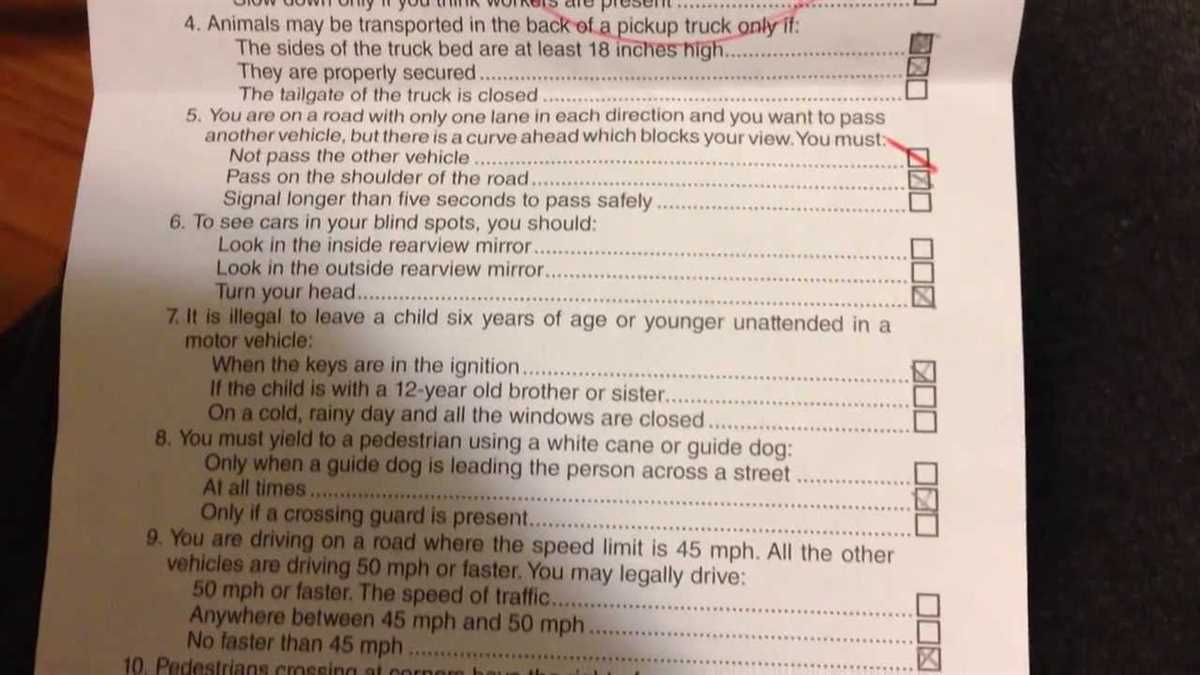
Passing the NJ Motor Vehicle Written Test is an important step towards obtaining your driver’s license. To ensure success, it is crucial to prepare effectively and familiarize yourself with the rules and regulations of the road. Here are some top tips to help you pass the test on your first attempt:
1. Study the Driver’s Manual
The NJ Driver’s Manual is a comprehensive guide that covers all the essential information you need to know for the written test. Take the time to read through it thoroughly, paying close attention to traffic laws, road signs, and safety regulations. Highlight important points and take notes to reinforce your understanding.
2. Take Practice Tests
Practice makes perfect, and taking practice tests is an excellent way to familiarize yourself with the format of the NJ Motor Vehicle Written Test. There are various online resources available that offer free practice tests. Attempt as many as possible to assess your knowledge and identify areas that require further review.
3. Memorize Road Signs and Signals
Road signs and signals play a crucial role in ensuring safe driving. Memorize the different types of signs, their meanings, and the appropriate actions to take when you encounter them on the road. Understanding and recognizing road signs will not only help you pass the written test but will also contribute to your overall safety as a driver.
4. Understand NJ Traffic Laws
It is essential to have a solid understanding of NJ traffic laws to pass the written test. Familiarize yourself with speed limits, right-of-way rules, parking regulations, and other important laws specific to New Jersey. This knowledge will not only help you pass the test but will also ensure you have a strong foundation for safe and responsible driving.
5. Stay Calm and Focused
On the day of the test, it is natural to feel nervous. However, it is crucial to remain calm and focused. Take deep breaths, read each question carefully, and take your time to choose the correct answer. If you encounter a question you are unsure about, skip it and come back to it later. Trust in your preparation and do your best!
By following these top tips, you can increase your chances of passing the NJ Motor Vehicle Written Test with flying colors. Remember to study thoroughly, practice consistently, and approach the test with confidence. Good luck!
NJ Motor Vehicle Written Test Questions: Road Signs
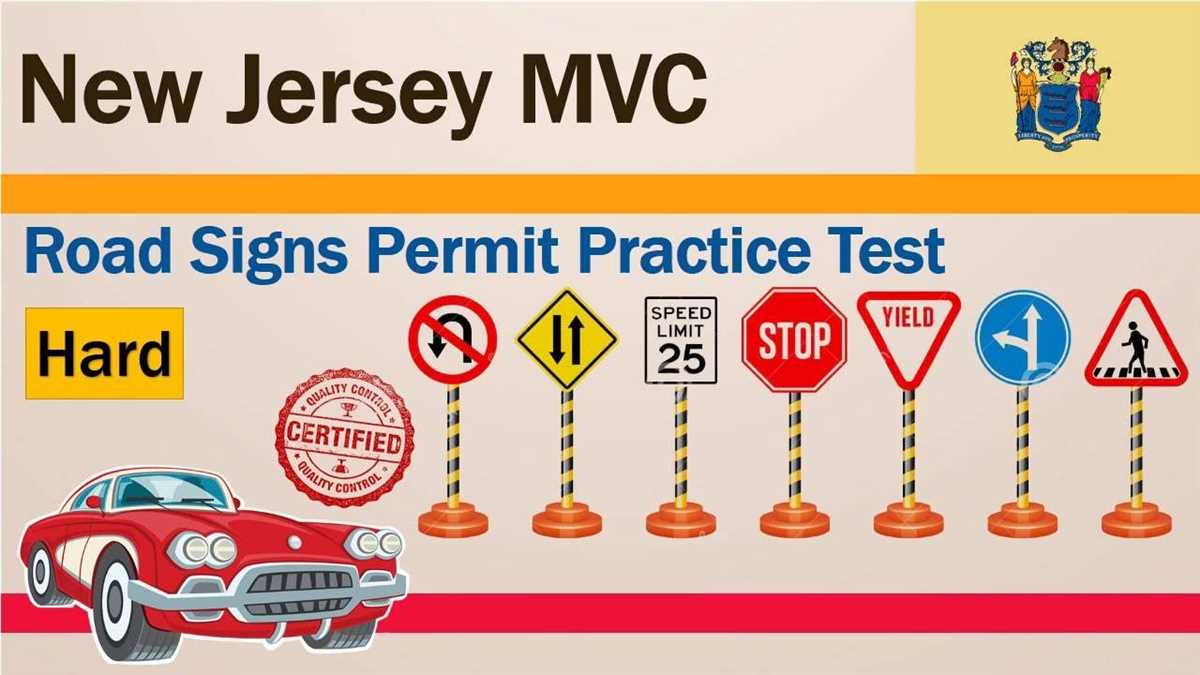
Road signs play a crucial role in maintaining safety and order on the roads. It is important for every driver to understand and recognize the various road signs that they may encounter. In the New Jersey motor vehicle written test, you will be asked questions about road signs to assess your knowledge and understanding. Let’s take a look at some common road signs and their meanings:
1. Stop Sign:
Question: What does a stop sign mean?
Answer: A stop sign is a red octagon-shaped sign that indicates that drivers must come to a complete stop before proceeding. It is important to look for incoming traffic and pedestrians before continuing.
2. Yield Sign:
Question: What does a yield sign mean?
Answer: A yield sign is a red and white triangular sign that indicates that drivers must yield the right-of-way to other vehicles or pedestrians. This means that you must slow down or stop if necessary, and let others go first.
3. Speed Limit Sign:
Question: What does a speed limit sign indicate?
Answer: A speed limit sign indicates the maximum speed at which you can legally drive on a specific road. It is important to obey the posted speed limit for the safety of yourself and others on the road.
4. No U-Turn Sign:
Question: What does a no U-turn sign mean?
Answer: A no U-turn sign is a red circle with a white horizontal line and a curved arrow. It indicates that U-turns are not allowed at the location where the sign is posted. You must continue driving in the indicated direction.
5. School Zone Sign:
Question: What does a school zone sign indicate?
Answer: A school zone sign is typically a yellow pentagon-shaped sign that indicates that you are entering a school zone. It warns drivers to slow down and be cautious of children in the area, as the speed limit is usually reduced.
Understanding road signs is crucial for safe driving. Make sure to familiarize yourself with the meanings of different road signs to ensure compliance with traffic rules and regulations. Good luck on your NJ motor vehicle written test!
NJ Motor Vehicle Written Test Questions: Traffic Laws and Regulations
When preparing for the New Jersey Motor Vehicle written test, it is important to familiarize yourself with the traffic laws and regulations that apply to drivers in the state. Knowing and understanding these laws is essential for safe and responsible driving, as well as for passing the written test and obtaining your driver’s license.
Below are some key questions that may appear on the written test, along with their correct answers:
- 1. What is the speed limit in a school zone when children are present?
- 2. How far in advance must you signal before making a turn?
- 3. What should you do when approaching a steady yellow traffic light?
- 4. When is it legal to make a right turn on a red light?
- 5. What is the penalty for driving under the influence of alcohol?
The speed limit in a school zone when children are present is 25 miles per hour.
You must signal at least 100 feet before making a turn or changing lanes.
You should slow down and prepare to stop, unless you are too close to the intersection to safely stop.
It is legal to make a right turn on a red light after coming to a complete stop, unless there is a sign or signal indicating otherwise.
The penalty for driving under the influence of alcohol includes fines, suspension of driving privileges, and mandatory participation in an alcohol education and treatment program.
It is important to study and memorize the traffic laws and regulations in order to pass the written test. Additionally, practicing safe driving habits and always following these laws will help ensure your safety and the safety of others on the road.
NJ Motor Vehicle Written Test Questions: Safe Driving Practices
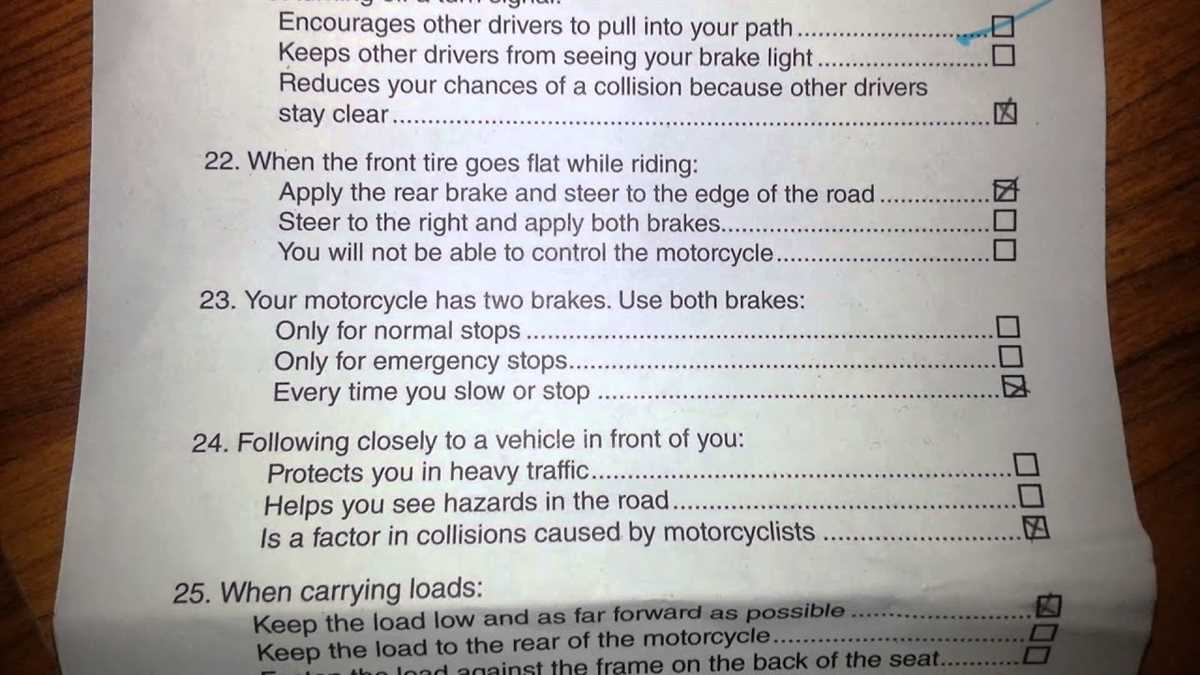
When taking the NJ motor vehicle written test, it is important to be familiar with safe driving practices. These practices ensure the safety of yourself, your passengers, and other drivers on the road. Here are some questions that may be included in the test regarding safe driving practices:
1. What should you do when approaching a railroad crossing?
When approaching a railroad crossing, you should always be prepared to stop. Look both ways for any oncoming trains, listen for train horns or bells, and proceed with caution if it is clear to do so. Never try to beat or outrun a train at a crossing.
2. What is the speed limit in a school zone?
The speed limit in a school zone is usually lower than the normal speed limit. It is important to slow down and follow the posted speed limit signs in order to ensure the safety of children and pedestrians in the area.
3. When should you use your headlights?
You should use your headlights whenever visibility is reduced, such as during nighttime, fog, rain, or snow. It is important to be seen by other drivers and to be able to see the road clearly in order to avoid accidents.
4. What should you do when approaching a yellow traffic light?
When approaching a yellow traffic light, you should start slowing down and prepare to stop. If you are already in the intersection, you should continue through it, but be cautious of other vehicles and pedestrians.
By understanding and practicing safe driving practices, you can help prevent accidents and promote road safety. Make sure to study and familiarize yourself with the rules of the road before taking the NJ motor vehicle written test.
Common Mistakes to Avoid on the NJ Motor Vehicle Written Test
Passing the NJ Motor Vehicle Written Test is a crucial step towards obtaining your driver’s license. However, many people make common mistakes that can prevent them from passing the test on their first attempt. By being aware of these mistakes and taking measures to avoid them, you can increase your chances of success.
1. Lack of Preparation
One of the biggest mistakes that people make is not adequately preparing for the test. It is essential to study the driver’s manual and familiarize yourself with the rules and regulations of the road. Take advantage of practice tests and online resources to test your knowledge and identify areas that need improvement. With proper preparation, you’ll be better equipped to answer the questions correctly.
2. Not Paying Attention to Detail
The NJ Motor Vehicle Written Test consists of multiple-choice questions, and it is essential to read each question carefully before selecting an answer. Many people make the mistake of quickly glancing at the question and choosing what seems like the most logical option. However, this can lead to errors. Take your time to analyze each question and consider all the possible answers before making a choice. Pay attention to specific details mentioned in the question as they can often help you eliminate incorrect options.
3. Failing to Review Mistakes
If you make a mistake during the practice tests or the actual written test, it is crucial to take the time to understand why you got it wrong. Review your mistakes and make a note of any areas where you struggled. By identifying and addressing these weak points, you can learn from your mistakes and ensure that you don’t repeat them during the actual test.
4. Ignoring Road Signs and Signals
Road signs and signals play a significant role in the NJ Motor Vehicle Written Test, and many people make the mistake of not paying enough attention to them. It is crucial to study and understand the various road signs, their meanings, and how to respond to them. Make sure to review the different types of road signs, including warning signs, regulatory signs, and informational signs.
5. Not Taking the Test Seriously
Lastly, one of the common mistakes people make is not taking the test seriously. Treat the written test as a crucial step in your journey to become a licensed driver. Avoid any distractions or time pressures and focus on each question diligently. By taking the test seriously, you increase your chances of passing and demonstrating your commitment to safe driving.
Avoiding these common mistakes can significantly improve your chances of passing the NJ Motor Vehicle Written Test. With proper preparation, attention to detail, and a serious mindset, you’ll be well on your way to obtaining your driver’s license. Good luck!