The Old Testament Decoded: Unraveling the Mysteries of Ancient Scriptures

The Old Testament, also known as the Hebrew Bible, is an ancient religious text that holds great significance for millions of people around the world. Comprising of religious writings, historical accounts, poetry, and prophecy, the Old Testament is a vast collection of books that offer insights into the beliefs, customs, and values of the ancient Hebrew people.
Understanding the Old Testament can be a challenging task for many, as the language, context, and cultural references can often seem unfamiliar and confusing. However, with a bit of guidance and explanation, the Old Testament can become much more accessible and relatable.
This article aims to make the Old Testament easy to understand. We will explore its key themes, characters, and events, providing a comprehensive overview that will serve as a helpful introduction to this ancient and influential text. Whether you are a religious scholar, a history enthusiast, or simply curious about ancient civilizations, this article is designed to make the Old Testament more approachable and enjoyable for all.
Understanding the Old Testament: A Comprehensive Guide
The Old Testament is a foundational text of the Western religious tradition and a crucial component of the Bible. However, its complexity and historical context can often make it difficult for readers to fully grasp its messages and significance. For those seeking to deepen their understanding of the Old Testament, a comprehensive guide can be an invaluable resource. This guide provides an in-depth exploration of the major themes, characters, and events of the Old Testament, offering clarity and insight into this ancient text.
Key Themes and Concepts
In order to fully understand the Old Testament, it is essential to grasp the key themes and concepts that underpin its narratives. This comprehensive guide explores topics such as creation, covenant, redemption, and prophecy, providing a thorough examination of their significance within the Old Testament. By delving into these essential themes, readers can gain a deeper understanding of the theological and historical context in which the text was written.
Major Characters and Stories
The Old Testament is replete with numerous memorable characters, from Adam and Eve to Moses and David. This guide offers detailed biographies of these key figures, exploring their roles, motivations, and the impact they had on the broader narrative of the Old Testament. Additionally, this comprehensive guide provides an overview of the major stories and events of the Old Testament, including the creation of the world, the Exodus, and the reign of the Israelite kings. By examining these stories and characters in detail, readers can gain a deeper appreciation for the rich tapestry of the Old Testament.
Historical and Cultural Context
Understanding the historical and cultural context in which the Old Testament was written is paramount to comprehending its messages and significance. This comprehensive guide delves into the ancient Near Eastern world and the historical events that shaped the Old Testament, such as the Babylonian exile and the reign of the Persians. By examining the political, social, and religious landscape of the time, readers can gain a deeper appreciation for the context in which the text was created and better understand its relevance to the ancient Israelites.
Interpretation and Application
In addition to providing an in-depth exploration of the Old Testament’s themes, characters, and historical context, this comprehensive guide also offers guidance on interpretation and application. It explores various approaches to understanding the text, including historical-critical, literary, and theological interpretations. Furthermore, it examines how the messages and lessons of the Old Testament can be applied to contemporary life, providing readers with practical insights for their own spiritual journeys.
Overall, a comprehensive guide to the Old Testament is an invaluable resource for those seeking to deepen their understanding of this foundational text. Through exploring its key themes, characters, historical context, and interpretation, readers can gain a richer appreciation for the Old Testament’s messages and significance, and apply its timeless wisdom to their own lives.
The Historical Context of the Old Testament
The Old Testament is a collection of ancient religious texts that form the sacred scriptures of the Jewish people. It encompasses a wide range of literary genres, including historical narratives, laws, prophecies, poetry, and wisdom writings. To understand the Old Testament, it is essential to examine its historical context, which provides insights into the people, events, and social dynamics that shaped the development of these texts.
One significant aspect of the historical context of the Old Testament is its relation to ancient Near Eastern cultures and civilizations. The Israelites, who authored and preserved the Old Testament, were part of this broader cultural milieu, and their religious beliefs, social practices, and literary traditions were influenced by their neighbors. By exploring the historical context of the Ancient Near East, we can gain a deeper understanding of the Old Testament’s cultural and intellectual background.
Social and Political Context
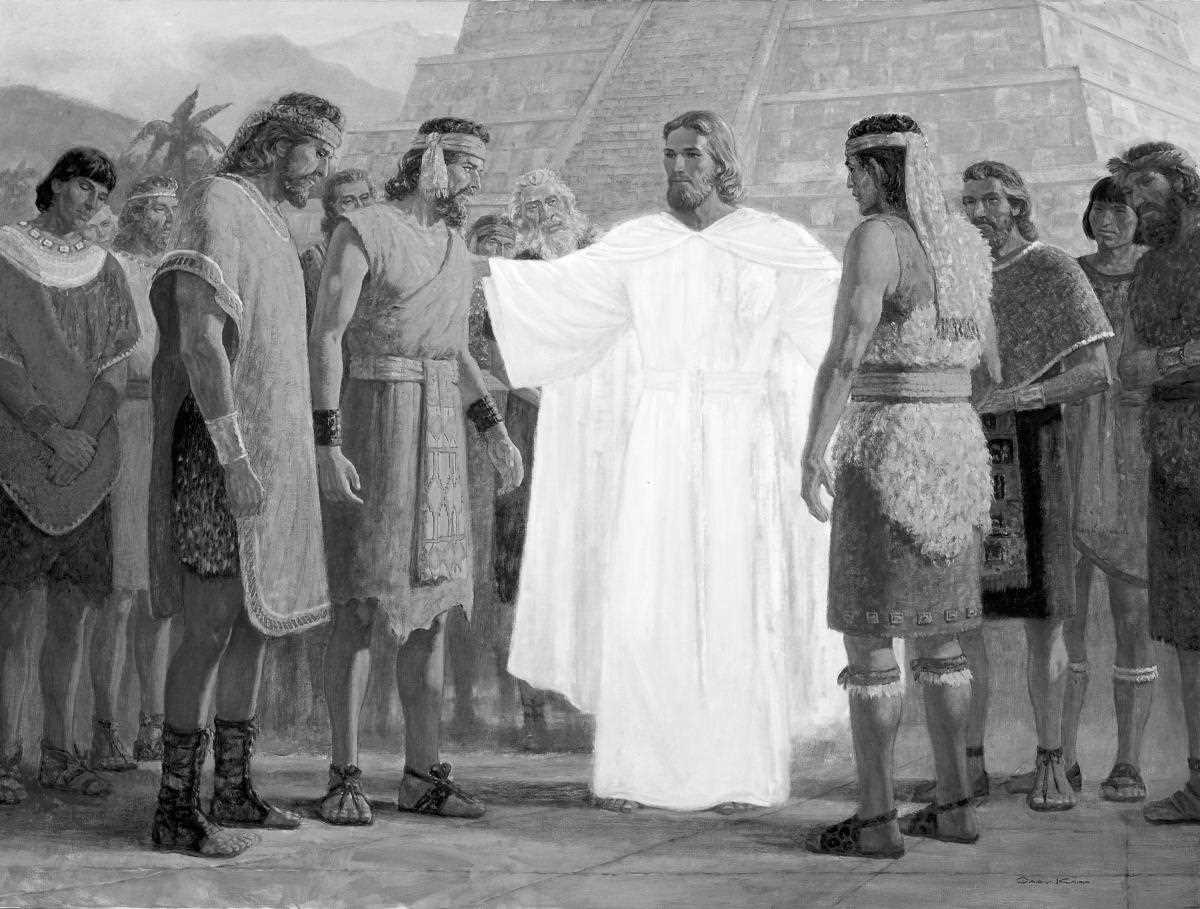
The Old Testament reflects the social and political context of the ancient Israelite society. The narratives of the patriarchs, such as Abraham, Isaac, and Jacob, depict the nomadic lifestyle prevalent in the region during that time. The stories of the Israelite exodus from Egypt and their establishment as a nation under kings, such as Saul, David, and Solomon, shed light on the political developments of the Israelite kingdom. The Old Testament also chronicles the interactions and conflicts between the Israelites and their neighboring nations, offering insights into the geopolitical landscape of the ancient Near East.
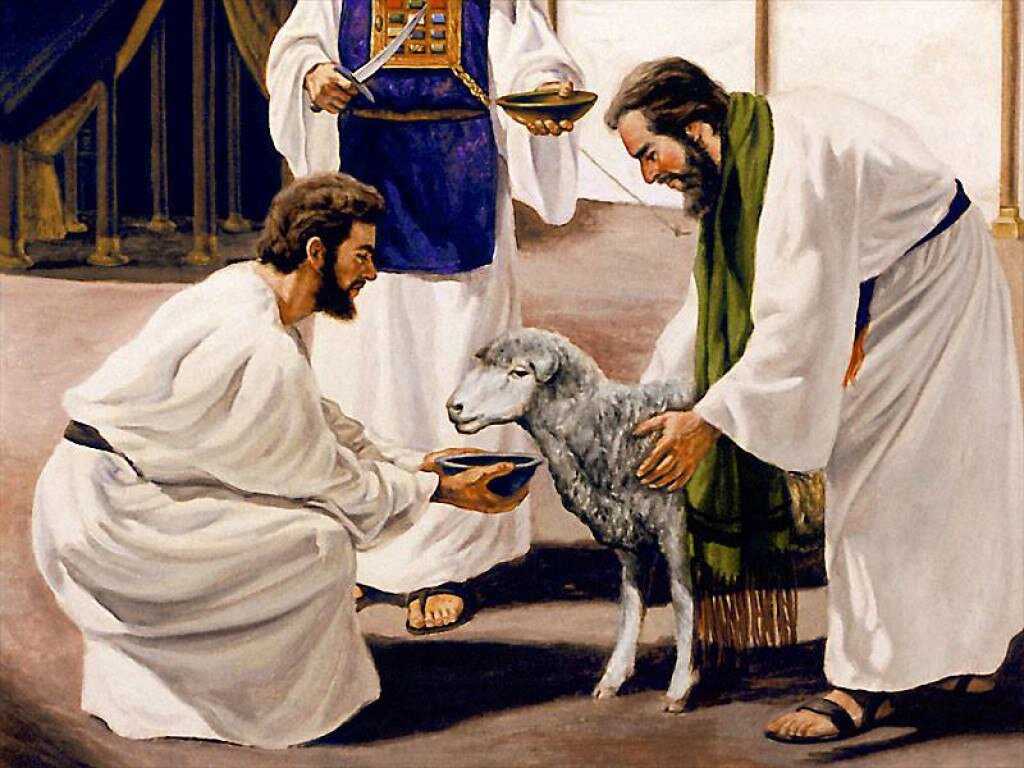
The Old Testament also provides glimpses into the religious beliefs and practices of the Israelites. It portrays their monotheistic faith in Yahweh, the God of Israel, and their understanding of divine justice, mercy, and covenant. The rituals, sacrifices, and religious feasts described in the Old Testament highlight the importance of religious practices in the ancient Israelite society. Exploring the historical context helps us grasp the significance of these religious elements within the broader theological framework of the Old Testament.
Cultural and Literary Context
The Old Testament contains a rich tapestry of cultural and literary elements. By examining the historical context, we can better appreciate these aspects. For example, understanding the cultural practices of the ancient Near East, such as the importance of family lineage and the concept of hospitality, can shed light on various Old Testament stories. Similarly, exploring the literary techniques employed in ancient Near Eastern literature, such as parallelism and chiasmus, can enhance our understanding of the poetic compositions found in the Old Testament, such as the Psalms.
In conclusion, delving into the historical context of the Old Testament is crucial for interpreting its messages and themes. By studying the social, political, cultural, and literary backdrop of the ancient Israelite society, we can gain a deeper appreciation for the richness and complexities of these sacred scriptures.
Key Themes and Stories in the Old Testament
The Old Testament is a collection of religious texts that are considered sacred by Jewish and Christian traditions. It contains numerous key themes and stories that shape the foundations of these faiths. One of the central themes is God’s relationship with humanity and His plan for salvation.
Creation and Fall: The Old Testament begins with the story of creation, where God forms the world and all living creatures. This narrative establishes God as the ultimate creator and highlights the goodness of His creation. However, humanity’s disobedience leads to the fall of Adam and Eve, symbolizing the introduction of sin into the world.
Covenant and Promises: Throughout the Old Testament, God establishes various covenants with His chosen people, such as Noah, Abraham, and Moses. These covenants serve as agreements between God and humanity, outlining expectations and promises. They demonstrate God’s faithfulness and desire for a loving relationship with His people.
Exodus and Liberation: The story of the Exodus, led by Moses, is a significant event in the Old Testament. It depicts the liberation of the Israelites from slavery in Egypt and their journey to the Promised Land. This narrative portrays God’s intervention and deliverance, emphasizing His role as a protector and provider.
The Law and Commandments: The Old Testament includes the giving of the Ten Commandments to Moses on Mount Sinai. These commandments form the basis of moral and ethical guidelines for God’s people. The Law serves as a means of guidance and reveals God’s standards for righteous living.
Prophets and Messianic Expectations: The Old Testament introduces various prophets who communicate God’s messages and bring warnings or foretell future events. These prophets often speak of a Messiah who will come to fulfill God’s promises and bring salvation. Their prophecies create an anticipation for the arrival of Jesus Christ in the New Testament.
Suffering and Redemption: The Old Testament contains stories of suffering and redemption, such as the experiences of Job, Joseph, and the nation of Israel during times of hardship. These narratives emphasize the importance of faith, trust in God, and the ultimate hope of redemption and restoration.
In summary, the Old Testament encompasses these key themes and stories that provide a foundation for understanding God’s plan for humanity, the importance of faith, and the anticipation of a coming Messiah. These narratives continue to shape religious beliefs and practices in Jewish and Christian traditions.
Exploring the Five Books of Moses
The Five Books of Moses, also known as the Pentateuch, are the first books of the Hebrew Bible and include Genesis, Exodus, Leviticus, Numbers, and Deuteronomy. These books are considered to be the foundation of the Jewish faith and provide a comprehensive account of the origins of the world, the history of the Jewish people, and the laws and commandments given by God. Exploring these books can deepen one’s understanding of the Old Testament and provide valuable insights into the history and culture of the ancient Israelites.
Genesis: The book of Genesis tells the story of creation and the early history of humanity. It introduces the figure of Abraham, who is considered the ancestor of the Jewish people, and his descendants. The book also includes accounts of important events such as the Great Flood and the story of Joseph, who becomes a powerful figure in Egypt. Genesis explores themes of faith, family, and the relationship between God and humanity.
Exodus: Exodus focuses on the liberation of the Israelites from slavery in Egypt and their journey towards the Promised Land. It introduces the figure of Moses, who receives the Ten Commandments from God on Mount Sinai. The book also includes detailed descriptions of various religious rituals and ceremonies, as well as laws and regulations for daily life. Exodus highlights the themes of freedom, redemption, and the importance of living in accordance with God’s commandments.
- Leviticus: Leviticus is primarily concerned with the religious practices and rituals of the Israelite community. It provides a detailed account of the various sacrifices and offerings that were to be made to God. The book also contains instructions for the priesthood and guidelines for maintaining ritual purity. Leviticus emphasizes the importance of holiness and obedience to God’s laws.
- Numbers: Numbers continues the narrative of the Israelites’ journey towards the Promised Land. It includes an account of the Israelites’ census and the organization of the twelve tribes. The book also recounts various challenges and conflicts faced by the Israelites during their journey, as well as their disobedience and punishment. Numbers explores themes of faithfulness, trust in God, and the consequences of disobedience.
- Deuteronomy: Deuteronomy, which means “second law,” is presented as a series of speeches given by Moses before his death. In these speeches, Moses reviews the laws and commandments given by God and exhorts the Israelites to remain faithful to them. The book emphasizes the importance of love and worship of God, as well as obedience to his laws. Deuteronomy also includes blessings and curses that would come upon the Israelites based on their adherence or disobedience to God’s commandments.
Exploring the Five Books of Moses provides a unique opportunity to delve into the rich religious, historical, and cultural heritage of the Jewish people. These books offer timeless wisdom, moral teachings, and insights into the nature of God and humanity. They continue to be studied and revered by both Jews and Christians as foundational texts of faith and guidance.
Prophets and Prophecies in the Old Testament
The Old Testament of the Bible is filled with various prophets and their prophetic messages. These prophets were chosen by God to communicate His will and deliver important messages to the people of Israel. Their prophecies played a crucial role in shaping the course of history and guiding the Israelites towards righteousness.
One prominent prophet in the Old Testament is Moses. He was called by God to lead the Israelites out of slavery in Egypt and into the Promised Land. Through Moses, God delivered the Ten Commandments and other laws that formed the basis of the Israelite’s covenant with God. Moses’ prophecies contained warnings of the consequences of disobedience and guidance on how to live a righteous life.
Another significant prophet is Isaiah. He lived during the 8th century BCE and his prophecies primarily focused on the judgment of nations and their impending destruction. Isaiah also prophesied about the coming of the Messiah and the ultimate redemption of Israel. His messages served as both warnings and promises, urging the people to turn away from sin and have faith in God’s salvation.
Elijah and Elisha are also well-known prophets in the Old Testament. They were known for their miracles and their dedication to God’s commands. Elijah, in particular, confronted the prophets of the pagan god Baal and proved the power of the true God. Both prophets played important roles in challenging the idolatry of the Israelites and calling them back to the worship of God.
In addition to these individual prophets, the Old Testament also contains numerous prophecies about the coming of the Messiah. These prophecies, often referred to as messianic prophecies, foretold the birth, life, death, and resurrection of Jesus Christ. They provided hope and anticipation for the future redemption of humanity through the Messiah.
The prophets and their prophecies in the Old Testament serve as a reminder of God’s constant presence and guidance throughout history. They demonstrate the importance of faith, obedience, and repentance in the relationship between God and His people. Through their messages, the prophets sought to lead the Israelites towards righteousness and to remind them of God’s love, mercy, and ultimate plan for salvation.
Understanding the Wisdom Literature of the Old Testament
The Old Testament is composed of various genres, including historical narratives, prophetic writings, and legal texts. One important genre within the Old Testament is the wisdom literature. This genre consists of books like Proverbs, Job, and Ecclesiastes, which focus on exploring the nature of wisdom, the meaning of life, and human experiences. Understanding the wisdom literature requires a careful analysis of the poetic and symbolic language used in these texts.
Proverbs is perhaps the most well-known book within the wisdom literature. It is a collection of short, pithy sayings that offer practical advice for living a wise and righteous life. These sayings are often presented in a parallel structure, with two lines expressing contrasting or complementary ideas. The book of Job, on the other hand, takes a narrative approach to exploring the problem of human suffering. It presents a series of dialogues and monologues that delve into the nature of God, the limits of human knowledge, and the complexities of justice.
In Ecclesiastes, we encounter a more philosophical and reflective approach to wisdom. The book delves into the meaning of life and the pursuit of pleasure, wealth, and knowledge. It questions the ultimate value of these pursuits and offers insights into the fleeting nature of human existence. The wisdom literature of the Old Testament provides readers with timeless lessons and insights into the complexities of human nature and the search for meaning and purpose.
Key Phrases:

- Wisdom literature
- Exploring the nature of wisdom
- The meaning of life
- Human experiences
- Poetic and symbolic language
- Proverbs
- Practical advice
- Parallel structure
- The problem of human suffering
- The nature of God
- The limits of human knowledge
- The complexities of justice
- Pursuit of pleasure, wealth, and knowledge
- The fleeting nature of human existence
The Relevance and Impact of the Old Testament Today
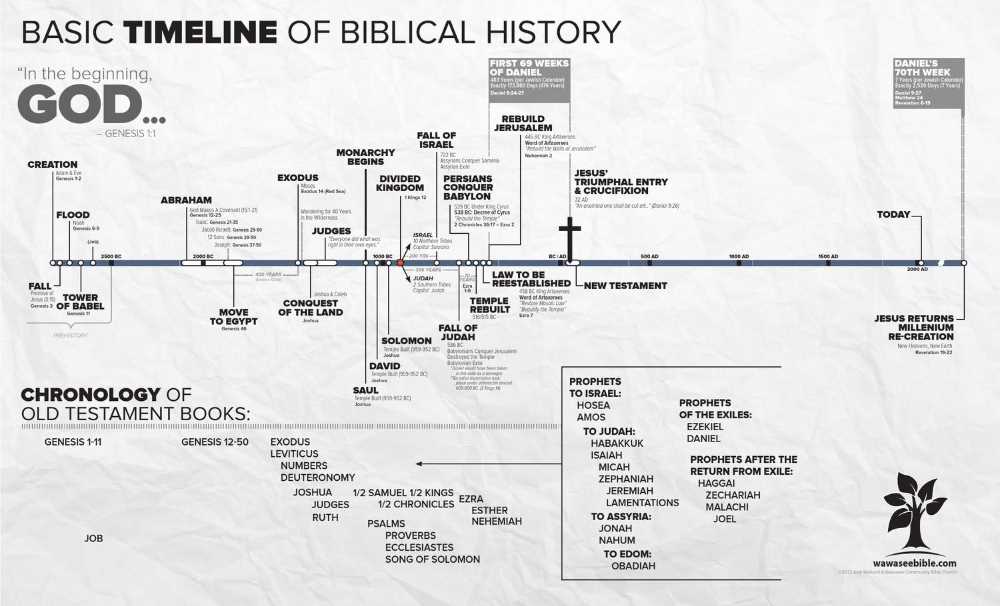
The Old Testament, despite its age, continues to hold immense relevance and impact in the modern world. Its teachings, stories, and principles provide valuable insights into human nature, morality, and our relationship with a higher power.
Throughout history, the Old Testament has shaped beliefs, laws, and cultures across the globe. Its influence can be seen in various religious traditions, as well as in literature, art, and even politics. The Ten Commandments, for example, have served as a moral compass for many societies and continue to be relevant guidelines for ethical behavior.
One of the key reasons why the Old Testament remains impactful is its timeless wisdom. The experiences and lessons shared in its pages resonate with the complexities of human existence, offering guidance for navigating life’s challenges and understanding the human condition.
The Old Testament also sheds light on the history and origins of religious beliefs, providing believers with a deeper understanding of their faith. It serves as a foundation for the religious narratives and practices that continue to shape the lives of millions today.
Furthermore, the Old Testament offers a lens through which we can analyze and interpret contemporary issues. Its themes of justice, compassion, and love continue to inspire individuals and communities to act for the greater good. By studying the Old Testament, we can gain insights into the struggles faced by ancient societies and apply these lessons to our own world, fostering greater understanding and empathy.
Despite the Old Testament’s ancient origins, it holds relevance for all individuals, regardless of their religious beliefs. Its stories and teachings offer universal wisdom that transcends time and culture. The Old Testament reminds us of the power of faith, the importance of morality, and the value of community.
In conclusion, the Old Testament’s relevance and impact today cannot be overstated. Its teachings continue to guide individuals in navigating the complexities of life and shaping their ethical frameworks. Through its stories, principles, and wisdom, the Old Testament remains a source of inspiration, understanding, and spiritual growth for believers and non-believers alike.