Mastering the Osmosis and Diffusion Practice Worksheet: Answers Unveiled

Osmosis and diffusion are two important processes that occur in living organisms. They play a crucial role in the movement of molecules and ions across biological membranes, such as the cell membrane. Understanding these processes is essential for understanding how cells function and how substances are transported in and out of cells.
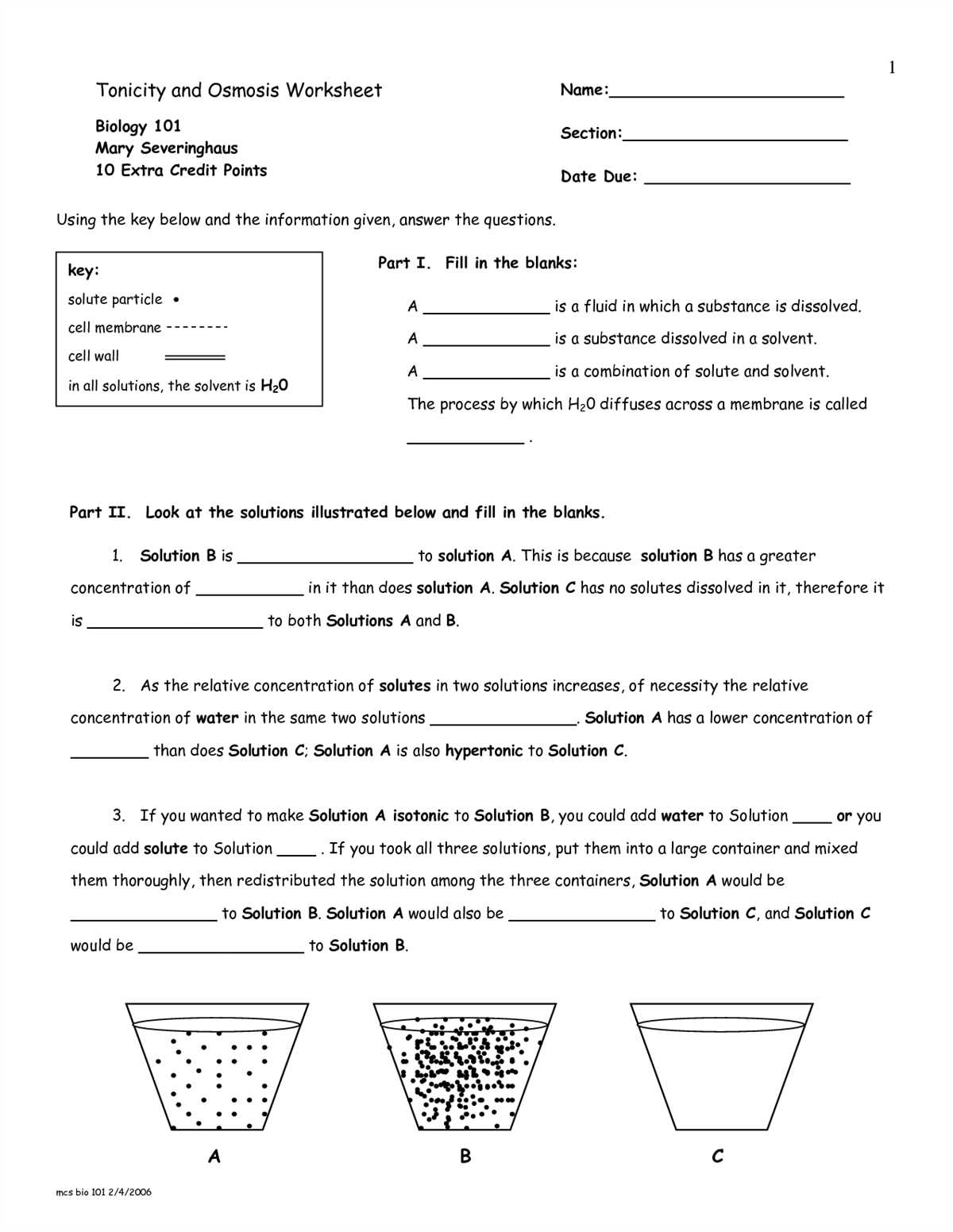
Osmosis is the movement of water molecules from an area of high water concentration to an area of low water concentration through a selectively permeable membrane. This movement occurs in response to differences in solute concentration on either side of the membrane. Osmosis is responsible for maintaining the balance of water in cells and tissues, and it is essential for the survival of all living organisms.
Diffusion, on the other hand, is the movement of molecules or ions from an area of high concentration to an area of low concentration. It is a passive process that does not require energy input. Diffusion plays a critical role in the movement of oxygen and carbon dioxide in and out of cells, as well as the movement of other small molecules and ions.
By practicing osmosis and diffusion worksheets with answers, students can reinforce their understanding of these concepts and improve their problem-solving skills. These worksheets usually involve scenarios where students need to analyze the movement of molecules or ions and predict the direction of osmosis or diffusion. By working through these exercises, students can develop a deeper understanding of how osmosis and diffusion function in biological systems.
Osmosis and Diffusion Practice Worksheet Answers
If you have been working on an osmosis and diffusion practice worksheet, you may be looking for answers to check your work and understand the concepts better. In this article, we will provide you with some answers to common questions and problems you may encounter in such a worksheet.
1. What is osmosis?
Osmosis is the movement of water molecules from an area of lower solute concentration to an area of higher solute concentration through a selectively permeable membrane. This process allows for the equalization of solute concentrations on both sides of the membrane.
2. How does diffusion work?
Diffusion is the movement of particles (such as molecules or ions) from an area of higher concentration to an area of lower concentration. It occurs due to the random motion of particles and does not require any energy input.
3. What is the difference between osmosis and diffusion?
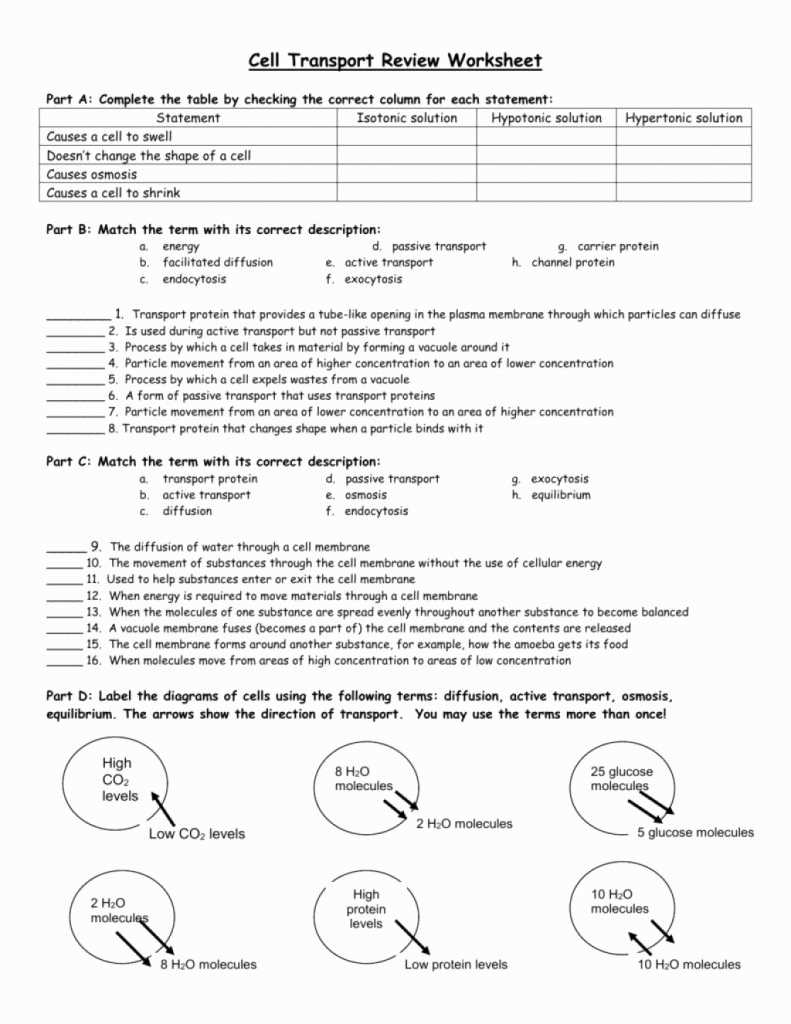
While both osmosis and diffusion involve the movement of particles, the key difference lies in the nature of the substances being transported. Osmosis specifically refers to the movement of water molecules, whereas diffusion can involve any type of particle. Additionally, osmosis occurs through a selectively permeable membrane, while diffusion can occur in any medium, including gases, liquids, or solids.
4. What factors affect the rate of diffusion?
The rate of diffusion can be influenced by several factors, including temperature, concentration gradient, surface area, and the size of the particles involved. Generally, higher temperatures, larger concentration gradients, larger surface areas, and smaller particles can all contribute to faster diffusion rates.
5. Can you provide an example of osmosis and diffusion in everyday life?
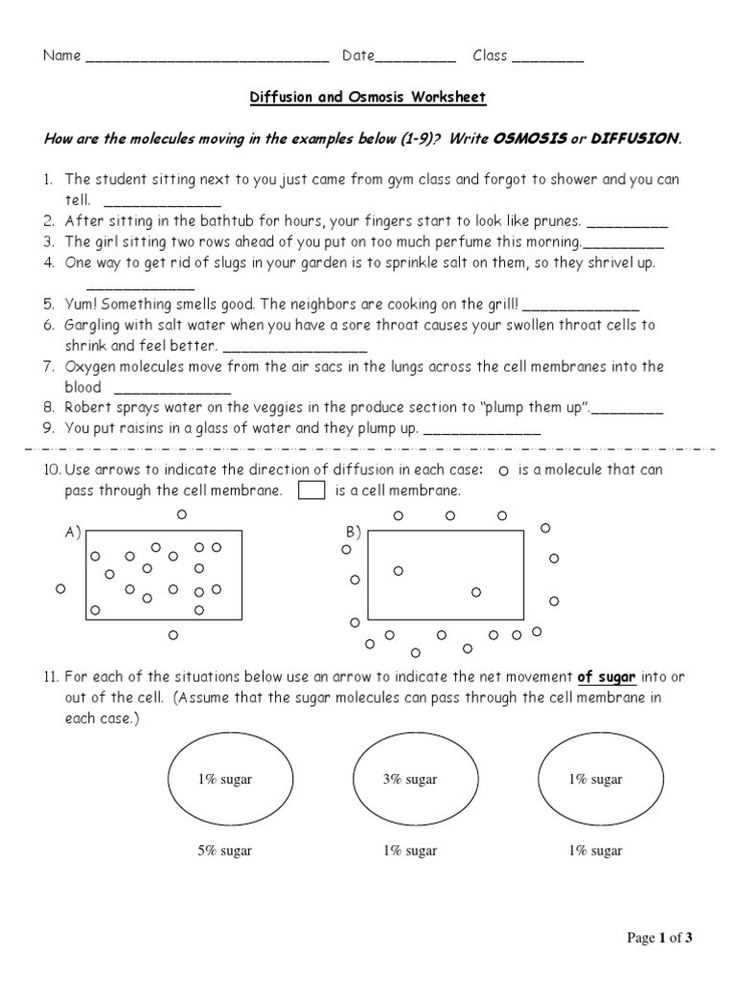
One example of osmosis in everyday life is when a plant absorbs water from the soil through its roots. The higher concentration of solutes in the plant’s root cells causes water to move into the cells through osmosis. An example of diffusion is the spreading of perfume or the aroma of food in a room. The particles of the perfume or food molecules move from an area of higher concentration to an area of lower concentration, eventually spreading evenly throughout the room.
These are just a few answers to common questions about osmosis and diffusion. Remember that understanding these concepts is crucial, as they have implications in various biological processes and everyday phenomena.
Understanding Osmosis
Osmosis is a fundamental process in biology that allows for the movement of water molecules across a semipermeable membrane. It plays a crucial role in maintaining the balance of fluids in cells and the overall functioning of living organisms. Understanding how osmosis works is essential for comprehending various biological processes and phenomena.
Osmosis is the movement of water molecules from an area of lower solute concentration to an area of higher solute concentration through a selectively permeable membrane. The solute concentration is determined by the number of dissolved particles in a solution. In osmosis, water moves to balance out the concentrations of solute on both sides of the membrane.
Osmosis is driven by the principle of diffusion, which is the tendency of molecules to spread out evenly in a given space. It occurs because of the random motion of molecules and the fact that they are constantly colliding with one another. When there is a concentration gradient, with more solute on one side of the membrane than the other, the water molecules will naturally move to equalize the concentrations.
Osmosis is crucial for various physiological processes. For example, it is responsible for maintaining the appropriate water balance in plant and animal cells. Cells have semipermeable membranes that allow water to pass through while selectively restricting the movement of other molecules. Through osmosis, cells can regulate the amount of water they retain or release to maintain their internal environment.
In plants, osmosis is responsible for drawing water up from the roots to the leaves. Water moves into plant cells via osmosis, creating pressure that helps support the plant’s structure. This process, known as transpiration, is essential for a plant’s survival and growth.
Overall, understanding the concept of osmosis is fundamental to comprehending various biological processes. It helps explain how water is transported within organisms, how cells maintain their internal environments, and how living organisms maintain their overall health and functionality.
Principles of Diffusion
Diffusion is the process by which particles move from an area of high concentration to an area of low concentration. This movement occurs due to the random movement of particles, guided by a principle known as Brownian motion. Brownian motion is the result of collisions between particles, causing them to move in a zigzag pattern.
Concentration gradient: The concentration gradient refers to the difference in concentration of particles between two areas. In diffusion, particles move along the concentration gradient, from an area of higher concentration to an area of lower concentration.
The rate of diffusion is influenced by several factors, including:
- Temperature: Higher temperatures increase the kinetic energy of particles, leading to faster diffusion rates.
- Particle size: Smaller particles have a greater surface area-to-volume ratio, allowing for faster diffusion.
- Medium: The medium in which diffusion occurs can affect the rate. For example, diffusion in a gas occurs at a faster rate compared to diffusion in a liquid or solid.
- Distance: The shorter the distance between the areas of differing concentration, the faster diffusion occurs.
- Molecular weight: Heavier molecules may diffuse more slowly compared to lighter molecules.
Understanding the principles of diffusion is crucial in fields such as biology, chemistry, and physics. It allows scientists to explain and predict the movement of substances within living organisms, the dispersion of pollutants in the environment, and the diffusion of gases in industrial processes. By studying diffusion, scientists can better understand the underlying mechanisms of various natural and man-made phenomena.
Importance of Concentration Gradient
The concentration gradient plays a crucial role in several biological processes, including osmosis and diffusion. It refers to the difference in the concentration of a substance between two regions. The movement of particles, such as ions or molecules, across a concentration gradient occurs in order to achieve equilibrium. Understanding the importance of concentration gradients is essential for comprehending various biological phenomena.
One significant aspect of concentration gradients is their role in osmosis. Osmosis is the process in which solvent molecules, such as water, move from an area of lower solute concentration to an area of higher solute concentration through a semipermeable membrane. The concentration gradient determines the direction and rate of osmosis. The greater the difference in solute concentration, the higher the osmotic pressure, and the more significant the movement of water molecules. This process is vital for maintaining water balance in cells and organisms.
Diffusion is another biological process dependent on concentration gradients.
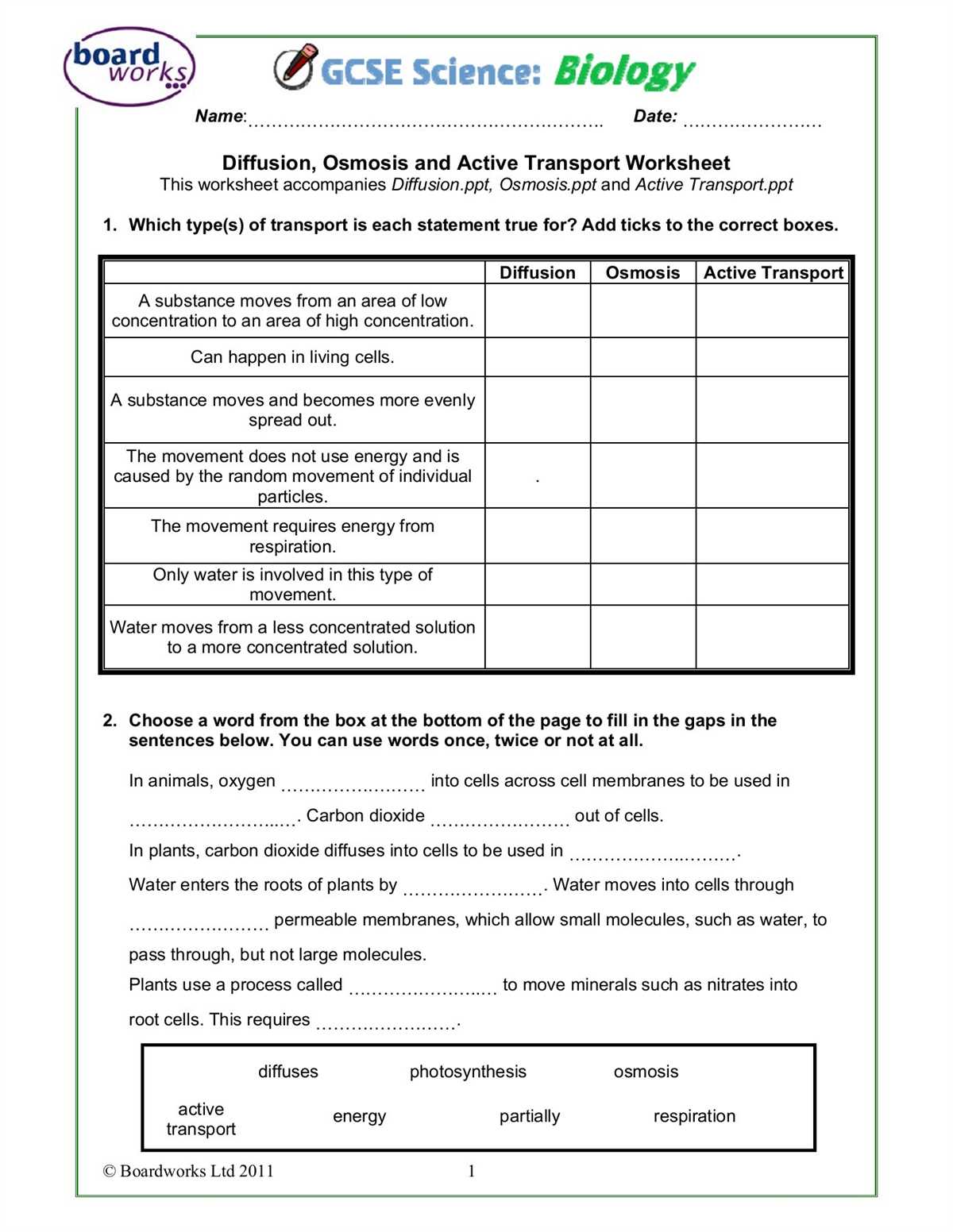
Diffusion is the spontaneous movement of particles from an area of higher concentration to an area of lower concentration. It occurs due to the random motion of particles, and the concentration gradient determines the rate at which diffusion happens. When there is a higher concentration of particles in one region compared to another, diffusion allows for the equalization of their distribution. This process is necessary for the transportation of nutrients, gases, and waste products within organisms. Without concentration gradients, diffusion would not occur efficiently, hindering vital physiological processes.
In summary, concentration gradients are essential for the proper functioning of biological systems. They drive the processes of osmosis and diffusion, allowing for the movement of molecules and ions across membranes. By understanding and utilizing concentration gradients, organisms can maintain water balance, transport essential substances, and regulate various physiological functions.
Factors Affecting Osmosis and Diffusion
Osmosis and diffusion are fundamental processes that occur in living organisms. These processes are influenced by various factors that determine the direction and rate of movement of molecules across a selectively permeable membrane.
Concentration Gradient: The concentration gradient plays a crucial role in both osmosis and diffusion. It refers to the difference in the concentration of solute molecules on either side of the membrane. When there is a higher concentration of solute on one side, molecules tend to move from an area of higher concentration to an area of lower concentration until equilibrium is reached.
Temperature: Temperature affects the rate of diffusion and osmosis. Higher temperatures increase the kinetic energy of molecules, causing them to move more rapidly. This leads to an increase in the rate of diffusion and osmosis. On the other hand, lower temperatures decrease the kinetic energy, resulting in slower diffusion and osmosis.
Membrane Permeability: The permeability of the membrane is a critical factor in determining the selectivity of what can pass through. A selectively permeable membrane allows only certain molecules to pass through while restricting others. The size, charge, and hydrophobicity of molecules impact their ability to diffuse or undergo osmosis across the membrane.
Pressure: Pressure gradients can affect the movement of molecules through osmosis and diffusion. In osmosis, an increase in hydrostatic pressure can counteract the movement of water molecules across the membrane. In diffusion, pressure can impact the rate of diffusion, with higher pressure generally resulting in a faster diffusion rate.
Surface Area: The surface area of the membrane also influences the rate of diffusion and osmosis. A larger surface area allows for a greater number of molecules to pass through, increasing the rate of diffusion and osmosis. Conversely, a smaller surface area restricts the movement of molecules, resulting in slower diffusion and osmosis.
Molecular Size: The size of molecules affects their ability to diffuse or undergo osmosis. Smaller molecules can pass through the membrane more easily than larger molecules. This is because smaller molecules have a higher rate of diffusion and can fit through the pores or channels of the membrane more readily.
Solute Nature: The nature of the solute molecules also impacts osmosis and diffusion. Some solute molecules may be charged or polar, affecting their ability to diffuse or undergo osmosis. Charged or polar molecules may require specific channels or transport proteins to facilitate their movement across the membrane.
Overall, osmosis and diffusion are complex processes influenced by various factors. Understanding these factors is essential in comprehending the mechanisms behind these processes and their significance in biological systems.
Osmosis and Diffusion in Living Systems
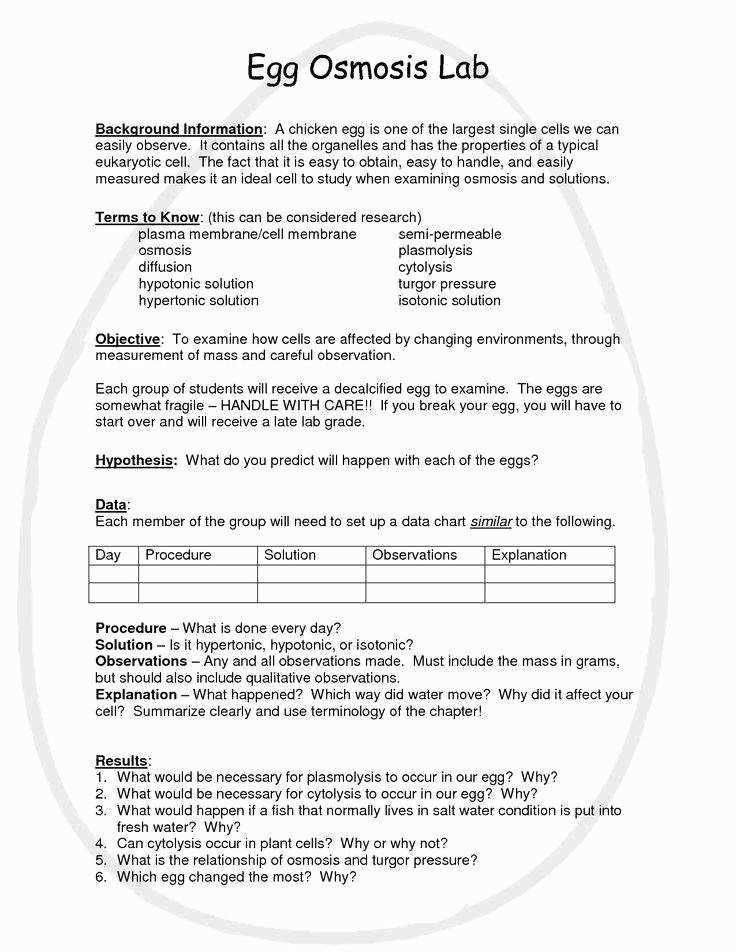
In living systems, osmosis and diffusion play vital roles in maintaining the balance and functionality of cells and tissues. These processes allow for the movement of molecules and ions across cell membranes, ensuring the proper distribution of nutrients, waste products, and signaling molecules.
Osmosis is the movement of water molecules across a semi-permeable membrane from an area of lower solute concentration to an area of higher solute concentration. This process is important for maintaining the water balance within cells. For example, in plants, osmosis is responsible for the absorption of water from the soil into the roots and its subsequent transport to other parts of the plant.
Diffusion is the passive movement of molecules or ions from an area of higher concentration to an area of lower concentration. It occurs in various biological processes, including the exchange of gases in the respiratory system and the transport of nutrients across cell membranes. Diffusion is critical for allowing cells to obtain the necessary substances for their survival and removing waste products.
In addition to their individual roles, osmosis and diffusion also work together to maintain homeostasis in living organisms. For example, the process of osmosis helps regulate the water content within cells, while diffusion ensures the equal distribution of essential molecules and ions throughout the body.
Overall, osmosis and diffusion are fundamental processes that enable the proper functioning and survival of living systems. Understanding these mechanisms is crucial for comprehending various physiological processes and can have significant implications in fields such as medicine and biotechnology.
Applications of Osmosis and Diffusion
Osmosis and diffusion are fundamental processes that occur in all living organisms and play important roles in various biological systems. These processes are not only essential for the survival and functioning of cells, but they also have numerous applications in different fields, ranging from healthcare to industry.
One of the main applications of osmosis and diffusion is in the field of medicine and healthcare. Osmosis is used in dialysis, a process that helps to filter waste products and excess fluid from the blood in patients with kidney failure. Diffusion is also used in drug delivery systems, where it enables the transportation of drugs across cell membranes to target specific tissues or organs.
In the food industry, osmosis plays a crucial role in preserving and processing food. It is used in processes such as pickling, curing, and fermenting, where osmosis helps to enhance flavors, change texture, and extend the shelf life of food products. Diffusion is involved in various cooking techniques, such as marinating, as it allows flavors to penetrate the meat or vegetables, resulting in a more flavorful dish.
Another important application of osmosis and diffusion is in environmental science and water purification. Reverse osmosis, a process based on osmosis, is used to desalinate seawater and make it suitable for drinking and irrigation. Diffusion, on the other hand, occurs naturally in the environment and is responsible for the movement of gases, such as oxygen and carbon dioxide, in the atmosphere, seas, and rivers.
In conclusion, osmosis and diffusion are not only fundamental processes in biology but also have a wide range of applications in different fields. From healthcare to food processing and environmental science, these processes play crucial roles in various industries and contribute to advancements in technology and human well-being.