The Ultimate Guide to Navigating the IOS in Packet Tracer: Answers Revealed

Packet Tracer is a powerful network simulation tool that allows users to create and practice complex network scenarios in a virtual environment. It is widely used by networking professionals and students to design, configure, and troubleshoot networks. However, navigating the Cisco IOS (Internetwork Operating System) can be challenging for those new to network simulation or unfamiliar with the command-line interface.
This article aims to provide answers to common questions and difficulties users encounter while navigating the IOS in Packet Tracer. Whether you are configuring routers, switches, or other network devices, understanding the various commands and options available can greatly enhance your network simulation experience.
Topics covered in this guide include how to access the IOS command-line interface, basic command syntax, navigating between different IOS modes, configuring interfaces, and troubleshooting common issues. By familiarizing yourself with these essential skills, you’ll be able to confidently navigate the IOS and make the most of Packet Tracer’s simulation capabilities.
Exploring Packet Tracer: Navigating the iOS Answers
Packet Tracer is a powerful network simulation tool developed by Cisco that allows users to create, configure, and troubleshoot virtual networks. One of the key skills required to effectively use Packet Tracer is the ability to navigate and interact with the command-line interface (CLI) of Cisco devices. In this article, we will explore the answers to common questions about navigating the iOS (Internetwork Operating System) in Packet Tracer.
How do I access the CLI in Packet Tracer?
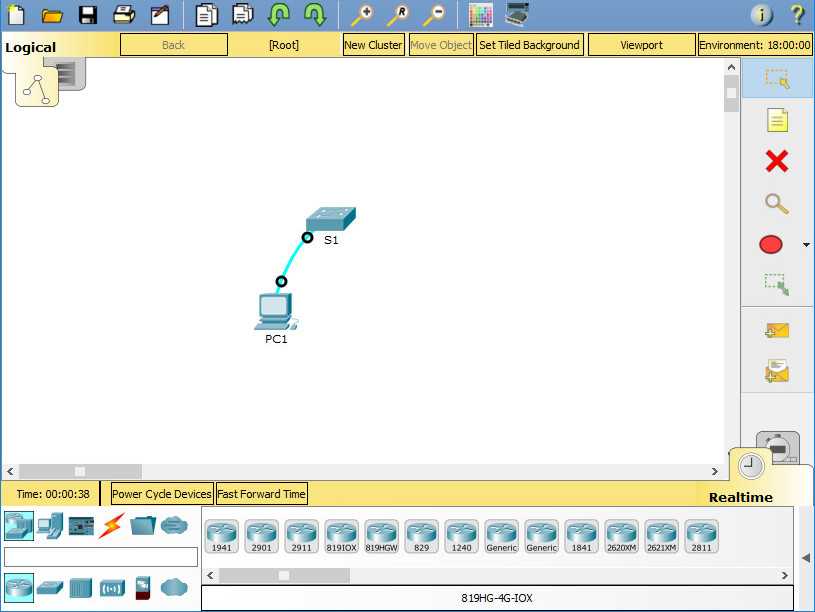
To access the CLI of a Cisco device in Packet Tracer, you first need to select the device and enter the configuration view. Right-click on the device and choose “Console” to open a virtual console window. The console window functions as a terminal emulator and allows you to interact with the CLI. Once you are in the console window, you can start entering commands and configuring the device.
What are the common commands used in the iOS?
There are many commands available in the iOS, but some of the most commonly used ones include:
- show: This command is used to display information about various aspects of the device, such as the current configuration, interface status, and routing tables.
- configure terminal: This command allows you to enter the global configuration mode, where you can make changes to the device’s configuration.
- interface: This command is used to select a specific interface on the device for configuration purposes.
- ip address: This command is used to assign an IP address to an interface.
- ping: This command is used to send ICMP echo requests to a specific IP address to test connectivity.
How can I navigate through the CLI history?
In the iOS CLI, you can use the arrow keys to navigate through previously entered commands. Press the up arrow key to recall the previous command and the down arrow key to go forward in the command history. This feature can be quite useful when you need to repeat or modify a command that you have entered recently.
How can I save my configuration changes?
To save the configuration changes you have made in Packet Tracer, use the copy running-config startup-config command. This command copies the running configuration to the startup configuration, which is the configuration that will be loaded when the device is powered on or restarted. It is important to save your configuration changes regularly to avoid losing them in case of a power failure or device restart.
Understanding the Basics of Packet Tracer
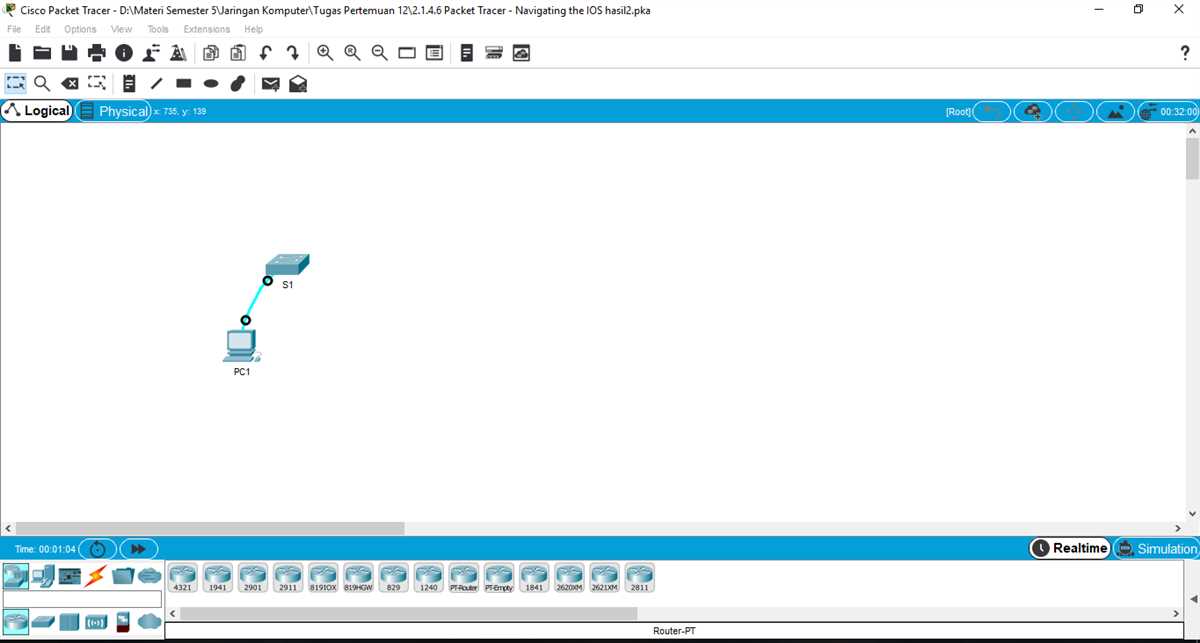
Packet Tracer is a network simulation tool developed by Cisco Systems that allows users to create, configure, and troubleshoot networks. It provides a virtual environment where users can simulate network scenarios and practice their networking skills. With Packet Tracer, users can learn how to design and implement networks, test different networking protocols, and understand the flow of data packets in a network.
One of the key features of Packet Tracer is its ability to simulate real-life networking devices such as routers, switches, and servers. Users can drag and drop these devices onto a workspace and connect them using various networking cables. They can then configure the devices with different settings, such as IP addresses, routing protocols, and access control lists. This allows users to learn how to configure and manage networking devices in a virtual environment, without the need for physical equipment.
Packet Tracer also provides a wide range of pre-built network topologies and activities that users can use to practice their networking skills. These activities are designed to simulate real-world scenarios, such as setting up a small office network or troubleshooting a network issue. Users can follow step-by-step instructions and complete these activities to gain hands-on experience and improve their understanding of networking concepts.
In addition to its simulation capabilities, Packet Tracer also includes various tools for network analysis and troubleshooting. Users can monitor network traffic, analyze packet captures, and perform diagnostics on network devices. These features help users identify and resolve network issues, and improve the overall performance and security of their networks.
Overall, Packet Tracer is a powerful tool for network engineers and students to learn and practice networking concepts. It provides a virtual environment where users can simulate networks, configure devices, and troubleshoot network issues. With its extensive features and resources, Packet Tracer is an essential tool for anyone looking to gain practical experience in the field of networking.
Overview of the iOS Interface
In order to effectively navigate and configure network devices, it is important to have a good understanding of the Cisco Internetwork Operating System (IOS) interface. The IOS interface provides a command-line-based environment that allows network administrators to manage and configure network devices. This interface is accessed through the console connection or remotely through a Telnet or SSH session.
The IOS interface is organized into different modes:
- User EXEC mode: This is the default mode when logging in to a Cisco device. It provides limited access and allows basic monitoring and troubleshooting tasks.
- Privileged EXEC mode: This mode is entered by typing the “enable” command. It provides access to all commands and allows the configuration of the device.
- Global configuration mode: This mode is entered by typing the “configure terminal” command. It allows the configuration of global parameters and settings for the device.
- Interface configuration mode: This mode is entered by typing the “interface” command followed by the interface name. It allows the configuration of specific interfaces on the device.
Within each mode, there are different commands and options available. These commands can be used to monitor network traffic, configure routing protocols, create access control lists, and perform various other tasks necessary for network management. Understanding and navigating the IOS interface is essential for network administrators to effectively configure and manage their network devices.
Exploring Navigation Methods in Packet Tracer
Packet Tracer is a powerful networking simulation tool that allows users to practice and explore various networking concepts and configurations. One of the key skills that users need to develop in order to effectively use Packet Tracer is navigation. Navigating through the user interface and accessing different features and functions is essential for successfully working with Packet Tracer.
There are several navigation methods that users can utilize in Packet Tracer. One of the most basic methods is using the menu bar located at the top of the application window. The menu bar provides a list of different options and functions that users can access. By clicking on the desired option, users can access different features and configurations within Packet Tracer. This method is great for users who prefer a menu-driven interface and want easy access to all the available functions.
Another navigation method in Packet Tracer is using keyboard shortcuts. Keyboard shortcuts are a quick and efficient way to access different features and functions without the need to use the mouse. For example, pressing the Ctrl + N shortcut opens a new activity or workspace, while Ctrl + S saves the current project. By memorizing and utilizing these keyboard shortcuts, users can navigate through Packet Tracer more efficiently and save time.
- Menu Bar: The menu bar provides a list of different options and functions that users can access by clicking on the desired option.
- Keyboard Shortcuts: Keyboard shortcuts are a quick and efficient way to access different features and functions without the need to use the mouse.
In addition to the menu bar and keyboard shortcuts, users can also utilize the context menu. The context menu is accessed by right-clicking on different elements within Packet Tracer, such as devices or connections. The context menu provides a list of specific options and actions that can be performed on the selected element. This method is great for users who prefer a contextual approach to navigation and want quick access to specific options related to the selected element.
Overall, exploring and utilizing different navigation methods in Packet Tracer is essential for effectively working with the application. Whether it’s using the menu bar, keyboard shortcuts, or the context menu, users can navigate through Packet Tracer with ease and access the various features and functions it offers.
Using Command Line Interface in Packet Tracer
Packet Tracer is a powerful network simulation tool that allows users to simulate and practice various networking scenarios. One of the most important features of Packet Tracer is its Command Line Interface (CLI) functionality. The CLI provides a text-based interface through which users can interact with network devices and configure their settings.
When working with CLI in Packet Tracer, users can access the command prompt of different network devices, such as routers and switches, and execute various commands to manage and troubleshoot their configurations. The CLI follows the syntax and command structure of the actual operating systems used in networking, such as Cisco IOS.
The CLI in Packet Tracer allows users to configure network interfaces, set up routing protocols, apply access control lists, and perform other essential network tasks. It provides a more detailed and granular level of control compared to the graphical user interface (GUI) of Packet Tracer.
To access the CLI in Packet Tracer:
- Select the network device you want to work with.
- Double-click on the device to open its configuration panel.
- Click on the “CLI” tab at the top of the panel.
Once in the CLI, users can:
- Enter commands to configure interfaces, such as setting IP addresses and subnet masks.
- View the running configuration and make changes to it.
- Execute troubleshooting commands, such as “ping” and “trace route,” to diagnose network connectivity issues.
- Configure and manage routing protocols, such as OSPF and EIGRP.
Overall, the CLI in Packet Tracer is a crucial tool for networking professionals and students to gain hands-on experience with network device configurations. It allows users to develop their understanding of command-based networking and prepares them for real-world scenarios where CLI proficiency is essential.
Mastering iOS Commands and Shortcuts
When it comes to efficiently navigating the iOS operating system, knowing the right commands and shortcuts can significantly enhance your productivity. Whether you are an experienced user or just starting out, understanding these iOS shortcuts will make your life easier.
CMD + C / CMD + V: The classic copy and paste commands can be used in iOS as well. Whether you want to duplicate a file or transfer text from one document to another, these shortcuts will save you time and effort.
CMD + Z: Made a mistake? Don’t worry. The undo command can quickly revert any action, from deleting a file to undoing a text edit. Truly a lifesaver when it comes to digital mishaps.
CTRL + SPACE: Need to quickly search for something? Pressing these keys will activate Spotlight, allowing you to search for files, folders, or applications on your iOS device. It’s a handy shortcut for finding what you need in an instant.
CTRL + TAB: Swapping between open applications is a breeze with this shortcut. Pressing these keys will cycle through the open windows, saving you the trouble of manually navigating through your apps.
CTRL + SHIFT + 3 / 4: These commands are perfect for taking screenshots. Pressing CTRL + SHIFT + 3 will capture the entire screen, while CTRL + SHIFT + 4 allows you to select a specific area to capture. Say goodbye to third-party screenshot apps!
- CMD + T: Open a new tab in your browser.
- CMD + W: Close the current tab in your browser.
- CMD + Shift + T: Reopen the last closed tab in your browser.
- Ctrl + Shift + N: Open an incognito window in your browser.
These are just a few examples of the many iOS commands and shortcuts available to streamline your workflow. By mastering these shortcuts and incorporating them into your daily routine, you’ll be navigating your iOS device like a pro in no time.
Troubleshooting and Debugging with Packet Tracer
Packet Tracer is a powerful network simulation tool that allows users to create and configure virtual networks. It offers a wide range of features and functions that make it an essential tool for network administrators and engineers. One of the most important skills that network professionals need to have is troubleshooting and debugging. In this article, we will explore how Packet Tracer can help with troubleshooting network issues and how to effectively use its debugging features.
Identifying and Isolating Issues

When faced with a network problem, the first step is to identify the issue and isolate it. Packet Tracer provides a comprehensive set of troubleshooting tools that can help with this process. By using the simulation mode, users can step through the network operation in real-time and observe the behavior of each device. This allows for the identification of any anomalies or misconfigurations that may be causing the problem.
Packet Tracer also offers the ability to create and analyze packet captures. This feature allows users to capture and inspect network traffic, helping to identify any issues related to packet loss, latency, or incorrect routing. By analyzing the captured packets, network administrators can pinpoint the source of the problem and take appropriate actions to resolve it.
Debugging and Testing

To further aid in troubleshooting, Packet Tracer provides a powerful debugging tool. Users can enable debugging on network devices, which will generate log messages that can be viewed in real-time. These messages provide valuable information about the network operation and can help identify any issues or errors that may be occurring. By analyzing these log messages, network administrators can quickly identify and resolve problems.
Additionally, Packet Tracer supports the testing of network connections and services. Users can simulate different scenarios and test various configurations to verify the functionality of the network. This allows for the validation of any changes or troubleshooting steps before implementing them in a production environment.
Conclusion
Troubleshooting and debugging are crucial skills for network professionals, and Packet Tracer provides a valuable platform for developing and honing these skills. With its comprehensive set of troubleshooting tools and debugging capabilities, Packet Tracer allows users to identify, isolate, and resolve network issues effectively. By utilizing these features, network administrators and engineers can ensure the smooth operation of their networks and provide timely solutions to any problems that may arise.
Q&A:
What is troubleshooting?
Troubleshooting refers to the process of identifying and resolving problems or issues that occur in a system or network. It involves systematically investigating the problem, identifying its root cause, and implementing a solution to fix it.
What is debugging?
Debugging is the process of identifying and fixing software or hardware errors or bugs. It involves analyzing the code or system to understand the cause of the problem and making the necessary modifications to eliminate the issue.
How can Packet Tracer be used for troubleshooting?
Packet Tracer can be used for troubleshooting by simulating network configurations and analyzing network behavior. It allows users to create virtual networks and test various scenarios to identify and resolve network issues. It provides tools and features to monitor network traffic, check connectivity, and diagnose problems.
What are some common network troubleshooting and debugging techniques?
Some common network troubleshooting and debugging techniques include checking physical connections, verifying network configurations, using network diagnostic tools, testing connectivity, analyzing network logs, and stepping through code or configurations to identify errors. These techniques help in isolating and fixing network issues.
Can Packet Tracer simulate all types of network issues?
No, Packet Tracer may not be able to simulate every single network issue or scenario accurately. It has its limitations and may not fully replicate real-world network behavior. However, it can still be a useful tool for basic troubleshooting and debugging tasks in a simulated environment.