Master the PADI Nitrox Exam with These Practice Questions

When it comes to scuba diving, safety is paramount. One of the ways to ensure a safe dive is by using enriched air nitrox, which contains a higher percentage of oxygen than regular compressed air. However, using nitrox requires knowledge and understanding of its properties and procedures. The PADI Nitrox certification is designed to provide divers with the knowledge and skills necessary to dive with enriched air.
The PADI Nitrox exam is a critical component of the certification process. It consists of a series of questions that test divers on their understanding of nitrox principles, the benefits and potential hazards of using nitrox, and proper dive planning and execution with nitrox. The exam serves as a tool to assess divers’ knowledge and ensure they are prepared to dive safely with enriched air.
In this article, we will explore some common PADI Nitrox exam questions. By familiarizing yourself with these questions and their answers, you can better prepare for the exam and demonstrate your understanding of nitrox diving. Whether you are new to nitrox diving or looking to refresh your knowledge, this article will provide you with valuable insights and help you become a safer and more confident diver.
PADI Nitrox Exam Questions
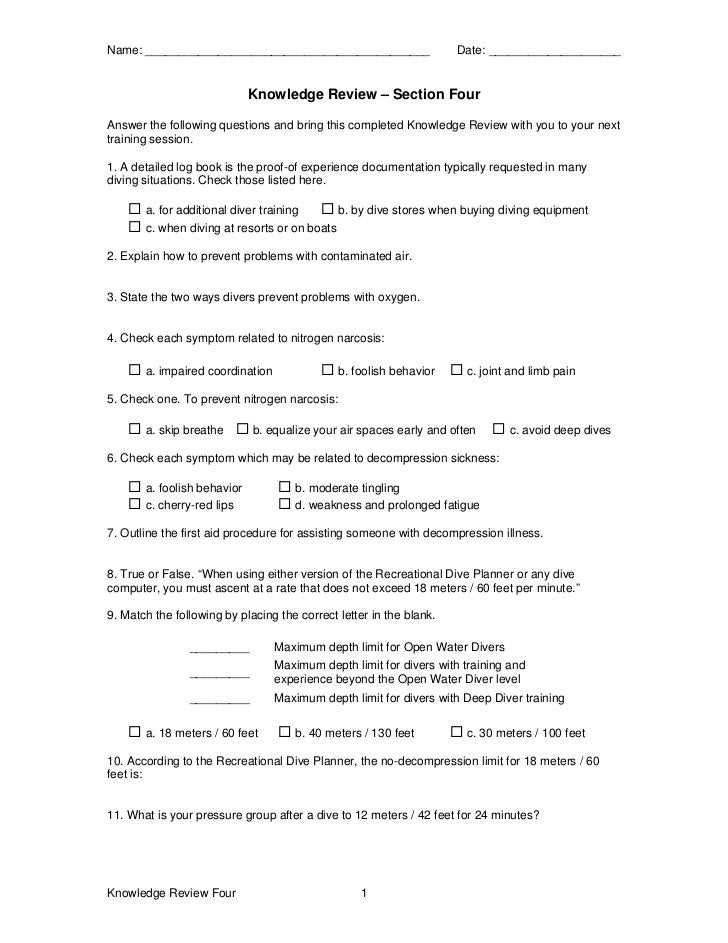
When it comes to diving with Nitrox, it’s important to have a good understanding of the subject. The PADI Nitrox exam is designed to test your knowledge and ensure that you are aware of the necessary information to safely dive with this gas mixture. Here are some common exam questions that you may come across:
1. What is Nitrox?
Nitrox, also known as Enriched Air Nitrox (EANx), is a gas mixture used in scuba diving that has a higher oxygen content than normal air. The most common Nitrox mixtures contain higher percentages of oxygen (usually between 32% and 40%) and lower percentages of nitrogen compared to regular air.
2. What are the advantages of diving with Nitrox?
- – Longer no-decompression limits: Nitrox allows for longer bottom times due to the lower nitrogen content in the gas mixture.
- – Reduced risk of decompression sickness: With lower nitrogen levels, the risk of decompression sickness is decreased.
- – Shorter surface intervals: Nitrox allows for shorter surface intervals as there is less nitrogen to off-gas.
3. How do you analyze a Nitrox cylinder?
Analyzing a Nitrox cylinder involves checking the percentage of oxygen in the gas mixture. This is done using an Oxygen Analyzer, which measures the oxygen content in the tank. It’s important to verify that the percentage matches what is stated on the cylinder before diving.
4. What are the considerations for planning a Nitrox dive?
- – Maximum operating depth and oxygen exposure limits: Depending on the Nitrox mixture, there are certain depth and oxygen exposure limits that need to be taken into account for safe diving.
- – Equivalent air depth: Nitrox has a different equivalent air depth compared to regular air, so it’s important to calculate the actual depth taking into account the oxygen concentration.
- – Oxygen toxicity: Diving with high percentages of oxygen can increase the risk of oxygen toxicity, so it’s important to stay within the safe limits.
5. How can you determine the maximum depth for a Nitrox mixture?
The maximum depth for a Nitrox mixture is determined by the partial pressure of oxygen in the gas. As the oxygen percentage increases, the maximum depth decreases. To calculate the maximum depth, you need to know the oxygen percentage of the Nitrox mixture and use the appropriate tables or dive computer software.
These are just a few examples of the types of questions you may encounter in the PADI Nitrox exam. It’s essential to study the material thoroughly and practice analyzing cylinders, planning dives, and understanding the benefits and considerations of diving with Nitrox before attempting the exam.
Purpose and Benefits of Nitrox Diving
Nitrox diving, also known as enriched air diving, involves the use of breathing gases with higher oxygen content than normal air. The purpose of nitrox diving is to extend dive times and reduce the risk of decompression sickness. By increasing the oxygen concentration in the breathing mix, divers can stay underwater for longer periods compared to diving with regular air. This is particularly beneficial for divers who want to explore wrecks, caves, or other underwater destinations that require longer bottom times.
One of the key benefits of nitrox diving is the reduced risk of decompression sickness. Nitrox has lower nitrogen content than regular air, which means that there is less nitrogen absorbed by the body’s tissues during a dive. This reduces the risk of nitrogen saturation and the need for long decompression stops when ascending. As a result, nitrox diving allows divers to have shorter surface intervals between dives and can often provide a safer and more comfortable diving experience overall.
Another benefit of using nitrox is that it can reduce the fatigue experienced by divers. Nitrogen is known to cause nitrogen narcosis, which can lead to a feeling of intoxication and impaired judgment at depth. By using nitrox, divers can minimize the effects of nitrogen narcosis and maintain better mental clarity during their dives. This can be particularly beneficial for divers who are engaging in complex or technical dives where clear thinking is crucial.
In summary, the purpose of nitrox diving is to extend dive times and reduce the risk of decompression sickness. The benefits include longer bottom times, reduced need for decompression stops, and minimized effects of nitrogen narcosis. Nitrox diving can provide divers with safer and more comfortable diving experiences, allowing them to explore underwater environments for longer periods and with greater clarity of mind.
Understanding Nitrox Dive Tables
Nitrox dive tables are an essential tool for divers who are using enriched air nitrox (EANx) for their dives. These tables allow divers to plan their dives and ensure they are diving within safe limits. By understanding how to read and use nitrox dive tables, divers can maximize their bottom time and reduce the risk of decompression sickness.
When using nitrox dive tables, divers need to take into account the percentage of oxygen in the mix they are using, as well as their planned depth and dive time. The tables provide information on the maximum depth and bottom time for different oxygen percentages. Divers must also factor in their surface interval time, as this affects their nitrogen loading and the need for decompression stops.
How to read nitrox dive tables:
1. Determine the oxygen percentage in the nitrox mix you are using.
2. Find the row on the table that corresponds to the oxygen percentage.
3. Determine your planned dive depth and find the column on the table that corresponds to it.
4. Once you have located the intersection of the row and column, you can read the maximum bottom time allowed for that depth and oxygen percentage.
Tips for using nitrox dive tables:
- Always round your planned dive depth up to the nearest whole number when using the tables.
- Take note of any special considerations or notes provided with the tables, as they may provide additional information specific to the nitrox mix you are using.
- Pay attention to the surface interval time recommendations, as they are crucial for managing nitrogen loading and avoiding decompression sickness.
- Regularly review and practice using the nitrox dive tables to ensure familiarity and confidence in their use.
By understanding and effectively using nitrox dive tables, divers can safely enjoy the benefits of diving with enriched air nitrox while minimizing the risks associated with decompression sickness.
Safe Handling and Storage of Nitrox Tanks
Nitrox, also known as enriched air, is a gas mixture commonly used in diving to increase the amount of oxygen in the breathing mixture. It is important to handle and store nitrox tanks properly to ensure safety and prevent accidents. Here are some guidelines to follow when handling and storing nitrox tanks:
1. Proper labeling and identification
All nitrox tanks should be clearly labeled and identified with the maximum operating depth (MOD) for the specific nitrox mix. This information helps divers know their limits and avoid exceeding the safe depth for the gas mixture they are using. Tanks should also be labeled with the nitrox mix percentage and oxygen clean status.
2. Inspections and maintenance
Regular inspections and maintenance are essential to ensuring the integrity of the nitrox tanks. Tanks should be visually inspected for any signs of damage, including dents, corrosion, or loose fittings. Regular hydrostatic testing should also be performed to check for any structural weaknesses or leaks in the tanks.
3. Proper storage

Nitrox tanks should be stored in a cool and dry place, away from direct sunlight or extreme temperatures. Storing tanks in a well-ventilated area can help prevent the buildup of gases and reduce the risk of combustion. It is also important to keep nitrox tanks away from flammable materials and sources of ignition.
4. Handling and transportation
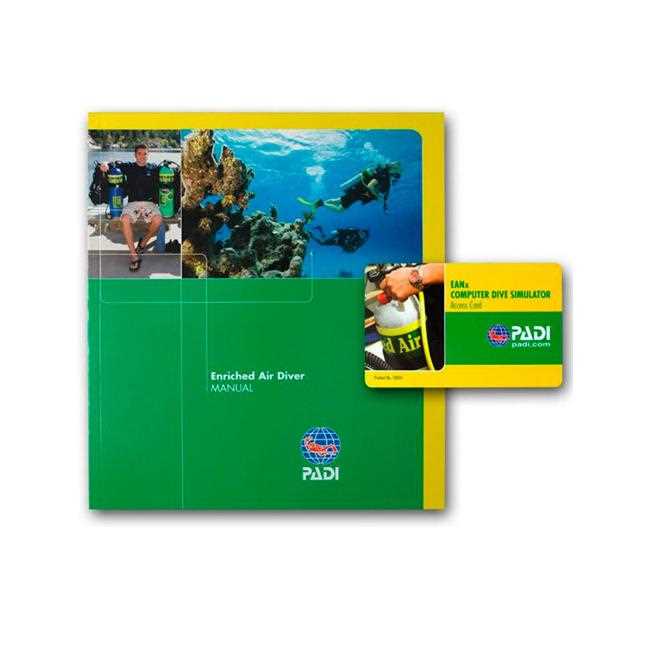
When handling nitrox tanks, it is important to use proper lifting techniques and avoid dropping or mishandling them. Tanks should always be secured in an upright position during transportation to prevent them from rolling or falling. When transporting nitrox tanks by vehicle, ensure they are properly secured to prevent any movement or damage during transit.
5. Training and knowledge
Proper training and knowledge are key to safely handling and storing nitrox tanks. Divers should undergo appropriate training and certification to understand the specific procedures and guidelines for handling and storing nitrox tanks. Regular refreshers and updates on safe handling practices are also recommended to stay up to date with the latest industry standards.
By following these guidelines, divers can ensure the safe handling and storage of nitrox tanks, minimizing the risk of accidents and ensuring a safe diving experience.
Nitrox Dive Planning and Procedures

When planning a nitrox dive, it is important to consider the specific gas blend being used and the corresponding maximum operating depth (MOD). The MOD indicates the depth at which the partial pressure of oxygen in the breathing gas reaches its maximum safe limit. This limit is set to prevent oxygen toxicity and ensure diver safety. Different nitrox blends have different MODs, and divers must be aware of the specific values for their chosen gas.
Before a nitrox dive, divers are required to analyze the gas blend using an oxygen analyzer. This allows them to verify the actual oxygen percentage in the tank and adjust their dive plan accordingly. The measured oxygen percentage determines the maximum depth and bottom time allowed for the dive. It is crucial that divers accurately analyze the gas, as deviations from the expected oxygen percentage can have serious consequences.
When conducting a nitrox dive, proper dive procedures must be followed to ensure safety. This includes monitoring gas consumption, maintaining an appropriate ascent rate, and practicing proper buoyancy control. Nitrox divers should also be aware of the potential risks and symptoms associated with oxygen toxicity, such as seizures or pulmonary edema, and know how to respond in case of an emergency.
To facilitate communication and maintain safety, it is recommended that nitrox divers use the “two-thirds rule” when planning their dive. This rule states that divers should always surface with at least one-third of their gas supply remaining. This extra reserve allows for unexpected delays or emergencies, providing a margin of safety. Divers should also consider their surface interval and adhere to the appropriate time limits to avoid the risk of decompression sickness.
Key Points:
- Plan dives based on the specific nitrox blend being used and its corresponding MOD.
- Analyze the gas blend before diving to verify the oxygen percentage and adjust the dive plan accordingly.
- Follow proper dive procedures, including monitoring gas consumption and maintaining buoyancy control.
- Be aware of the risks and symptoms of oxygen toxicity and know how to respond in case of an emergency.
- Adhere to the “two-thirds rule” and consider surface intervals to ensure safety during nitrox diving.
Nitrox Emergency Management and First Aid
Nitrox diving is a popular choice among recreational divers due to its numerous benefits. However, like any other form of diving, there are potential risks involved. It is crucial for divers to be well-prepared and equipped with the necessary knowledge and skills to handle emergencies that may arise during nitrox diving.
This article has provided an overview of nitrox emergency management and first aid techniques that every diver should be familiar with. By understanding the risks associated with nitrox diving and knowing how to respond effectively in emergency situations, divers can ensure their safety and the safety of their fellow divers.
It is important for divers to always have a clear understanding of their limits, monitor their equipment, and perform regular safety checks. Additionally, divers should be skilled in recognizing symptoms of nitrogen narcosis and oxygen toxicity, as well as knowing how to respond to these conditions.
The ability to properly administer first aid in emergency situations is essential for all divers. Divers should be trained in how to recognize and respond to symptoms of decompression sickness, and should have a good understanding of hyperbaric treatment and the importance of oxygen administration during emergencies.
In conclusion, nitrox diving offers many advantages but also comes with potential risks. By being educated and prepared, divers can ensure their safety and the safety of their dive buddies. Nitrox emergency management and first aid knowledge are crucial for all divers, and should be a priority in dive training and ongoing education.