The Ultimate Guide to Achieving a Passing Score on the Postal Exam
The postal exam is a crucial step for those who want to work for the United States Postal Service (USPS). It is designed to assess the skills and knowledge required for positions such as mail carrier, postal clerk, and mail handler. One of the key concerns for aspiring postal workers is the passing score for the exam.
The passing score is the minimum score that candidates must achieve in order to be considered for employment with the USPS. The exact passing score may vary depending on the specific exam being taken and the position being applied for. However, in general, candidates are required to achieve a passing score of at least 70%.
Scoring well on the postal exam is essential for candidates who want to increase their chances of getting hired. A high score not only demonstrates a candidate’s proficiency in the necessary skills and knowledge but also reflects their dedication and commitment to the job. Therefore, it is important for candidates to prepare thoroughly before taking the exam to ensure they achieve a passing score.
What is a Postal Exam?
A Postal Exam is an assessment test administered by the United States Postal Service (USPS) to evaluate the knowledge, skills, and abilities of individuals seeking employment in various postal positions. The exam is designed to test a candidate’s aptitude in areas such as sorting and delivering mail, customer service, and general postal procedures.
The USPS offers a range of different exams, with each exam tailored to specific positions within the postal service. These exams may include multiple-choice questions, as well as practical exercises that assess a candidate’s ability to perform the tasks required in their desired role.
Key components of a Postal Exam:
- General Knowledge: This portion of the exam evaluates a candidate’s understanding of basic postal regulations, procedures, and policies. It covers topics such as mail classification, addressing, and postage rates.
- Customer Service: As the USPS is a customer-centric organization, customer service skills are highly valued. This section of the exam assesses a candidate’s ability to handle customer inquiries, resolve conflicts, and provide assistance effectively.
- Sorting and Delivery: This component tests a candidate’s knowledge of mail sorting procedures, the proper use of postal equipment, and the ability to prioritize and organize mail for efficient delivery.
- Address Checking: Accuracy in verifying addresses is crucial for the USPS. This section evaluates a candidate’s ability to identify and correct address errors to ensure mail is delivered to the correct destination.
Passing a Postal Exam is an important step in the application process for USPS employment. Achieving a satisfactory score can increase the likelihood of being considered for available postal positions and may lead to job offers and further training opportunities within the organization.
Understanding the Basics
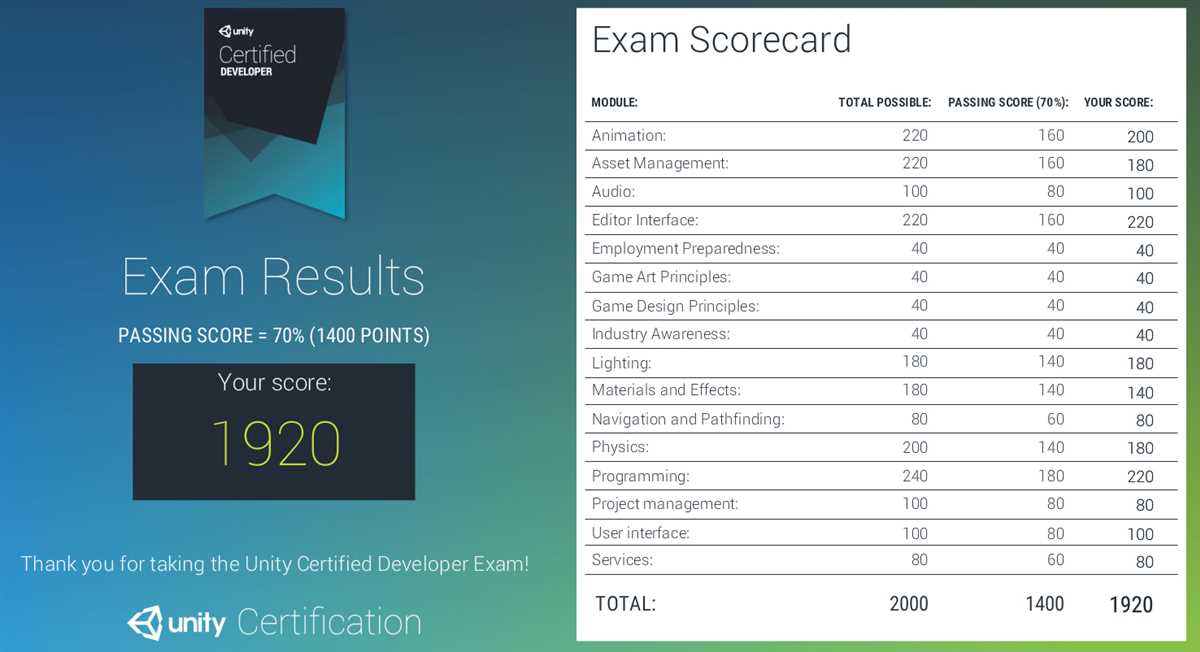
When it comes to taking the postal exam, understanding the basics is crucial. This includes knowing the passing score required to move forward in the hiring process. The passing score varies depending on the specific exam being taken and the position being applied for. It is important to research and understand the requirements for the specific exam you are taking.
The passing score for the postal exam is typically based on a combination of factors, including both the raw score and the percentile score. The raw score is determined by the number of questions answered correctly, while the percentile score compares your performance to that of other test takers. These scores are then used to determine whether you have met the minimum passing requirements for the exam.
It is important to note that the passing score may vary depending on the exam and the position being applied for. Some exams may have a higher passing score requirement than others, depending on the complexity of the job responsibilities. Additionally, certain positions within the postal service may require a higher passing score than others due to the level of skill and knowledge required for the role.
How is the Postal Exam Scored?
The Postal Exam is a multiple-choice test that evaluates an individual’s knowledge and skills required for various positions in the United States Postal Service. The exam is scored on a scale of 100, with a passing score typically set at 70 or higher. To determine the final score, each correct answer is awarded one point, and there is no penalty for incorrect answers or unanswered questions.
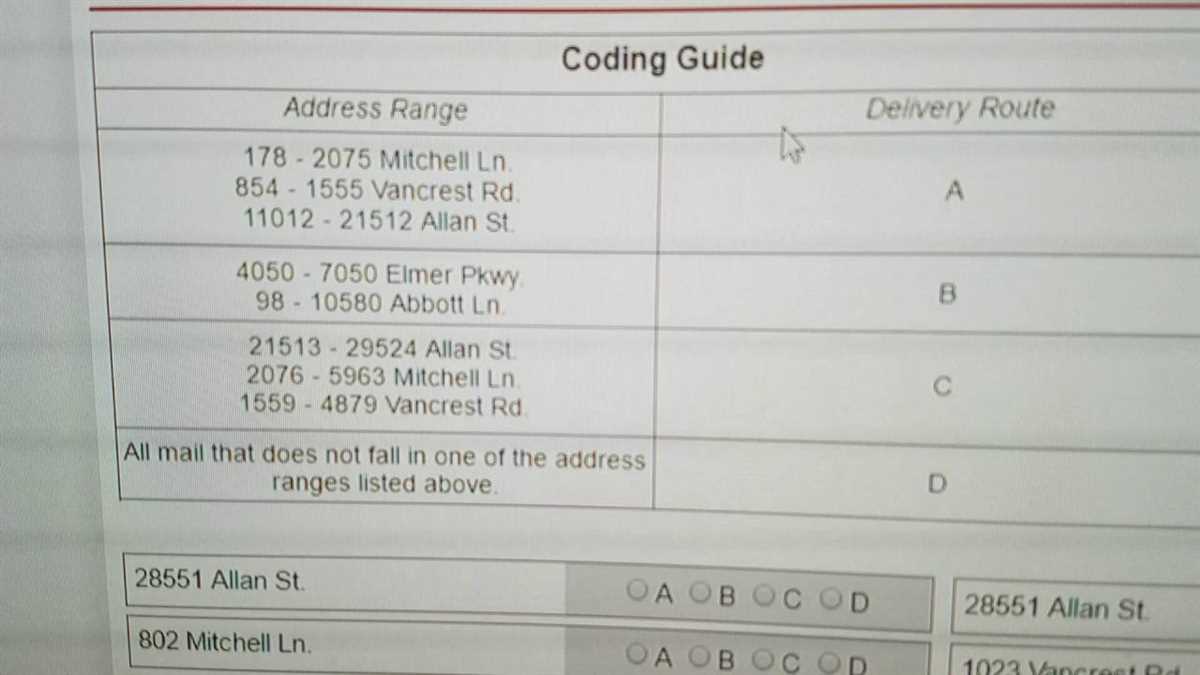
The exam consists of several sections, including a general knowledge section, an address checking section, a memory section, and a coding section. Each section is weighted differently in the scoring process, with some sections carrying more weight than others. For example, the general knowledge section may be worth 40% of the total score, while the address checking section may be worth 30%. This weighting allows the Postal Service to assess the candidate’s proficiency in key areas relevant to the job.
Once the exam is completed, the answer sheets are sent to the Postal Service’s testing facility for scoring. The answer sheets are read by a machine that scans for filled-in bubbles, which indicate the candidate’s responses. These responses are then tallied, and a raw score is calculated. The raw score is then converted into a scaled score using a predetermined conversion table. This scaled score is what determines whether a candidate has passed the exam or not.
It is important for candidates to study and prepare for the Postal Exam to increase their chances of achieving a passing score. There are various study resources available, including practice exams and study guides, which can help individuals become familiar with the type of questions and topics covered on the exam. By dedicating time to study and practice, candidates can improve their knowledge and skills, ultimately increasing their likelihood of success on the Postal Exam.
Understanding the Scoring System
The scoring system for the postal exam plays a crucial role in determining whether a candidate has passed or failed. It is important to have a clear understanding of how the scoring works in order to prepare effectively for the exam and increase the chances of obtaining a passing score.
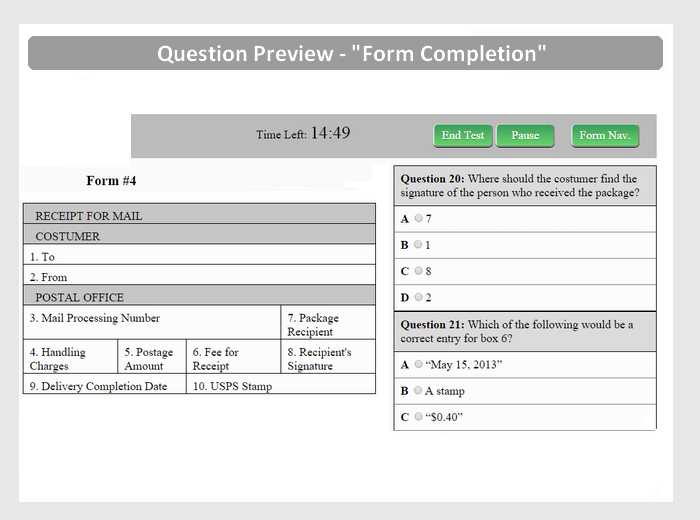
Types of Questions: The postal exam consists of several sections, each containing different types of questions. These may include multiple-choice questions, memory and coding questions, and personal characteristics and experience questions. Each type of question carries a specific weightage in the overall scoring system.
Scoring Method: To determine the final score for the exam, the scores from all sections are combined and weighted according to their respective importance. Some sections may carry more weight than others, depending on the job requirements and the skills needed for the position.
Passing Score: The passing score for the postal exam varies depending on the position being applied for. Different positions may have different passing scores based on the level of skills and knowledge required. It is important to check the specific passing score for the desired position and aim to achieve that score during the exam.
Study Materials and Preparation: Understanding the scoring system can help in focusing the study efforts on the sections that carry more weight. By identifying the key areas to prioritize, candidates can allocate their time and resources effectively to maximize their chances of obtaining a passing score.
- It is recommended to utilize study materials and resources that are specifically tailored to the postal exam scoring system. These materials can provide valuable insights into the types of questions that are likely to be asked and the skills that are assessed.
- Practice exams and sample questions can also be beneficial in familiarizing oneself with the format and content of the exam. By practicing regularly, candidates can improve their speed and accuracy, which are crucial for achieving a passing score.
- Moreover, seeking guidance from professionals or attending preparatory courses can provide additional support in understanding the scoring system and preparing effectively for the postal exam.
By comprehending the scoring system and utilizing appropriate study materials and techniques, candidates can enhance their performance and increase their chances of achieving a passing score in the postal exam.
What is the Passing Score for the Postal Exam?
The passing score for the Postal Exam varies depending on the specific exam being taken. There are several different exams administered by the United States Postal Service (USPS) for different job positions, such as mail carrier, postal clerk, and mail handler. Each exam has its own passing score requirement that candidates must meet in order to be considered for employment.
For example, the passing score for the Postal Exam 473, which is commonly taken by applicants for mail carrier positions, is 70 out of 100. This means that candidates must answer at least 70 out of the 100 questions correctly in order to pass the exam. However, it’s important to note that the passing score is subject to change and can vary for different regions or job positions within the USPS.
Frequently Asked Questions about the Passing Score for the Postal Exam:
- What happens if I don’t meet the passing score?
- Can I study to improve my chances of passing the exam?
- Is the passing score the only factor considered for employment?
If you don’t meet the passing score for the Postal Exam, you will not be considered for employment with the USPS. However, you may have the opportunity to retake the exam at a later date.
Yes, it is recommended to study for the Postal Exam in order to improve your chances of achieving a passing score. There are various study guides and resources available online and at local libraries to help you prepare for the exam.
No, the passing score is just one factor considered for employment with the USPS. Other factors, such as education, work experience, and interview performance, may also be taken into consideration during the hiring process.
Breaking Down the Passing Score Requirement
Passing the postal exam is an important step towards a career in the postal service. To successfully pass the exam, it is crucial to understand the passing score requirement and how it is determined. Let’s break down the passing score requirement to give you a better understanding of what it entails.
The passing score requirement for the postal exam is typically set by the United States Postal Service (USPS) and may vary depending on the specific exam being taken. The passing score is designed to assess an individual’s knowledge, skills, and abilities required for successful job performance in the postal service.
When determining the passing score, the USPS takes several factors into consideration. These may include the difficulty level of the exam, the complexity of the job duties, and the desired qualifications for the position. In some cases, the passing score may be determined based on the performance of a reference group of test-takers who have already demonstrated their ability to perform the job effectively.
To achieve a passing score on the postal exam, it is essential to adequately prepare. This can include studying relevant materials, practicing sample questions, and familiarizing oneself with the exam format. Additionally, it is important to understand the specific areas that will be assessed in the exam, such as general knowledge, coding and memory skills, and address checking abilities.
In conclusion, the passing score requirement for the postal exam is a crucial aspect of the testing process. By understanding how the passing score is determined and adequately preparing, individuals can increase their chances of passing the exam and pursuing a career in the postal service.
Tips to Achieve a Passing Score on the Postal Exam
If you are planning to take the postal exam, it is important to prepare well in order to achieve a passing score. Here are some tips to help you succeed:
1. Familiarize yourself with the exam format: Start by understanding the structure and content of the postal exam. This will give you an idea of what to expect and help you focus your study efforts on the most relevant areas.
2. Practice under timed conditions: Time management is crucial during the exam, so it’s essential to practice answering questions within the given time limits. Set a timer and simulate exam-like conditions to improve your speed and accuracy.
3. Review the study materials: The postal exam study materials provided by the USPS can be a valuable resource. Make sure to thoroughly review the content and understand the concepts covered in the exam. Take notes or create flashcards to help you remember key information.
4. Focus on areas of weakness: Identify your weak areas and spend extra time studying and practicing those topics. Whether it’s memorizing postal codes, improving your reading comprehension skills, or practicing data entry, dedicating extra time to your weak spots can significantly increase your chances of success.
5. Take online practice tests: There are several online resources that offer practice tests specifically designed for the postal exam. Take advantage of these resources to assess your knowledge and identify areas that need improvement. Retake the practice tests until you consistently achieve passing scores.
6. Stay calm and focused during the exam: On the day of the exam, try to remain calm and focused. Manage your time well, read the questions carefully, and answer to the best of your ability. Avoid rushing through the exam, as this can lead to unnecessary mistakes.
- Conclusion: By following these tips and putting in the necessary effort, you can increase your chances of achieving a passing score on the postal exam. Remember to stay focused, practice regularly, and review the study materials thoroughly. Good luck!
Strategies and Techniques to Succeed
In order to pass the postal exam and achieve a high score, it is important to have a strategic approach and employ effective techniques. Here are some strategies that can help you succeed:
- Develop a study plan: Before taking the exam, create a study plan that outlines the topics you need to cover and the amount of time you will dedicate to each one. This will help you stay organized and focused.
- Practice time management: The postal exam is timed, so it is crucial to practice effective time management. Take practice tests and set a target time for answering each question to improve your speed and accuracy.
- Understand the format: Familiarize yourself with the format of the postal exam and the types of questions that may be asked. This will help you know what to expect and how to approach each question.
- Review the material: Take the time to review all of the relevant material for the postal exam. This includes studying the postal regulations, understanding the job requirements, and learning about the postal service’s procedures.
- Use study resources: There are various study resources available, such as practice exams, study guides, and online tutorials. Take advantage of these resources to enhance your understanding of the material and improve your chances of success.
- Seek help if needed: If you are struggling with any particular topic or section of the exam, don’t hesitate to seek help. Reach out to a mentor, study group, or online forum to get clarification and additional support.
By implementing these strategies and techniques, you can increase your chances of achieving a passing score on the postal exam. Remember to stay focused, stay positive, and put in the necessary effort to succeed.