Top 10 PMO Interview Questions and Answers: Download the PDF Guide
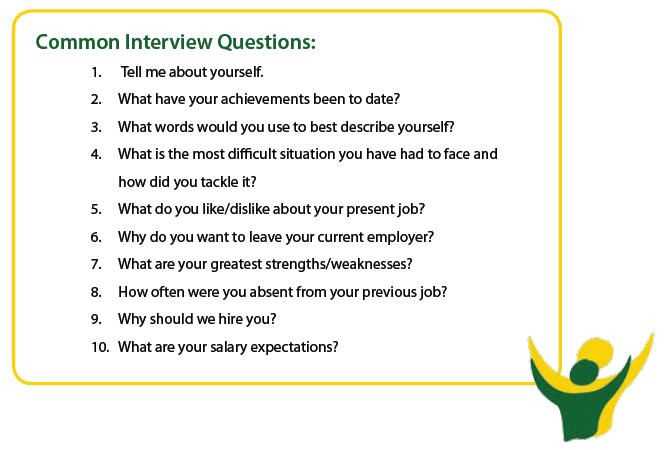
Preparing for a PMO (Project Management Office) interview can be a daunting task. You want to make sure you are fully prepared to showcase your skills, knowledge, and experience in project management. One valuable resource that can help you in your preparation is an interview questions and answers PDF.
This PDF is a compilation of commonly asked PMO interview questions and their corresponding answers. It covers a wide range of topics such as project lifecycle, risk management, stakeholder management, and more. Having access to this PDF can greatly assist you in familiarizing yourself with the types of questions that may be asked during your interview.
By studying the questions and formulating your answers in advance, you can feel more confident and prepared during the actual interview. Additionally, it allows you to showcase your ability to think critically, problem-solve, and provide detailed and well-thought-out responses.
What is a PMO?

A Project Management Office (PMO) is a centralized department or function within an organization that is responsible for the governance and management of projects. It serves as a hub for project-related activities, providing guidance, support, and oversight to ensure that projects are executed successfully and aligned with the organization’s goals and objectives.
The primary role of a PMO is to standardize and streamline project management practices across the organization. This includes establishing project management methodologies, tools, and templates, as well as defining processes and standards for project initiation, planning, execution, monitoring, and closure. By providing a consistent framework, the PMO helps to ensure that projects are executed in a structured and efficient manner, with clear roles and responsibilities for all stakeholders involved.
Furthermore, a PMO serves as a source of expertise and knowledge in project management. It provides guidance and support to project teams, helping them to navigate through challenges and overcome obstacles. The PMO may offer training and development programs to enhance project management skills within the organization, as well as facilitate knowledge sharing and best practice dissemination among project managers and teams.
In addition to project management support, a PMO also plays a crucial role in portfolio management. It helps the organization prioritize and allocate resources to projects based on their strategic value and alignment with business objectives. The PMO typically oversees the project portfolio, monitors its progress, and provides regular updates to senior management, enabling informed decision-making and effective resource allocation.
Overall, a Project Management Office is an essential component of an organization’s project management ecosystem. It provides the necessary structure, guidance, and support to ensure successful project delivery, while also promoting consistency, efficiency, and alignment with strategic goals.
Why is a PMO important for an organization?

A PMO, or Project Management Office, is an essential function within an organization that provides strategic guidance and oversight for projects and initiatives. It plays a crucial role in ensuring that projects are executed efficiently, effectively, and align with the organization’s objectives. Here are some reasons why a PMO is important for an organization:
- Standardization and Consistency: A PMO establishes standardized project management processes, methodologies, and templates, ensuring consistency in project execution across the organization. This helps to streamline project delivery, improve efficiency, and reduce risks.
- Risk Management: The PMO helps the organization identify and mitigate project risks by implementing risk management processes. It provides a centralized view of all ongoing projects, helping to identify potential issues and take appropriate actions to minimize their impact.
- Resource Allocation: A PMO helps optimize resource allocation across projects and ensures that resources are utilized effectively. By centrally managing resource allocation, the PMO can identify any resource constraints or imbalances and make necessary adjustments to ensure projects are adequately staffed.
- Monitoring and Reporting: The PMO tracks project performance and provides regular reporting to stakeholders, management, and executives. It ensures that project objectives are being met, and any deviations or risks are communicated in a timely manner. This enables informed decision-making and proactive management of project portfolios.
- Knowledge Management: A PMO promotes knowledge sharing and learning within the organization by capturing lessons learned from projects and facilitating knowledge transfer. It acts as a repository of best practices, project documentation, and historical project data, enabling teams to leverage past experiences and improve project outcomes.
In summary, a PMO plays a critical role in driving project success and organizational performance. It brings structure, consistency, and efficiency to project management processes, facilitates effective decision-making, and promotes continuous improvement. With the support of a well-functioning PMO, organizations can better manage their projects, achieve strategic objectives, and stay ahead of competition in today’s challenging business environment.
Key Roles and Responsibilities of a PMO
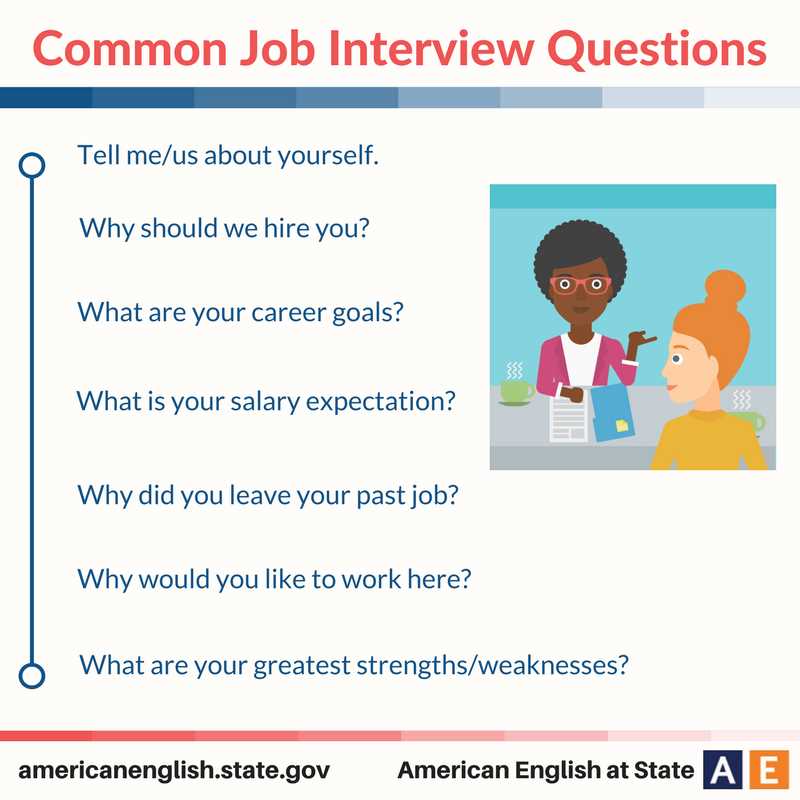
A Project Management Office (PMO) plays a crucial role in ensuring the successful execution of projects within an organization. It provides a centralized and standardized approach to project management, enabling effective decision-making, coordination, and control. The key roles and responsibilities of a PMO include:
1. Project Governance

A PMO establishes project governance frameworks and guidelines to ensure projects align with the organization’s strategic objectives. It defines project management standards, methodologies, and best practices, and ensures that they are followed consistently across the organization. The PMO also oversees project initiation, planning, execution, monitoring, and closing processes to ensure adherence to project governance.
2. Portfolio Management
The PMO plays a critical role in portfolio management, which involves selecting and prioritizing projects based on their strategic value and resource availability. It conducts project evaluations, risk assessments, and cost-benefit analyses to determine the overall project portfolio’s feasibility and alignment with business goals. The PMO also monitors and controls the portfolio’s progress and provides regular updates to stakeholders.
3. Resource Management
The PMO is responsible for resource management, ensuring that the right people with the right skills are allocated to projects. It maintains resource databases, tracks resource utilization, and facilitates resource planning and allocation. The PMO also identifies resource gaps or conflicts and proposes solutions to optimize resource utilization.
4. Performance Monitoring and Reporting

A PMO monitors project performance against established metrics, KPIs, and milestones. It tracks project timelines, budgets, and deliverables to identify any deviations or risks promptly. The PMO generates regular reports and dashboards to communicate project status, progress, and issues to stakeholders, enabling informed decision-making.
5. Continuous Improvement
The PMO is responsible for continuously improving project management processes, tools, and techniques. It conducts post-project evaluations, identifies lessons learned, and shares best practices across the organization. The PMO also provides training and support to project managers, ensuring they have the necessary skills and knowledge to deliver successful projects.
In conclusion, the PMO plays a pivotal role in project management within an organization. By ensuring project governance, portfolio management, resource management, performance monitoring, and continuous improvement, the PMO enhances project success rates and contributes to the overall strategic goals of the organization.
Establishing an Effective PMO
When it comes to establishing an effective PMO (Project Management Office), there are several key steps and considerations to keep in mind. The PMO plays a crucial role in ensuring that projects are planned, executed, and monitored according to best practices and organizational goals. By following certain strategies and approaches, an organization can establish a PMO that is well-equipped to support successful project delivery.
1. Define the PMO’s purpose and goals: Before you can establish an effective PMO, it is essential to clearly define its purpose and goals within your organization. This involves understanding the specific needs and challenges of your organization and aligning the PMO’s objectives with the overall business strategy. By having a clear vision and purpose, the PMO can effectively drive project success.
2. Establish governance and processes: A crucial aspect of the PMO’s role is to establish governance and processes that ensure project consistency and control. This includes defining project management methodologies, templates, and tools, as well as setting up project review and approval mechanisms. By implementing standardized processes and procedures, the PMO can ensure that projects are executed consistently and deliver the desired outcomes.
3. Develop a strong project management team: An effective PMO relies on a strong project management team that possesses the necessary skills and expertise. Recruiting and developing competent project managers and providing ongoing training and support is crucial for ensuring project success. The PMO should also foster a collaborative and supportive environment that encourages knowledge-sharing and continuous improvement.
4. Provide valuable project management support and services: The PMO should offer a range of valuable services and support to project teams and stakeholders. This can include providing project management training, offering project management tools and templates, facilitating communication and collaboration, and conducting regular project reviews and audits. By providing these resources and support, the PMO can help project teams overcome challenges and achieve their objectives.
5. Foster a culture of project management: To establish an effective PMO, it is important to foster a culture of project management within the organization. This involves promoting the value and benefits of project management practices, encouraging project management adoption across departments, and recognizing and rewarding project management excellence. By creating a culture that values project management, the PMO can drive project success and alignment with organizational goals.
Challenges faced by a PMO
A Project Management Office (PMO) plays a crucial role in driving and supporting project success within an organization. However, like any other department, a PMO faces a unique set of challenges that need to be addressed in order to ensure its effectiveness and efficiency. Some of the key challenges faced by a PMO are:
- Lack of organizational support: One of the main challenges faced by a PMO is the lack of support and understanding from the organization. Without the backing and buy-in from senior management, it can be difficult for the PMO to implement and enforce project management standards and processes.
- Resource limitations: PMOs often face resource limitations in terms of budget, staffing, and technology. This can hinder their ability to provide the necessary support and guidance to project teams, especially in larger organizations with multiple ongoing projects.
- Resistance to change: Implementing new project management practices and processes can be met with resistance from employees who are comfortable with the status quo. Change management becomes a critical challenge for the PMO, as it needs to communicate the benefits of the changes and address any concerns or fears.
- Inconsistent project management practices: In organizations where project management practices are not standardized across projects, the PMO faces the challenge of establishing consistent processes and methodologies. This requires the PMO to design and implement frameworks that can be customized to fit different project requirements.
- Lack of project portfolio visibility: Without visibility into the organization’s project portfolio, the PMO faces difficulties in prioritizing projects, allocating resources, and making informed decisions. This challenge can be addressed by implementing project portfolio management tools and creating a centralized repository of project information.
By addressing these challenges, a PMO can enhance its ability to support project success and drive organizational growth. It requires a combination of strong leadership, effective communication, and proactive problem-solving to overcome these hurdles and establish a successful PMO.
Tips for preparing for a PMO interview

Preparation is key when it comes to interviewing for a PMO (Project Management Office) position. Here are some tips to help you ace your PMO interview:
- Research the company: Take the time to thoroughly research the company and its PMO. Familiarize yourself with the company’s goals, projects, and any recent news or developments. This will demonstrate your interest and dedication to the role.
- Understand the role: Make sure you have a clear understanding of the responsibilities and expectations of a PMO. Familiarize yourself with common PMO practices, methodologies, and tools. This will enable you to speak confidently about your experience and align your skills with the requirements of the role.
- Showcase your experience: Prepare specific examples from your previous work experience that highlight your project management skills and how you have contributed to the success of projects. Be sure to mention any experience you have in managing project portfolios, implementing project management methodologies, or leading process improvement initiatives.
- Highlight your soft skills: PMOs require strong communication, leadership, and problem-solving skills. During the interview, emphasize your ability to collaborate with cross-functional teams, communicate effectively with stakeholders, and drive project success by overcoming challenges and obstacles.
- Prepare for behavioral questions: Be ready to answer behavioral questions that assess your past performance and behavior in different project management situations. Practice answering questions that ask about your ability to prioritize tasks, manage conflicts, handle changes, and ensure project deliverables are met.
- Ask thoughtful questions: At the end of the interview, be prepared to ask thoughtful questions about the company’s PMO structure, goals, and any current challenges or initiatives. This will demonstrate your interest in the position and your desire to contribute to the success of the PMO.
By following these tips and adequately preparing for your PMO interview, you will increase your chances of making a positive impression and landing the job. Good luck!