What to Expect During your Pre Solo Test for the Cessna 172: Tips and Advice
The Cessna 172 is a popular single-engine aircraft used for flight training and general aviation purposes. Before a pilot is allowed to fly solo in a Cessna 172, they must pass a pre-solo test. This test is designed to ensure that the pilot has the necessary knowledge and skills to safely operate the aircraft on their own.
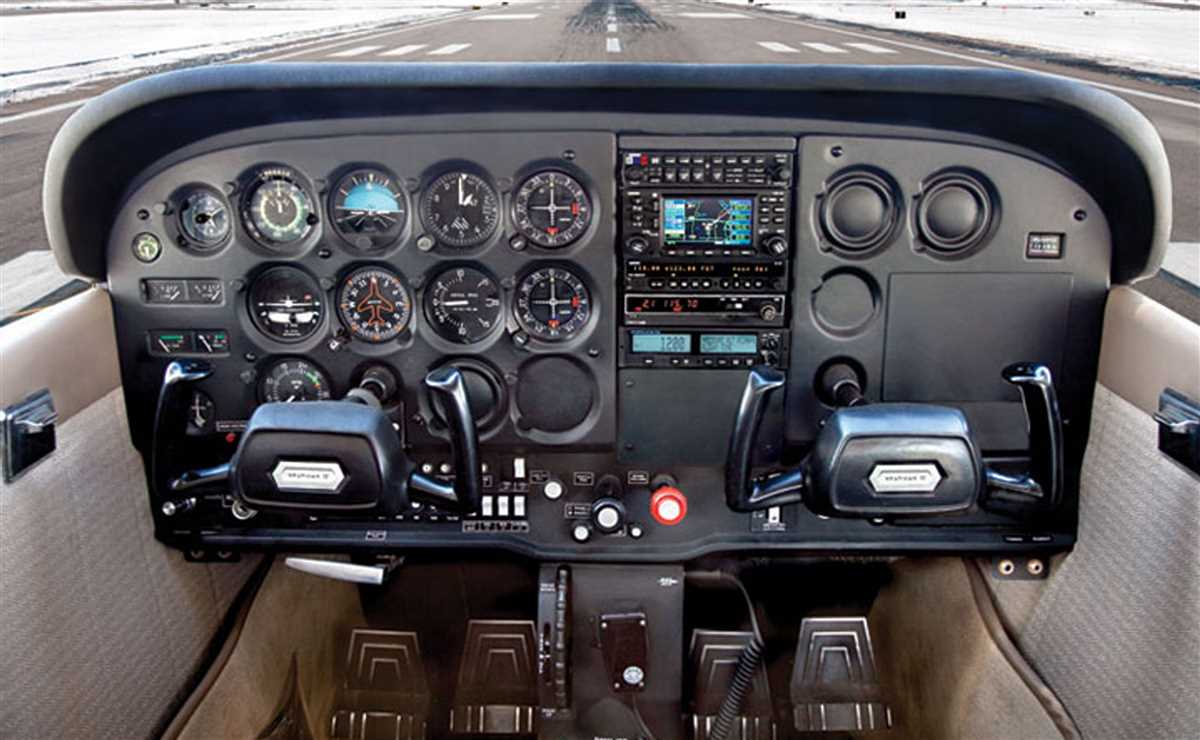
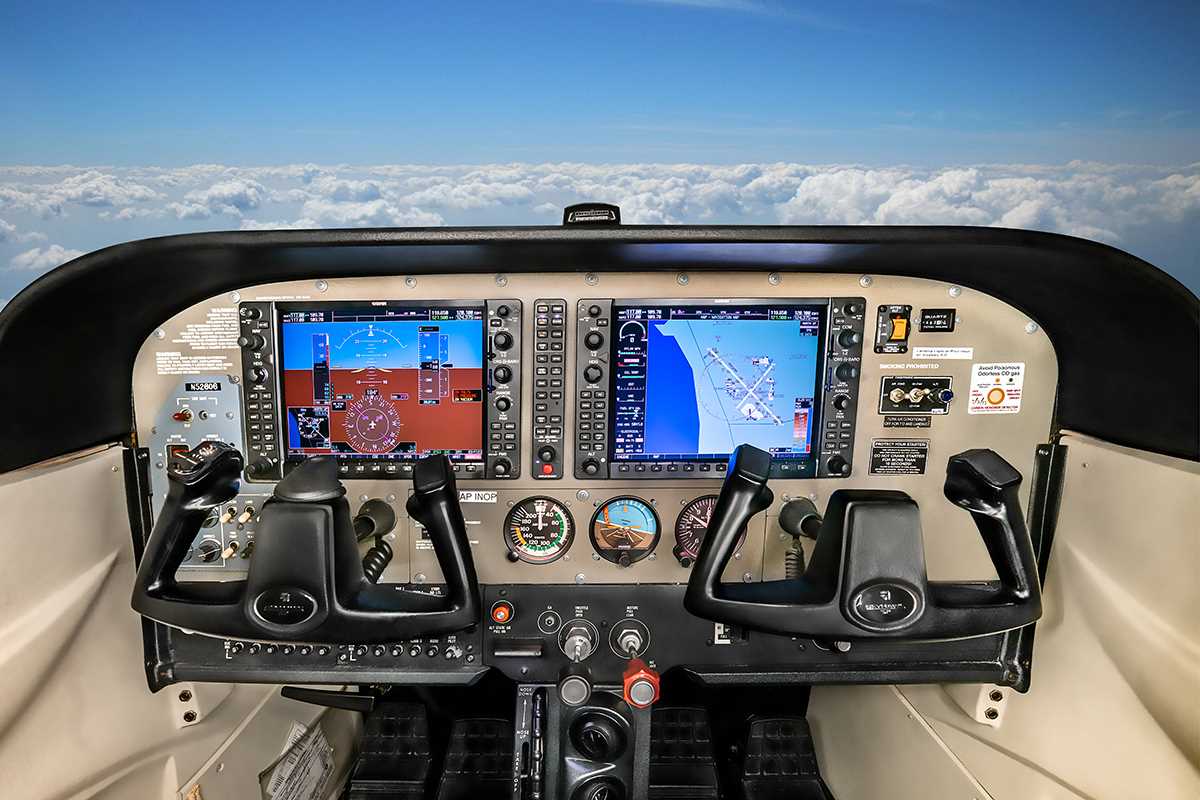
The pre-solo test for a Cessna 172 covers a wide range of topics, including aircraft systems, emergency procedures, navigation, meteorology, and regulations. Pilots must demonstrate a thorough understanding of these areas in order to pass the test. This includes being able to identify and explain the purpose of various switches, controls, and instruments in the cockpit, as well as being able to respond correctly to simulated emergency situations.
In addition to theoretical knowledge, the pre-solo test also assesses a pilot’s practical flying skills. This includes their ability to perform pre-flight inspections, takeoffs, landings, and various flight maneuvers. Pilots must demonstrate precise aircraft control, smooth and coordinated flying, and a good understanding of traffic pattern procedures.
Passing the pre-solo test is an important milestone in a pilot’s training. It signifies that they have reached a level of proficiency that allows them to fly an aircraft on their own, without the supervision of an instructor. However, it is important to note that the pre-solo test is just one step in the overall training process. Pilots must continue to build on their skills and knowledge through further instruction and flight experience to become safe and competent aviators.
What is a Pre Solo Test for Cessna 172?
Before a student pilot can undertake their first solo flight in a Cessna 172 aircraft, they must pass a pre solo test. This test is designed to assess the pilot’s knowledge and skills, ensuring that they are ready for the responsibility and demands of flying solo. The pre solo test covers various aspects of flying, including aircraft systems, emergency procedures, navigation, weather conditions, and regulations.
1. Aircraft Systems: The pre solo test evaluates the student pilot’s understanding of the Cessna 172’s various systems, such as engine operation, fuel system, electrical system, and flight controls. The pilot must demonstrate their knowledge of how these systems work and their ability to troubleshoot potential issues.
2. Emergency Procedures: Flying solo requires the pilot to be prepared for any emergency situation. The pre solo test assesses the student pilot’s knowledge of emergency procedures, such as engine failure, electrical failure, and the use of emergency equipment like fire extinguishers and first aid kits.
3. Navigation: A crucial skill for any pilot is the ability to navigate and fly to different destinations. The pre solo test includes questions on navigation techniques, chart reading, understanding airspace, and interpreting navigational aids like VORs (VHF Omni-directional Range) and GPS (Global Positioning System).
4. Weather Conditions: Safety is paramount in aviation, and pilots must have an understanding of weather conditions and their potential impact on flight. The pre solo test covers topics such as reading weather reports, assessing weather hazards, and making go/no-go decisions based on weather conditions.
5. Regulations: Aviation operates within a strict regulatory framework, and pilots must adhere to these regulations to ensure safe and lawful operation. The pre solo test assesses the student pilot’s knowledge of aviation regulations, including airspace classifications, right-of-way rules, and pre-flight planning requirements.
Overall, the pre solo test for Cessna 172 is an important step towards solo flight. It ensures that student pilots have a solid foundation of knowledge and skills before they take to the skies on their own. By passing this test, pilots demonstrate their readiness to handle the responsibilities and challenges of flying solo in a Cessna 172 aircraft.
Pre Solo Test: An Essential Step in Flight Training
In the world of aviation, safety is of utmost importance. This is why flight training programs include rigorous testing and evaluation to ensure that pilots are thoroughly prepared before they fly solo. One crucial milestone in flight training is the pre-solo test, which serves as an essential step in the process of becoming a capable and competent pilot.
The pre-solo test is designed to assess a pilot’s knowledge and understanding of various critical aspects of flying. It covers a range of topics, including aircraft systems, emergency procedures, navigation, weather conditions, and regulations. Pilots must demonstrate their proficiency in these areas to prove their readiness to fly solo. The test is usually administered by flight instructors and incorporates both written and oral components.
The written portion of the pre-solo test typically includes multiple-choice questions that evaluate the pilot’s theoretical knowledge. It assesses their understanding of aviation rules, aerodynamics, and operating procedures. Pilots must display a solid grasp of these fundamental concepts to ensure their ability to make informed decisions in the air. They are required to study and review relevant materials, such as aircraft manuals, pilot handbooks, and regulatory documents, to prepare for this portion of the test.
The oral component of the pre-solo test involves a face-to-face examination with a flight instructor. During this phase, pilots are expected to explain and demonstrate their knowledge of aircraft systems, emergency procedures, and their ability to interpret aviation charts and weather reports. The instructor will ask questions and assess the pilot’s ability to respond accurately and confidently. This part of the test also evaluates the pilot’s communication skills, situational awareness, and ability to effectively analyze and manage potential risks.
- To pass the pre-solo test, pilots must demonstrate a comprehensive understanding of aviation principles and procedures. Successful completion of this evaluation indicates that they possess the necessary knowledge and skills to fly solo safely.
- This test is a crucial step in flight training as it ensures that pilots have the necessary competency to handle various situations that may arise during solo flights. It helps identify potential knowledge gaps or areas that require further improvement before a pilot is allowed to fly without instructor supervision.
- Undertaking the pre-solo test provides pilots with an opportunity to gain confidence in their abilities and reinforce their learning. It serves as a checkpoint to evaluate their progress and readiness for solo flight, which is a significant milestone in any pilot’s training journey.
- In conclusion, the pre-solo test is an essential step in flight training. It tests a pilot’s knowledge, skills, and decision-making abilities, ensuring their preparedness for solo flight. By successfully completing this evaluation, pilots can feel confident in their abilities and take their next steps towards becoming licensed pilots.
Why is a Pre Solo Test Necessary for Cessna 172?
Before a student pilot is allowed to fly a Cessna 172 solo, they must successfully complete a pre solo test. This test is necessary to ensure that the student pilot has acquired the necessary knowledge and skills to safely operate the aircraft on their own. The test covers various topics related to aircraft systems, emergency procedures, navigation, airspace regulations, and weather conditions. It serves as a crucial evaluation tool to determine if the student is ready to handle the responsibilities and challenges of solo flying.
The pre solo test for a Cessna 172 aims to assess the student pilot’s understanding and application of the concepts taught during their training. It tests their knowledge of the aircraft’s instruments, controls, and systems, as well as their ability to handle different flight scenarios. By successfully passing the test, the student pilot demonstrates that they can effectively operate the aircraft, make informed decisions, and respond to emergencies or unexpected situations.
The pre solo test also helps to instill a sense of confidence and self-reliance in the student pilot. It requires them to demonstrate their competence and readiness to take full control of the aircraft without the assistance of an instructor. Through rigorous preparation and study, the test encourages students to develop a deep understanding of aviation principles and practices, and to cultivate good judgment and decision-making skills. Ultimately, the pre solo test serves as a crucial milestone in a student pilot’s journey towards becoming a licensed and proficient pilot.
What Topics are Covered in a Pre Solo Test for Cessna 172?
Before being allowed to fly solo in a Cessna 172, aspiring pilots must pass a pre solo test to demonstrate their knowledge and skills in various areas of aviation. This test includes a comprehensive examination of topics that are essential for safe and successful flying. The test typically covers subjects such as aircraft systems, aerodynamics, navigation, weather, regulations, emergency procedures, and decision-making.
Aircraft Systems: The pre solo test for a Cessna 172 includes questions about different systems of the aircraft, such as the fuel system, electrical system, engine operations, and instrument indications. Pilots are required to have a thorough understanding of how these systems function and how to troubleshoot any potential issues that may arise during a flight.
Aerodynamics: A solid understanding of aerodynamics is crucial for safe flying. The pre solo test may include questions about the four forces of flight (lift, weight, thrust, and drag), the principles of weight and balance, stalls, and the effects of controls on the aircraft’s attitude and performance.
Navigation: Pilots must be able to navigate accurately to their intended destinations. The pre solo test may cover topics such as interpreting aeronautical charts, calculating headings and groundspeeds, using navigation aids, and understanding airspace classifications and restrictions.
Weather: Weather conditions can have a significant impact on flight safety. Pilots must be knowledgeable about weather theory, forecasting, and interpreting weather reports and forecasts. The pre solo test may include questions about cloud formations, weather hazards, METAR and TAF reports, and weather-related flight planning considerations.
Regulations: Knowledge of aviation regulations is essential for maintaining safe and legal operations. The pre solo test may include questions about airspace rules, right-of-way rules, the proper use of radio communications, and the privileges and limitations of a student pilot certificate.
Emergency Procedures: In the event of an emergency, pilots must be able to respond quickly and effectively. The pre solo test may cover emergency procedures such as engine failures, electrical failures, loss of communication, and how to safely land the aircraft in different emergency scenarios.
Decision-Making: Good decision-making skills are crucial for safe flying. The pre solo test may include questions that assess a pilot’s ability to make informed decisions based on weather conditions, aircraft performance, and regulatory requirements. Pilots must be able to prioritize safety and adapt their plans as needed.
Overall, the pre solo test for a Cessna 172 covers a wide range of topics that are essential for safe and proficient flying. It is important for aspiring pilots to study and prepare thoroughly in order to pass this test and demonstrate their readiness to fly solo.
Preparing for the Pre Solo Test: Tips and Recommendations

Before embarking on your solo flight in a Cessna 172, it is essential to pass the pre solo test. This test is designed to assess your knowledge and skills, ensuring that you are fully prepared for the responsibilities and challenges of flying solo. To help you succeed in this test, here are some tips and recommendations to follow:
1. Study the Cessna 172 Pilot Operating Handbook (POH)
The POH is your go-to resource for all the necessary information about the aircraft. Familiarize yourself with the different systems, controls, and emergency procedures. Pay particular attention to the pre-flight checklist, weight and balance calculations, and operational limitations. The more you know about the aircraft, the better prepared you will be for the test.
2. Review the Airman Certification Standards (ACS)
The ACS provides a comprehensive outline of what knowledge and skills you will be tested on. Take the time to review the applicable sections and ensure you are confident in each area. The ACS will guide you in understanding the specific tasks you need to master, such as airport operations, navigation, emergency procedures, and communication with air traffic control.
3. Practice with a Certified Flight Instructor (CFI)
Your CFI will be your mentor and guide throughout your training. Take advantage of their expertise and schedule additional practice sessions to reinforce your knowledge and skills. Use these sessions to focus on any areas where you feel less confident and seek feedback from your instructor to improve your performance.
4. Memorize the Emergency Procedures
In the event of an emergency, you need to be able to react quickly and effectively. Take the time to memorize the emergency procedures outlined in the POH. Practice simulated emergency scenarios with your CFI to ensure you can respond appropriately. Being well-prepared for emergencies will not only help you pass the test but will also give you confidence when flying solo.
5. Review the Solo Flight Plan
Prior to the test, review the solo flight plan with your CFI. Ensure you understand the route, checkpoints, and any specific instructions. Familiarize yourself with the airspace in which you will be flying and know the communication procedures with air traffic control. Being well-prepared and knowledgeable about your solo flight plan will demonstrate your readiness for flying solo.
By following these tips and recommendations, you can ensure that you are fully prepared for the pre solo test. Remember to stay focused, stay calm, and trust in your training. Good luck!
Common Mistakes to Avoid in the Pre Solo Test for Cessna 172
Before soloing a Cessna 172, pilots are required to pass a pre solo test to ensure they have the necessary knowledge and skills to fly the aircraft safely. However, there are several common mistakes that students often make during this test that can lead to a failed or unsatisfactory result. It is important to be aware of these mistakes and take steps to avoid them in order to successfully complete the pre solo test.
1. Lack of preparation
One of the biggest mistakes students make in the pre solo test is not adequately preparing for it. This includes not studying the necessary materials, not reviewing important procedures, and not practicing the required maneuvers. It is essential to thoroughly study the aircraft’s systems, flight instruments, airworthiness requirements, emergency procedures, and flight regulations. Additionally, practice performing maneuvers such as takeoffs, landings, steep turns, and stalls to ensure proficiency.
2. Failure to demonstrate proper aircraft inspection
During the pre solo test, pilots are required to demonstrate their ability to properly inspect the aircraft before flight. This includes checking for any signs of damage or malfunction, verifying fuel levels, checking the oil, examining the tires, inspecting the control surfaces, and ensuring all necessary documents are on board. Students often make the mistake of overlooking or forgetting some of these inspection steps, which can result in a failed test. It is important to carefully follow the checklist and perform a thorough aircraft inspection every time.
3. Inability to accurately perform radio communications
Radio communication is a vital part of flying, and it is crucial to demonstrate the ability to effectively communicate with air traffic control during the pre solo test. Students often make mistakes in radio procedures, such as using incorrect phraseology, failing to read back clearances correctly, or not properly listening to and understanding instructions. It is essential to study and practice radio communication procedures to avoid these mistakes and ensure smooth and accurate communication with ATC.
4. Inadequate understanding of airspace and navigation
Another common mistake in the pre solo test is a lack of understanding of airspace and navigation. Pilots must demonstrate knowledge of different types of airspace, including controlled and uncontrolled airspace, as well as restrictions and required clearances. Additionally, they need to understand various navigation tools, such as maps, charts, and navigational aids. Failing to demonstrate this knowledge can result in a failed test. It is crucial to thoroughly study and understand these concepts and be confident in applying them during the pre solo test.
5. Poor decision-making and judgment

Lastly, poor decision-making and judgment are common mistakes that can lead to a failed pre solo test. Pilots need to demonstrate good decision-making skills and sound judgment in various scenarios, such as weather conditions, emergency situations, and flight planning. Students often make mistakes by not considering all factors or making rushed or unsafe decisions. It is important to think critically, analyze situations carefully, and make informed decisions based on safety and regulatory considerations.
By being aware of these common mistakes and actively working to avoid them, pilots can increase their chances of successfully passing the pre solo test for the Cessna 172. Preparation, attention to detail, effective communication, understanding of airspace and navigation, and good decision-making skills are key to achieving a satisfactory result in the test.
Final Thoughts on the Pre Solo Test for Cessna 172
The pre solo test for Cessna 172 is an important step in the journey towards becoming a solo pilot. It is designed to assess the knowledge and skills necessary to fly the aircraft safely and confidently. The test covers various aspects of flight training, including aerodynamics, aircraft systems, regulations, and emergency procedures. By successfully completing this test, pilots demonstrate their understanding of these crucial elements and their readiness for solo flight.
Throughout the pre solo test, aspiring pilots must demonstrate their ability to apply theoretical knowledge to real-life flight scenarios. They are expected to showcase their understanding of aircraft control, navigation, communication, weather interpretation, and decision-making. This test is not only a way to evaluate pilots’ knowledge but also serves as a reminder of the importance of thorough preparation and continuous learning in aviation.
To succeed in the pre solo test for Cessna 172, pilots should dedicate ample time to study and practice. They should familiarize themselves with the aircraft’s systems, review the relevant regulations, and develop a strong understanding of the principles of flight. It is crucial to approach this test with a mindset of continuous improvement, viewing each question or scenario as an opportunity to enhance one’s knowledge and skills.
Furthermore, pilots should not hesitate to seek clarification or guidance from their flight instructors throughout the preparation process. Instructors are valuable resources who can provide insights, explanations, and practical advice to help pilots succeed in their pre solo test and beyond. Engaging in open communication and actively seeking feedback can greatly contribute to a pilot’s growth and development.
In conclusion, the pre solo test for Cessna 172 serves as an important benchmark in a pilot’s training journey. It assesses crucial knowledge and skills required for safe and confident flying. By approaching this test with dedication, continuous learning, and open communication with instructors, pilots can successfully demonstrate their readiness for solo flight. Remember, this test is not only about passing; it is about becoming a competent and knowledgeable pilot who can handle various flight scenarios with confidence and proficiency.