The Ultimate Guide to Acing Your Prophecy RN Pharmacology Exam
Preparing for the Prophecy RN Pharmacology exam can be a daunting task for many nursing students. This exam is designed to assess a nurse’s knowledge and understanding of pharmacology, including drug classifications, indications, side effects, and nursing interventions. It is a comprehensive exam that covers a wide range of topics, and success on the exam is crucial for nurses who want to advance in their careers.
One of the key challenges in preparing for the Prophecy RN Pharmacology exam is the vast amount of information that needs to be learned and retained. Nurses must have a deep understanding of the pharmacokinetics and pharmacodynamics of various medications, as well as the specific considerations for different patient populations. This requires a significant amount of studying and memorization, which can be overwhelming for many students.
Another challenge is the time constraints of the exam. The Prophecy RN Pharmacology exam is timed, and nurses are often required to answer a large number of questions in a short amount of time. This can add to the pressure and stress of the exam, making it even more difficult for nurses to perform at their best.
What to Expect from the Prophecy RN Pharmacology Exam
Pharmacology is a critical component of nursing practice, and being knowledgeable in this field is essential for providing safe and effective patient care. The Prophecy RN Pharmacology Exam is designed to assess a nurse’s knowledge and competency in pharmacology. This exam is commonly used by healthcare facilities as a part of the hiring process, as well as for ongoing competency assessment.
The Prophecy RN Pharmacology Exam covers a wide range of topics related to pharmacology, including drug classifications, medication administration, pharmacokinetics, adverse drug reactions, and drug interactions. It tests your understanding of both theoretical concepts and practical application. This exam requires a solid foundation of pharmacology knowledge and the ability to critically think through complex medication-related scenarios.
Key Areas Covered in the Exam:
- Drug Classifications: Expect questions that assess your knowledge of different drug classes and their respective mechanisms of action, indications, contraindications, and side effects.
- Medication Administration: Be prepared to demonstrate your understanding of safe medication administration practices, including dosage calculation, routes of administration, and proper handling and storage of medications.
- Pharmacokinetics: You may encounter questions related to pharmacokinetics, such as absorption, distribution, metabolism, and excretion of drugs in the body.
- Adverse Drug Reactions: Expect questions that evaluate your ability to identify and manage adverse drug reactions, as well as your knowledge of common side effects associated with different medications.
- Drug Interactions: The exam may test your understanding of potential drug interactions, including drug-drug interactions, drug-food interactions, and drug-supplement interactions.
Preparing for the Prophecy RN Pharmacology Exam requires a thorough review of pharmacology concepts and an understanding of how these concepts apply to nursing practice. It is recommended to study from reliable pharmacology textbooks, practice drug calculations, and review case studies to enhance your critical thinking skills. Additionally, taking practice tests and participating in pharmacology review courses can help familiarize you with the exam format and improve your overall performance.
Overview
In the field of pharmacology, understanding the principles of drug actions and interactions is crucial for safe and effective patient care. Prophecy is a widely recognized provider of online clinical assessments, including exams focused on pharmacology. The Prophecy RN Pharmacology Exam is designed to evaluate a nurse’s knowledge and comprehension of pharmacology principles and concepts.
The exam consists of multiple-choice questions that cover various topics, including drug classifications and their mechanisms of actions, pharmacokinetics, pharmacodynamics, adverse drug reactions, and medication administration. It assesses a nurse’s ability to identify appropriate medication interventions, prioritize nursing actions, and apply knowledge of pharmacology principles to patient care scenarios.
By successfully completing the Prophecy RN Pharmacology Exam, nurses can demonstrate their proficiency in pharmacology and enhance their credibility in the field. This exam helps employers assess the competency of their nursing staff and ensures that they possess the necessary knowledge to provide safe and effective medication management. Additionally, the exam can also be used as a study tool for nurses who want to review and reinforce their pharmacology knowledge.
Overall, the Prophecy RN Pharmacology Exam is an essential assessment tool for nurses that allows them to demonstrate their proficiency in pharmacology and ensures that they can provide safe and effective medication management in their practice.
Exam Format
The Prophecy RN Pharmacology Exam is a comprehensive assessment that evaluates the knowledge and understanding of pharmacology concepts for registered nurses. The exam format consists of multiple-choice questions designed to test the nurse’s ability to apply pharmacological principles in practice.
The exam consists of 100 questions, with a time limit of 2 hours to complete. These questions cover a wide range of topics, including drug classifications, pharmacokinetics, pharmacodynamics, medication administration, adverse drug reactions, and patient education. The questions are designed to assess the nurse’s knowledge and understanding of drug therapy, as well as their ability to prioritize and make safe clinical decisions related to pharmacology.
In addition to multiple-choice questions, the exam may also include drug calculation questions, where the nurse must calculate the correct dosage of a medication based on certain parameters. These questions assess the nurse’s ability to accurately calculate drug dosages and ensure safe administration.
To prepare for the exam, nurses should review their pharmacology textbooks and study guides, as well as practice answering sample questions and completing drug calculations. It is important to have a solid understanding of pharmacological principles and medication safety to perform well on the exam and provide safe and effective medication administration in clinical practice.
Study Tips and Resources
Preparing for a pharmacology exam can be challenging, but with the right study tips and resources, you can improve your chances of success. Here are some tips to help you study effectively:
- Create a study schedule: Allocate specific time slots each day to study pharmacology. This will help you stay organized and ensure that you cover all the necessary topics before the exam.
- Review lecture notes: Go through your lecture notes and highlight key concepts, drug names, and important information. Summarize the material in your own words to enhance your understanding and retention.
- Utilize flashcards: Create flashcards for different drugs, their mechanisms of action, side effects, and important drug interactions. Regularly review these flashcards to reinforce your memory.
- Practice with past exams: Obtain past pharmacology exams and practice answering the questions under exam conditions. This will familiarize you with the format of the exam and help you identify any knowledge gaps.
- Join study groups: Collaborate with your classmates and form a study group. Discussing pharmacology concepts and teaching each other can deepen your understanding and provide different perspectives.
- Use online resources: Take advantage of online resources such as educational websites, interactive quizzes, and video lectures. These resources can help reinforce your understanding and provide additional explanations.
Remember that studying pharmacology requires regular practice and active engagement with the material. Be sure to take regular breaks, stay hydrated, and get enough sleep to optimize your studying experience. Good luck with your exam!
Commonly Tested Topics
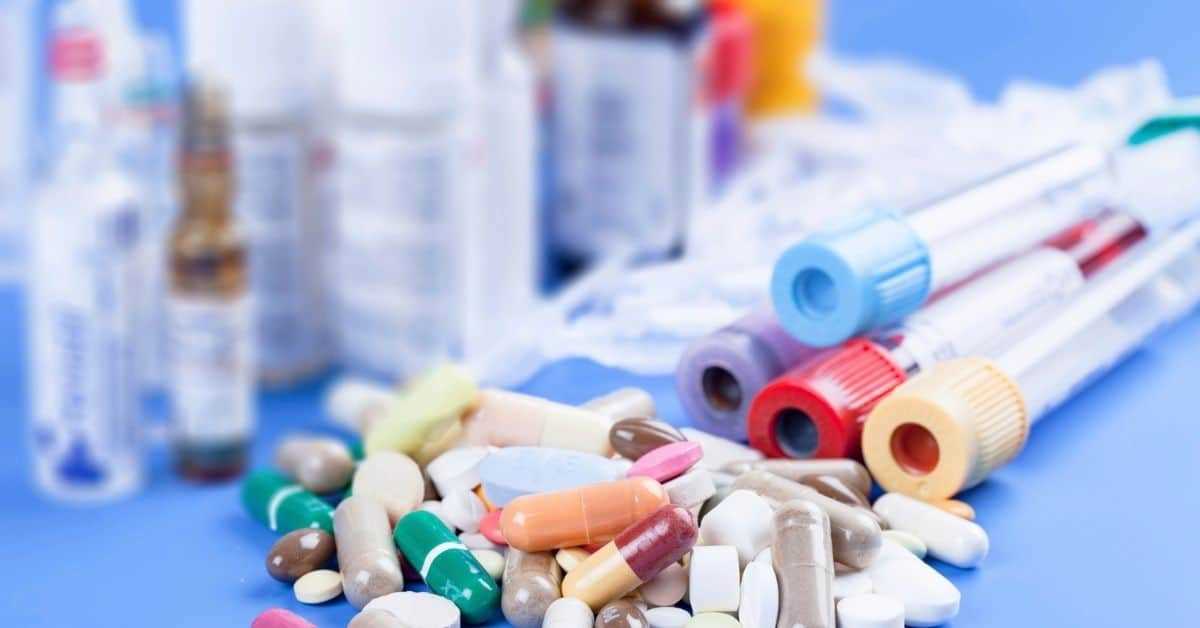
When preparing for the Prophecy RN Pharmacology exam, it is important to focus on the commonly tested topics. These topics may cover a variety of subjects, including the pharmacology of specific drug classes, medication administration techniques, and the principles of pharmacokinetics and pharmacodynamics.
Pharmacology of specific drug classes: One of the frequently tested areas is the knowledge of different drug classes and their mechanisms of action. This includes understanding the pharmacokinetics and pharmacodynamics of drugs such as anticoagulants, beta-blockers, diuretics, and antidiabetic medications. It is essential to have a solid grasp of the indications, contraindications, adverse effects, and nursing implications for each drug class.
Medication administration techniques: Another key area of focus is the proper administration of medications. It is important to understand the different routes of administration, such as oral, intravenous, intramuscular, and subcutaneous. In addition, knowledge of medication calculation, dosage calculations, and the use of different medication administration devices, such as syringes and infusion pumps, is crucial.
Principles of pharmacokinetics and pharmacodynamics: Understanding the principles of pharmacokinetics and pharmacodynamics is vital for nurses who work with medications. Topics such as drug absorption, distribution, metabolism, and excretion, as well as drug-receptor interactions, dose-response relationships, and drug interactions, are commonly tested. It is important to have a strong foundation in these concepts to ensure safe and effective medication administration.
- Pharmacology of specific drug classes
- Medication administration techniques
- Principles of pharmacokinetics and pharmacodynamics
Test Day Preparation
Preparing for a pharmacology exam can be a daunting task, but with the right approach and a solid study plan, you can ensure a successful test day. Prioritizing your preparation, reviewing essential topics, and practicing with exam-style questions are key strategies to excel in your pharmacology exam.
Prioritize Your Preparation: Start by identifying the areas of pharmacology that you find most challenging or need more practice with. Allocate more time to these topics to ensure a thorough understanding. Create a study schedule that allows you to cover all the necessary material while giving extra attention to your weak areas.
Review Essential Topics: Go through your lecture notes, textbooks, and any supplementary materials to revise the key concepts and principles in pharmacology. Focus on understanding drug classes, mechanisms of action, pharmacokinetics, adverse effects, and drug interactions. Make use of visuals, such as diagrams and flowcharts, to aid your understanding and retention of the information.
Practice with Exam-Style Questions: Familiarize yourself with the format and types of questions that may appear in your pharmacology exam. Look for practice questions in your textbooks, online resources, or question banks specifically designed for pharmacology. Aim to work through a variety of question types, including multiple-choice, fill-in-the-blank, and case-based questions, to develop your problem-solving and critical thinking skills.
Stay Calm and Confident: On the day of the exam, try to remain calm and confident in your preparation. Take deep breaths, maintain a positive mindset, and trust in your abilities. Avoid cramming or last-minute studying, as this can increase anxiety and hinder your performance. Remember to get a good night’s sleep before the exam and fuel your body with a nutritious meal to ensure optimal concentration and focus.
During the Exam: Read each question carefully and thoroughly before selecting your answer. Pay attention to keywords and qualifiers that may change the meaning of the question. If you are unsure about an answer, make an educated guess or mark the question for review and come back to it later. Manage your time effectively, ensuring that you have enough time to answer every question within the allotted timeframe.
After the Exam: Reflect on your performance and identify areas where you could improve. Take note of any questions or topics that you found particularly challenging and seek further clarification if needed. Use your exam experience to guide your future study efforts and exam preparation.
By following these test day preparation strategies, you can approach your pharmacology exam with confidence and maximize your chances of achieving a successful outcome.
#
Next Steps After the Exam
Congratulations on completing your RN Pharmacology Exam! It’s a great accomplishment to have made it through such a challenging test. Now that the exam is over, it’s time to focus on what comes next. Here are a few steps you can take:
1. Take some time to relax and decompress:
After putting in all that hard work and effort, it’s important to give yourself a break. Take some time to unwind and do something you enjoy. This will help you recharge and mentally prepare for the next phase.
2. Reflect on the exam experience:
Think back on the exam and reflect on how you approached it. Were there any areas where you felt confident? Were there any topics that you struggled with? Reflecting on your performance can help you identify areas for improvement in your future studies.
3. Review your results:
Once the exam results are available, take the time to review them thoroughly. This will help you understand how well you did and identify any areas where you may need additional review or practice.
4. Plan your next steps:
Based on your performance and reflection on the exam, create a plan for your next steps. Determine which areas you need to focus on and set goals for yourself. This will help you stay organized and motivated as you continue your journey.
5. Seek additional support or resources:
If you feel like you need extra help with certain topics or concepts, don’t hesitate to seek additional support. Reach out to your instructors or classmates, or explore online resources to further enhance your understanding.
6. Stay consistent with your studies:
Lastly, remember that learning is an ongoing process. It’s important to stay consistent with your studies and continue to review and practice even after the exam. This will help reinforce your knowledge and ensure that you retain the information for the long term.
Remember, passing the RN Pharmacology Exam is just one step on your journey to becoming a successful registered nurse. By taking these next steps, you’ll be on your way to further growth and success in your nursing career.
Q&A:
What should I do right after the exam?
Immediately after the exam, take a deep breath and relax. You’ve worked hard, and now it’s time to rest and rejuvenate.
How should I handle waiting for the results?
Waiting for the exam results can be stressful, but try to stay positive and keep yourself busy. Engage in activities you enjoy and trust that you’ve done your best.
What if I didn’t perform as well as I hoped?
If you are disappointed with your performance, do not be too hard on yourself. Assess your strengths and weaknesses, identify areas that need improvement, and make a plan to work on them for future exams.
Should I discuss the exam with my classmates?
It’s up to you whether or not you want to discuss the exam with your classmates. Some students find it helpful to debrief and compare answers, while others prefer to reflect on their own performance.
What should I do if I feel uncertain about my career path after the exam?
If the exam has made you question your chosen career path, take some time to explore other options. Research different fields, talk to professionals, and seek guidance from career counselors to help you make an informed decision.