10 Thought-Provoking Psychology Midterm Exam Questions

In psychology, understanding the human mind and behavior is essential to gaining insight into the complexities of human nature. The midterm exam is a crucial milestone in any psychology course, as it tests students’ knowledge and comprehension of various theories, concepts, and principles.
During the midterm exam, students are challenged to recall and apply their understanding of key topics such as cognitive processes, learning theories, personality development, and psychological disorders. They must analyze scenarios, make connections between theories and real-life examples, and critically evaluate research studies.
This article explores some potential psychology midterm exam questions that may help students prepare for their upcoming assessments. It covers a wide range of topics, including memory and forgetting, sensation and perception, the nature-nurture debate, psychological therapies, and ethical considerations in psychological research.
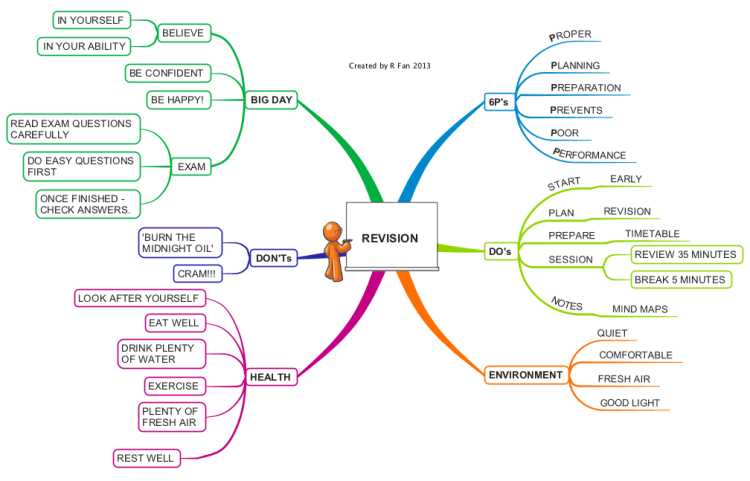
By reviewing these questions, students can gain a better understanding of the subject matter, identify any gaps in their knowledge, and develop effective strategies to excel in their psychology midterm exams. It is important to approach these questions with a critical mindset, as understanding the underlying concepts and applying them to relevant scenarios is the key to success in psychology.
Psychology Midterm Exam Questions
In a psychology midterm exam, students can expect to be tested on a wide range of topics related to the field of psychology. These questions will assess their understanding of key concepts, theories, and research methods that are fundamental to the study of human behavior and mental processes.
One possible question that may be asked is to explain the nature versus nurture debate in psychology. Students may be required to provide examples of how genetics and environment interact to shape individual differences in behavior and intelligence. They may also need to discuss the different perspectives within this debate, such as the biological, cognitive, and sociocultural perspectives.
Another likely question could focus on the various approaches and theories in psychology. Students might be asked to compare and contrast the different perspectives, including psychoanalysis, behaviorism, humanism, and cognitive psychology. They may need to analyze how each approach explains human behavior and discuss the strengths and limitations of each theory.
Furthermore, students may be tested on research methods in psychology. They might be asked to analyze the strengths and weaknesses of experimental, correlational, and observational studies. They could be required to identify the different components of a research study, such as the independent and dependent variables, control group, and experimental group. Students may also be asked to evaluate the ethical considerations that researchers need to take into account when conducting studies with human participants.
The Basics of Psychology

Psychology is the scientific study of the mind and behavior. It encompasses a wide range of topics and approaches, seeking to understand and explain how individuals think, feel, and act. This field of study is based on empirical evidence and utilizes various research methods to uncover patterns and principles underlying human behavior.
Psychologists specialize in different areas, such as cognitive psychology, social psychology, developmental psychology, and clinical psychology. Cognitive psychology focuses on studying mental processes, such as perception, memory, thinking, and problem-solving. Social psychology examines how individuals are influenced by others and how they interact in social situations. Developmental psychology explores human growth and changes throughout the lifespan. Clinical psychology focuses on diagnosing and treating mental disorders.
Psychologists use various research methods to study human behavior, such as experiments, surveys, and observations. Experiments involve manipulating variables to determine cause-and-effect relationships. Surveys collect data through questionnaires and interviews to understand attitudes and behaviors. Observations involve systematically watching and recording behavior in natural or structured settings.
- Psychology has both theoretical and applied aspects. Theoretical psychology aims to develop theories and models to explain and understand human behavior. Applied psychology, on the other hand, applies psychological principles to practical situations, such as improving mental health, enhancing workplace performance, and promoting well-being.
- Psychological theories and concepts have practical applications in various fields, including education, business, sports, and healthcare. For example, understanding principles of learning can inform teaching methods, and knowledge of social psychology can help improve teamwork and leadership.
- Psychology is a dynamic field, constantly evolving with new research and findings. It is interdisciplinary, drawing from other scientific disciplines such as neuroscience, anthropology, sociology, and biology. This interdisciplinary approach allows psychologists to have a comprehensive understanding of human behavior.
- Psychology also plays a crucial role in promoting mental health and well-being. Psychologists work in clinical settings, offering therapy and counseling to individuals and families. They also conduct research on mental illnesses and develop interventions and treatments to improve mental health outcomes.
In conclusion, psychology is a multifaceted field that seeks to understand the complexities of human behavior and mental processes. It involves various approaches and research methods to uncover patterns and principles that underlie our thoughts, feelings, and actions. Psychologists specialize in different areas and apply their knowledge to enhance well-being, improve performance, and provide therapeutic interventions.
The Biological Basis of Behavior
The study of the biological basis of behavior is an important field within psychology that aims to understand how our biological processes influence our thoughts, feelings, and actions. It explores the complex interactions between our genetics, brain structure and function, and the environment, ultimately shaping our behavior.
One key component in studying the biological basis of behavior is genetics. Our genes play a significant role in determining our behavioral traits and predispositions. They provide the blueprint for the development and functioning of our nervous system, which in turn affects our cognitive abilities, emotions, and behaviors. Genetic variations can contribute to the development of certain psychological conditions, such as depression or schizophrenia, and can also influence our personality traits.
Another crucial aspect is the structure and function of the brain. The brain is responsible for processing and integrating information from our senses, controlling our emotions, and regulating our behaviors. Different areas of the brain are specialized for specific functions, such as the frontal lobe for decision-making and the limbic system for emotions. Changes in brain structure or dysfunction in specific regions can lead to alterations in behavior. For example, damage to the frontal lobe can affect a person’s ability to make sound decisions or control impulses.
An understanding of neurotransmitters is also essential in studying the biological basis of behavior. These chemical messengers transmit signals between nerve cells and play a crucial role in regulating various mental processes. Imbalances in neurotransmitter levels have been associated with mental health disorders, such as depression and anxiety. Medications targeting specific neurotransmitters can help restore balance and alleviate symptoms.
In conclusion, the biological basis of behavior is a fascinating area of research that explores how our genes, brain structure and function, and neurotransmitters contribute to our thoughts, emotions, and actions. By understanding these biological processes, psychologists can gain valuable insights into the development and treatment of various psychological conditions, ultimately improving the overall well-being of individuals.
Cognitive Processes
Cognitive processes are the mental activities that occur within the brain, allowing us to acquire, process, store, and retrieve information. These processes play a crucial role in our everyday lives, influencing our thoughts, perceptions, and actions.
One of the key cognitive processes is attention, which allows us to selectively focus on certain stimuli while filtering out others. This process helps us prioritize information and avoid becoming overwhelmed by the vast amount of sensory input we encounter. Attention can be divided into two main types: selective attention, which involves focusing on specific aspects of the environment, and divided attention, which involves multitasking and attending to multiple tasks simultaneously.
- Perception: Perception is another essential cognitive process that involves interpreting and making sense of sensory information. It allows us to recognize and understand the world around us through our senses. This process is influenced by our previous experiences, expectations, and cultural background. Perception can be further broken down into various components, such as visual perception, auditory perception, and tactile perception.
- Memory: Memory is the cognitive process that enables us to retain and retrieve information over time. It involves encoding, storage, and retrieval. Encoding refers to the process of converting information into a format that can be stored in memory. Storage involves maintaining the information over time, and retrieval refers to the process of accessing stored information when needed. Memory can be divided into different types, including sensory memory, short-term memory, and long-term memory.
- Language: Language is a complex cognitive process that allows us to communicate and express our thoughts and ideas. It involves the use of words, grammar, and syntax to convey meaning. Language development starts from an early age and undergoes various stages, from babbling to full sentence production. Language is essential for social interaction, cognitive development, and expressing our emotions and desires.
Overall, cognitive processes are fundamental to human cognition and shape our perception, attention, memory, and language abilities. Understanding these processes helps psychologists comprehend how we acquire knowledge, make decisions, solve problems, and interact with the world around us.
Theories of Personality

Personality refers to the unique set of characteristics, patterns of thinking, and behaviors that define an individual. It is shaped by various factors including genetics, environment, and experiences. Many theories have been developed in psychology to explain the different aspects of personality and how it develops over time.
1. Psychoanalytic Theory: Sigmund Freud’s psychoanalytic theory is one of the most well-known theories of personality. According to Freud, personality is formed through the interaction of three components: the id, ego, and superego. The id operates on the pleasure principle and seeks instant gratification, while the ego operates on the reality principle and mediates between the id and the external world. The superego represents the moral and ethical standards of society. Freud also believed that personality is influenced by unconscious thoughts and desires.
2. Trait Theory: Trait theories of personality focus on identifying and measuring the specific traits or characteristics that make up an individual’s personality. These theories suggest that personality can be understood by looking at the different traits an individual possesses and how they interact with each other. Traits can be measured using various personality tests and assessments.
3. Social Learning Theory: Social learning theory suggests that personality is shaped through observational learning and imitation of others. According to this theory, individuals learn and develop their personality by observing the behavior of others and the consequences of that behavior. For example, if a person sees someone being rewarded for a certain behavior, they are more likely to imitate that behavior.
- 4. Humanistic Theory: Humanistic theories of personality focus on the individual’s subjective experience and personal growth. These theories emphasize the concept of self-actualization, which refers to the inherent drive in individuals to fulfill their potential and become the best version of themselves. Humanistic theories, such as Carl Rogers’ person-centered theory, emphasize the importance of self-awareness, self-acceptance, and self-actualization in the development of personality.
- 5. Cognitive Theory: Cognitive theories of personality focus on the role of cognitive processes in shaping personality. These theories suggest that individuals’ thoughts, beliefs, and perceptions influence their behaviors and personality. For example, according to Albert Bandura’s social cognitive theory, individuals’ self-efficacy beliefs, or their belief in their own ability to succeed, play a crucial role in shaping their personality and behavior.
- 6. Biological Theory: Biological theories of personality suggest that personality traits can be influenced by genetic factors and physiological processes in the brain. These theories focus on the role of biological processes, such as genetics and neurotransmitters, in shaping an individual’s personality. For example, some research suggests that certain genetic variations may be associated with specific personality traits or predispositions.
Overall, these theories provide various perspectives and explanations for understanding the complex nature of personality. Each theory offers unique insights into how personality develops and influences an individual’s thoughts, feelings, and behaviors.
Social Psychology
Social psychology is the scientific study of how individuals think, feel, and behave in social situations. It explores a wide range of topics, including social influence, social perception, attitudes, prejudice, conformity, and group dynamics. Social psychologists examine the ways in which people’s thoughts, feelings, and behaviors are influenced by their interactions with others and the social context in which they live.
One key area of research in social psychology is social influence, which refers to the ways in which individuals are influenced by others. This can include conformity, obedience, and compliance, where people change their behavior or opinions to match those of others. Social psychologists also study the concept of persuasion, examining how messages and information can be presented in order to change attitudes and behaviors.
Key Concepts in Social Psychology:
- Social perception: How individuals perceive and interpret the behavior of others.
- Attitudes: An individual’s evaluation of a person, object, or idea.
- Social cognition: The ways in which individuals process, store, and use information about the social world.
- Social identity: A person’s sense of self that is based on their membership in certain social groups.
- Prejudice and discrimination: Negative attitudes and behaviors towards individuals or groups based on their perceived differences.
- Group dynamics: The ways in which individuals interact and influence each other within a group.
Overall, social psychology provides valuable insights into why people behave the way they do in social situations. By understanding the underlying psychological processes at play, social psychologists aim to explain and predict human behavior, as well as develop strategies to promote positive social change.
Conclusion
Abnormal psychology is a fascinating field that helps us understand the complexities of mental health and well-being. By studying abnormal behaviors, thoughts, and emotions, psychologists can gain insight into the causes and treatment of various psychological disorders.
Through the use of research, clinical observations, and diagnostic tools, abnormal psychology provides valuable information to both professionals in the field and the general public. It helps in identifying and classifying mental disorders, guiding the development of effective treatment plans, and promoting awareness and understanding of mental health.
Furthermore, abnormal psychology challenges our preconceived notions about normality and abnormality, highlighting the importance of individual differences and cultural influences. It reminds us that mental health is a multidimensional concept, influenced by biological, psychological, and social factors.
In conclusion, the study of abnormal psychology is crucial in improving our understanding and empathy towards individuals facing mental health challenges. By continuing to explore this field, we can continue to make strides in promoting mental health, reducing stigma, and ultimately enhancing the well-being of individuals and society as a whole.
Q&A:
What is abnormal psychology?
Abnormal psychology is a branch of psychology that focuses on the study of atypical behaviors, thoughts, and emotions. It explores the causes, manifestations, and treatment of psychological disorders.
What are the main goals of abnormal psychology?
The main goals of abnormal psychology are to identify, diagnose, and treat abnormal behavior and mental disorders. It also aims to understand the underlying causes and risk factors associated with these conditions.
What are some common psychological disorders studied in abnormal psychology?
Some common psychological disorders studied in abnormal psychology include depression, anxiety disorders, schizophrenia, bipolar disorder, obsessive-compulsive disorder (OCD), and personality disorders.
How is abnormal behavior diagnosed?
Abnormal behavior is diagnosed through a process called diagnostic assessment, which involves gathering information about an individual’s symptoms, personal history, and presenting problems. This information is then compared to diagnostic criteria outlined in the Diagnostic and Statistical Manual of Mental Disorders (DSM) to determine a diagnosis.