Understanding the Rebound Hardness Test: A Comprehensive Guide
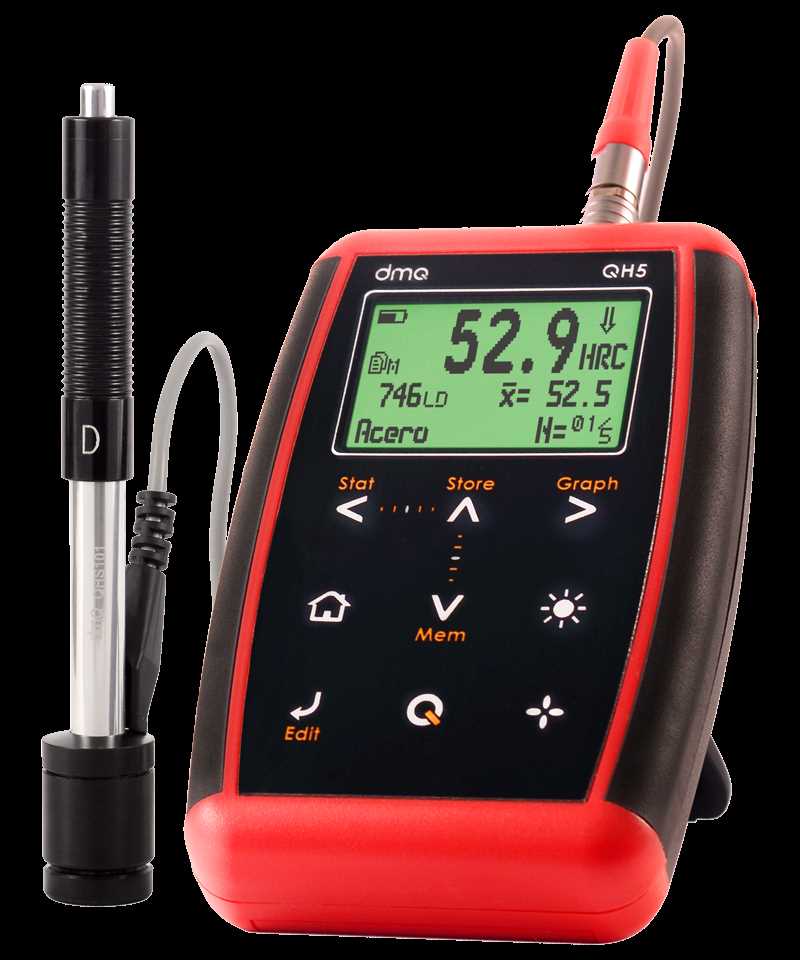
The rebound hardness test is a widely used method for evaluating the hardness of materials. This test involves dropping a diamond-tipped hammer onto the surface of a material and measuring the height of the rebound. The height of the rebound is directly related to the hardness of the material, with harder materials resulting in a higher rebound.
The rebound hardness test is commonly used in the construction and engineering industries to assess the hardness and durability of materials such as concrete and metal. It provides a quick and non-destructive way to determine the hardness of a material, allowing engineers and technicians to make informed decisions about its use in various applications.
One of the advantages of the rebound hardness test is its simplicity and portability. The equipment required for the test is compact and can be easily transported to different locations. Additionally, the test can be performed on site, eliminating the need to send samples to a laboratory for analysis.
What is a rebound hardness test?
The rebound hardness test is a non-destructive method used to measure the hardness of a material by measuring the rebound of an object when it is dropped onto the surface of the material. It is commonly used in industries such as construction, metallurgy, and engineering to assess the hardness and durability of various materials.
In a rebound hardness test, a device known as a rebound hammer is used. The rebound hammer consists of a spring-loaded hammer that strikes the surface of the material, and a measuring scale that indicates the rebound distance. The rebound distance is then used to calculate the hardness of the material.
Principle of the rebound hardness test:
- The rebound hardness test is based on the principle that the hardness of a material is directly related to its elasticity.
- When the hammer strikes the surface of the material, it causes a deformation in the material.
- The material then rebounds, or bounces back, to its original shape.
- The rebound distance is measured and used to determine the hardness of the material.
The rebound hardness test is widely used because it is quick, easy to perform, and does not require the destruction of the test specimen. It can be used to assess the hardness of a variety of materials, including concrete, rock, metal, and plastic. However, it is important to note that the rebound hardness test provides an estimate of the material’s hardness and is not as accurate as other hardness testing methods, such as the Brinell or Rockwell tests.
| Advantages | Disadvantages |
|---|---|
| Non-destructive test method | Provides only an estimate of hardness |
| Quick and easy to perform | Dependent on operator’s technique and skill |
| Can be used on a variety of materials | Not suitable for very hard or very soft materials |
Principle of a rebound hardness test
A rebound hardness test is a non-destructive testing method used to determine the hardness of a material. It is commonly used in industries such as construction, engineering, and manufacturing. The principle behind this test is based on the rebound of a small hammer when it strikes the surface of the material.
In a rebound hardness test, a small hammer with a hardened steel tip is used. The hammer is released from a fixed height and allowed to strike the material’s surface. Upon impact, the hammer rebounds, and the height of the rebound is measured using a scale or a digital display. The rebound distance is then used to calculate the material’s hardness based on an empirical relationship between rebound distance and hardness.
The rebound hardness test is based on the principle that harder materials will have a higher rebound, while softer materials will have a lower rebound. This principle is supported by the fact that harder materials have a higher resistance to indentation, causing the hammer to rebound to a greater height. Conversely, softer materials have a lower resistance to indentation, resulting in a lower rebound height.
The rebound hardness test has several advantages over other hardness testing methods. It is quick, easy to use, and does not require the use of specialized equipment. It also provides a non-destructive means of assessing the hardness of a material, allowing for quality control and material characterization without damaging the specimen. However, it is important to note that the rebound hardness test provides an approximate value of hardness and may not be as accurate as other methods, such as the Rockwell or Vickers hardness tests.
Equipment used for a rebound hardness test
In order to perform a rebound hardness test, several pieces of equipment are required. These include:
- Rebound hardness tester: This is the main equipment used in the test. It consists of a spring-loaded hammer and a barrel that houses a hardened steel ball. The tester measures the rebound distance of the hammer after it strikes the material’s surface. The rebound distance is then converted into a hardness value using a calibration chart.
- Test sample: The material being tested is prepared in the form of a sample. It should have a smooth and flat surface for accurate readings.
- Support anvil: The support anvil serves as a stable base for the test sample. It should be placed securely on a level surface during the test.
- Cleaning brush: A cleaning brush is used to remove any debris or loose particles from the surface of the test sample before performing the test.
- Calibration chart: The calibration chart is used to determine the hardness value based on the rebound distance measured by the hardness tester. It provides a reference for comparing the rebound values.
These are the essential equipment needed to conduct a rebound hardness test. Proper handling and calibration of the equipment are crucial to obtain accurate hardness readings.
Procedure for conducting a rebound hardness test

The rebound hardness test is a non-destructive testing method used to determine the hardness of a material by measuring the rebound of an indenter after it is released from a certain height. This test is commonly used in industries such as construction and engineering to assess the quality and strength of concrete structures. The procedure for conducting a rebound hardness test is as follows:
- Preparing the surface: Before conducting the test, the surface of the material to be tested should be prepared. Any loose debris or dirt should be removed, and the surface should be clean and dry. This ensures that the indenter makes proper contact with the material during the test.
- Calibrating the rebound hammer: The rebound hammer, also known as a Schmidt hammer, is the instrument used to conduct the test. It needs to be calibrated before each use to ensure accurate results. Calibration involves hitting a calibration anvil and adjusting the impact energy indicator to a specific value.
- Performing the test: To conduct the test, the rebound hammer is placed perpendicular to the surface of the material. It is then pressed firmly against the material and released from a specific height. The rebound distance, which is the distance the hammer travels back up after impact, is measured and recorded.
- Repeating the test: Multiple test points should be selected on the material’s surface to obtain representative results. The test points should be evenly distributed and cover the entire surface. The test is typically repeated three times at each test point to ensure consistency.
- Interpreting the results: The rebound distance obtained from the test is converted into a rebound hardness value using a conversion chart or formula specific to the material being tested. This value is then compared to standard hardness values to assess the hardness of the material. Higher rebound hardness values indicate a harder material, while lower values indicate a softer material.
Following the proper procedure for conducting a rebound hardness test ensures accurate and reliable results. It is important to note that this test provides an estimation of the material’s hardness and should be used in conjunction with other testing methods for a comprehensive assessment of the material’s properties.
Advantages of a rebound hardness test
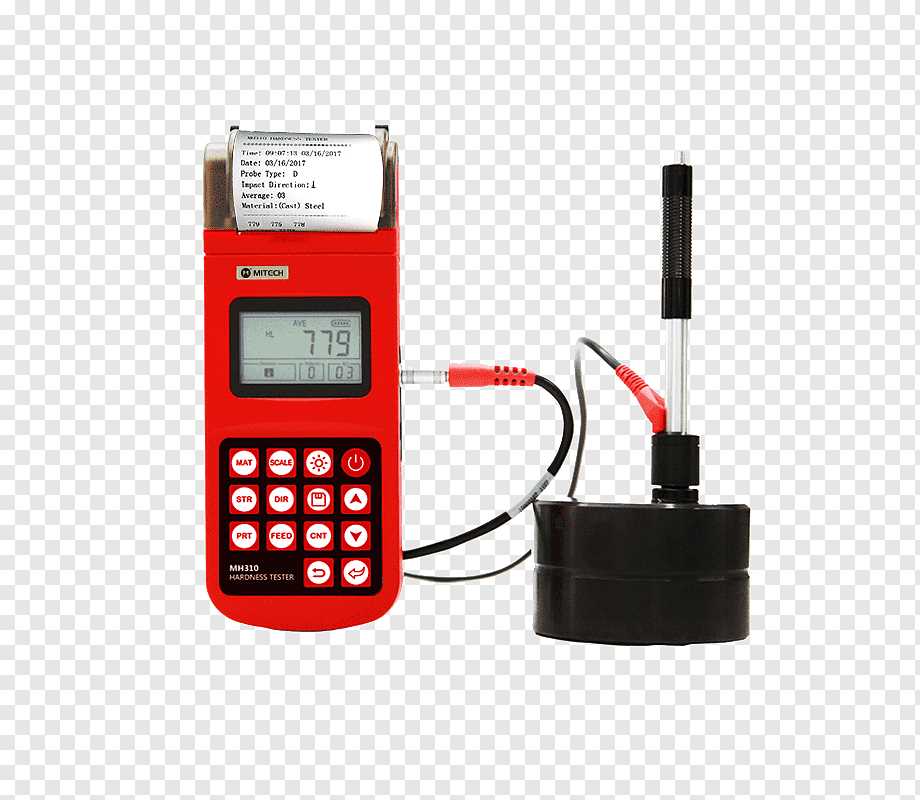
The rebound hardness test is a non-destructive testing method used to determine the hardness of a material. It offers several advantages over other traditional hardness testing methods, making it a popular choice in various industries.
Quick and easy: One of the major advantages of a rebound hardness test is its simplicity and speed. The test can be performed quickly and requires minimal preparation. There is no need for complex procedures or specialized equipment, making it suitable for use in the field or on-site.
Non-destructive: Unlike other hardness testing methods, such as the Brinell or Rockwell tests, the rebound hardness test does not damage or alter the material being tested. This means that the test can be performed on finished products or components without affecting their integrity or functionality. It is particularly useful when testing delicate or expensive materials.
Portable and versatile: The rebound hardness test is typically performed using a portable device known as a rebound hammer. This handheld instrument allows for easy measurement in various orientations and hard-to-reach areas. The test can be conducted on a wide range of materials, including concrete, metals, and ceramics, making it versatile for different applications.
Cost-effective: The simplicity and portability of the rebound hardness test contribute to its cost-effectiveness. Compared to other hardness testing methods, the rebound test requires less equipment and minimal training, resulting in lower overall costs. Additionally, it eliminates the need for destructive sampling or laboratory analysis, saving both time and resources.
Objective and repeatable: The rebound hardness test provides objective and repeatable results, as it relies on standardized procedures and equipment. This makes it suitable for quality control and comparison purposes, ensuring consistent and reliable measurements across different testing scenarios.
In summary, the rebound hardness test offers several advantages, including its quick and easy nature, non-destructiveness, portability and versatility, cost-effectiveness, and the objectivity and repeatability of its results. These advantages make it an attractive choice for industries where hardness testing is required.
Applications of a rebound hardness test
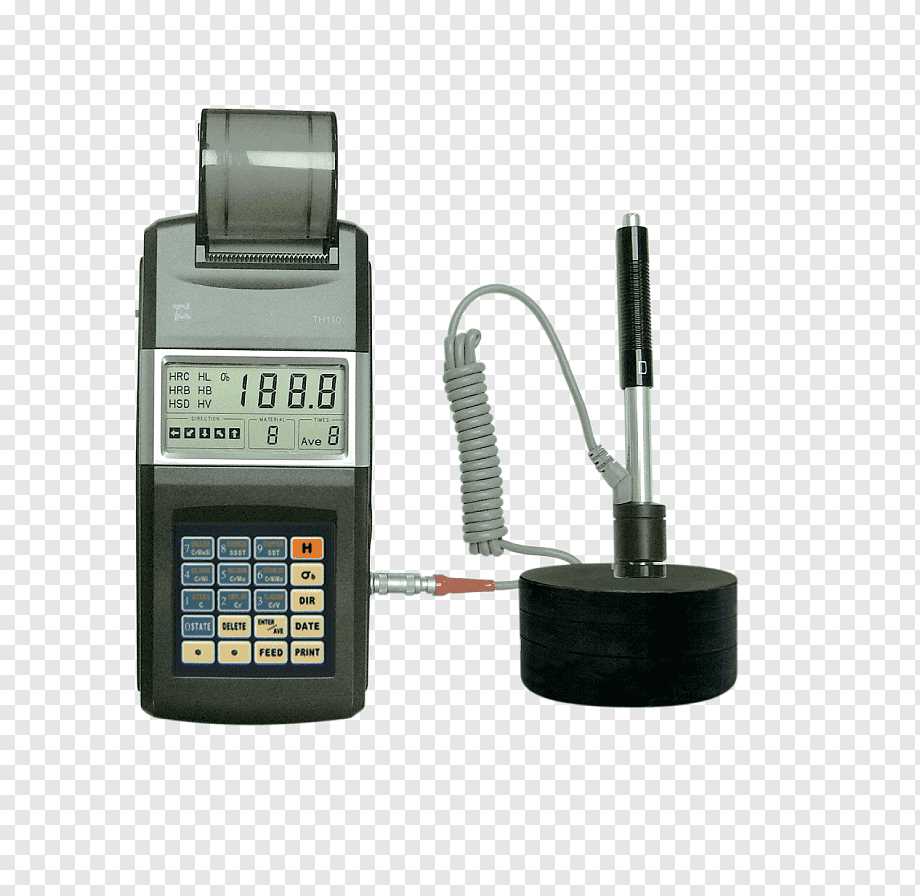
The rebound hardness test is widely used in various industries for its simplicity, non-destructive nature, and ability to provide quick results. Here are some of the applications of the rebound hardness test:
- Quality control: The rebound hardness test is commonly used in manufacturing industries to ensure the quality and consistency of materials. It helps in determining if the materials meet the required hardness specifications and standards.
- Material selection: The rebound hardness test is particularly useful in selecting materials for specific applications. By measuring the rebound hardness, engineers and material scientists can assess the suitability of materials for various purposes, such as construction, automotive, and aerospace industries.
- Wear and tear analysis: The rebound hardness test can be used to evaluate the wear resistance of materials. By performing regular rebound hardness tests on components or structures, engineers can monitor the changes in hardness over time, helping to predict potential failures or identify the need for maintenance.
- Structural integrity assessment: The rebound hardness test is also employed in assessing the structural integrity of various objects, such as buildings, bridges, and monuments. By measuring the hardness at different locations, engineers can identify weak areas or potential structural issues.
- Research and development: The rebound hardness test is widely utilized in research and development activities to evaluate the hardness properties of new materials or coatings. It helps researchers compare different materials, optimize formulations, and understand the effects of various factors on hardness.
Overall, the rebound hardness test is a valuable tool in many industries and applications. Its portability, simplicity, and non-destructive nature make it an attractive choice for hardness testing. By providing quick and reliable results, the rebound hardness test enables efficient quality control, material selection, wear analysis, structural integrity assessment, and research and development activities.