10 Effective Research Methods for Acing Your Exam

In the world of academia, research methods play a crucial role in gathering and analyzing data to answer important research questions and advance knowledge in various fields. An examination in research methods assesses students’ understanding of different research designs, data collection techniques, and data analysis methods.
The research methods exam typically covers a wide range of topics, including qualitative and quantitative research approaches, experimental and non-experimental designs, surveys, interviews, observational studies, and statistical analysis techniques. It tests students’ ability to critically evaluate research studies, design their own research projects, and apply appropriate methods to analyze data.
Preparing for a research methods exam requires a deep understanding of the various research concepts, methodologies, and their applications. Students are often expected to read research articles, textbooks, and lecture notes, as well as engage in discussions and practical exercises to gain a comprehensive understanding of the subject matter. Additionally, students may be required to demonstrate their knowledge through written assignments, group projects, and presentations.
Research Methods Exam

Preparing for a research methods exam can be challenging, but with the right approach and understanding of the key concepts, you can succeed. The exam will likely cover a range of topics, including research design, data collection methods, and data analysis techniques. It is important to review the course materials and pay attention to any notes or lectures that emphasized these areas.
Research design is a crucial aspect of any research study, and understanding different types of designs, such as experimental, quasi-experimental, and observational, is essential for the exam. Familiarize yourself with the advantages and disadvantages of each design and be able to identify real-life examples.
Data collection methods are another important topic to study for the exam. Make sure you understand the differences between qualitative and quantitative data and the various methods used to collect each type. Examples of data collection methods may include surveys, interviews, observations, and experiments.
Data analysis techniques are also likely to be covered in the exam. This may include understanding how to interpret descriptive statistics, such as mean, median, and mode, as well as inferential statistics, such as t-tests and regression analysis. Additionally, be familiar with data visualization techniques, including charts, graphs, and tables, and how they can be used to present research findings effectively.
Lastly, be sure to practice applying these concepts through sample exam questions or by reviewing case studies. This will help you become more comfortable with the material and improve your performance on the actual exam. Remember to allocate enough time for studying and review the material regularly to ensure good retention of the content. Good luck!
The Importance of Research Methods in Academic Studies
Research methods play a crucial role in academic studies as they provide a systematic and structured approach to investigate various phenomena and answer research questions. They serve as the foundation for gathering and analyzing data, which allows researchers to draw valid and reliable conclusions.
One of the key reasons why research methods are important in academic studies is that they ensure the credibility and integrity of research findings. By following established research methods, researchers can minimize bias and ensure that their findings are based on evidence rather than personal opinions or assumptions. Moreover, research methods allow for the replication of studies, enabling other researchers to validate and build upon existing knowledge.
Qualitative and quantitative research methods are two main approaches that researchers employ in academic studies. Qualitative methods focus on understanding the subjective meaning and experience of individuals through techniques such as interviews, observations, and case studies. On the other hand, quantitative methods involve the collection and analysis of numerical data, often using statistical techniques, to identify patterns and make generalizations.
In summary, research methods are essential for conducting rigorous and reliable academic studies. They provide a structured framework for gathering and analyzing data, ensuring the credibility and validity of research findings. By using qualitative and quantitative methods, researchers can gain insights into various phenomena and contribute to the development of knowledge in their respective fields.
Key Concepts and Terminology in Research Methods
The field of research methods encompasses a wide range of key concepts and terminology that are essential for understanding and conducting research. These concepts and terms provide researchers with a common language to describe and communicate their work, and they also serve as the foundation for designing and implementing research studies.
Research design is one of the fundamental concepts in research methods. It refers to the overall framework or plan that guides the entire research process. This includes decisions about the research questions, the study population, the data collection methods, and the data analysis techniques. A well-designed research study is crucial for obtaining valid and reliable results.
Sampling is another important concept in research methods. It involves selecting a subset of individuals or units from a larger population for study. The goal of sampling is to ensure that the selected sample is representative of the population and can provide accurate and generalizable results. Different sampling techniques, such as random sampling, stratified sampling, and convenience sampling, can be used depending on the research objectives and constraints.
Data collection is the process of gathering information or data for research purposes. It can involve various methods, such as surveys, interviews, observations, experiments, and existing data analysis. The choice of data collection method depends on the research question, the nature of the data, and the available resources. It is important to collect data systematically and ensure its accuracy and reliability.
Data analysis is the process of organizing, summarizing, interpreting, and presenting the collected data. It involves applying statistical and other analytical techniques to identify patterns, relationships, and trends in the data. Data analysis helps researchers draw conclusions and make inferences about the research question or hypothesis. Various software tools, like SPSS, Excel, or R, can be used to facilitate data analysis.
Ethics is a crucial consideration in research methods. It refers to the principles and guidelines that guide the ethical conduct of research. Researchers must ensure that their studies comply with ethical standards and protect the rights and welfare of the participants. This includes obtaining informed consent, maintaining confidentiality, and minimizing potential harm or risks to the participants.
- Research design
- Sampling
- Data collection
- Data analysis
- Ethics
In conclusion, a solid understanding of the key concepts and terminology in research methods is essential for conducting high-quality research. From designing the study to collecting and analyzing the data, researchers must consider various factors and make informed decisions. By utilizing these concepts effectively, researchers can produce valid and reliable results that contribute to the advancement of knowledge in their respective fields.
Quantitative Research Methods: An Overview

In the field of social science research, quantitative research methods play a crucial role in gathering and analyzing data. These methods involve the collection of numerical data and rely on statistical analysis to draw conclusions and make inferences about a population or phenomenon. Quantitative research is often used to test hypotheses and establish cause-and-effect relationships, making it an essential tool for researchers seeking to understand complex social phenomena.
One of the main advantages of quantitative research methods is their ability to provide precise and objective data. By employing standardized measures and instruments, researchers can ensure consistency and reliability in their findings. This allows for comparisons between different groups or time periods and enhances the generalizability of the research findings. Quantitative research methods also enable researchers to identify patterns and trends in the data, which can then be used to make predictions and inform decision-making.
Key steps in conducting quantitative research include defining the research question, selecting a sample, designing a survey or experiment, collecting data, and analyzing the data using statistical techniques. Researchers may use various data collection methods, such as surveys, experiments, or secondary data analysis, depending on the nature of their research question. Statistical analysis techniques, such as descriptive statistics, correlation analysis, and regression analysis, are commonly used to analyze the collected data and ascertain relationships between variables.
While quantitative research methods offer numerous benefits, it is important to acknowledge their limitations as well. Quantitative research may not capture the full complexity of social phenomena, as it often reduces data to numerical values and overlooks context and meaning. Additionally, the reliance on statistical analysis requires researchers to make assumptions and meet certain assumptions, which may impact the validity and reliability of the findings. Therefore, it is crucial for researchers to consider the strengths and limitations of quantitative research methods and to complement them with qualitative approaches when necessary.
- Key Points:
- Quantitative research methods involve the collection and analysis of numerical data.
- They rely on statistical analysis to draw conclusions and make inferences.
- Quantitative research helps test hypotheses and establish cause-and-effect relationships.
- These methods provide precise and objective data that can be used for comparisons and predictions.
- However, they may overlook context and meaning and require researchers to make assumptions.
- Complementing quantitative research with qualitative approaches can enhance the understanding and interpretation of social phenomena.
Qualitative Research Methods: An Overview
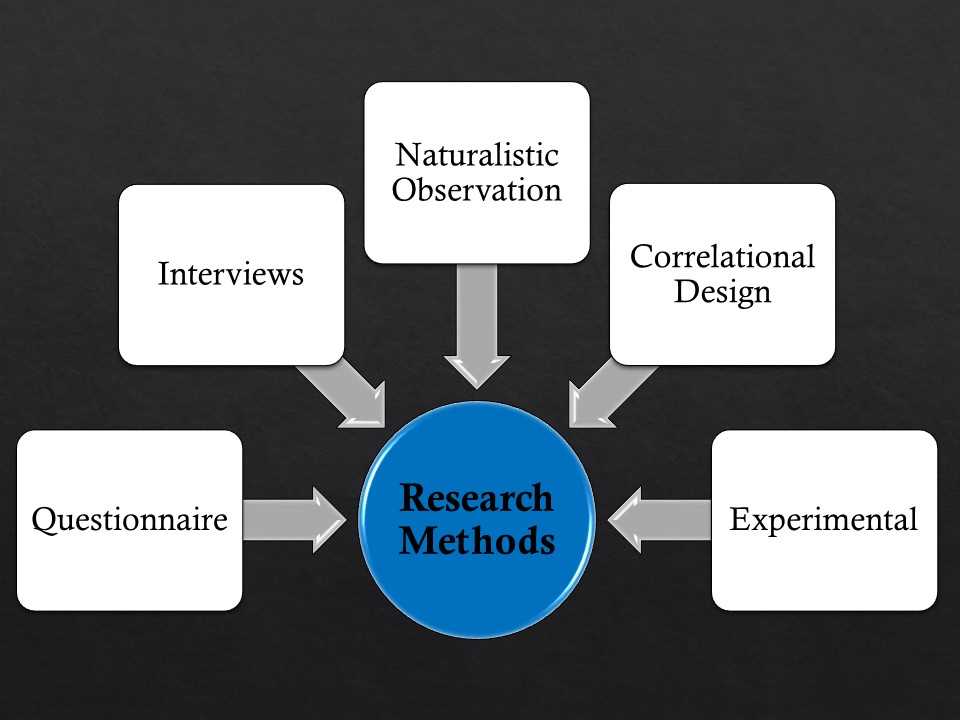
Qualitative research methods are an essential part of social science research, providing a deeper understanding of human behavior, experiences, and perspectives. Unlike quantitative methods that focus on numerical data and statistical analysis, qualitative research involves the collection and analysis of non-numerical data, such as interviews, observations, and textual analysis. This article provides an overview of common qualitative research methods and their applications.
1. Interviews: Interviews are one of the most commonly used qualitative research methods. They involve engaging participants in a conversation to gather in-depth information about their experiences, beliefs, and opinions. Interviews can be structured, semi-structured, or unstructured, depending on the level of flexibility desired by the researcher. They can be conducted face-to-face, over the phone, or through video conferencing.
2. Observations: Observations involve the systematic recording of behaviors, interactions, and events in their natural settings. Researchers may observe participants in their homes, workplaces, or other relevant environments to gain insights into their behaviors, social dynamics, and cultural practices. Observations can be overt (participants are aware of being observed) or covert (participants are unaware).
3. Focus groups: Focus groups involve bringing together a small group of individuals to discuss a specific topic or issue. The researcher moderates the discussion, encouraging participants to share their thoughts and opinions. Focus groups are particularly useful for exploring group dynamics, consensus, and differences in perspectives.
4. Content analysis: Content analysis involves the systematic analysis of written, verbal, or visual materials. Researchers identify and categorize themes, patterns, and meanings within the data. This method is commonly used to analyze documents, such as interviews transcripts, newspaper articles, or social media posts, to gain insights into societal trends, cultural values, or public opinions.
In conclusion, qualitative research methods offer rich and detailed insights into human experiences and behaviors. They complement quantitative methods by providing a deeper understanding of the meaning, context, and complexity of social phenomena. Researchers can choose from a range of methods, such as interviews, observations, focus groups, and content analysis, depending on their research questions and objectives. These qualitative methods provide valuable data for theory development, policy analysis, and the exploration of the social world.
The Process of Designing a Research Study
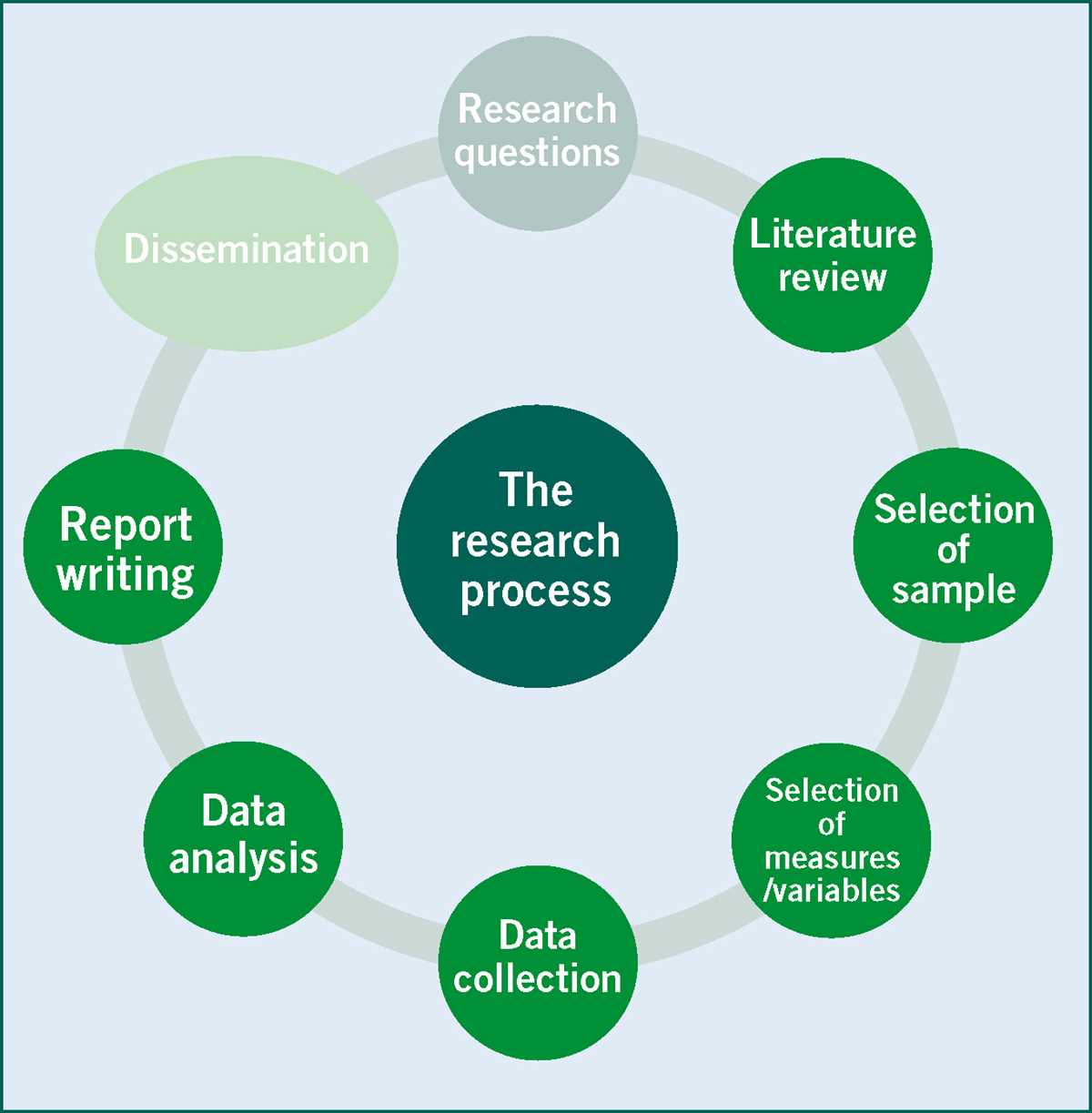
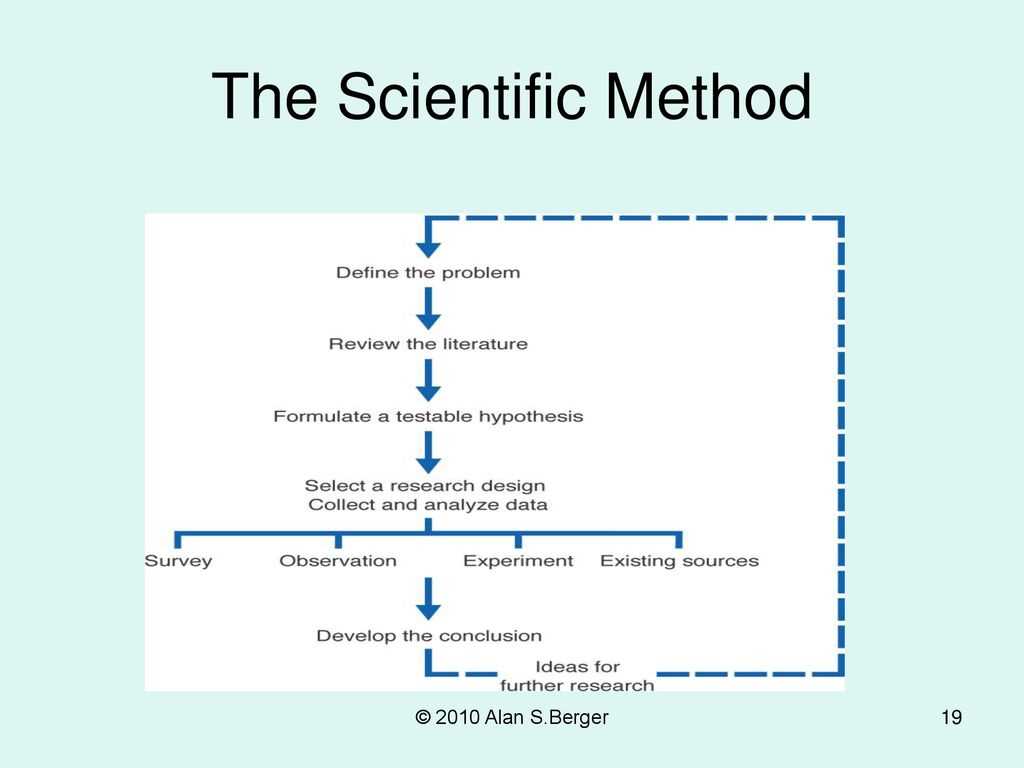
Designing a research study involves a series of careful steps and considerations to ensure that the study is valid, reliable, and ethical. The process typically begins with identifying the research question or problem that the study aims to address. This question should be specific, clear, and relevant to the field of study. It helps to conduct a thorough literature review to identify any existing research on the topic, which can inform the design of the study and help identify any gaps in current knowledge.
Once the research question is established, the next step is to determine the appropriate research design. There are various research designs to choose from, such as experimental, observational, and correlational designs. The choice of design depends on the nature of the research question, the available resources, and ethical considerations. It is important to consider factors such as sample size, sampling method, and data collection procedures.
After determining the research design, the next step is to develop a research proposal or protocol. This document outlines the specific details of the study, including the research question, methodology, participants, data collection procedures, and analysis plan. It is important to ensure that the research proposal is clear, concise, and comprehensive to guide the implementation of the study.
Once the research proposal is finalized, the study can be implemented. This involves recruiting participants, collecting data, and analyzing the data using appropriate statistical methods. It is crucial to ensure that the study is conducted ethically, with informed consent from participants, protection of their confidentiality, and adherence to ethical guidelines and regulations.
Finally, the research study concludes with the interpretation of the findings and the dissemination of the results. Researchers analyze the data, draw conclusions, and discuss the implications of the findings. The results are often presented in the form of a research report or article, which is typically submitted to a peer-reviewed journal for publication. The dissemination of research findings contributes to the advancement of knowledge in the field and allows other researchers to build upon the study’s findings.
Tips for Successfully Passing a Research Methods Exam
Research methods exams can be challenging, but with the right preparation and approach, you can increase your chances of success. Here are some tips to help you prepare for and perform well on a research methods exam:
- Study the material: Begin by thoroughly reviewing the course material, including textbooks, lecture notes, and any additional resources provided by your instructor. Understand the key concepts, theories, and methodologies commonly used in research methods.
- Practice with sample questions: Familiarize yourself with the types of questions that may appear on the exam by practicing with sample questions or past exams. This will help you understand the format of the exam and identify any areas where you need further clarification or study.
- Review important statistical concepts: Research methods often involve the use of statistical analysis. Make sure to review important statistical concepts, such as hypothesis testing, correlation, regression, and probability. Understanding these concepts will enable you to interpret and analyze research data accurately.
- Ask questions and seek clarification: If you come across any concepts or topics that you find confusing or unclear, don’t hesitate to ask your instructor or classmates for clarification. It’s better to seek help early on rather than trying to understand complex concepts right before the exam.
- Create a study group: Collaborate with classmates and form a study group. Discussing topics, sharing notes, and explaining concepts to each other can enhance your understanding and retention of the material.
- Review previous assignments and feedback: Reviewing any previous assignments or feedback you received can provide valuable insights. Look for common mistakes or areas for improvement to avoid repeating them in the exam.
- Manage your time: Develop a study schedule that allows you to cover all the material without feeling rushed. Allocate sufficient time to review each topic and ensure you have enough time for practice questions and revision.
- Stay calm and confident: On the day of the exam, maintain a calm and positive mindset. Trust in your preparation and abilities. Take deep breaths, read each question carefully, and answer to the best of your knowledge.
By implementing these tips, you can effectively prepare for a research methods exam and increase your chances of successfully passing. Remember, practice and understanding the key concepts are the keys to success in any exam.
Q&A:
What are some tips for successfully passing a research methods exam?
– Review the course materials and lecture notes thoroughly to understand the key concepts.
What should I do if I’m struggling with understanding research methods?
– Reach out to the instructor for additional support or clarification on specific topics.