Pass the Road Sign Test: All the Answers You Need

Knowing and understanding road signs is a vital skill for all drivers. Road signs provide important information and instructions to help drivers navigate safely on the roads. However, some road signs can be confusing or unfamiliar, especially for new or inexperienced drivers. That’s where the road sign test comes in – a test that measures your knowledge of road signs and their meanings. In this article, we will provide answers to some common road sign test questions, helping you improve your understanding of road signs and pass the test with flying colors.
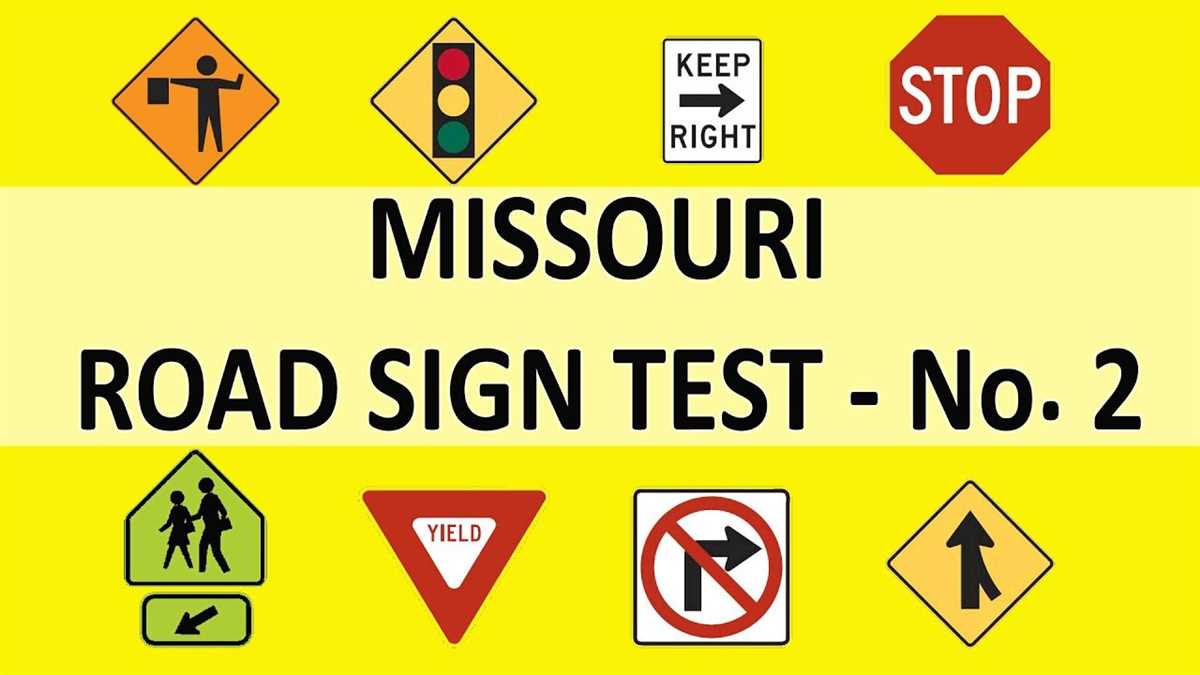
One type of road sign that often causes confusion is the regulatory sign. These signs provide instructions and regulations that drivers must follow. For example, a yield sign indicates that you must give the right-of-way to other drivers, while a stop sign requires you to come to a complete stop at the designated line or before entering the intersection. By understanding the meanings of these regulatory signs, you can ensure you are following the rules of the road and driving safely.
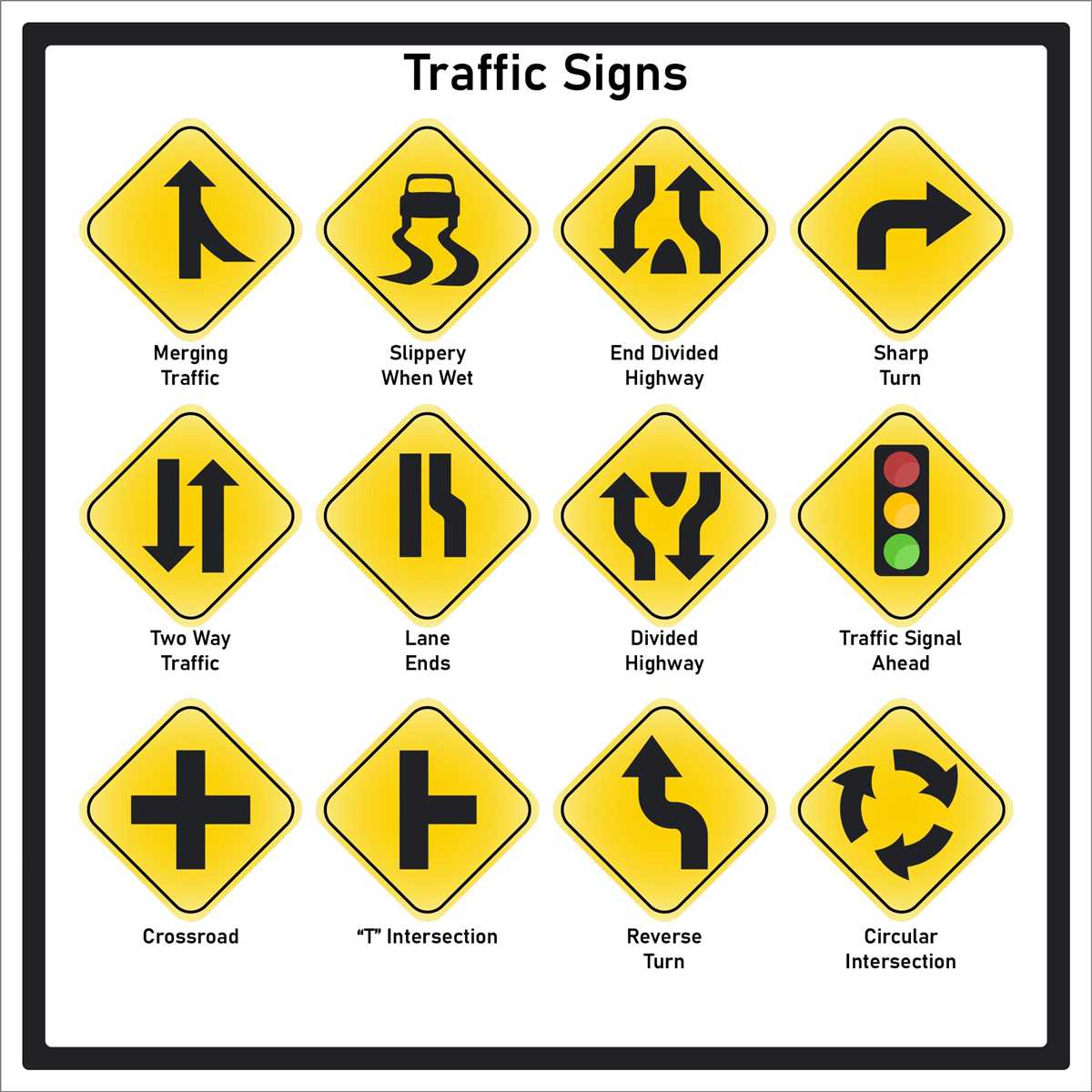
Another type of road sign that drivers must be familiar with is the warning sign. These signs are usually yellow and diamond-shaped, and they alert drivers to potential hazards or conditions ahead. For example, a sharp curve sign warns you that there is a sharp turn in the road, while a slippery when wet sign warns you that the road may be slippery when it’s raining. By paying attention to these warning signs and adjusting your driving accordingly, you can avoid accidents and ensure your safety while on the road.
Road Sign Test Answers
If you’re studying for a road sign test, it’s essential to familiarize yourself with the different signs you may encounter on the road. Understanding the meanings of these signs is crucial for safe driving and passing your test. Here, we’ve outlined some common road sign test answers to help you prepare for your exam.
1. Stop Sign: The stop sign is one of the most recognizable road signs. When you see this sign, you must come to a complete stop at the designated stop line or before entering the intersection. Only proceed when it is safe to do so.
2. Yield Sign: A yield sign indicates that you must slow down and be prepared to stop if necessary. You must yield the right-of-way to other vehicles or pedestrians who have already entered the intersection or are approaching from another direction.
3. Speed Limit Sign: Speed limit signs are used to indicate the maximum speed you should drive on a particular road or highway. It’s essential to adhere to these speed limits to maintain the safety of yourself and other road users.
4. No Parking Sign: A no parking sign indicates that you cannot park your vehicle in the designated area. Violating this sign may result in a fine or towed vehicle.
5. School Zone Sign: School zone signs alert drivers that they are entering an area near a school where children may be present. It usually indicates a reduced speed limit and heightened caution, especially during school hours.
These are just a few examples of road signs that you should know for your road sign test. Make sure to study the signs thoroughly and understand their meanings to ensure a successful test and safe driving on the road.
The Importance of Knowing Road Signs
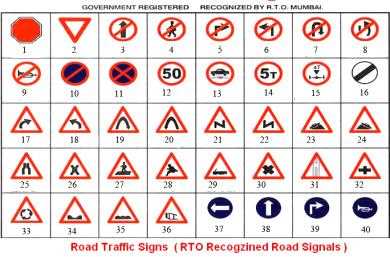
Knowing road signs is an essential skill for any driver. Road signs provide important information and guidance to drivers, helping them navigate and stay safe on the road.
1. Safety: One of the main reasons why knowing road signs is important is because they enhance safety on the road. Road signs alert drivers to potential hazards, such as sharp turns, pedestrian crossings, or upcoming construction zones. By following these signs, drivers can adjust their speed and behavior to ensure both their own safety and that of others.
2. Navigation: Road signs also play a crucial role in navigation. They provide drivers with directions, indicating where to turn, which lane to take, or the distance to a particular destination. Without proper knowledge of road signs, drivers may get lost or make wrong turns, leading to unnecessary delays and confusion.
3. Compliance with Traffic Laws: Traffic signs are an integral part of the traffic laws in any country. They indicate the rules and regulations that drivers must follow, such as speed limits, yield signs, or no-parking zones. By understanding and obeying these signs, drivers can avoid traffic violations and the associated consequences, such as fines or license suspensions.
4. Communication: Road signs are a universal language that allows drivers from different backgrounds and nationalities to communicate. They provide a common set of visual cues and symbols that drivers can understand regardless of their native language. This facilitates smoother traffic flow, reduces confusion, and minimizes the risk of accidents.
Overall, knowing road signs is crucial for driver safety, efficient navigation, compliance with traffic laws, and effective communication on the road. It is important for both new and experienced drivers to familiarize themselves with the meaning and significance of different road signs to ensure a safer and more enjoyable driving experience.
Tips for Studying Road Signs
Studying road signs is an essential part of preparing for your driving test. Understanding the meaning of different road signs is crucial for safe and responsible driving. Here are some tips to help you effectively study road signs:
- Start early: Begin studying road signs well in advance to give yourself enough time to familiarize yourself with their meanings. Don’t wait until the last minute to start studying.
- Review regularly: Make a habit of reviewing road signs on a regular basis to reinforce your knowledge and ensure retention. Spend a few minutes each day going over different signs.
- Use flashcards: Create flashcards with the images and meanings of road signs. Review the flashcards frequently to reinforce your understanding and memorize the signs.
- Study in different environments: Don’t limit yourself to studying road signs in just one location. Study them in different environments, such as in your car, at home, or at a library. This will help you associate the signs with their real-life context.
- Take practice tests: Utilize online resources or applications that offer practice tests for road signs. Take these tests to assess your knowledge and identify areas that need improvement.
- Seek clarification: If you come across a road sign that you don’t understand, don’t hesitate to seek clarification. Ask an experienced driver, consult the driver’s manual, or research online to find the meaning of the sign.
Studying road signs should not be taken lightly. A thorough understanding of road signs can help prevent accidents, ensure the smooth flow of traffic, and contribute to overall road safety. By following these tips and dedicating time to studying road signs, you will be better prepared for your driving test and become a responsible driver.
Common Road Sign Test Questions
When preparing for a road sign test, it is important to familiarize yourself with the various signs you may encounter on the road. Here are some common road sign test questions that you may come across:
1. What does a red octagon-shaped sign mean?

A red octagon-shaped sign indicates a stop sign. When you encounter this sign, you must come to a complete stop and yield the right-of-way to other vehicles or pedestrians.
2. What does a yellow diamond-shaped sign with a deer symbol mean?
A yellow diamond-shaped sign with a deer symbol indicates an animal crossing ahead. This sign is used to warn drivers to be cautious and alert for the possibility of animals crossing the road.
3. What does a white rectangle-shaped sign with black arrows pointing in opposite directions mean?
A white rectangle-shaped sign with black arrows pointing in opposite directions indicates a divided highway ahead. This sign is used to inform drivers that the road ahead will be divided into two separate lanes of traffic going in opposite directions.
4. What does a blue circle-shaped sign with a white wheelchair symbol mean?
A blue circle-shaped sign with a white wheelchair symbol indicates that the area or facility ahead is accessible for people with disabilities. This sign is used to designate parking spaces, ramps, or entrances that are accessible for individuals with mobility impairments.
5. What does a yellow triangle-shaped sign with an exclamation mark mean?
A yellow triangle-shaped sign with an exclamation mark indicates a warning sign. This sign is used to alert drivers to potential hazards or dangerous conditions ahead, such as steep grades, sharp curves, or slippery roads.
These are just a few examples of the types of road signs you may encounter during a road sign test. It is important to study and understand the meaning of these signs to ensure safe and responsible driving on the road.
Correct Answers to Road Sign Test Questions
Question 1: What does this road sign mean?
Correct Answer: The road sign depicts a stop sign. It indicates that drivers must come to a complete stop and yield the right-of-way to other vehicles before proceeding.
Question 2: What does this road sign mean?
Correct Answer: The road sign shows a speed limit of 55 miles per hour. It signifies that drivers must not exceed this speed limit while driving on the road.
Question 3: What does this road sign mean?
Correct Answer: The road sign represents a pedestrian crossing. It signals drivers to be cautious and yield to pedestrians who are crossing the road.
Question 4: What does this road sign mean?
Correct Answer: The road sign indicates a sharp curve ahead. It warns drivers to adapt their speed and approach the curve with caution.
Question 5: What does this road sign mean?
Correct Answer: The road sign portrays a no passing zone. It informs drivers that passing other vehicles is prohibited in this area.
Understanding the Meaning of Road Signs
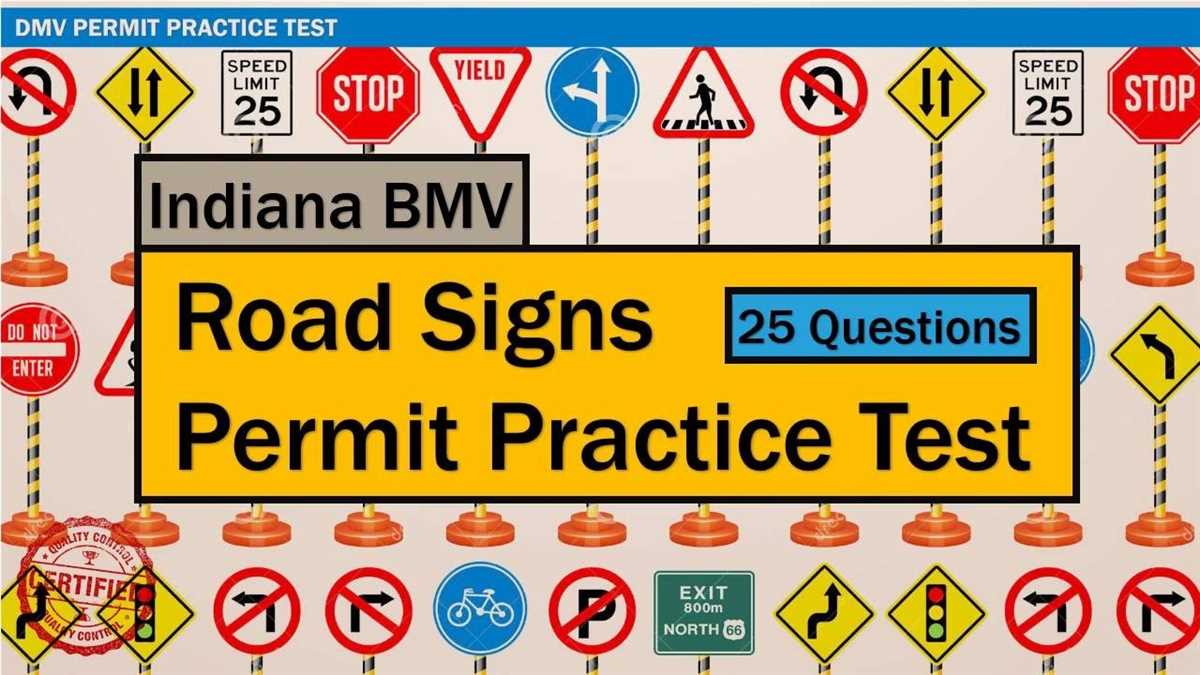
Being able to understand and interpret the meaning of road signs is crucial for every driver. Road signs serve as an important source of information and help to ensure the safety of drivers and pedestrians on the road. The ability to recognize and respond to different types of road signs is a fundamental part of being a responsible and cautious driver.
Warning signs: One of the most important categories of road signs is the warning signs. These signs are designed to alert drivers of potential hazards and to prepare them for any upcoming obstacles or dangers on the road. Warning signs often use symbols or pictograms to convey their message, making them easily recognizable and comprehensible by drivers of different languages or backgrounds.
Regulatory signs: Another significant group of road signs is the regulatory signs. These signs are used to inform drivers about specific traffic laws, regulations, or requirements. They provide instructions and guidance on how to safely navigate through different situations on the road. Regulatory signs are typically rectangular in shape and come in various colors, each with its own specific meaning and message.
Informational signs: In addition to warning signs and regulatory signs, there are also informational signs on the road. These signs provide drivers with valuable information about services, facilities, or directions. Informational signs can be found in different formats, such as text-based signs, arrows, or symbols. They are essential for helping drivers make informed decisions and plan their routes.
Summary:
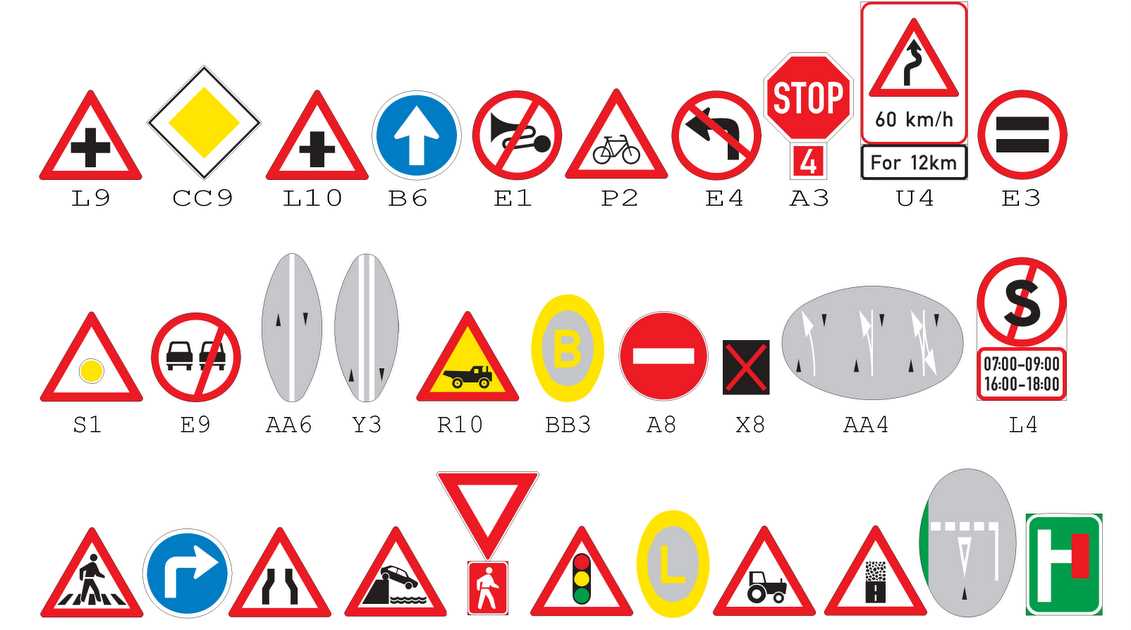
- Road signs play a crucial role in ensuring the safety of drivers and pedestrians.
- Warning signs alert drivers of potential hazards and dangers.
- Regulatory signs provide instructions and guidance on traffic laws.
- Informational signs offer valuable information about services and directions.
Resources for Practicing Road Sign Knowledge
Knowing the various road signs is an important part of being a responsible and safe driver. To help you prepare for your road sign test, there are several resources available that can assist you in improving your knowledge and understanding of road signs.
One valuable resource is the Department of Motor Vehicles (DMV) website for your state. They often provide online practice tests that include questions about road signs. These tests are a great way to assess your current knowledge and identify any areas where you may need to study further.
Another useful tool is a road sign study guide or manual. These guides typically contain a comprehensive list of road signs along with their meanings and illustrations. They can be found online or purchased at bookstores. Take the time to read through the guide and familiarize yourself with the different types of signs.
When studying road signs, it’s important to not only memorize the shapes and colors but also understand the meaning behind each sign. For example, a red octagon signifies a stop sign, indicating that drivers must come to a complete halt. Understanding the significance of the signs will help you better interpret them on the road.
Additionally, consider enrolling in a driver’s education course. These courses often include specific lessons on road signs and their meanings. Instructors can provide hands-on guidance and answer any questions you may have. Some courses even offer virtual or interactive simulations to help you practice identifying signs in real-world scenarios.
Online forums and communities can also be a valuable resource for practicing your road sign knowledge. Engaging with other learners and experienced drivers can provide insights and tips that may not be readily available in study guides or practice tests. These platforms allow you to ask questions, share experiences, and learn from others who have successfully passed their road sign tests.
In conclusion, practicing your road sign knowledge is essential for becoming a responsible and safe driver. Utilizing resources like online practice tests, study guides, driver’s education courses, and online forums can greatly enhance your understanding of road signs. Remember to not only memorize the signs but also understand their meanings to become a well-informed driver. With dedication and practice, you’ll be well-prepared to ace your road sign test and navigate the roads with confidence.