Unveiling the Untold Truths: Robert Capa’s Q&A Revealed
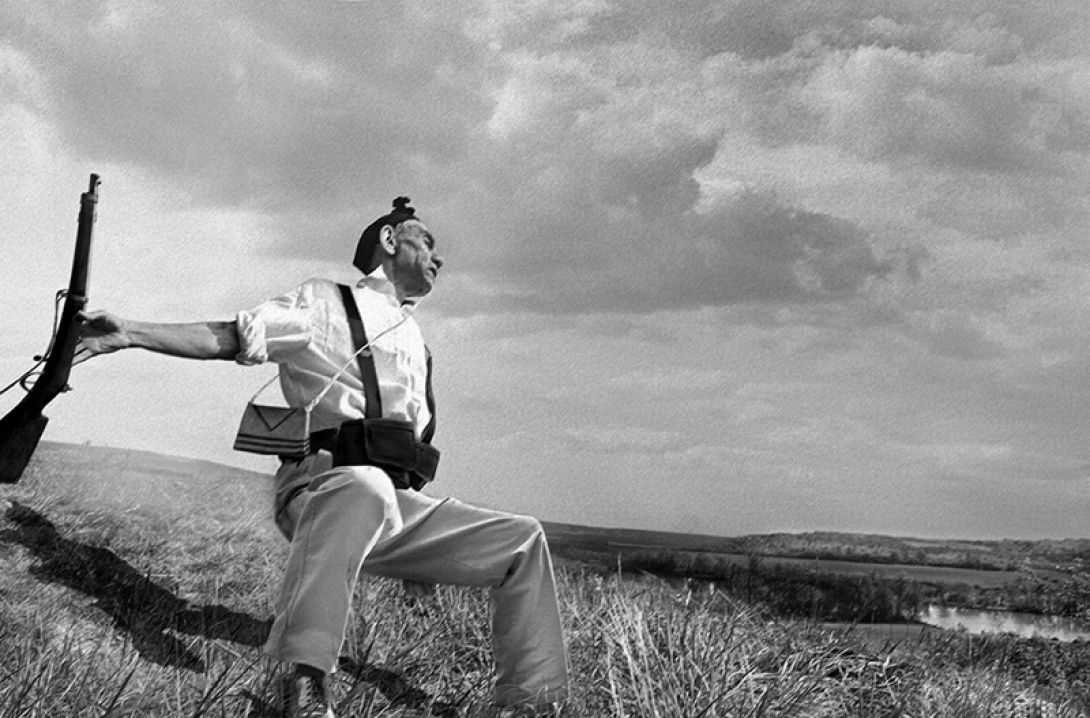
Robert Capa was one of the most renowned photojournalists of the 20th century. Born in Hungary in 1913, Capa captured some of the most iconic images of war and conflict. His photographs have become synonymous with the human experience of war. In this article, we will explore some of the most frequently asked questions about Robert Capa and his work.
Q: Who was Robert Capa?
A: Robert Capa was a Hungarian-born photojournalist and war photographer. He began his career in the 1930s and gained recognition for his photographs taken during the Spanish Civil War. Capa went on to cover World War II, the First Indochina War, and many other conflicts. He was known for his bravery and willingness to put himself in dangerous situations to capture the reality of war.
Q: What were some of Robert Capa’s most famous photographs?
A: One of Capa’s most famous photographs is “The Falling Soldier,” taken during the Spanish Civil War. This image shows a Republican soldier at the moment of being shot and falling to his death. Another iconic photograph is “D-Day Landing,” taken during the Normandy invasion in World War II. This image captures the chaos and bravery of the soldiers landing on the beach.
Q: How did Robert Capa’s work impact the field of photojournalism?
A: Capa’s work revolutionized the field of photojournalism. He was one of the first photographers to capture the intensity and humanity of war. His images brought the realities of war to the public, challenging traditional notions of war photography. Capa’s photographs told stories and created a powerful emotional connection with the viewer.
Q: What is the legacy of Robert Capa’s work?
A: Robert Capa’s work continues to inspire and influence photographers today. His commitment to capturing the truth of war and his incredible skill in storytelling through images have left a lasting impact on the field of photojournalism. Capa’s photographs remind us of the human cost of war and the importance of bearing witness to history.
Robert Capa Questions and Answers
Robert Capa was a renowned photojournalist who captured some of the most iconic images of war and conflict in the 20th century. His work has inspired generations of photographers and has left a lasting impact on the field of photojournalism. In this article, we will explore some common questions and answers about Robert Capa and his work.
1. Who was Robert Capa?
Robert Capa, whose real name was Endre Ernő Friedmann, was a Hungarian photographer who gained international fame for his coverage of the Spanish Civil War, World War II, and other major conflicts. He co-founded the photography agency Magnum Photos and his work continues to be celebrated for its raw and emotional portrayal of war.
2. What are some of Robert Capa’s most famous photographs?
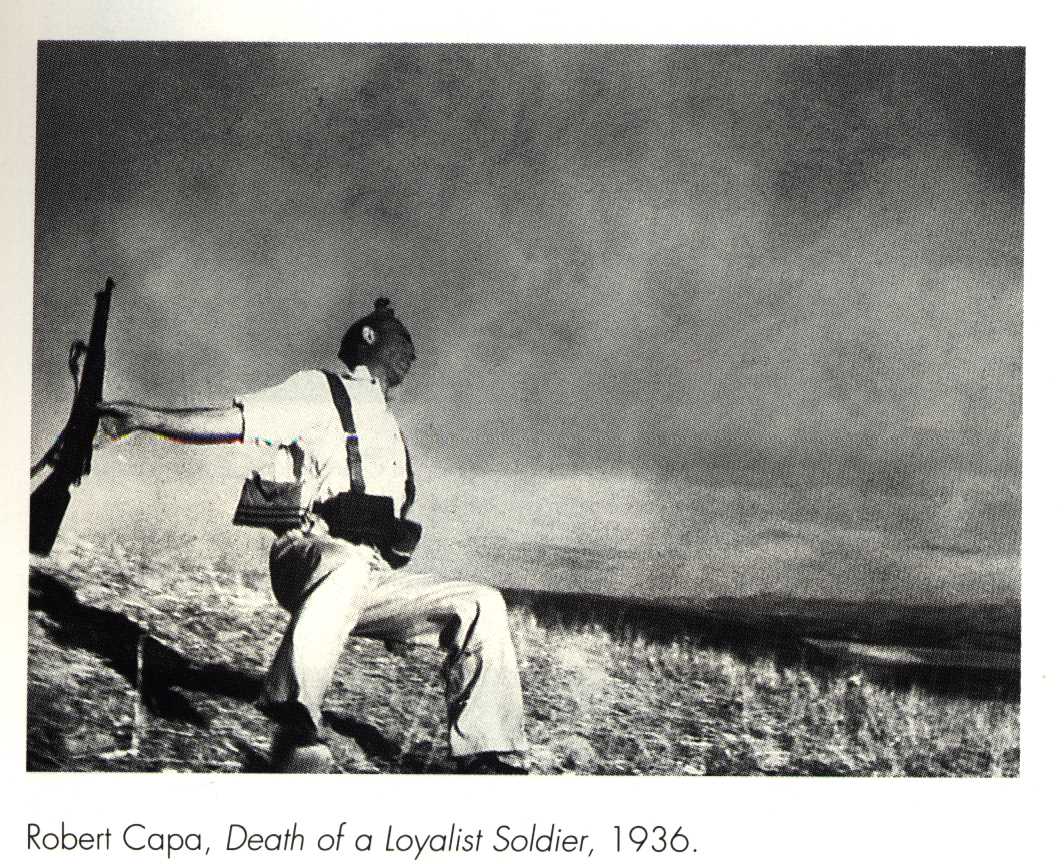
One of Robert Capa’s most famous photographs is “The Falling Soldier,” taken during the Spanish Civil War. This image depicts a Republican soldier at the moment of his death, capturing the brutal reality of war. Other iconic photographs by Capa include “D-Day Landing,” taken during the Allied invasion of Normandy, and “Death of a Loyalist Militiaman,” taken during the Spanish Civil War.
3. Did Robert Capa ever stage his photographs?
There has been some controversy surrounding the authenticity of certain photographs taken by Robert Capa. In particular, the famous “The Falling Soldier” image has faced scrutiny, with some suggesting that it may have been staged. However, Capa himself always maintained that the photograph was genuine and captured in the heat of battle. Regardless of the debates, Capa’s work remains highly influential in the field of photojournalism.
4. What was Robert Capa’s approach to photography?
Robert Capa had a distinctive approach to photography, characterized by his daring and immersive style. He often got close to the action, striving to capture the intensity and emotions of war firsthand. Capa famously said, “If your pictures aren’t good enough, you’re not close enough.” His bold and fearless approach resulted in powerful and impactful images that continue to resonate with audiences today.
5. What is Robert Capa’s legacy?
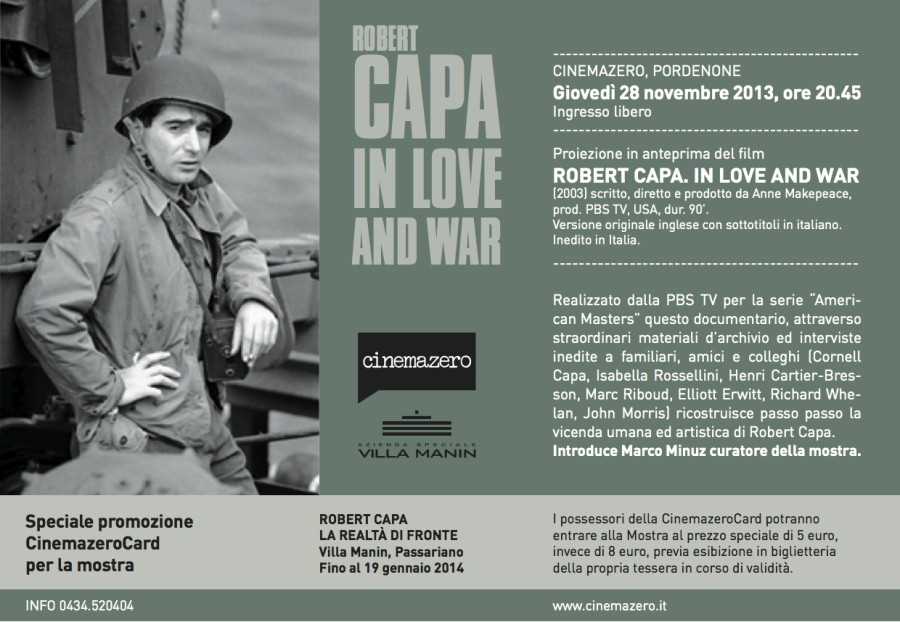
Robert Capa’s legacy in the field of photojournalism is immeasurable. His photographs have become iconic symbols of the realities of war and conflict. Capa’s work paved the way for future generations of photojournalists, inspiring them to document and bear witness to the world’s most challenging events. His commitment to capturing the truth through his lens continues to inspire photographers to this day.
Who is Robert Capa?
Robert Capa was a renowned Hungarian war photographer and photojournalist who gained recognition for his powerful and poignant images captured during major conflicts of the 20th century. His real name was Endre Ernő Friedmann, and he was born on October 22, 1913, in Budapest, Hungary.
Capa’s career as a photojournalist began in the 1930s, and he quickly made a name for himself with his candid and dynamic photographs. His work predominantly focused on documenting the horrors and realities of war, capturing the raw emotions of soldiers and civilians in the midst of conflict. Capa’s photographs often reflected the human side of war, exposing the pain, fear, and resilience of those affected by violence.
One of Capa’s most famous photographs is “The Falling Soldier,” taken during the Spanish Civil War in 1936. This iconic image captures a Republican soldier at the moment he is fatally shot, showcasing Capa’s ability to capture the decisive moment in a powerful and evocative way. Throughout his career, Capa covered numerous conflicts, including World War II, the First Indochina War, and the Arab-Israeli War of 1948.
What are some famous photographs taken by Robert Capa?
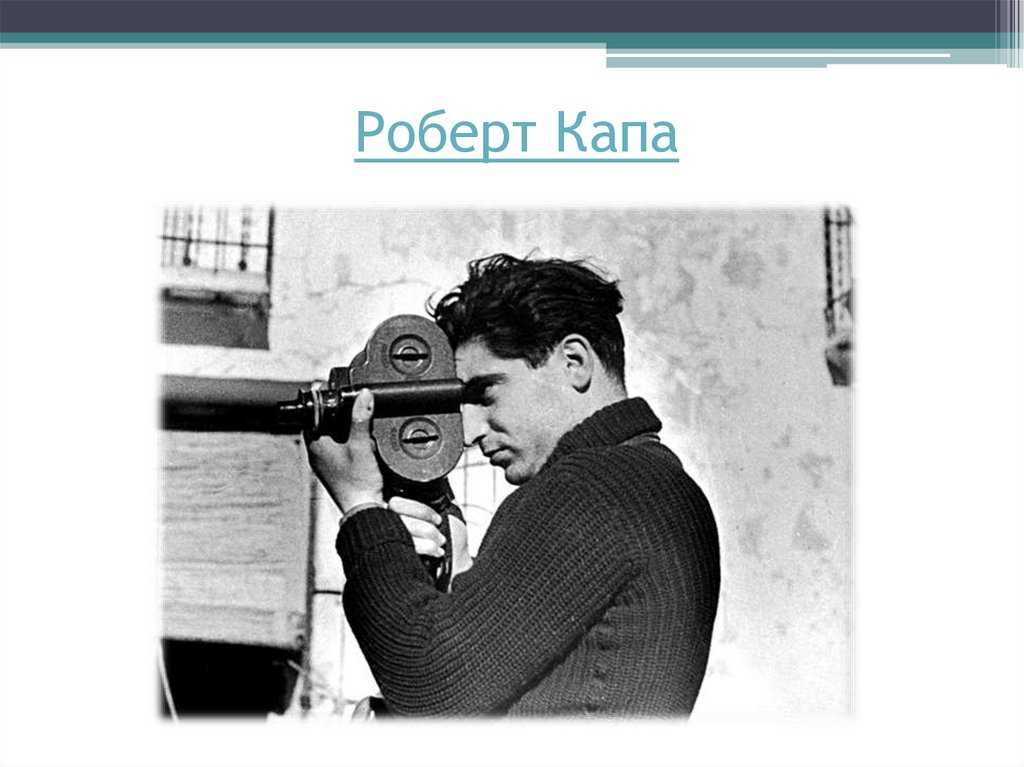
Robert Capa was a renowned photojournalist who captured some of the most iconic images of the 20th century. His daring and innovative approach to photography made him a legend in the field. Here are some of his most famous photographs:
- The Falling Soldier: This image, taken during the Spanish Civil War in 1936, depicts a Republican soldier at the moment of his death. It became one of Capa’s most famous and controversial photographs.
- D-Day Landing: Capa was the only civilian photographer to land with the first wave of troops on Omaha Beach during the Allied invasion of Normandy on June 6, 1944. His photographs captured the intensity and chaos of the landing, and one of them, known as “The Magnificent Eleven,” became an iconic image of World War II.
- The Falling Soldier: This image, taken during the Spanish Civil War in 1936, depicts a Republican soldier at the moment of his death. It became one of Capa’s most famous and controversial photographs.
- Death of a Loyalist Militiaman: Taken during the Spanish Civil War, this photograph shows a Republican soldier at the moment he is fatally shot. The image is powerful and captures the brutality of war.
- The Face of War: This image, taken during the Second World War, shows a tired and haunted soldier in the aftermath of battle. It is a haunting portrayal of the toll of war on both the individual and the collective.
These photographs, among others, solidified Robert Capa’s reputation as a fearless and talented photographer who was willing to put himself in harm’s way to capture the truth of war and conflict.
The Significance of Robert Capa’s Work
Robert Capa was a renowned photojournalist who captured some of the most iconic images of the 20th century. His work is significant for several reasons.
First and foremost, Capa’s photographs documented the human experience during times of conflict and upheaval. His images from the Spanish Civil War, World War II, and other conflicts around the world provided a raw and unfiltered lens into the realities of war. Capa had a unique ability to capture the emotions, bravery, and suffering of those involved, allowing viewers to connect on a deeply human level.
Furthermore, Capa’s work pushed the boundaries of photojournalism by taking risks and experimenting with new techniques. He famously said, “If your photographs aren’t good enough, you’re not close enough,” and he lived by that philosophy. Capa was known for getting up close to his subjects, immersing himself in the action, and capturing powerful images that conveyed a sense of immediacy and intimacy. His daring approach revolutionized the field of war photography and influenced generations of photographers.
Additionally, Capa’s photographs played a crucial role in shaping public perception and understanding of global conflicts. His images were widely published in magazines and newspapers, reaching a broad audience and exposing them to the harsh realities of war. Capa’s ability to capture decisive moments and tell compelling visual stories made his work highly influential, raising awareness and prompting action.
In conclusion, the significance of Robert Capa’s work lies in his ability to document the human experience during times of conflict, push the boundaries of photojournalism, and shape public perception. His photographs continue to resonate today, reminding us of the power of visual storytelling and the importance of bearing witness to history.
Challenges Faced by Robert Capa as a War Photographer
Robert Capa, one of the most iconic war photographers of the 20th century, faced numerous challenges while documenting conflicts around the world. His determination to capture the realities of war put him in dangerous and life-threatening situations. Here are some of the challenges Capa encountered as a war photographer:
Dangerous Conditions: Capa often found himself in the midst of intense battles, exposing himself to the hazards of war. He had to navigate through treacherous landscapes, dodge bullets, and endure extreme weather conditions to capture the perfect shot. By placing himself in harm’s way, Capa was able to provide a unique perspective and convey the true impact of war.
Technical Constraints: In the early years of his career, Capa had to contend with the limitations of camera technology. He used bulky and unreliable equipment, which made capturing fast-paced action difficult. Additionally, film rolls had limited capacity, forcing Capa to carefully select the moments he wanted to capture. Despite these challenges, Capa managed to create some of the most iconic war photographs of all time.
Emotional Toll: Witnessing the horrors of war took a toll on Capa’s mental and emotional well-being. He was often confronted with the harsh realities of violence, suffering, and death, which undoubtedly affected him deeply. Despite the emotional burden, Capa believed in the importance of documenting these events to expose the true face of war to the world.
Political Obstacles: Capa faced political obstacles when trying to get his photographs published. Censorship and propaganda often influenced the dissemination of war imagery, making it challenging for Capa to ensure his work reached a wide audience. Nevertheless, his determination and collaboration with influential publications allowed his photographs to convey the harsh realities of war and make a significant impact on public awareness.
Personal Safety: As a war photographer, Capa’s personal safety was always at risk. He frequently put himself in harm’s way, knowing that he could become a target. Capa, however, believed that taking risks was essential to capturing the true essence of war. This unwavering dedication led to numerous iconic photographs that continue to shape our understanding of historical conflicts.
How did Robert Capa’s work impact the field of photojournalism?
Robert Capa, a Hungarian-born photojournalist, had a profound impact on the field of photojournalism through his daring and innovative approach to documenting war and conflict. His iconic photographs captured the raw emotions and realities of war, allowing viewers to experience the intensity and brutality firsthand. Capa’s work demonstrated the power of visual storytelling and set a new standard for photojournalism.
One of Capa’s most significant contributions to the field was his fearless commitment to being on the front lines of war, often putting himself in danger to get the perfect shot. His famous quote, “If your pictures aren’t good enough, you’re not close enough,” exemplifies his dedication to capturing the essence of war. Capa’s close proximity to the action resulted in powerful and intimate images that resonated with audiences on an emotional level.
Capa’s work also revolutionized the way war was covered in the media. His photographs challenged traditional narratives, providing a more authentic and unfiltered perspective on the horrors of conflict. Capa’s images were not only aesthetically impactful, but they also had a profound social and political impact. They humanized the victims of war and brought attention to the devastating consequences of armed conflict.
Furthermore, Capa’s legacy extends beyond his individual work. He co-founded the Magnum Photos agency, which paved the way for a new generation of photojournalists to continue his groundbreaking style and approach. Magnum Photos became a platform for photographers to pursue their passion for documentary photography and push the boundaries of the medium. Capa’s influence can be seen in the work of countless photojournalists today, who continue to capture the realities of war and conflict with the same courage and dedication that he embodied.
Legacy of Robert Capa
Robert Capa’s legacy is significant and far-reaching, as he established himself as one of the most influential photographers of the 20th century. His groundbreaking work in photojournalism has had a lasting impact on the field, inspiring generations of photographers to document and capture the realities of war and conflict.
Capa’s photographs continue to resonate with viewers, evoking powerful emotions and shedding light on the human experience in times of crisis. His iconic images, such as “The Falling Soldier” during the Spanish Civil War and the D-Day landing on Omaha Beach during World War II, have become widely recognized and have shaped our collective memory of these historic events.
Capa’s relentless pursuit of truth and his unwavering commitment to bearing witness to the human condition have set a standard for photojournalism that endures to this day. His courage, empathy, and ability to capture the essence of a moment in his images have made him a true master of his craft.
In addition to his individual achievements, Capa co-founded the renowned photography agency Magnum Photos, which continues to be a leading voice in the field. Magnum Photos represents a community of photographers committed to storytelling and documenting the world’s most important events and issues.
Through his work, Robert Capa not only left behind a remarkable body of photographs but also a legacy that will continue to inspire and influence photographers for generations to come.