Unlocking the Secrets of Romeo and Juliet Act 5: Answers Revealed
Romeo and Juliet is one of William Shakespeare’s most famous plays, filled with drama, romance, and tragedy. Act 5 is the final act of the play, where the story reaches its climax and tragic conclusion. In this article, we will provide answers to some of the key questions and themes found in Act 5 of Romeo and Juliet.
One of the main questions in Act 5 is whether Romeo and Juliet’s love can conquer the obstacles that stand in their way. Throughout the play, their love has been tested by their families’ feud and societal expectations. In Act 5, this question becomes even more pressing as the couple faces the ultimate challenge of death. Ultimately, Romeo and Juliet’s love proves to be powerful, but it also leads to their downfall.
Another important theme in Act 5 is the role of fate and tragedy in the lives of the characters. Shakespeare explores the idea of a predetermined destiny, where the actions of the characters only serve to fulfill a prewritten script. This is evident in the many misfortunes that befall the characters in Act 5, including the untimely deaths of Romeo and Juliet.
In Act 5, the audience is also confronted with the consequences of impulsive actions and rash decisions. Both Romeo and Juliet make hasty choices that have far-reaching consequences. Romeo’s impulsive nature leads to the deaths of Paris and Tybalt, while Juliet’s decision to fake her own death sets off a chain of events that ultimately leads to tragedy. Shakespeare uses these actions to illustrate the dangers of acting rashly without considering the potential outcomes.
Romeo and Juliet Act 5 Answers
In Act 5 of Shakespeare’s play “Romeo and Juliet,” several key events take place, and the answers to some lingering questions are revealed. This act serves as the climax of the play, where the tragic fate of the young lovers unfolds.
One of the essential questions that Act 5 answers is: “Will Romeo and Juliet be able to overcome the obstacles and be together?” The answer, unfortunately, is no. Despite Friar Lawrence’s plan to reunite them, the miscommunication and timing errors lead to their untimely deaths. Romeo believes Juliet is dead and drinks poison, while Juliet wakes up to find Romeo dead and ultimately decides to take her own life.
Another question that Act 5 answers is: “What will happen to the feuding families of Montague and Capulet?” The answer to this question is that their longstanding feud is finally put to rest. The deaths of Romeo and Juliet serve as a wake-up call for both families, who realize the consequence of their hatred. They agree to end their dispute and acknowledge the tragedy that has unfolded as a result of their feud.
Act 5 also provides an answer to the question: “What will be the legacy of Romeo and Juliet’s love?” The answer to this question is that their love story becomes legendary and serves as a cautionary tale for future generations. Their tragic ending highlights the destructive nature of hatred, impulsive actions, and family feuds. Their love, though doomed, is remembered and serves as a reminder of the power of love and the consequences of irrationality.
Summarizing Act 5 of Romeo and Juliet
In Act 5 of William Shakespeare’s play “Romeo and Juliet,” the story reaches its tragic climax as the two lovers meet their untimely deaths. The act begins with Romeo learning of Juliet’s apparent death and deciding to take his own life. He purchases poison from an apothecary and makes his way to the Capulet tomb, where Juliet’s body lies.
At the tomb, Romeo encounters Paris, who is mourning Juliet’s death. Romeo tries to warn Paris to leave, but they end up fighting and Paris is killed. Romeo then drinks the poison and dies beside Juliet’s body. Moments later, Juliet wakes up from her potion-induced sleep and sees Romeo dead. Overwhelmed by grief, she decides to take her own life as well. She kisses Romeo one last time before stabbing herself with his dagger.
The noise of the fight and the deaths attracts the attention of the watchmen and the Friar, who arrive at the tomb. They discover the tragic scene and the Friar confesses his role in the ill-fated plan. The Prince also arrives and condemns the families’ feud, blaming their hatred for the lovers’ demise.
Finally, the Montagues and the Capulets arrive at the tomb, grief-stricken by the loss of their children. They vow to end their long-standing feud and to build statues in honor of the young lovers. The play concludes with the Prince’s lamentation over the tragic events and the hope that this tragedy will serve as a lesson for both families, reminding them to put aside their differences and strive for peace.
Themes and Motifs in Act 5 of Romeo and Juliet
In Act 5 of Shakespeare’s Romeo and Juliet, several themes and motifs come together to create a tragic tale of love and fate. The themes of love, death, and fate are prominent throughout the act, driving the actions of the characters and shaping the events that unfold.
The theme of love is explored in different ways in Act 5, as we see Romeo’s passionate love for Juliet leading him to make impulsive decisions. The motif of love as a powerful force is evident in Romeo’s desperation to be with Juliet, even in death. This theme also contrasts with the theme of familial love, as the conflict between the Capulets and Montagues is ultimately resolved through the tragic love of Romeo and Juliet.
Death is another prevalent theme in Act 5, as it is the ultimate consequence of the characters’ actions. The motif of death is represented through the suicides of Romeo and Juliet, emphasizing the tragic nature of their love story. This theme also explores the idea of mortality and the fragility of life, as the characters’ deaths serve as a reminder of the inevitability of death.
Fate is a recurring theme in Romeo and Juliet, and Act 5 further emphasizes this idea. The motif of fate is evident in the characters’ belief that their destinies are predetermined and that they cannot escape their fates. This theme is seen through Romeo’s premonition of his own death, as well as the series of unfortunate events that lead to the tragic conclusion of the play.
In conclusion, Act 5 of Romeo and Juliet delves into the themes of love, death, and fate to create a heartbreaking narrative. The motifs of love as a powerful force, death as a consequence, and fate as an inescapable destiny intertwine to shape the tragic events that unfold in this act. Shakespeare masterfully uses these themes and motifs to explore the complexities of human emotions and the inevitability of tragic outcomes.
Key Characters in Act 5 of Romeo and Juliet
In Act 5 of Romeo and Juliet, several key characters play important roles in the tragic events that unfold. These characters include Romeo, Juliet, Friar Laurence, and Paris.
Romeo is the protagonist of the play and is deeply in love with Juliet. In Act 5, Romeo learns of Juliet’s apparent death and decides to take his own life in her tomb. He is impulsive and driven by his intense emotions, which ultimately leads to his downfall.
Juliet is Romeo’s young and passionate lover. In Act 5, Juliet takes a sleeping potion given to her by Friar Laurence, hoping to escape her forced marriage to Paris. However, she awakens to find Romeo dead and takes her own life with his dagger. Juliet symbolizes youthful innocence and the tragic consequences of feuding families.
Friar Laurence is a wise and well-intentioned character who plays a central role in the tragic events of Act 5. He is responsible for giving Juliet the sleeping potion and devising a plan to reunite her with Romeo. However, his plan goes awry when Romeo does not receive his message, resulting in the deaths of both Romeo and Juliet.
Paris is a nobleman and kinsman to the Prince. In Act 5, Paris comes to Juliet’s tomb to mourn her death, not knowing that she is actually alive. When he encounters Romeo, they duel and Paris is killed. Paris represents the arranged marriage and societal expectations that Juliet is trying to escape.
- Romeo
- Juliet
- Friar Laurence
- Paris
In conclusion, the key characters in Act 5 of Romeo and Juliet each contribute to the tragic events that occur. Romeo’s impulsive nature, Juliet’s passionate love, Friar Laurence’s well-meaning but flawed plans, and Paris’s role in the societal expectations all converge to bring about the heartbreaking ending of Shakespeare’s play.
Literary Devices in Act 5 of Romeo and Juliet
In Act 5 of Romeo and Juliet, William Shakespeare employs various literary devices to enhance the dramatic tension and convey the emotional intensity of the tragedy. One of the most prominent devices used in this act is foreshadowing. Through hints and clues, Shakespeare foreshadows the tragic fate of the star-crossed lovers, creating a sense of impending doom. For example, when Juliet speaks to Friar Laurence about her fears before drinking the potion, she says, “What if it be a poison…to have me dead” (5.3.85-86). This foreshadows the ultimate outcome of the plan. The use of foreshadowing adds depth to the narrative and increases the audience’s anticipation of what will happen next.
Another literary device employed in Act 5 is dramatic irony. This occurs when the audience knows something that the characters on stage do not. Shakespeare uses dramatic irony to heighten the emotional impact of certain scenes. One notable example is when Romeo finds Juliet in the tomb and believes her to be dead. The audience knows that Juliet is only sleeping, but Romeo’s tragic misunderstanding leads him to take his own life. This dramatic irony intensifies the sense of tragedy and adds a layer of complexity to the plot.
Shakespeare also utilizes symbolism in Act 5 to convey deeper meanings and themes. One powerful symbol in this act is the tomb of the Capulets. The tomb represents the final resting place for not only Juliet, but also for the love and happiness that could have been. It serves as a metaphor for the tragic consequences of the feuding families’ hatred. Additionally, the use of light and darkness symbolism in Act 5 further emphasizes the themes of love and death. For instance, Romeo describes Juliet as a “torchbearer” in the darkness, symbolizing her role as a beacon of love in his life (5.3.88). These symbolic elements add richness to the text and contribute to its overall impact.
In conclusion, Act 5 of Romeo and Juliet showcases Shakespeare’s masterful use of literary devices to enhance the play’s dramatic tension and emotional depth. Through the use of foreshadowing, dramatic irony, and symbolism, Shakespeare captivates the audience and conveys the complexities of love, fate, and tragedy. These devices elevate the play from a simple love story to a profound exploration of human emotions and the consequences of hatred and feuding.
Analysis of Key Scenes in Act 5 of Romeo and Juliet
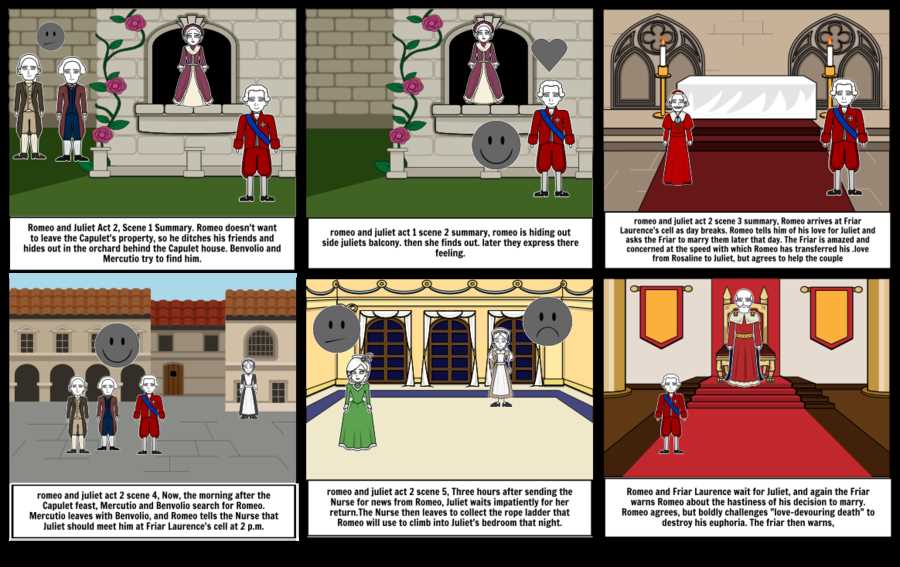
In Act 5 of Shakespeare’s Romeo and Juliet, several key scenes contribute to the tragic and emotional climax of the play. These scenes highlight the themes of fate, love, and the consequences of impulsive actions.
The Scene of Romeo and Juliet’s Deaths
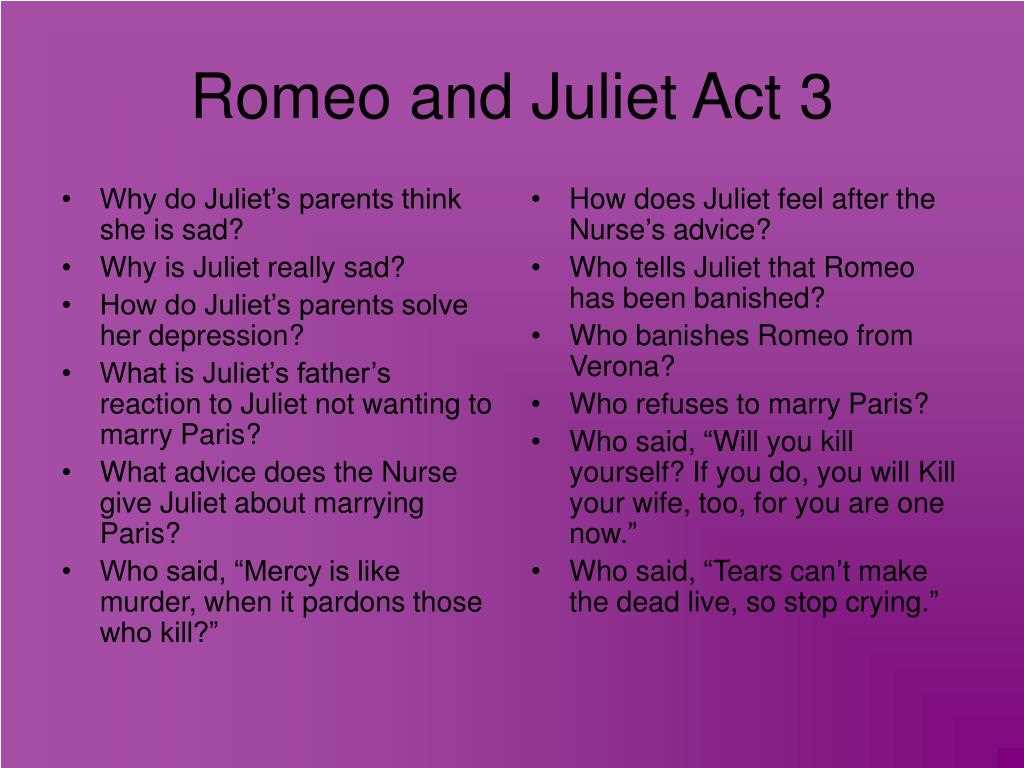
The most pivotal scene in Act 5 is the tragic death of Romeo and Juliet. Shakespeare employs dramatic irony as the audience knows that Juliet is only pretending to be dead, but Romeo, unaware of her plan, believes she is truly deceased. This misunderstanding leads to a series of unfortunate events and ultimately their joint suicides. Their deaths not only signify the tragedy of their untimely end but also serve as a symbol of the destructive power of feuding families and the consequences of uncontrolled emotions.
The Discovery of Juliet’s “Corpses”
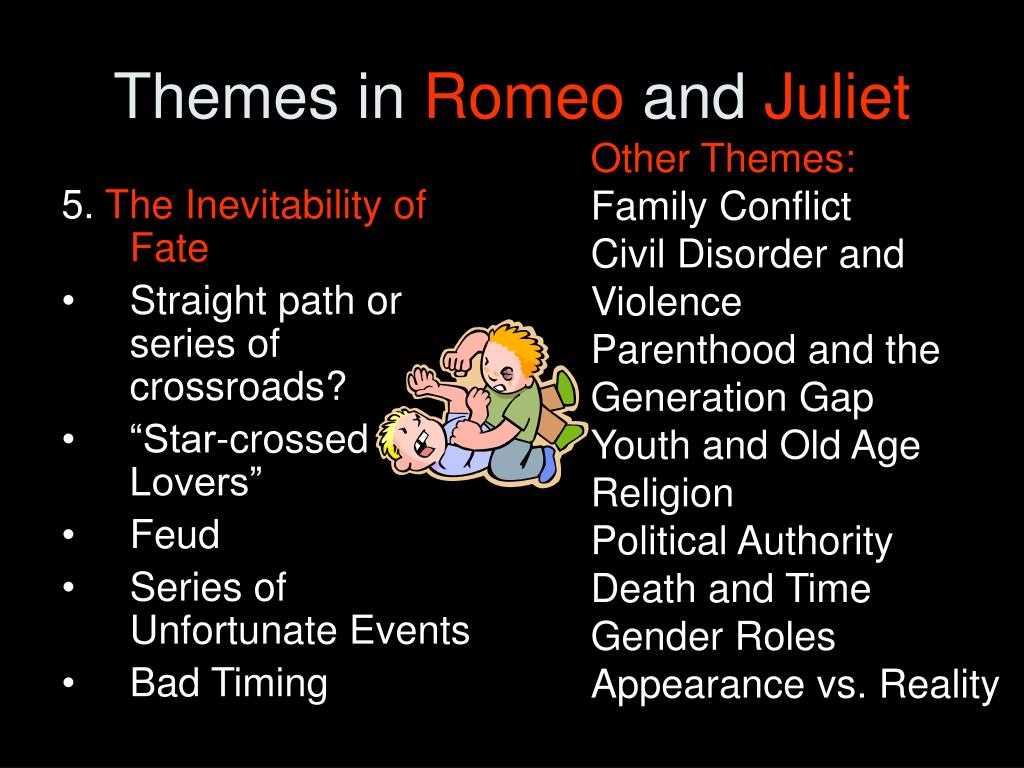
Another crucial scene in Act 5 is the discovery of Juliet’s seemingly lifeless body by her family. This scene is filled with grief, anguish, and despair as Juliet’s parents and Paris mourn her untimely death. The juxtaposition of their sorrow with the audience’s knowledge of Juliet’s feigned death creates a tension that raises the emotional stakes of the play. Additionally, this scene highlights the theme of the inexorable power of fate as Romeo and Juliet’s lives are irreversibly intertwined despite their families’ animosity.
The Reconciliation of the Montagues and Capulets
The reconciliation of the Montagues and Capulets is a significant scene in Act 5 as it brings closure to the long-standing feud between the two families. This moment of reconciliation, prompted by the deaths of their children, serves as a reminder of the devastating consequences of their animosity. Through this scene, Shakespeare conveys the message that love and unity can triumph over hate and division.
In conclusion, Act 5 of Romeo and Juliet showcases key scenes that contribute to the tragic climax of the play. These scenes explore themes of fate, love, and the destructive consequences of impulsive actions. Shakespeare’s masterful use of dramatic irony and emotional depth in these scenes creates a compelling and unforgettable tragedy.
Symbolism and Imagery in Act 5 of Romeo and Juliet
In Act 5 of Shakespeare’s Romeo and Juliet, the use of symbolism and imagery continues to enhance the themes and emotions present throughout the play. Through these literary devices, the reader is able to delve deeper into the characters’ motivations and the tragic consequences of their actions.
Symbols
One of the most prominent symbols in Act 5 is the poison that Romeo acquires from the apothecary. This substance represents the destructive nature of their love and the fatal consequences it brings. It serves as a symbol of their forbidden union and the tragic end that awaits them.
Another important symbol is the dagger that Juliet uses to take her own life. This weapon symbolizes the desperate measures she is willing to take in order to be with Romeo. It also represents the violence and tragedy that result from the feud between their families.
Imagery
The use of imagery in Act 5 helps to intensify the emotions and atmosphere of the play. For example, Shakespeare employs vivid imagery to describe the scene of Juliet in the Capulet tomb. He uses words such as “gory” and “mangled” to depict the gruesome image of Juliet’s lifeless body, heightening the sense of tragedy and despair.
Furthermore, the imagery of light and darkness is prevalent throughout Act 5. This contrast symbolizes the opposing forces of love and death that drive Romeo and Juliet’s relationship. Light represents their love and hope, while darkness signifies their impending doom and the tragic end of their love story.
Conclusion
Through the use of symbolism and imagery in Act 5 of Romeo and Juliet, Shakespeare deepens the audience’s understanding of the characters’ emotions and the themes of love, fate, and tragedy. The symbols of poison and the dagger represent the destructive nature of their love and the violent consequences it brings. The vivid imagery, particularly in the Capulet tomb scene, intensifies the sense of tragedy and despair. Overall, these literary devices enhance the play’s impact and make it a timeless tragic masterpiece.
Q&A:
What is the symbolism of the poison in Act 5 of Romeo and Juliet?
The poison in Act 5 of Romeo and Juliet symbolizes the destructive power of love. It represents a deadly force that ultimately brings about the tragic end of the young lovers.
What is the imagery of light and darkness in Act 5 of Romeo and Juliet?
The imagery of light and darkness in Act 5 of Romeo and Juliet symbolizes the stark contrast between life and death. The light represents hope and love, while darkness represents despair and tragedy.
What is the symbolism of Romeo finding Juliet’s body in Act 5 of Romeo and Juliet?
When Romeo finds Juliet’s body in Act 5 of Romeo and Juliet, it symbolizes the finality of their love and the tragedy that has befallen them. It emphasizes the power of their connection and the devastating consequences of their feuding families.
What is the imagery of flowers in Act 5 of Romeo and Juliet?
The imagery of flowers in Act 5 of Romeo and Juliet represents the fleeting nature of life and love. Just as flowers wither and die, the young lovers’ happiness is short-lived and ultimately leads to their tragic demise.
What is the symbolism of the tomb in Act 5 of Romeo and Juliet?
The tomb in Act 5 of Romeo and Juliet symbolizes death and despair. It acts as a physical representation of the tragic consequences of the feuding families’ actions and foreshadows the tragic fate of the young lovers.
What are some examples of symbolism in Act 5 of Romeo and Juliet?
One example of symbolism in Act 5 of Romeo and Juliet is the use of the color white. This color is often associated with purity and innocence, and in the play, it is used to symbolize death and the afterlife. When Romeo finds Juliet lying in the tomb, her body is described as “beauty’s ensign yet / Is crimson in thy lips and in thy cheeks, / And death’s pale flag is not advanced there.” The mention of “death’s pale flag” represents the symbolic use of the color white to convey the idea of death. Another example of symbolism in this act is the use of the bird, particularly the lark and the nightingale. These birds are often associated with love and are used to signify the contrast between day and night. Romeo and Juliet’s love is forbidden by their feuding families, and their longing to be together is expressed through the imagery of these birds.