Exploring the Tragic Conclusion: Romeo and Juliet Act 5 Scene 3 Questions and Answers
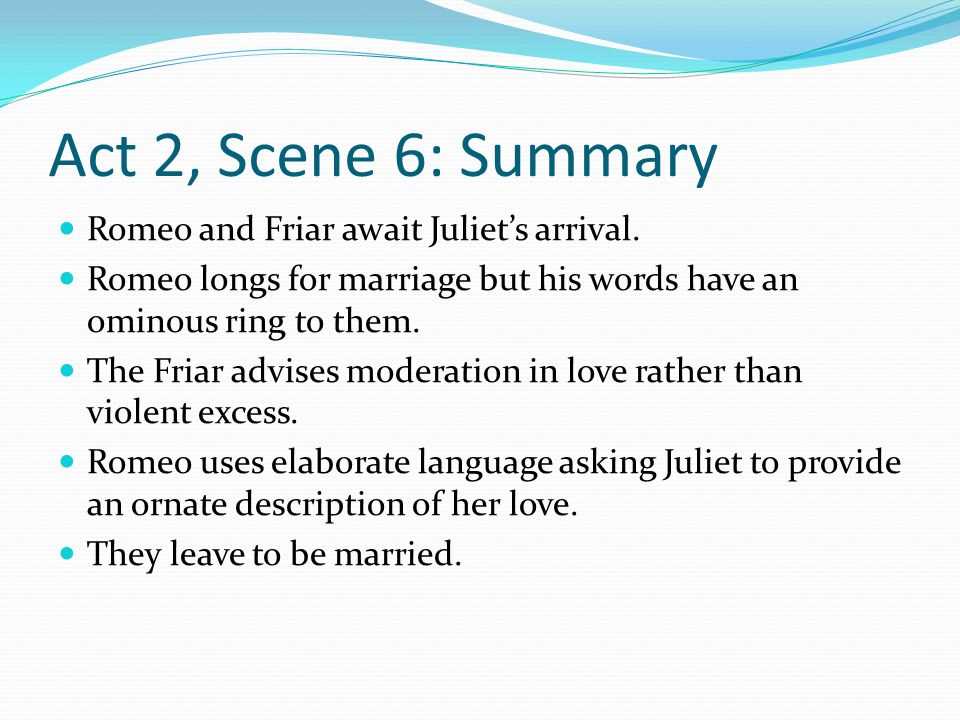
“Romeo and Juliet” is one of William Shakespeare’s most famous plays, exploring the tragic love story of two young star-crossed lovers. Act 5 Scene 3, also known as the final scene of the play, holds significant importance as it concludes the tragic tale of Romeo and Juliet. This scene is an emotional roller coaster, full of suspense and tragedy, and raises several thought-provoking questions about fate, love, and the consequences of impulsive actions.
One of the key questions raised in this scene is the role of fate in Romeo and Juliet’s tragic ending. Throughout the play, there are numerous references to the idea that their fate was predestined and unavoidable. The prologue, in particular, foreshadows their untimely deaths, stating, “A pair of star-crossed lovers take their life.” Act 5 Scene 3 further emphasizes this notion, as Romeo himself declares, “Then I defy you, stars!” This statement raises questions about whether Romeo’s actions were a result of free will or if fate ultimately guided their tragic paths.
Furthermore, Act 5 Scene 3 prompts us to reflect on the power of love and its consequences. Romeo and Juliet’s love was passionate and all-consuming, leading them to make impulsive decisions with fatal consequences. The question arises: Was their love worth the ultimate price they paid? This scene compels us to consider the themes of love and loyalty and the extent to which individuals are willing to go for the sake of their love.
Romeo and Juliet Act 5 Scene 3: Questions and Answers
In Act 5 Scene 3 of Shakespeare’s Romeo and Juliet, the tragic tale comes to its heartbreaking conclusion. This scene takes place in a churchyard, where Romeo arrives to find Juliet lying apparently lifeless in the Capulet family’s tomb. As he mourns her death, Paris arrives with flowers to pay his respects. A fight breaks out between Paris and Romeo, resulting in Paris’s death. Romeo then takes a moment to lament Juliet’s beauty and drink a vial of poison, ending his own life. Just as Juliet begins to wake up, Romeo dies. Juliet, heartbroken, then takes her own life with Romeo’s dagger.
Here are some questions and answers to help you better understand this climactic scene:
- 1. What is the significance of the churchyard?
The churchyard serves as a symbolic setting for the final scene. It represents the boundary between life and death, as well as the influence of fate and religion in the lives of the characters. Additionally, it highlights the forbidden love between Romeo and Juliet, as they belong to feuding families.
- 2. Why does Paris come to the tomb?
Paris comes to the tomb to grieve for Juliet and pay his respects. He genuinely loved her and had plans to marry her. His arrival sets the stage for the confrontation between him and Romeo.
- 3. Why does Romeo fight with Paris?
Romeo fights with Paris because he is distraught over Juliet’s apparent death and believes that Paris is there to dishonor the tomb. Romeo, driven by his passion and desperation, engages in a fight with Paris, resulting in his death.
- 4. What does Romeo say about Juliet’s beauty?
Romeo remarks on Juliet’s beauty even in death, proclaiming that she still looks alive and beautiful despite the pallor of death. This emphasizes his intense love for her and his inability to live without her.
- 5. Why does Juliet wake up just as Romeo dies?
The dramatic irony of the play is that Juliet wakes up just moments after Romeo dies because Friar Lawrence’s plan to reunite the lovers goes awry. The timing tragically demonstrates the power of fate and the star-crossed nature of Romeo and Juliet’s love.
Overall, Act 5 Scene 3 of Romeo and Juliet is a heartbreaking culmination of the play’s themes of love, fate, and tragedy. It leaves the audience with a poignant reminder of the destructive consequences of hate and the power of love to transcend even death.
What happens in Act 5 Scene 3 of Romeo and Juliet?
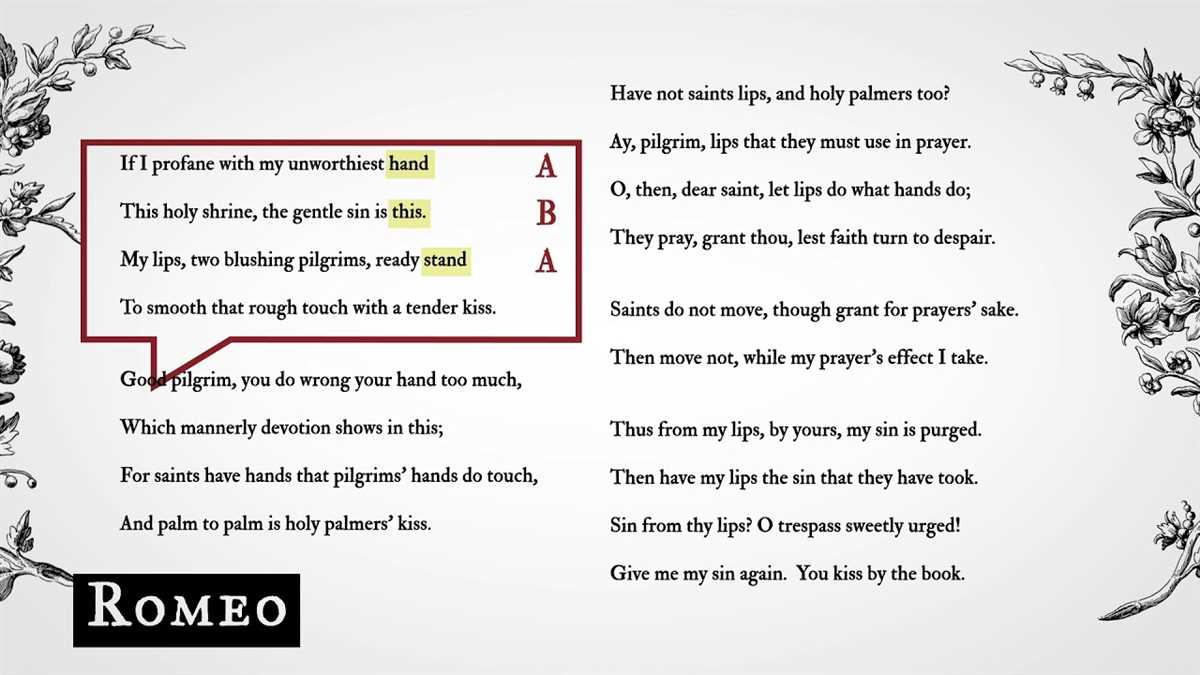
In Act 5 Scene 3 of Romeo and Juliet, the tragic conclusion of the play unfolds. In this climactic scene, Romeo arrives at the Capulet family tomb, where his beloved Juliet lies seemingly lifeless. He has just learned of her death from Balthasar, his loyal servant. Filled with grief and despair, Romeo is determined to join Juliet in death and bids farewell to Balthasar.
Upon entering the tomb, Romeo encounters Paris, who has come to mourn Juliet’s death. Romeo, consumed by his own sorrow, becomes enraged and challenges Paris to a duel. Despite Paris’ valiant efforts, Romeo ultimately kills him. Still immersed in his grief, Romeo next encounters Juliet’s lifeless body and expresses his undying love for her. He drinks a vial of poison he obtained from an apothecary, knowing that death awaits him.
As Romeo takes his last breaths, Juliet awakens from her drug-induced sleep. She sees Romeo dead by her side and realizes the horror of the situation. In despair, she stabs herself with Romeo’s dagger, joining him in death. Their tragic love story comes to a heartbreaking end as their families, the Montagues and Capulets, arrive at the tomb and discover the tragic sight of their beloved children’s lifeless bodies.
How does Act 5 Scene 3 portray the theme of fate and destiny?
In Act 5 Scene 3 of Romeo and Juliet, Shakespeare explores the theme of fate and destiny through various dramatic techniques. The scene takes place in the Capulet family tomb, where Romeo arrives to find Juliet seemingly dead. This tragic event unfolds in a way that suggests that their fate has been predetermined and inevitable.
The use of foreshadowing throughout the play becomes particularly evident in this scene. Romeo’s premonitions of his own death and Juliet’s speech about her fear of waking up alone in the tomb are clear hints at the tragic outcome. These hints suggest that no matter how hard the characters try to resist their fate, they are ultimately powerless against it.
The symbolism of the tomb itself further enhances the theme of fate and destiny. It serves as a physical representation of the characters’ impending deaths and the inescapable nature of their fate. The dark and gloomy atmosphere created by Shakespeare’s descriptions of the tomb adds to the sense of impending doom.
Additionally, the actions of the characters in Act 5 Scene 3 also highlight the theme of fate. Romeo’s decision to take his own life upon seeing Juliet dead reflects his belief in their shared destiny. Juliet’s awakening just moments after Romeo’s death further emphasizes the tragic irony of their situation, as it becomes evident that their deaths could have been avoided if fate had not intervened.
In conclusion, Act 5 Scene 3 of Romeo and Juliet strongly portrays the theme of fate and destiny through the use of foreshadowing, symbolism, and character actions. The scene demonstrates that the characters’ actions and choices are ultimately futile in the face of their predetermined fate.
Role of Friar Lawrence in Act 5 Scene 3
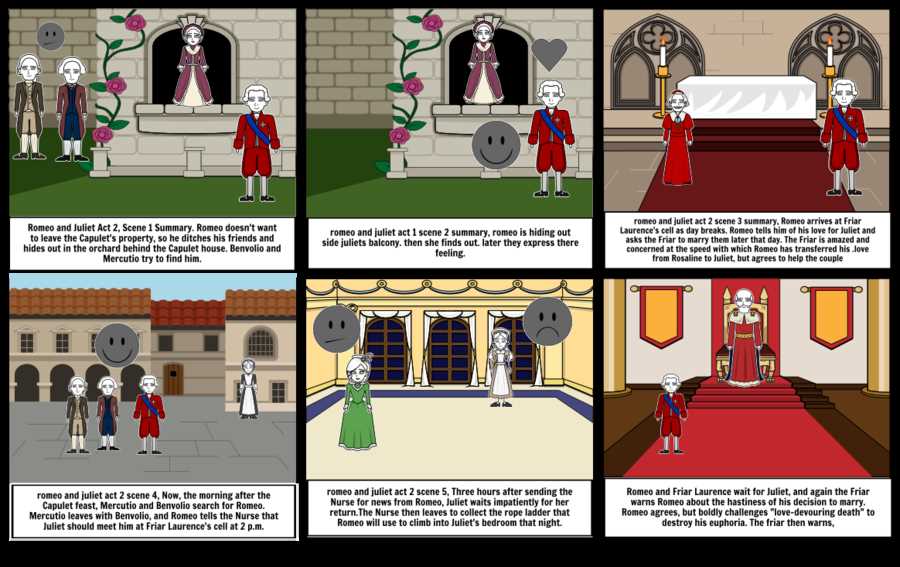
Friar Lawrence plays a crucial role in Act 5 Scene 3 of Romeo and Juliet as he is the one who first discovers the bodies of Romeo and Juliet in the Capulet tomb. His presence in this scene is vital as he serves as a witness to the tragic events that unfold and tries to provide explanations and peace to the warring families.
As the scene begins, Friar Lawrence enters the tomb and is immediately struck by the sight of the lifeless bodies of Romeo and Juliet. His reaction and dialogue demonstrate his genuine shock and grief at the sight, as he exclaims, “What an unkind hour is guilty of this lamentable chance!” and “O me, this sight of death is as a bell that warns my old age to a sepulcher.” These lines reveal both his deep sorrow and his recognition of the consequences of the ongoing feud between the Montagues and Capulets.
Friar Lawrence also takes on the role of narrator in Act 5 Scene 3, providing the audience with a detailed explanation of the events leading up to the tragedy. He recounts how Juliet woke up just as Romeo was taking the poison and how he attempted to keep her from witnessing the tragic scene. His narration adds to the dramatic tension and offers a glimpse into his perspective as a character who has been involved in the events from the very beginning.
Furthermore, Friar Lawrence’s presence in the tomb serves to bring clarity and reconciliation to the feuding families. When the Prince and Montague discover the bodies, Friar Lawrence steps forward and confesses his role in the secret marriage of Romeo and Juliet. He admits, “And I, for winking at your discords too, have lost a brace of kinsmen”, taking responsibility for his own actions and hoping to bring an end to the cycle of violence and tragedy.
Overall, Friar Lawrence’s role in Act 5 Scene 3 of Romeo and Juliet is multi-faceted, ranging from a witness to a narrator and a peacemaker. His presence highlights the consequences of the ongoing feud, offers insight into the characters’ motivations, and ultimately serves as a catalyst for the resolution of the play’s tragic events.
How does Act 5 Scene 3 reveal the tragic flaw of impulsive actions?
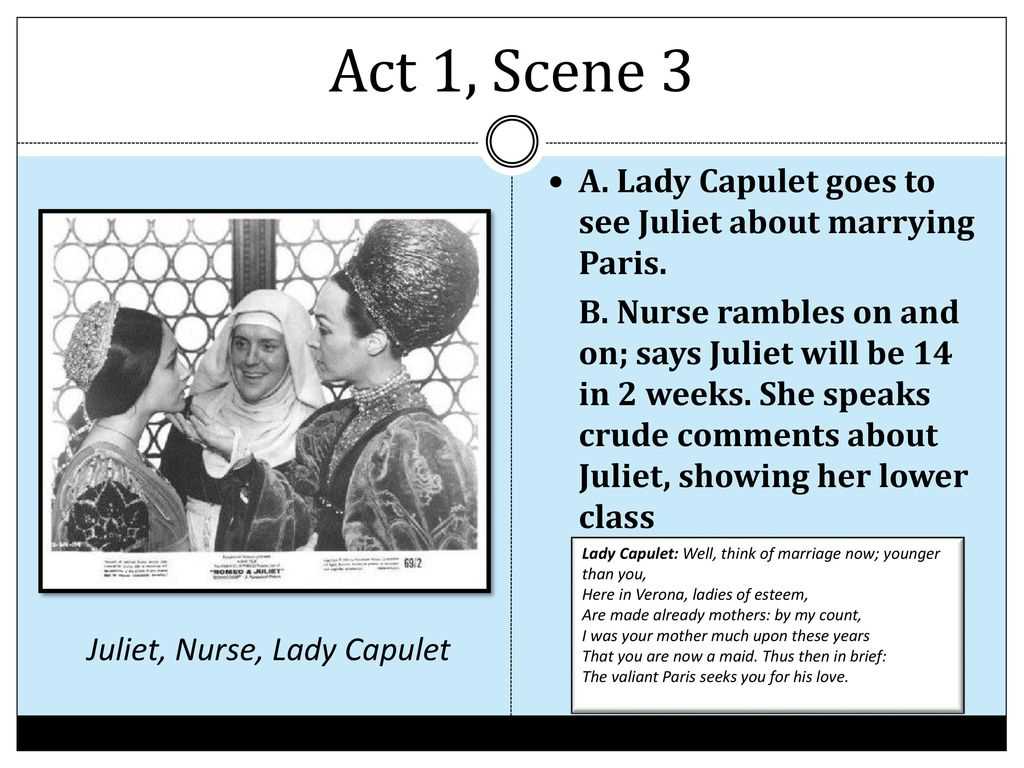
In Act 5 Scene 3 of Shakespeare’s “Romeo and Juliet,” the tragic flaw of impulsive actions is revealed through the actions of the play’s main characters. This scene serves as the climax of the play and showcases the consequences of the impulsive decisions made by Romeo and Juliet.
Romeo, grief-stricken by the news of Juliet’s death, rushes to the Capulet’s tomb without a second thought. His impulsive decision to take his own life is driven by his overwhelming emotions and lack of rationality. He fails to consider the potential consequences or seek alternative solutions. This impulsive action ultimately leads to tragic consequences for both himself and Juliet.
Juliet, upon waking to find Romeo dead, also succumbs to her impulsive nature. She hastily takes her own life in order to be with Romeo in death. Her impulsive decision reveals her inability to think logically and consider the long-term consequences of her actions. Both Romeo and Juliet’s impulsive actions highlight their tragic flaw of letting their emotions cloud their judgment.
Furthermore, the impulsive actions of Romeo and Juliet’s families and friends also contribute to the tragic outcome. Friar Laurence’s impulsive decision to marry the young couple without the knowledge or consent of their families sets in motion a chain of events that leads to their deaths. The Nurse, who has been a trusted confidante to Juliet, also acts impulsively by encouraging Juliet to marry Paris after Romeo’s banishment. These impulsive actions further complicate the already volatile situation and contribute to the tragedy.
In conclusion, Act 5 Scene 3 of “Romeo and Juliet” reveals the tragic flaw of impulsive actions through the rash decisions made by the play’s characters. Their inability to think rationally and consider the consequences of their actions ultimately leads to the devastating outcome of the play. The scene serves as a cautionary tale, reminding the audience of the dangers of acting impulsively without considering the potential repercussions.
What is the significance of Romeo and Juliet’s final lines in Act 5 Scene 3?
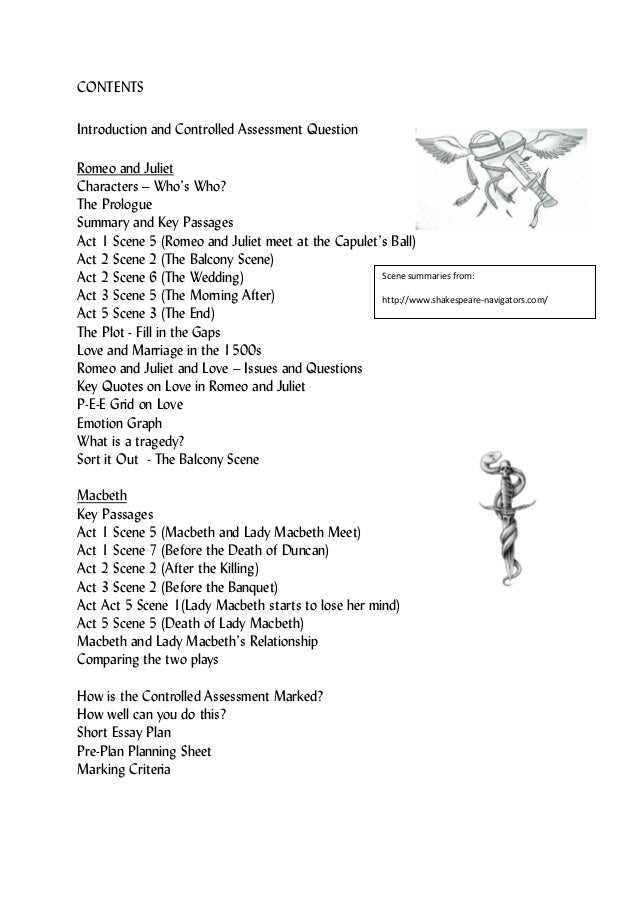
Romeo and Juliet’s final lines in Act 5 Scene 3 are significant as they demonstrate the tragic nature of their love story and the depth of their devotion to each other. Despite their young age and the obstacles they faced, Romeo and Juliet were willing to die for their love. Their final words reflect their intense emotions and their belief that they cannot live without each other.
One of the most memorable lines from this scene is when Romeo says, “Thus with a kiss I die.” This line encapsulates the passion and tragedy of their love story. It shows that Romeo is willing to sacrifice his own life in order to be with Juliet, even though it ultimately leads to their untimely deaths. This line also emphasizes the theme of fate, as Romeo believes that his death is inevitable and predestined.
Juliet’s final lines also hold great significance. She says, “O happy dagger! This is thy sheath; there rust, and let me die.” These words convey Juliet’s desperation and willingness to end her own life in order to be with Romeo. Through this act, Juliet takes control of her own destiny, choosing death over a life without Romeo. Her words highlight the theme of love and sacrifice, as Juliet is willing to give up everything, including her own life, for love.
In addition to showcasing the intense love between Romeo and Juliet, their final lines also serve as a reminder of the tragic consequences of hate and feuding. The deaths of these two young lovers ultimately bring an end to the long-standing feud between their families. Their final words underscore the senselessness and destructive nature of the feud, as it cost the lives of two innocent young people who could have brought peace and reconciliation.
Overall, Romeo and Juliet’s final lines in Act 5 Scene 3 are significant as they symbolize the depth of their love, the tragic consequences of their actions, and the underlying themes of fate, love, and sacrifice that are central to the play. Their words evoke powerful emotions and leave a lasting impact on the audience, reminding us of the consequences of hate and the power of love.
How does Act 5 Scene 3 contribute to the overall tragic ending in Romeo and Juliet?
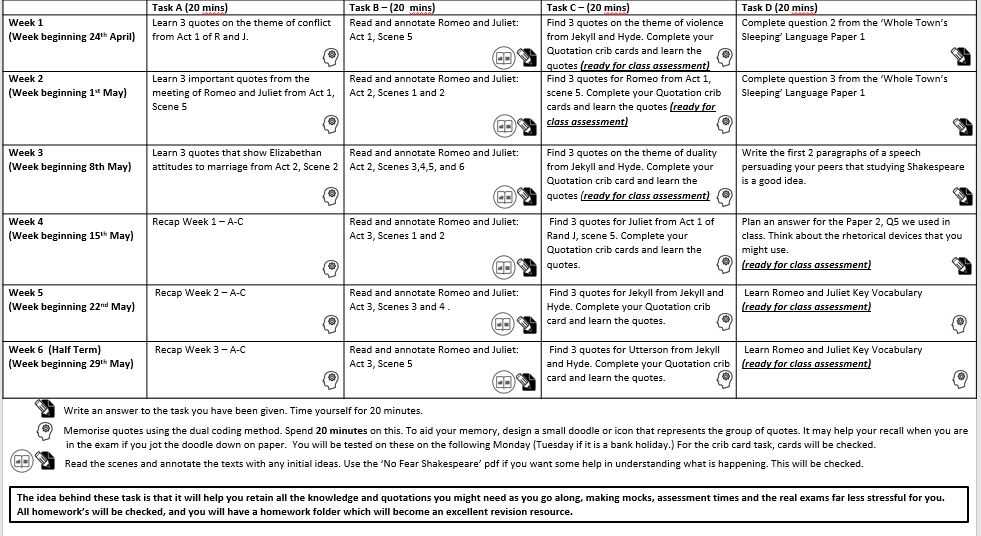
The fifth and final act of William Shakespeare’s “Romeo and Juliet” is undeniably the most tragic. Act 5 Scene 3, also known as the “death scene,” plays a crucial role in contributing to this overall tragic ending. Through the culmination of various tragic elements, this scene highlights the devastating consequences of the lovers’ hasty actions and the fate that awaits them.
- Symbolism: Act 5 Scene 3 is filled with symbolic elements that foreshadow the tragedy to come. Juliet’s soliloquy, where she wakes up to find Romeo dead beside her, reveals her profound understanding of the tragic situation. The repeated references to death, darkness, and poison create a sense of impending doom, accentuating the tragedy of their love story.
- Grief and Despair: The intense grief and despair portrayed in this scene contribute to the overall tragic tone of the play. Juliet’s heart-wrenching reaction to discovering Romeo’s lifeless body emphasizes the depth of their love and the devastating consequences of their secret marriage. The audience is reminded of the profound loss and sorrow experienced by the young lovers’ families and the community as a whole.
- Forced Separation: Act 5 Scene 3 showcases the lovers’ final separation, which is tragically permanent. Unable to live without each other, Romeo and Juliet choose to die together. The various obstacles and miscommunications throughout the play have ultimately led them to this tragic end, emphasizing the destructive power of external forces and societal expectations.
- Tragic Irony: The tragic irony in Act 5 Scene 3 intensifies the overall tragic ending. The audience is privy to the knowledge that Juliet is only asleep, while Romeo, consumed by grief, believes she is dead. This cruel twist of fate magnifies the tragedy of their untimely demise and further emphasizes the misfortunes that befall the star-crossed lovers.
In conclusion, Act 5 Scene 3 is a pivotal moment in “Romeo and Juliet” that contributes significantly to its overall tragic ending. Through symbolism, grief, forced separation, and tragic irony, this scene effectively conveys the devastating consequences of the lovers’ impulsive actions, fate, and the society that seeks to separate them. Shakespeare demonstrates the ultimate price paid for love and the tragic nature of human existence in this timeless tragedy.