Top 10 Sample Questions for Correctional Officer Exam: Master Your Test Prep!
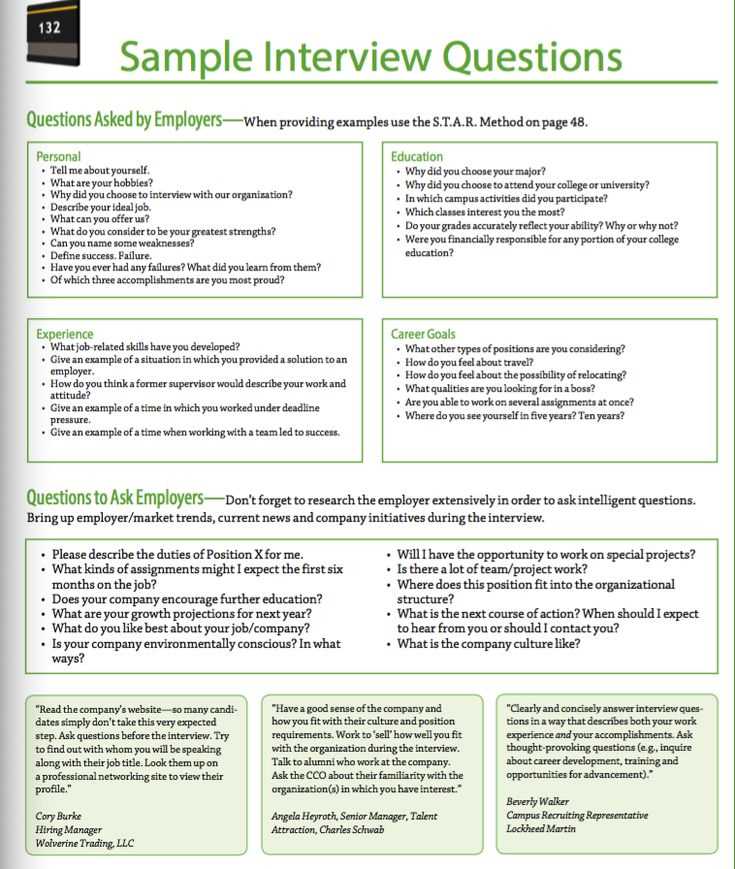
Preparing for a correctional officer exam can be a daunting task, but with the right study materials and practice, you can increase your chances of success. One of the most important aspects of your preparation is becoming familiar with the types of questions that you may encounter on the exam. These sample questions will give you a better understanding of the content and format of the exam and help you identify areas where you may need to focus your study efforts.
One common type of question you may encounter on the correctional officer exam involves scenario-based scenarios. These questions present you with a specific situation or dilemma and ask you to choose the best course of action based on the given options. For example, you might be asked how you would respond to a disruptive inmate or a potential escape attempt. These questions test your ability to think critically and make quick decisions under pressure, skills that are essential to being a successful correctional officer.
Another type of question that is often included in correctional officer exams tests your knowledge of laws and regulations related to the field. You may be asked about the rights of inmates, the proper use of force, or protocols for conducting searches. These questions aim to assess your understanding of the legal and ethical standards that govern correctional facilities, ensuring that you are prepared to uphold the law and protect the safety of both staff and inmates.
Finally, it is important to familiarize yourself with the physical and cognitive abilities required to perform the duties of a correctional officer. Some exams may include questions that assess your physical fitness, such as demonstrating the proper technique for restraining an inmate or performing CPR. Additionally, you may encounter questions that test your problem-solving skills or your ability to handle stressful situations. By practicing these types of questions, you can ensure that you are adequately prepared for all aspects of the exam.
Sample Questions for Correctional Officer Exam
If you are preparing for a correctional officer exam, it is important to have a good understanding of the types of questions that may be asked. Here are some sample questions that you may encounter on the exam:
1. What does the term “secure custody” mean?
a) The physical confinement of inmates
b) Providing rehabilitation services to inmates
c) Allowing inmates to have access to recreational activities
d) Enforcing discipline and order within the correctional facility
Correct answer: a) The physical confinement of inmates
2. What is the role of a correctional officer in maintaining institutional security?
a) Monitoring inmate activities
b) Providing medical care to inmates
c) Assisting with inmate rehabilitation programs
d) Managing the facility’s finances
Correct answer: a) Monitoring inmate activities
3. What is the purpose of conducting regular inmate headcounts?
a) To ensure the safety and security of the facility.
b) To determine the number of inmates eligible for parole.
c) To assess the mental health of inmates.
d) To establish a schedule for inmate visitation.
Correct answer: a) To ensure the safety and security of the facility.
4. How should a correctional officer respond to a violent incident between inmates?

a) Call for backup and attempt to intervene, if necessary.
b) Ignore the incident and let inmates resolve it themselves.
c) Document the incident and report it to superiors.
d) Join in the altercation to establish authority.
Correct answer: a) Call for backup and attempt to intervene, if necessary.
These are just a few examples of the types of questions that you may encounter on a correctional officer exam. It is important to study and prepare in order to increase your chances of success on the exam.
Understanding the Role of a Correctional Officer
Correctional officers play a vital role in maintaining the security and order of correctional facilities. They are responsible for supervising and ensuring the safety of inmates, as well as maintaining the security of the facility itself. In order to succeed in their role, correctional officers must possess a range of skills and qualities, including a strong sense of responsibility, excellent communication skills, and the ability to remain calm in stressful situations.
Responsibility: One of the most important qualities of a correctional officer is a strong sense of responsibility. They are entrusted with the safety and well-being of inmates, as well as the security of the facility. This requires them to be diligent, reliable, and accountable for their actions. The ability to follow and enforce rules and procedures is crucial in maintaining order and ensuring the safety of everyone involved.
Communication Skills: Effective communication is essential in the role of a correctional officer. They must be able to communicate clearly and confidently with inmates, staff members, and other relevant parties. This includes giving and receiving instructions, diffusing conflicts, and providing support or guidance when needed. Strong verbal and nonverbal communication skills are crucial for establishing and maintaining a respectful and professional atmosphere within the facility.
Stress Management: The daily duties of a correctional officer can be demanding and stressful. They often face challenging situations and must be able to remain calm and composed under pressure. The ability to handle stress effectively is important in maintaining personal well-being and making sound judgments in difficult situations. It requires resilience, emotional stability, and the ability to stay focused and objective in highly stressful and potentially dangerous circumstances.
Physical Fitness: Correctional officers are required to have a certain level of physical fitness to perform their duties effectively. They may need to restrain and control inmates, perform searches, and respond quickly to emergency situations. Maintaining good physical health is important for the safety of both officers and inmates. It includes regular exercise, maintaining a healthy diet, and ensuring sufficient rest and sleep.
Professionalism: Correctional officers are expected to uphold high standards of professionalism in their conduct and appearance. They must adhere to the code of ethics and demonstrate integrity, honesty, and respect at all times. Professionalism also includes maintaining confidentiality, being punctual, and continuously seeking opportunities for personal and professional growth.
In conclusion, being a correctional officer requires a combination of skills, qualities, and personal characteristics. It is an important role that requires individuals who are responsible, have strong communication skills, can manage stress effectively, maintain physical fitness, and demonstrate professionalism in all aspects of their work.
Physical Fitness Requirements for Correctional Officers
Being a correctional officer is a physically demanding job that requires strength, endurance, and agility. In order to ensure the safety and security of inmates and staff, correctional officers must meet specific physical fitness requirements. These requirements are designed to assess an individual’s ability to perform the necessary tasks and responsibilities of the job.
Strength and Endurance: Correctional officers must possess sufficient upper body strength to restrain and control inmates when necessary. They must also have endurance to be able to handle long periods of standing, walking, and physical activity throughout their shifts. The ability to quickly and effectively respond to emergency situations is crucial in maintaining a secure environment.
Agility and Flexibility: Correctional officers need to be agile and flexible in order to navigate through confined spaces, climb stairs, and maneuver around obstacles. They may need to respond to incidents in tight or crowded areas, and their physical fitness allows them to move swiftly and safely in these situations.
Cardiovascular Fitness: A high level of cardiovascular fitness is necessary for correctional officers to withstand the physical demands of their job. They may need to engage in pursuits or physically restrain combative inmates, requiring them to have the stamina to sustain intense physical exertion for extended periods of time.
Overall Health and Wellness: Maintaining good overall health and wellness is important for correctional officers. They must undergo regular medical evaluations to ensure they are physically fit for duty. In addition, they should follow a healthy lifestyle that includes regular exercise, a balanced diet, and proper rest to enhance their physical capabilities and reduce the risk of injury.
It is essential for correctional officers to meet these physical fitness requirements to effectively perform their duties and protect the safety of themselves, their colleagues, and the inmates under their care. By maintaining a high level of physical fitness, correctional officers can better handle the physical demands, challenges, and potential hazards of working within a correctional facility.
Procedures and Protocols in Corrections
In the world of corrections, strict adherence to procedures and protocols is of utmost importance. These protocols serve to maintain order, safety, and security within correctional facilities and ensure the well-being of both inmates and staff. Corrections professionals are required to follow a set of guidelines and standard operating procedures to effectively carry out their duties.
One key protocol in corrections is the intake process. When a new inmate enters the facility, it is essential to properly document their personal information, conduct a thorough search for contraband, and complete any necessary medical screenings. This protocol helps prevent the introduction of weapons, drugs, and other prohibited items into the facility, as well as identify any immediate medical needs or mental health issues.
Another important procedure in corrections is maintaining a secure and controlled environment. This involves regularly conducting planned searches of cells, common areas, and inmates to detect and confiscate contraband. Corrections officers must also enforce strict rules and regulations, such as enforcing lockdowns, conducting headcounts, and monitoring inmate movement within the facility. These procedures help prevent violence, escape attempts, and disruptions within the correctional facility.
- Communication protocols are also crucial in corrections. Corrections officers need to effectively communicate with each other to ensure the safety and security of the facility. This includes using radios or other communication devices to relay important information, coordinating responses to emergencies, and accurately documenting incidents or rule violations.
- Use of force protocols are implemented to ensure that force is only used when necessary and within the bounds of the law. Corrections officers are trained to use de-escalation techniques and employ the minimum amount of force necessary to gain control of a situation. This protocol helps protect the rights of inmates and ensures the safety of both staff and inmates.
- Emergency protocols are in place to address various types of emergencies, such as fires, medical emergencies, or riots. Corrections professionals are trained to respond quickly and effectively to these situations, following established protocols to minimize risk and ensure the safety of everyone involved.
By strictly adhering to these procedures and protocols, corrections professionals can maintain a safe, secure, and structured environment within correctional facilities. These protocols serve as a guide for corrections officers, ensuring consistent and effective responses to various situations that may arise in their line of work.
Emergency Situations in Corrections

Emergency situations can occur in any correctional facility, and it is crucial for correctional officers to be prepared to respond quickly and effectively. These emergencies can range from natural disasters, such as floods or earthquakes, to inmate riots or medical emergencies. In order to maintain the safety and security of the facility, correctional officers must undergo rigorous training to handle these situations.
1. Natural Disasters: In the event of a natural disaster, such as a hurricane or tornado, correctional officers must have a plan in place to evacuate inmates to a safe area. This may involve coordinating with other staff members, emergency services, or neighboring facilities. Additionally, officers should be trained in first aid and CPR in case of injuries.
2. Inmate Riots: Inmate riots can be extremely dangerous, both for the inmates involved and for the staff in the facility. Correctional officers must be trained in crisis intervention techniques and have the ability to de-escalate tense situations. They should also be prepared to use force, if necessary, to regain control of the facility.
3. Medical Emergencies: In a correctional facility, medical emergencies can occur at any time. It is essential for correctional officers to receive training in basic first aid and emergency medical procedures. They should also be able to quickly identify signs of distress or illness and respond appropriately, whether it be administering CPR or calling for medical assistance.
4. Fire Emergencies: Fires can be particularly dangerous in a correctional facility due to the confined spaces and the presence of flammable materials. Correctional officers should be trained in fire prevention and suppression techniques. They should also be familiar with evacuation procedures and be able to guide inmates to safety in the event of a fire.
5. Suicidal or Self-Harming Inmates: Unfortunately, inmates may face mental health issues that can lead to self-harming behaviors or suicidal ideation. Correctional officers should be trained in recognizing signs of distress and have the skills to intervene and prevent self-harm. They should also be trained to provide immediate care and secure the area to prevent further harm.
In conclusion, emergency situations in corrections require quick thinking and effective response from correctional officers. With the appropriate training and preparedness, officers can ensure the safety and security of both inmates and staff in these challenging situations.
Legal and Ethical Issues in Corrections
Working in the field of corrections presents numerous legal and ethical challenges that correctional officers must navigate on a daily basis. These issues arise from the need to ensure the safety and security of both inmates and staff, as well as to uphold the rights and dignity of individuals under correctional supervision. It is essential for correctional officers to have a thorough understanding of the legal and ethical principles that govern their work to make informed decisions and maintain professional standards.
Legal Issues

One of the key legal issues in corrections is the protection of inmates’ constitutional rights. This includes ensuring that individuals receive adequate medical care, are free from cruel and unusual punishment, and have access to legal representation. Correctional officers must adhere to established procedures and protocols to avoid violating these rights and potentially facing legal consequences.
Another legal issue that correctional officers encounter is the enforcement of institutional rules and regulations. Officers are responsible for maintaining order and discipline within the correctional facility, and they must do so while respecting the boundaries set by the law. This requires acting within the scope of their authority and using appropriate force when necessary, while also refraining from engaging in unjust or excessive use of force.
Ethical Issues

Alongside legal considerations, correctional officers must also grapple with a range of ethical issues in their daily work. One such issue is the duty to ensure the well-being of inmates. Officers must balance their role as enforcers of the law with a duty to treat individuals with respect, fairness, and compassion. This may involve making difficult decisions that involve trade-offs between security and rehabilitation, and ensuring that disciplinary actions are proportionate and just.
Additionally, correctional officers face ethical challenges related to maintaining their own integrity and avoiding misconduct. It is crucial for officers to uphold high ethical standards, including avoiding conflicts of interest, not engaging in abuse of power, and respecting the confidentiality of inmate information. Failing to adhere to these standards not only undermines the effectiveness of the correctional system but also erodes public trust in the profession.
In conclusion, legal and ethical issues are an inherent part of working in corrections. Correctional officers must navigate complex legal frameworks to protect inmate rights and enforce institutional rules, all while upholding ethical principles and maintaining professionalism. By having a strong understanding of these issues and consistently adhering to legal and ethical guidelines, correctional officers can contribute to the safety, security, and well-being of both inmates and the larger community they serve.
Preparing for the Correctional Officer Exam
Preparing for the correctional officer exam requires careful planning and study. This article has provided a sample of some common questions that may appear on the exam. By familiarizing yourself with the topics covered in these questions, you can better prepare yourself for success.
Understanding the Role: It is essential to have a solid understanding of the duties and responsibilities of a correctional officer. You should be familiar with the protocols and procedures for maintaining security and order within a correctional facility. This includes knowledge of inmate supervision, conflict resolution, and emergency response.
Legal Knowledge: Familiarize yourself with the laws and regulations that govern correctional institutions. You should have an understanding of constitutional rights, inmate rights, and the limitations placed on correctional officers. Additionally, knowledge of relevant federal and state laws will be essential.
Interpersonal Skills: As a correctional officer, you will interact with a diverse range of individuals, including inmates, colleagues, and supervisors. It is important to develop strong interpersonal skills, such as effective communication, conflict resolution, and the ability to remain calm and composed in challenging situations.
Physical Fitness: Correctional officers are required to maintain a level of physical fitness that enables them to perform their duties effectively. This includes strength, endurance, and agility. Regular exercise and maintaining a healthy lifestyle will help ensure you are physically prepared for the demanding nature of the role.
Studying Tips: To prepare for the correctional officer exam, establish a study schedule and stick to it. Review materials provided by the testing agency, such as study guides and practice exams. Additionally, consider joining a study group or seeking guidance from individuals who have successfully passed the exam.
By focusing on these key areas and dedicating time to study and preparation, you can increase your chances of performing well on the correctional officer exam. Good luck in your pursuit of a career in correctional services!