The Importance of SOAP Note Physical Exams for Effective Patient Diagnosis
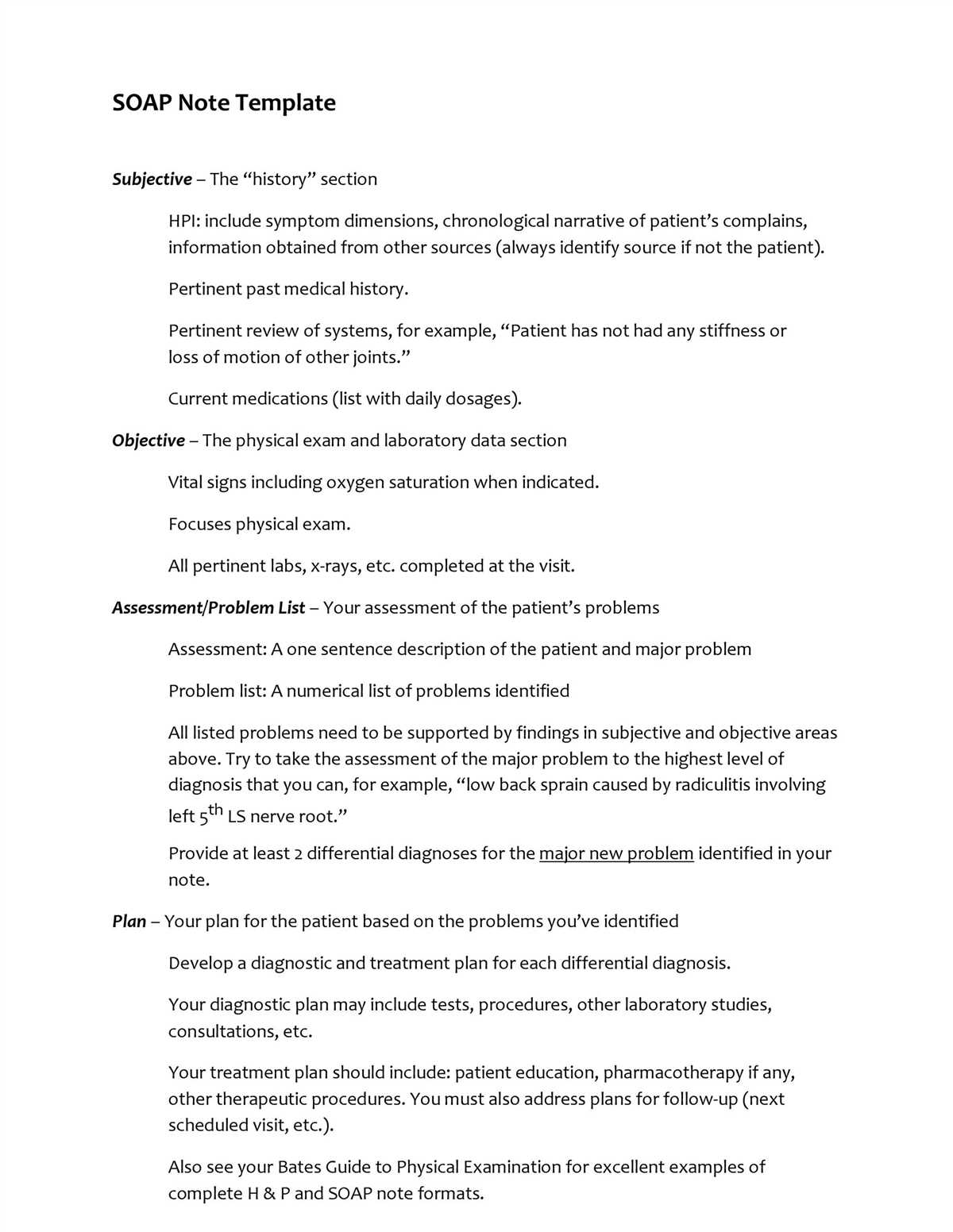
In the medical field, a soap note is a form of documentation used to record patient information. It is an acronym that stands for Subjective, Objective, Assessment, and Plan. The purpose of a soap note is to provide a concise and organized summary of a patient’s medical history, symptoms, physical findings, diagnoses, and treatment plans.
One important aspect of a soap note is the physical exam. A physical exam is a systematic examination of a patient’s body to assess their overall health and identify any signs of disease or abnormalities. It is an essential part of the diagnostic process and helps healthcare providers make informed decisions about a patient’s treatment options.
During a physical exam, healthcare providers typically examine a patient’s vital signs, such as their heart rate, blood pressure, and respiratory rate. They also evaluate their general appearance, including their skin color, posture, and level of consciousness. In addition, they may perform specific maneuvers and tests to assess different body systems, such as listening to the heart and lungs with a stethoscope or checking reflexes and muscle strength.
Understanding the Importance of Soap Note Physical Exam
Soap note physical exams play a crucial role in healthcare as they provide comprehensive and detailed information about a patient’s health status. These exams are an essential part of the diagnostic process and aid in the development of appropriate treatment plans. The acronym SOAP stands for Subjective, Objective, Assessment, and Plan, which represents the structure of the note.
The subjective part of the note includes information given by the patient about their symptoms, medical history, and any other relevant details. This allows healthcare professionals to gather important information directly from the patient and gain insight into their overall condition. The objective part consists of the physical examination findings, such as vital signs, physical appearance, and specific assessments related to the presenting complaint.
By combining the subjective and objective information, healthcare providers can make a comprehensive assessment of the patient’s current health status. This assessment allows them to identify potential underlying conditions, diagnose the problem accurately, and recommend appropriate treatment options. Additionally, the SOAP note physical exam serves as a reference point for future appointments, enabling healthcare professionals to track changes and monitor the effectiveness of interventions over time.
In summary, the SOAP note physical exam is a critical tool for healthcare professionals to gather and record vital information about a patient’s health. It helps guide the diagnostic process, inform treatment plans, and monitor progress. By ensuring thorough and accurate documentation, healthcare providers can provide the best possible care and achieve positive patient outcomes.
The Basics of Soap Note Physical Exam
The soap note physical exam is an important part of a patient’s medical visit. It is a documented record of the physical examination, which allows healthcare professionals to assess the patient’s overall health and detect any abnormalities or potential health problems. The soap note physical exam typically consists of several components, including the patient’s medical history, vital signs, general appearance, and a detailed examination of specific body systems.
Vital signs are crucial in the soap note physical exam as they provide essential information about the patient’s overall health. These include measurements such as blood pressure, heart rate, respiratory rate, and body temperature. These measurements help indicate if the patient is in a stable condition or if there are any signs of illness or distress.
During the general appearance examination, the healthcare professional assesses the patient’s overall appearance, including their level of alertness, body posture, and skin color. This evaluation can provide important clues about the patient’s general health and any potential underlying conditions.
One of the key components of the soap note physical exam is the examination of specific body systems. This involves a systematic evaluation of each body system, such as cardiovascular, respiratory, gastrointestinal, musculoskeletal, and neurological systems. The healthcare professional may use various techniques, such as auscultation, palpation, percussion, or observation, to gather information and identify any abnormalities.
Overall, the soap note physical exam is a comprehensive assessment that helps healthcare professionals evaluate a patient’s health status. It allows for the early detection of potential health problems and guides further diagnostic tests or treatment plans. By carefully documenting the findings from the physical examination, healthcare professionals can provide appropriate medical care and monitor the patient’s progress over time.
Key Components of a Soap Note Physical Exam
In a soap note physical exam, there are several key components that are essential to include in order to provide a comprehensive assessment of a patient’s health status.
1. General appearance: This component focuses on the overall appearance of the patient, including their posture, body language, level of consciousness, and overall cleanliness. It provides important clues about the patient’s well-being and can reveal any obvious signs of distress or abnormalities.
2. Vital signs: Vital signs are crucial measurements that help evaluate the patient’s overall health and identify any signs of physiological abnormalities. This includes measuring the patient’s blood pressure, heart rate, respiratory rate, and temperature.
3. Head and neck: This component involves examining the patient’s head and neck for any abnormalities, such as swelling, lesions, or tenderness. It also includes assessing the patient’s cranial nerves, which control sensory and motor functions of the face and head.
4. Chest and lungs: The assessment of the chest and lungs involves auscultation with a stethoscope to listen for any abnormal breath sounds or signs of respiratory distress. It also includes palpation and percussion of the chest to assess for any abnormalities or tenderness.
5. Cardiovascular system: The cardiovascular system examination focuses on assessing the patient’s heart rate, rhythm, and sound. It may involve listening for abnormal heart sounds, measuring the patient’s blood pressure, and assessing peripheral pulses.
6. Abdomen: The abdomen examination involves palpation to assess for any tenderness, abnormal masses, or organ enlargement. It also includes auscultation to listen for bowel sounds and to identify any abnormal findings.
7. Musculoskeletal system: This component involves assessing the patient’s range of motion, muscle strength, and joint stability. It may involve examining specific areas of concern or conducting a full-body assessment.
8. Neurological system: The neurological system examination focuses on assessing the patient’s sensory and motor functions, reflexes, and coordination. This may involve testing the patient’s sensation, muscle strength, cranial nerve function, coordination, and gait.
9. Skin: The skin examination involves assessing the patient’s skin for any abnormal moles, lesions, or rashes. It also includes checking for signs of dehydration, poor circulation, or skin infections.
10. Assessment and plan: After completing the physical exam, the healthcare provider will summarize their findings, provide a diagnosis or assessment, and develop a treatment plan. This includes any necessary diagnostic tests, medications, or referrals to other healthcare professionals.
Overall, a soap note physical exam includes a comprehensive assessment of the patient’s physical health and provides important information for diagnosis and treatment planning.
Benefits of Utilizing SOAP Note Physical Exams in Healthcare
The SOAP (Subjective, Objective, Assessment, and Plan) note physical exam is a structured and comprehensive approach used in healthcare to document patient assessments and treatment plans. This method offers several benefits that contribute to improved patient care and efficient communication among healthcare professionals.
1. Comprehensive assessment: The SOAP note physical exam provides a systematic framework for healthcare providers to gather subjective and objective information about the patient’s condition. By documenting both the patient’s report of symptoms (subjective) and the clinician’s observations (objective), it ensures a thorough evaluation of the patient’s health status.
2. Effective communication: The SOAP note format facilitates clear and concise communication among healthcare professionals. Each section of the note provides specific information that can be easily understood by other members of the healthcare team, promoting continuity of care and reducing the risk of miscommunication or missed details.
3. Organized documentation: SOAP note physical exams promote organized documentation of patient encounters. The structured format ensures consistency and completeness in recording patient information, making it easier to review and compare data over time. This can be particularly beneficial for long-term management of chronic conditions or tracking changes in patient health status.
4. Enhanced decision-making: The SOAP note physical exam helps healthcare providers in formulating accurate assessments and developing appropriate treatment plans. The clear separation of subjective and objective information allows clinicians to identify patterns, make informed clinical judgments (assessment), and establish evidence-based treatment strategies (plan). This enhances the quality of care provided to the patient.
5. Legal and ethical considerations: Utilizing SOAP note physical exams in healthcare contributes to legal and ethical considerations by providing a documented record of patient encounters. This documentation serves as evidence of the healthcare provider’s adherence to standard protocols, ethical practices, and patient safety. It can also be crucial in defending against potential malpractice claims.
Overall, the SOAP note physical exam offers numerous advantages in healthcare settings. Its structured approach ensures a comprehensive assessment, facilitates effective communication, promotes organized documentation, enhances decision-making, and addresses legal and ethical considerations. By utilizing this method, healthcare providers can provide optimal care, improve patient outcomes, and maintain a high level of professionalism.
Tips for Conducting a Comprehensive Soap Note Physical Exam
When conducting a soap note physical exam, it is important to follow a systematic approach to ensure all necessary information is gathered. This helps healthcare professionals accurately assess a patient’s condition and make well-informed treatment decisions. Here are some tips to help ensure a comprehensive physical examination:
1. Begin with an Introduction
Before starting the physical exam, introduce yourself to the patient and explain the purpose of the examination. Build rapport and ensure the patient feels comfortable and informed throughout the process.
2. Perform a Thorough History Review
Prior to conducting the physical exam, review the patient’s medical history in detail. This will help you understand any pre-existing conditions, previous injuries, or medications that may affect the examination findings. Additionally, ask the patient about their current symptoms, the duration, and any exacerbating or relieving factors.
3. Use a Systematic Approach

To ensure no aspect of the examination is missed, use a systematic approach. Divide the examination into different body systems such as cardiovascular, respiratory, musculoskeletal, etc. Start from head to toe or vice versa, whichever approach you find more comfortable and efficient.
4. Document Objective Findings
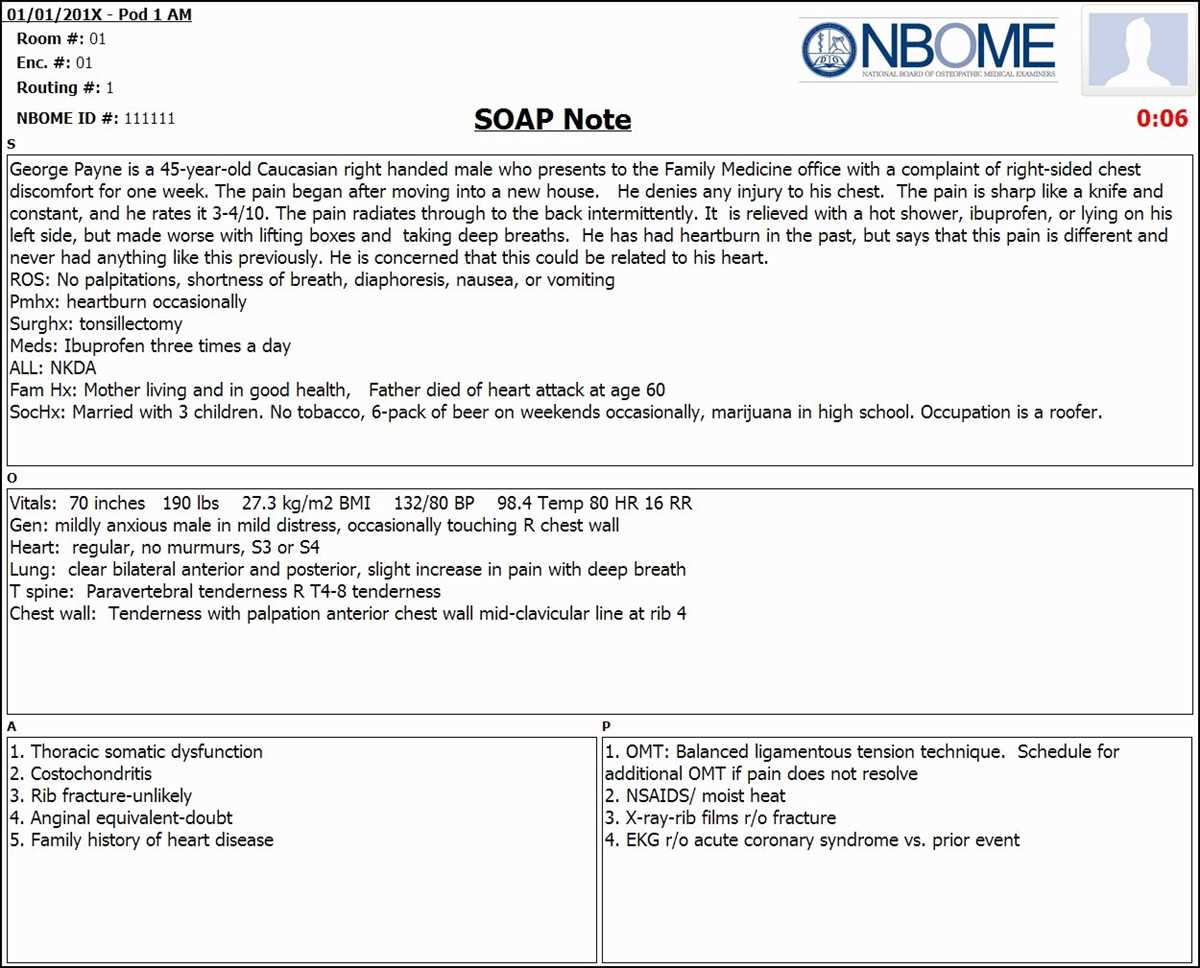
While conducting the physical exam, be sure to document all objective findings. This includes vital signs (such as blood pressure, heart rate, respiratory rate), observations regarding the patient’s appearance, skin condition, joint mobility, and any other relevant physical findings.
5. Involve the Patient

Engage the patient during the physical exam by explaining what you are doing and asking for their feedback or any discomfort they may experience. This helps build trust and ensures better cooperation throughout the examination.
6. Address Patient Concerns
If the patient expresses any concerns or asks questions during the physical exam, take the time to address them. Explain your findings, provide reassurance where appropriate, and direct them to further evaluation or tests if necessary.
By following these tips and conducting a comprehensive soap note physical exam, healthcare professionals can gather all relevant information and provide appropriate care and treatment to their patients.
Best Practices for Documenting Soap Note Physical Exams
In the healthcare field, SOAP notes (Subjective, Objective, Assessment, and Plan) are crucial for documenting patient encounters. The physical exam portion of the SOAP note is an essential component that provides valuable information about a patient’s overall health and well-being.
When documenting physical exams in SOAP notes, there are several best practices that medical professionals should follow to ensure accurate and comprehensive documentation:
- Use clear and concise language: It is important to use plain language that is easily understandable by both healthcare professionals and patients. Avoid using medical jargon or abbreviations that may confuse the reader.
- Include relevant information: Document all pertinent details about the physical exam, such as the patient’s vital signs, general appearance, and any abnormal findings. This helps provide a complete picture of the patient’s current condition.
- Be objective and precise: Stick to the facts and avoid making subjective interpretations. Use precise measurements and descriptions when documenting physical exam findings to maintain accuracy.
- Organize information in a structured manner: Use headings and subheadings to clearly identify different sections of the physical exam. This helps healthcare professionals quickly locate specific information when reviewing the SOAP note.
- Be thorough and comprehensive: Ensure that all relevant body systems are examined and documented. This includes conducting a comprehensive head-to-toe examination and documenting any abnormalities or deviations from the norm.
By following these best practices, healthcare professionals can create SOAP notes that accurately reflect a patient’s physical exam findings and provide a clear understanding of their overall health. This documentation is vital for effective communication among healthcare professionals and for delivering high-quality patient care.
Q&A:
What is a soap note physical exam?
A soap note physical exam is a documentation method used by healthcare providers to record the findings of a patient’s physical examination. The acronym “SOAP” stands for Subjective, Objective, Assessment, and Plan, which are the four main sections of the note.
What are the best practices for documenting a soap note physical exam?
The best practices for documenting a soap note physical exam include using clear and concise language, being specific about the patient’s condition and findings, recording all relevant information, including vital signs and measurements, and ensuring the note is organized and easy to understand for other healthcare providers.
Why is it important to document physical exam findings in a soap note?
Documenting physical exam findings in a soap note is important for several reasons. It provides a record of the patient’s condition at the time of examination, allows for continuity of care between different healthcare providers, helps in the diagnosis and treatment planning process, and serves as a legal and professional documentation of the encounter.
What should be included in the subjective section of a soap note physical exam?
The subjective section of a soap note physical exam should include information gathered from the patient’s history and symptoms. This may include the patient’s chief complaint, medical history, current medications, allergies, and any relevant social or family history. It is important to accurately record the patient’s subjective information in their own words.
What should be included in the objective section of a soap note physical exam?
The objective section of a soap note physical exam should include the healthcare provider’s observations and measurements obtained during the physical examination. This may include vital signs, physical findings, diagnostic test results, and any other objective data relevant to the patient’s condition. It is important to be thorough and specific in documenting the objective findings.
What are some best practices for documenting soap note physical exams?
Some best practices for documenting soap note physical exams include using clear and concise language, providing objective and measurable information, organizing the note in a logical format, documenting all findings and observations, and avoiding vague or subjective statements.
Why is it important to use clear and concise language when documenting a soap note physical exam?
Using clear and concise language in a soap note physical exam helps to ensure that the information is easily understood by other healthcare professionals who may need to reference the note. It also helps to avoid any misinterpretation or confusion when communicating the patient’s condition or progress.