The Ultimate Guide to Acing Your Sociology 101 Exam 2: Answers Included!
Sociology is the study of human society, social relationships, and social behavior. It explores the various aspects of human interaction, such as culture, social institutions, and social change. In a sociology 101 course, students are introduced to the fundamental concepts, theories, and methods of sociological research.
Exam 2 is an important assessment that evaluates students’ understanding of the course material covered in the weeks leading up to the exam. It tests their knowledge on topics such as socialization, social structure, social stratification, and social groups. This exam is designed to assess students’ ability to apply sociological theories and concepts to real-world scenarios.
In this article, we will be providing answers and explanations to some of the questions from a typical Sociology 101 Exam 2. These answers will help students review and prepare for the exam, as well as gain a deeper understanding of the sociological concepts and theories discussed in class. By understanding these answers, students can enhance their ability to critically analyze social phenomena and further develop their sociological imagination.
Remember, it’s important to not just memorize the answers, but to also understand the underlying concepts and be able to apply them to different scenarios. Sociology is a dynamic field, and being able to think sociologically is a valuable skill in understanding and navigating the complex social world we live in.
Sociology 101 Exam 2 Answers
Sociology 101 Exam 2 covers various topics related to social behavior, social interactions, and social institutions. This exam aims to test students’ understanding of key sociological concepts and theories. Here are some potential answers that students may provide for specific questions:
Question 1: Define socialization and explain its significance in society.
Answer: Socialization refers to the process through which individuals acquire the knowledge, attitudes, values, and behavior patterns of their society. It involves learning social norms, roles, and expectations that are necessary for individuals to become functioning members of their society. Socialization is significant because it helps individuals develop a social identity and enables them to navigate social interactions effectively.
Question 2: Discuss the role of culture in shaping human behavior.
Answer: Culture plays a crucial role in shaping human behavior as it provides the shared framework of meanings, beliefs, values, norms, and practices that guide individuals’ actions. It influences individuals’ perceptions, emotions, and cognitive processes, shaping their behavior in various social contexts. Culture also determines the boundaries of what is considered acceptable or deviant behavior in a society.
Question 3: Explain the concept of social stratification and its impact on society.

Answer: Social stratification refers to the division of society into different social classes or groups based on factors such as wealth, power, and prestige. It creates social inequalities and hierarchies, with some individuals having more opportunities, resources, and privileges than others. Social stratification impacts society by influencing individuals’ life chances, access to education, healthcare, and overall well-being. It perpetuates social divisions and can lead to social unrest and conflict if inequalities become extreme.
Question 4: Discuss the major perspectives in sociology and their approach to studying society.
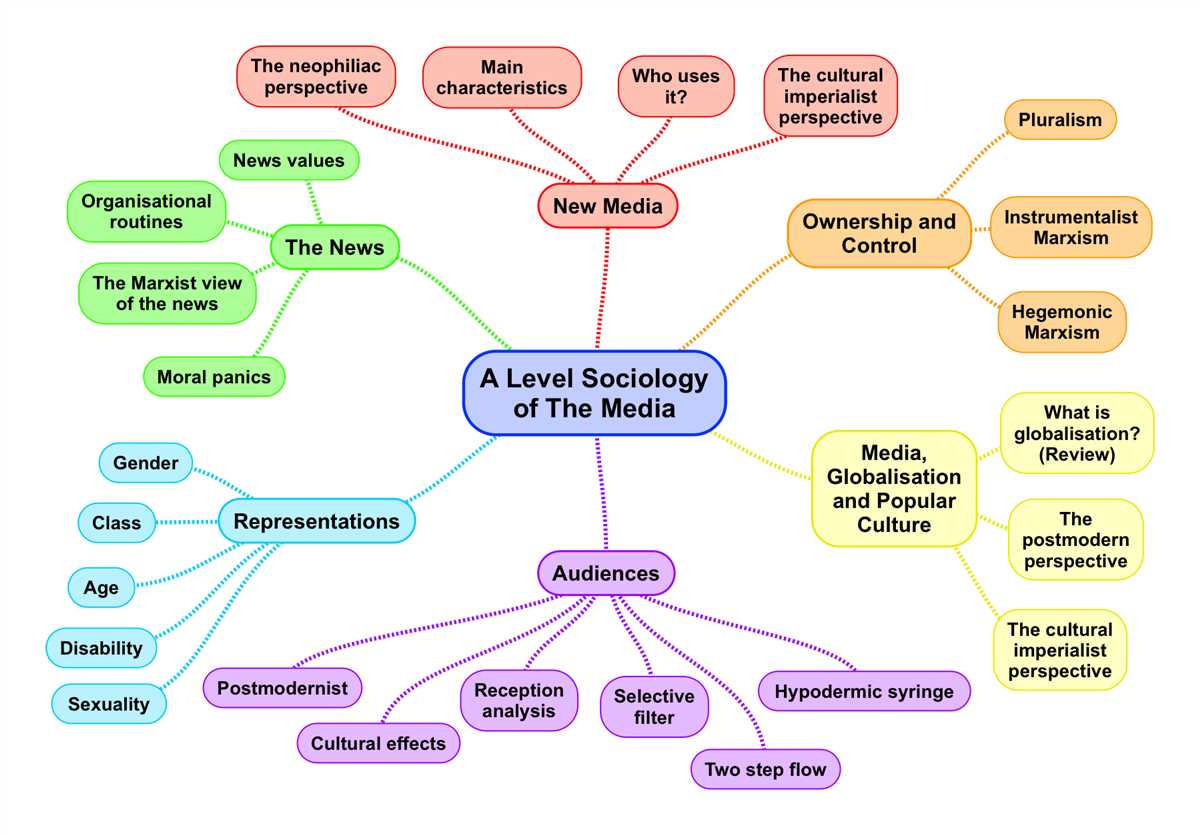
Answer: The three major perspectives in sociology are structural-functionalism, conflict theory, and symbolic interactionism. Structural-functionalism focuses on how different parts of society work together to maintain social order and stability. Conflict theory emphasizes the role of power and social conflicts in shaping society. Symbolic interactionism examines how individuals interact and communicate to create shared meaning and social reality. Each perspective provides unique insights into understanding social phenomena and offers different analytical frameworks to study society.
By demonstrating a clear understanding of sociological concepts and theories, students can provide well-rounded answers to questions in Sociology 101 Exam 2.
Definition of Sociology and Key Concepts
Sociology is the scientific study of society, social behavior, and the patterns of relationships that exist within groups of people. It seeks to understand and explain how individuals and groups interact, and how social structures and institutions shape people’s lives and experiences. By examining social norms, social inequality, and social change, sociology provides insights into the social world and helps us understand how society and its members are interconnected.
Key concepts in sociology include socialization, social structure, social institutions, and social inequality. Socialization refers to the process by which individuals are socialized to learn the norms, values, and behaviors of a particular society or group. It involves the acquisition of language, social norms, and cultural practices. Social structure refers to the patterns of relationships, roles, and positions that exist within a society. It encompasses the organization of society, including social institutions such as the family, education, and government.
Social institutions are the various systems and organizations that help a society meet its basic needs and maintain social order. They include institutions such as the economy, religion, politics, and healthcare. Social inequality refers to the unequal distribution of resources, opportunities, and power in society. It can be based on factors such as race, gender, social class, and age, and it leads to different social outcomes and experiences for individuals and groups.
- Socialization: The process by which individuals learn the norms, values, and behaviors of a particular society or group.
- Social structure: The patterns of relationships, roles, and positions that exist within a society.
- Social institutions: Various systems and organizations that help a society meet its basic needs and maintain social order.
- Social inequality: The unequal distribution of resources, opportunities, and power in society.
These key concepts provide a framework for understanding and analyzing the complex dynamics of human societies. Sociology helps us uncover the underlying social processes and structures that shape our lives, and it offers valuable insights into the ways in which society influences individual behavior and vice versa.
Sociological Theories
Sociological theories are frameworks that help us understand the social world and the interactions within it. They provide us with a lens through which we can analyze and explain various social phenomena. These theories help sociologists make sense of the complex and diverse nature of society by providing different perspectives and approaches to studying human behavior and social structures.
One prominent sociological theory is functionalism, which views society as a system composed of interconnected parts that work together to maintain social order and stability. According to this perspective, individuals and institutions function to meet the needs of society as a whole. Functionalism emphasizes the importance of social structures and institutions in shaping individuals’ behaviors and actions.
Another significant sociological theory is conflict theory, which posits that society is characterized by ongoing conflicts and struggles for power and resources. According to this perspective, social inequality and power imbalances are inherent in society, and individuals and groups with more power exploit and dominate those with less power. Conflict theory focuses on identifying the underlying power dynamics and social inequalities that contribute to social change and social unrest.
Symbolic interactionism is another sociological theory that emphasizes the significance of symbols, meanings, and interactions in shaping social processes and individual behavior. According to this perspective, individuals construct their reality through their interactions with others and the shared meanings they attach to symbols. Symbolic interactionism focuses on how individuals interpret and respond to symbols and how these interpretations shape their social interactions and identities.
These are just a few examples of the many sociological theories that exist. Each theory offers unique insights into different aspects of society and helps us understand society’s complexities and dynamics. By studying these theories, sociologists gain valuable tools to analyze and explain social phenomena and contribute to a deeper understanding of human behavior and social structures.
Research Methods in Sociology
Sociology is a social science that aims to understand and explain human behavior in society. As with any scientific discipline, sociologists use research methods to collect data and analyze social phenomena. These research methods allow sociologists to test hypotheses, draw conclusions, and contribute to the body of sociological knowledge.
One of the most common research methods in sociology is observation. Sociologists often conduct both participant observation and non-participant observation to gather data about social interactions and behaviors. Participant observation involves the researcher actively participating in the social setting being studied, while non-participant observation involves the researcher simply observing the social setting without actively participating. Both methods provide valuable insights into the social dynamics and patterns within a given group or community.
Surveys are another important research method in sociology. Surveys involve the collection of data through questionnaires or interviews. Surveys enable sociologists to gather information on a wide range of topics and can be administered to large samples of people. Surveys can provide quantitative data that can be analyzed statistically, allowing sociologists to identify patterns and correlations in the data.
Experiments are a research method often used in sociology to establish cause-and-effect relationships. Experimental research involves manipulating variables and observing the effects on the dependent variable. Sociologists may conduct laboratory experiments, where variables are controlled, or field experiments, where variables are manipulated in real-world settings. Experimental research allows sociologists to draw conclusions about the impact of specific social factors on human behavior.
In addition to these research methods, sociologists also use content analysis, historical research, and secondary data analysis. Content analysis involves the systematic examination of texts, such as newspapers, books, or social media posts, to identify themes and patterns. Historical research involves analyzing historical documents and records to understand past social phenomena. Secondary data analysis involves analyzing existing data collected by other researchers or organizations. These research methods in sociology contribute to a comprehensive understanding of society and human behavior.
Culture and Society
Culture can be defined as the shared beliefs, values, customs, behaviors, and artifacts that characterize a society or social group. It is the lens through which individuals perceive and interpret the world around them. Culture is not innate; rather, it is learned and transmitted from one generation to the next through socialization. It is also dynamic and constantly evolving, influenced by various factors such as technology, globalization, and social change.
Society, on the other hand, refers to a group of individuals who share a common territory, interact with one another, and share a common culture. Society is comprised of social institutions, such as family, education, religion, and the economy, which shape individuals’ behaviors and interactions. Society provides individuals with a sense of belonging and identity, as they are socialized into its norms and values.
In the study of sociology, culture and society are closely interconnected. Culture provides the building blocks of society, as it shapes individuals’ attitudes, beliefs, and behaviors. Society, in turn, influences and enforces cultural norms and values through various social institutions. Both culture and society are key concepts in understanding and analyzing human behavior and social dynamics.
Table:
| Culture | Society |
|---|---|
| Shared beliefs, values, customs, behaviors, and artifacts | Group of individuals sharing a common territory and culture |
| Learned and transmitted through socialization | Shapes individuals’ behaviors and interactions |
| Dynamic and constantly evolving | Enforces cultural norms and values |
In conclusion, culture and society are intertwined concepts that shape and influence one another. Culture provides the foundation for society, while society enforces and perpetuates cultural norms and values. Understanding the relationship between culture and society is essential in studying human behavior and social dynamics.
Socialization and Identity
Socialization is the process through which individuals acquire the knowledge, values, and behaviors that are necessary for social participation. It is a lifelong process that begins from the moment we are born and continues throughout our lives. Socialization is a crucial aspect of our development as it helps shape our identity and determines the way we interact with others in society.
During the process of socialization, individuals learn about the norms, values, and expectations of their society. This includes understanding how to behave in different social situations, the language and communication styles used in their culture, and the roles and responsibilities associated with their gender, class, and other social categories. Socialization helps individuals internalize these social norms and expectations, which then guide their behavior and shape their identity.
Identity is the set of characteristics, beliefs, values, and behaviors that define an individual or a group. It is an ongoing process that is influenced by various factors, such as socialization, personal experiences, and individual choices. One’s identity is shaped by both internal factors, such as personal values and beliefs, and external factors, such as societal norms and expectations.
Socialization plays a vital role in the formation of an individual’s identity. Through socialization, individuals acquire a sense of self and develop a consciousness of their social roles and positions. They also learn to navigate and negotiate their identity within the larger social context. For example, socialization helps individuals understand and internalize the roles and expectations associated with their gender, race, ethnicity, or class, which subsequently influence their self-perception and behavior.
Overall, socialization is an essential process that shapes our identity and determines how we interact with others in society. It helps individuals acquire the necessary knowledge, values, and behaviors to participate effectively in their social world. Understanding the processes of socialization and identity formation is crucial for studying sociology as it provides insights into how individuals become members of society and how their identities are shaped by social interactions and structures.
Social Stratification and Inequality
Social stratification and inequality are pervasive and influential aspects of our society. They shape our lives in profound ways, determining our access to resources, opportunities, and power. Understanding these phenomena is crucial for a comprehensive understanding of society and its functioning.
Social stratification refers to the division of society into distinct layers, or strata, based on factors such as wealth, occupation, education, and social status. These strata are not randomly allocated; rather, they are structured in a hierarchy, with some groups enjoying more privileges and advantages than others. This hierarchy creates social inequality, which refers to the unequal distribution of resources, opportunities, and rewards among individuals and groups.
One key aspect of social stratification is social mobility, which refers to the ability of individuals to move up or down the social ladder. While some societies offer greater opportunities for upward social mobility, others have more rigid social structures that hinder mobility. Those at the top of the social hierarchy, often referred to as the upper class, typically have greater access to resources and power, while those at the bottom, such as the working class or underclass, face greater challenges and fewer opportunities.
Social stratification and inequality are not only determined by individual characteristics, but also by structural factors such as economic systems, political institutions, and cultural norms. These factors interact and reinforce each other, perpetuating social inequality and creating barriers to social mobility. For example, economic systems that prioritize profit and wealth accumulation can widen the gap between the rich and the poor, while discriminatory cultural norms can marginalize certain groups and limit their opportunities.
It is important to recognize that social stratification and inequality are not natural or inevitable. They are social constructions that can be challenged and changed. Sociologists study these phenomena to shed light on their causes, consequences, and potential solutions. By understanding the mechanisms behind social stratification and inequality, we can work towards creating a more equitable and just society for all.