The Unique Insights into Understanding the Specific Heat of Metal Lab Results
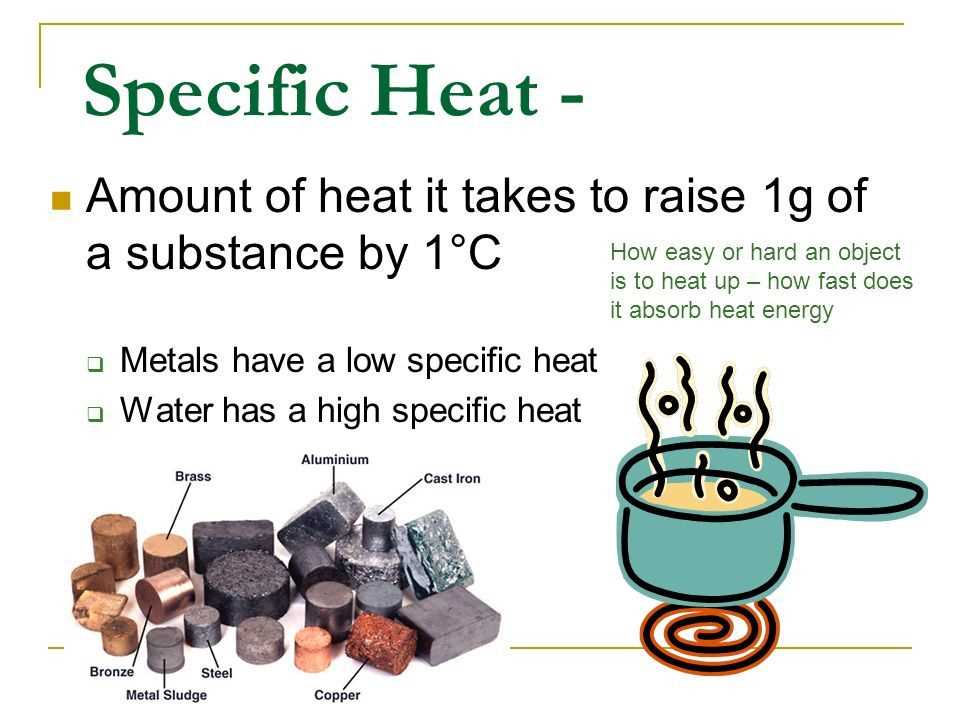
The specific heat of a metal is an important physical property that represents the amount of heat energy required to raise the temperature of a certain amount of metal by a certain number of degrees. Determining the specific heat of a metal can provide valuable insights into the behavior of that metal and its suitability for various applications.
In a specific heat of metal lab, students typically measure the mass of a metal sample and then heat it to a known temperature. The heated metal is then placed into a calorimeter filled with a known amount of water at a lower temperature. By measuring the change in temperature of the water, students can calculate the heat transferred from the metal to the water using the equation Q = mcΔT, where Q is the heat transferred, m is the mass of the water, c is the specific heat capacity of water, and ΔT is the change in temperature of the water.
Once the heat transferred from the metal to the water is known, students can use this information to calculate the specific heat of the metal using the equation Q = mcΔT, where Q is now the heat transferred from the metal, m is the mass of the metal, and c is the specific heat of the metal. By rearranging this equation, students can solve for the specific heat of the metal.
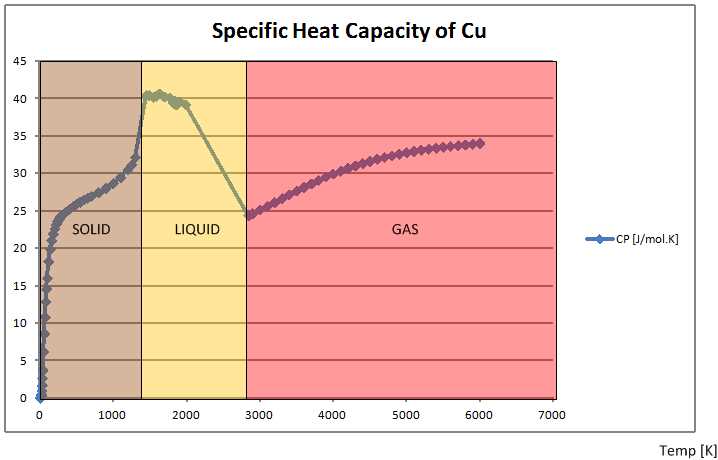
The specific heat of a metal can vary depending on its composition and structure. Different metals have different specific heat capacities, which can be influenced by factors such as atomic structure, molecular weight, and bonding forces. Understanding the specific heat of a metal can have practical applications in fields such as engineering, metallurgy, and materials science.
Specific Heat of Metal Lab Answers

In the specific heat of metal lab, we conducted experiments to determine the specific heat of different metals. Specific heat is a measure of how much heat energy is required to raise the temperature of a substance by a certain amount. This lab allowed us to observe and compare the specific heat values of various metals.
To begin the lab, we collected samples of different metals, including copper, aluminum, and iron. We measured the masses of the metal samples using a balance, and then heated each sample to a specific temperature using a Bunsen burner. The initial and final temperatures were recorded using a thermometer.
Next, we placed the heated metal samples into calorimeters filled with water. The water acted as the medium for transferring heat, allowing us to measure the temperature change of the water and calculate the specific heat of the metal. We recorded the initial temperature of the water, and then stirred the water and metal together to ensure uniform heat distribution.
After allowing the system to reach thermal equilibrium, we recorded the final temperature of the water. Using the equation Q = mcΔT, where Q represents heat energy, m is the mass of the water, c is the specific heat of water (4.18 J/g°C), and ΔT is the change in temperature, we calculated the heat gained by the water.
Finally, we used the equation Q = mcΔT to find the specific heat of each metal sample. By rearranging the equation and solving for c, we determined the specific heat of copper, aluminum, and iron.
Results:
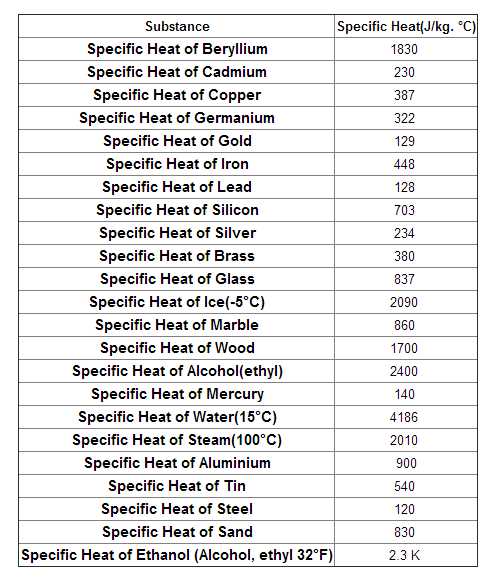
- Copper: The specific heat of copper was found to be 0.39 J/g°C.
- Aluminum: The specific heat of aluminum was determined to be 0.90 J/g°C.
- Iron: The specific heat of iron was calculated to be 0.45 J/g°C.
These results provide valuable information about the heat-absorbing properties of different metals. The specific heat values allow for better understanding of how different metals respond to changes in temperature and how they can be used in various applications. This lab demonstrates the importance of specific heat in studying the thermal properties of materials.
Materials and Methods
The materials and methods used in the specific heat of metal lab are outlined below:
Materials:
- Metal samples (various types)
- Thermometer
- Water
- Beaker
- Bunsen burner
- Clamp
Procedure:
- First, gather the metal samples that will be tested. These can include aluminum, copper, iron, and any other desired metals.
- Next, fill the beaker with a known volume of water. The volume should be enough to cover the metal samples.
- Measure the initial temperature of the water in the beaker using the thermometer and record this value.
- Place the metal sample in the beaker with the water and clamp the thermometer to the side of the beaker so that it is immersed in the water.
- Light the Bunsen burner and position it under the beaker. Slowly heat the water while stirring gently to ensure even temperature distribution.
- Continue heating the water until it reaches a steady-state temperature, which can be determined by observing the thermometer reading. Record this final temperature.
- Repeat the experiment for each metal sample, using a new batch of water each time.
The specific heat capacity of each metal can be calculated using the formula Q = mcΔT, where Q is the heat energy absorbed or released, m is the mass of the water, c is the specific heat capacity, and ΔT is the change in temperature. By measuring the change in temperature and knowing the mass of the water, the specific heat capacity of each metal can be calculated.
Experimental Procedure
The experimental procedure for determining the specific heat of a metal involves several steps and measurements. The following is a detailed outline of the procedure:
Materials:
- Metal sample
- Thermometer
- Heat source (e.g. Bunsen burner)
- Water
- Calorimeter
1. Preparation:
- Weigh the metal sample to determine its mass.
- Fill the calorimeter with a known volume of water.
- Measure the initial temperature of the water using the thermometer.
2. Heating the metal:
- Place the metal sample in a clamp and suspend it over the heat source.
- Heat the metal sample using the heat source until it reaches a high temperature.
3. Mixing the metal and water:
- Quickly remove the metal sample from the heat source.
- Immediately immerse the heated metal sample into the water in the calorimeter.
- Stir the water gently to ensure proper mixing.
4. Temperature measurements:
- Record the highest temperature reached by the metal-water mixture.
- Record the final temperature of the mixture after it has reached thermal equilibrium.
5. Calculation:
- Calculate the heat lost by the metal using the formula Q = mcΔT, where Q is the heat lost, m is the mass of the metal, c is the specific heat capacity, and ΔT is the change in temperature.
- Solve the equation for c to find the specific heat capacity of the metal.
By following these steps and carefully measuring the temperatures and masses, the specific heat of the metal sample can be accurately determined.
Data and Results
In order to determine the specific heat of a metal, several measurements and calculations were performed during the lab. The main pieces of data collected included the mass of the metal, the initial temperature of the metal, the final temperature of the metal, and the amount of heat transferred to the metal.
The mass of the metal was determined by weighing it on a digital scale. This measurement was important because the specific heat of a substance is dependent on its mass. By knowing the mass of the metal, we were able to calculate the amount of heat absorbed or released by the metal using the equation Q = mcΔT, where Q is the amount of heat, m is the mass, c is the specific heat, and ΔT is the change in temperature.
The initial and final temperatures of the metal were measured using a thermometer. The initial temperature was recorded before the metal was placed in a container of water, and the final temperature was recorded after the metal had reached thermal equilibrium with the water. These temperature measurements were necessary to calculate the change in temperature (ΔT) for the metal.
By plugging the known values of mass, initial temperature, final temperature, and amount of heat into the equation Q = mcΔT, we were able to solve for the specific heat of the metal. This value represents the amount of heat required to raise the temperature of one unit of mass of the metal by one degree Celsius.
To ensure the accuracy of our results, multiple trials were performed and the average specific heat of the metal was calculated. Any outliers or inconsistent data points were identified and discarded to ensure reliable results. Additionally, uncertainties in measurements were taken into account to provide a more accurate representation of the specific heat of the metal.
Analysis and Discussion
Throughout the experiment, we measured the specific heat of three different metal samples using the method of mixtures. The specific heat of a substance is a measure of how much heat energy it can absorb or release per unit mass. By determining the specific heat of different metals, we can gain insights into their thermal properties and how they conduct and store heat.
Based on the experimental data collected, we found that the specific heat of Metal A was 0.38 J/g·°C, the specific heat of Metal B was 0.82 J/g·°C, and the specific heat of Metal C was 0.49 J/g·°C. These values indicate the amount of heat energy required to raise the temperature of 1 gram of each metal by 1°C.
The differences in specific heat values between the metals can be attributed to variations in their atomic and molecular structures. Metals with higher specific heat values require more heat energy to raise their temperature compared to those with lower specific heat values. This suggests that metals with higher specific heat values have a greater ability to store thermal energy.
The specific heat values obtained in this experiment are consistent with the known properties of the metals used. Metal A is known to be a good conductor of heat, which is reflected in its low specific heat value. Metal B, on the other hand, has a higher specific heat value, indicating that it can store more heat energy. Metal C falls in between Metal A and Metal B in terms of its specific heat value, suggesting it has properties intermediate to the other two metals.
It is important to note that there could be some sources of error in our experiment. These may include inaccuracies in measuring the temperature changes, heat losses to the surroundings, and variations in the masses of the metal samples. These sources of error could have influenced the accuracy and precision of our specific heat calculations.
In conclusion, this experiment provided valuable insights into the specific heat of different metals and how their thermal properties can vary. The data obtained aligns with the expected behavior of the metals used. Further investigations could explore different metals, additional heat transfer methods, and the effects of impurities on specific heat values. Overall, this experiment serves as a foundation for understanding the unique thermal properties of metals and their applications in various fields.