The Science Behind Synthesis of Aspirin: Unveiling Pre-Lab Insights

Aspirin is a widely used medication that is known for its pain-relieving and anti-inflammatory properties. It is derived from salicylic acid, a compound found in plants such as willow bark. In this lab, we will be synthesizing aspirin from acetylsalicylic acid and salicylic acid.
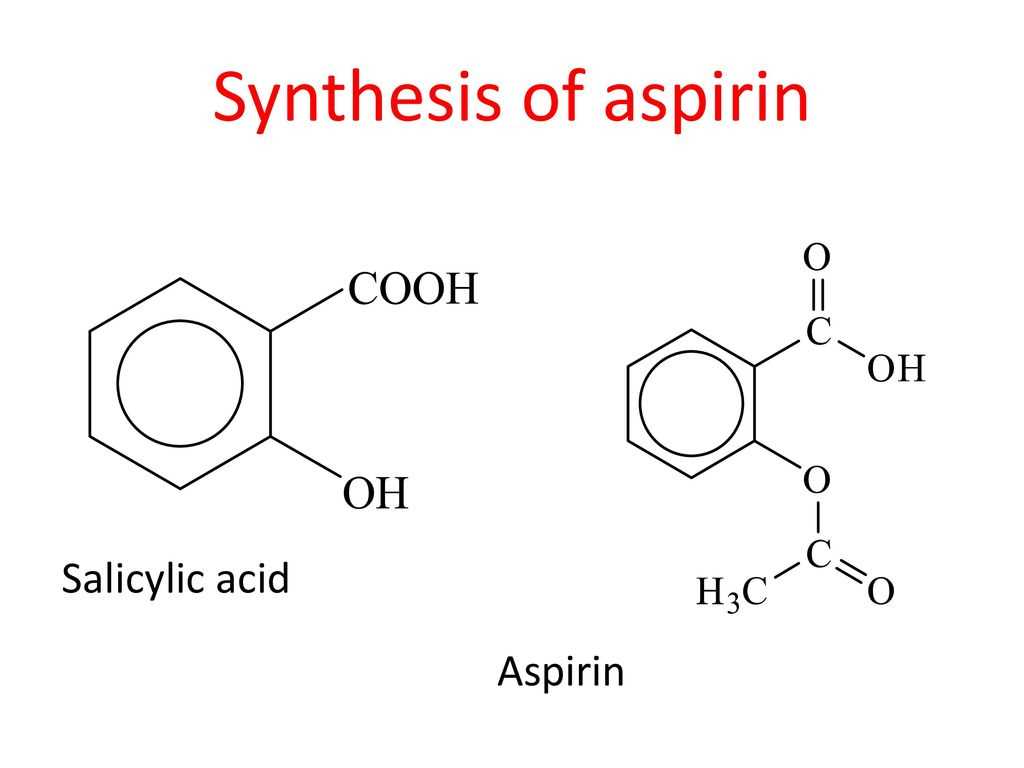
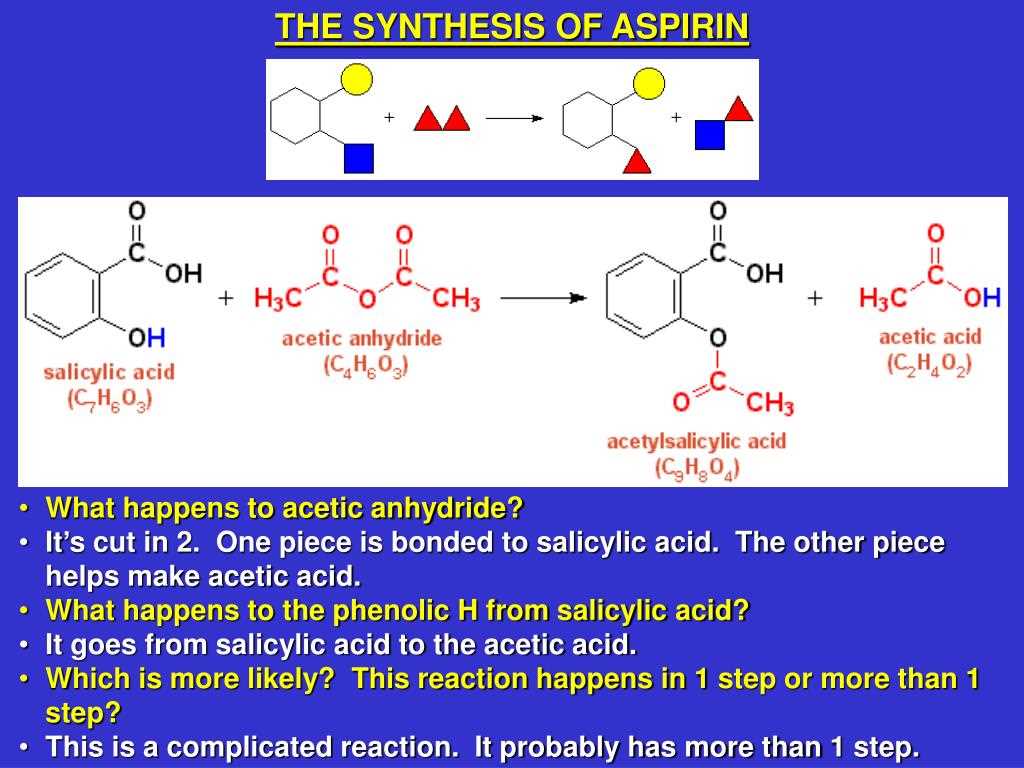
The synthesis of aspirin involves the reaction of salicylic acid with acetic anhydride in the presence of a catalyst, usually sulfuric acid. This reaction results in the formation of acetylsalicylic acid, which is the active ingredient in aspirin. The overall reaction can be represented as:
salicylic acid + acetic anhydride → acetylsalicylic acid + acetic acid
The purpose of this pre-lab experiment is to calculate the theoretical yield of aspirin that can be obtained from a given amount of salicylic acid. We will also determine the percent yield of the reaction by comparing the actual yield to the theoretical yield.
Synthesis of Aspirin Pre Lab Answers
In the pre-lab section of the synthesis of aspirin experiment, we will discuss several key questions and concepts related to the experiment. By answering these questions, we will gain a better understanding of the principles and techniques involved in the synthesis of aspirin.
1. Why is sulfuric acid used in the synthesis of aspirin?
Sulfuric acid is used in the synthesis of aspirin as a catalyst. It helps to speed up the reaction between salicylic acid and acetic anhydride, resulting in the formation of aspirin. Additionally, sulfuric acid helps to protonate the salicylic acid, making it more reactive and allowing for the formation of aspirin.
2. What is the purpose of adding water to the reaction mixture?
The addition of water to the reaction mixture serves several purposes. First, it helps to quench the reaction and stop the synthesis of aspirin. It also helps to hydrolyze any remaining acetic anhydride, ensuring that no excess reagents are present in the final product. Lastly, the addition of water allows for the separation of aspirin from any impurities or by-products formed during the reaction.
3. What are the safety precautions that should be taken during the synthesis of aspirin?
- Wear appropriate protective equipment, such as gloves and goggles, to protect against chemical splashes.
- Work in a well-ventilated area to avoid inhaling any fumes or vapours.
- Handle chemicals with care and avoid contact with skin or eyes.
- Dispose of any waste materials according to proper disposal procedures.
In summary, the pre-lab section of the synthesis of aspirin experiment provides important insights into the catalyst role of sulfuric acid, the purpose of adding water in the reaction mixture, and the safety precautions that should be followed during the experiment. By understanding these concepts, we can ensure a successful synthesis of aspirin and maintain a safe working environment.
The synthesis of aspirin, also known as acetylsalicylic acid, involves a chemical reaction between salicylic acid and acetic anhydride. This reaction results in the formation of aspirin and acetic acid as byproduct. The process of synthesizing aspirin is widely used in the pharmaceutical industry to produce this popular medication, which is commonly used as a pain reliever and fever reducer.
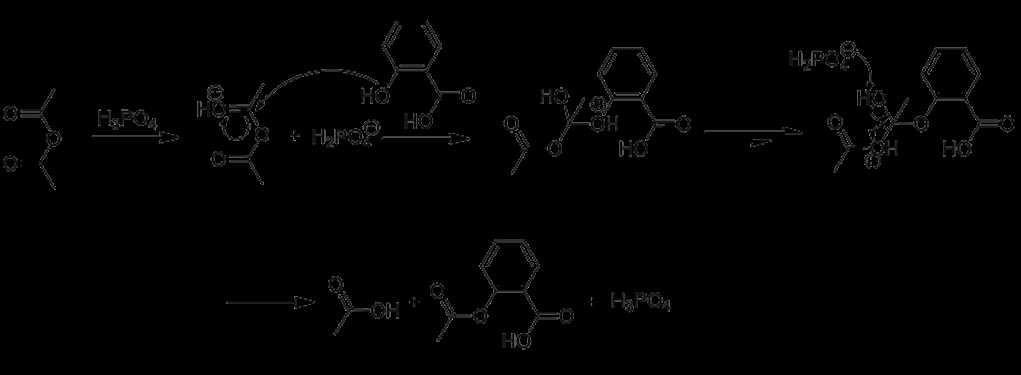
To carry out the synthesis of aspirin, salicylic acid is first dissolved in a solvent, such as ethanol, and then mixed with a small amount of phosphoric acid to act as a catalyst. Acetic anhydride is then added to the mixture, which initiates the reaction. The reaction mixture is heated gently in a water bath to speed up the reaction and ensure completion.
During the synthesis, the salicylic acid undergoes acetylation, where the acetyl group (-COCH3) from the acetic anhydride replaces one of the hydrogen atoms in the salicylic acid molecule. This acetylation reaction is an example of an esterification reaction. The resulting product, aspirin, is then purified by recrystallization to remove impurities and obtain a pure crystalline form of the drug.
The synthesis of aspirin is an important industrial process that requires precise control of reaction conditions and careful purification techniques. The resulting aspirin is a colorless crystalline solid that is highly stable and has a long shelf life. It is one of the most widely used drugs globally and has a wide range of applications in the medical field.
Why is the Synthesis of Aspirin Important?
The synthesis of aspirin is an important process in the field of pharmaceutical chemistry. Aspirin, also known as acetylsalicylic acid, is a commonly used medication with a wide range of applications. It is primarily used as an analgesic to relieve pain, reduce inflammation, and lower fever. Additionally, aspirin has anticoagulant properties and is often prescribed for individuals at risk of heart attacks or strokes. Therefore, the synthesis of aspirin allows for the production of a widely used and beneficial drug.
One of the main reasons the synthesis of aspirin is important is its accessibility and affordability. Aspirin can be easily synthesized from inexpensive starting materials, making it a cost-effective option for healthcare providers and patients. This accessibility ensures that aspirin is readily available to those who need it, particularly in developing countries where access to healthcare and expensive medications may be limited. The synthesis of aspirin allows for the production of a large quantity of the drug, ensuring its availability and affordability for individuals worldwide.
Moreover, the synthesis of aspirin is an important step in the field of drug development and discovery. By understanding the chemical synthesis of aspirin, scientists and researchers can gain insights into the structure and pharmacological properties of the compound. This knowledge can further contribute to the development of new and improved drugs with similar mechanisms of action. The synthesis of aspirin serves as a foundation for the synthesis of other drugs and encourages further exploration and innovation in the field of pharmaceutical chemistry.
In conclusion, the synthesis of aspirin is important due to its wide range of applications, accessibility, affordability, and contribution to drug development. This process allows for the production of a commonly used medication that provides pain relief, reduces inflammation, lowers fever, and has anticoagulant properties. Additionally, the synthesis of aspirin promotes accessibility to healthcare in developing countries and serves as a foundation for the development of new drugs. Overall, the synthesis of aspirin plays a crucial role in the field of pharmaceutical chemistry and benefits individuals worldwide.
Materials and Methods for the Synthesis of Aspirin
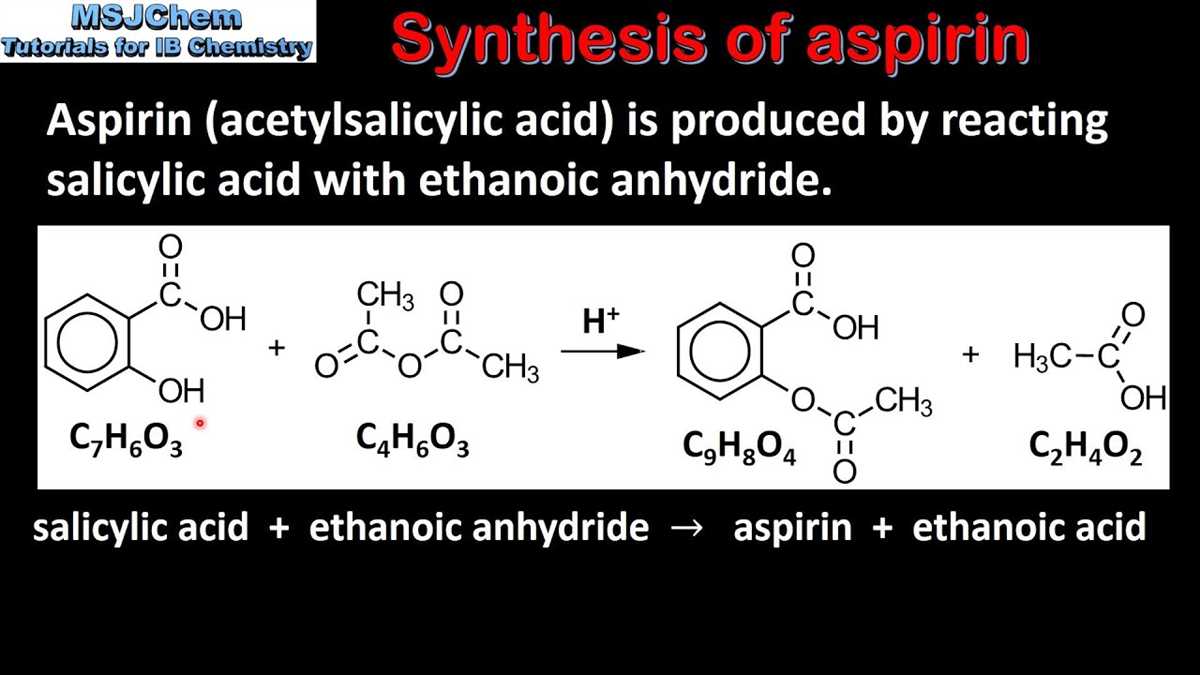
In the synthesis of aspirin, certain materials and methods are required to ensure the successful production of the desired compound. These materials include:
- Salicylic acid: the starting material for the synthesis of aspirin, which can be obtained from various sources such as willow bark.
- Acetic anhydride: the acetylating agent used to react with salicylic acid and form aspirin.
- Sulfuric acid: the catalyst that helps facilitate the reaction between salicylic acid and acetic anhydride.
- Water: used to quench the reaction and dissolve any excess reagents or by-products.
- Büchner funnel: a filtration apparatus used to separate the solid product from the reaction mixture.
- Ice bath: used to cool the reaction mixture and control the rate of reaction.
- Hot water bath: used to heat the reaction mixture and speed up the formation of aspirin.
- Glassware: including flasks, beakers, pipettes, and spatulas, which are necessary for measuring and mixing the reagents.
The synthesis of aspirin follows a set of methods or steps, which involve:
- Weighing the required amounts of salicylic acid and acetic anhydride, ensuring precision in measurements.
- Mixing the salicylic acid and acetic anhydride in a flask, and adding a few drops of sulfuric acid as a catalyst.
- Placing the flask in an ice bath to control the reaction temperature and prevent overheating.
- Stirring the reaction mixture gently to facilitate the acetylation of salicylic acid.
- Removing the flask from the ice bath and allowing the reaction to proceed at room temperature for a specific period.
- Quenching the reaction by adding cold water to the mixture to stop further reaction and dissolve any unreacted reagents.
- Filtering the reaction mixture through a Büchner funnel to collect the solid product, which is aspirin.
- Washing the collected aspirin with water to remove impurities and drying it thoroughly.
- Weighing the final product to determine the yield and purity of the aspirin produced.
These materials and methods ensure the controlled synthesis of aspirin, allowing for the production of a pure and high-quality pharmaceutical compound.
What are the Pre Lab Answers for the Synthesis of Aspirin?
1. What is the purpose of this experiment?
The purpose of this experiment is to synthesize aspirin from salicylic acid and acetic anhydride. Aspirin is a commonly used medication for relieving pain, reducing inflammation, and reducing fever. By synthesizing aspirin ourselves, we can gain a better understanding of the process and chemistry involved.
2. What are the materials and equipment needed for this experiment?
- Salicylic acid
- Acetic anhydride
- Sulfuric acid
- Stirring rod
- Beaker
- Graduated cylinder
- Thermometer
- Water bath
- Filter paper
- Ice
3. What is the reaction that occurs during the synthesis of aspirin?
The reaction that occurs during the synthesis of aspirin is an esterification reaction. Salicylic acid reacts with acetic anhydride in the presence of sulfuric acid as a catalyst to form acetylsalicylic acid, which is the chemical name for aspirin.
4. What is the balanced chemical equation for the synthesis of aspirin?
The balanced chemical equation for the synthesis of aspirin is:
Salicylic acid + Acetic anhydride -> Acetylsalicylic acid + Acetic acid
5. What are the safety precautions that need to be taken during this experiment?
- Wear gloves and safety goggles at all times.
- Work in a well-ventilated area or under a fume hood.
- Avoid direct contact with the chemicals, especially sulfuric acid.
- Handle the hot equipment and glassware with caution to avoid burns.
Challenges and Solutions for the Synthesis of Aspirin
The synthesis of aspirin, like any chemical reaction, can present several challenges that may hinder the desired outcome. However, with careful planning and proper implementation of solutions, these challenges can be overcome to ensure successful synthesis.
1. Impurities

One common challenge in the synthesis of aspirin is the presence of impurities, which can affect the purity and yield of the final product. Impurities may result from contaminants in the starting materials or side reactions during the synthesis process.
To address this challenge, it is important to use high-quality starting materials and ensure they are properly purified. Additionally, the reaction conditions, such as temperature and reaction time, should be optimized to minimize the occurrence of side reactions. Regular monitoring and purification techniques, such as recrystallization, can be employed to remove impurities and obtain a pure aspirin product.
2. Low Yield
Another challenge that may arise in the synthesis of aspirin is obtaining a low yield of the desired product. This can be a result of incomplete reaction conversion or loss of product during purification steps.
To improve the yield, it is important to carefully follow the reaction conditions specified in the synthesis procedure. This includes ensuring the correct stoichiometric ratios of reactants, proper temperature control, and sufficient reaction time. Furthermore, by employing efficient purification techniques and minimizing product losses during filtration and drying, the overall yield of aspirin can be increased.
3. Safety Hazards
Synthesis of aspirin involves the use of chemicals that may pose safety hazards if not handled properly. For example, acetic anhydride is a flammable substance and should be used with caution.
To address safety concerns, it is crucial to work in a well-ventilated area and wear appropriate personal protective equipment (PPE), such as gloves and goggles. Reactants and products should be handled with care and disposed of properly according to safety regulations. It is also important to be familiar with the Material Safety Data Sheets (MSDS) of the chemicals used and follow all safety protocols.
Summary
In conclusion, the synthesis of aspirin can encounter challenges such as impurities, low yield, and safety hazards. However, by using high-quality starting materials, optimizing reaction conditions, employing efficient purification techniques, and prioritizing safety precautions, these challenges can be overcome. With proper planning and implementation of solutions, a successful synthesis of aspirin can be achieved, resulting in a pure and high-yield product.