The Fascinating History and Significance of the Tabernaculo Del Testimonio

The Tabernacle of Testimony, also known as the Tabernacle of Moses, is a significant biblical structure that played a central role in the Israelites’ journey towards the Promised Land. This portable sanctuary was built according to detailed instructions given by God to Moses on Mount Sinai. It served as a place of worship and a symbol of God’s presence among His people.
Constructed with the finest materials and adorned with exquisite craftsmanship, the Tabernacle was a magnificent reflection of God’s glory. It consisted of a courtyard surrounded by a curtain made of beautiful fabrics, where the Israelites offered sacrifices and performed various rituals. Beyond the courtyard lay the Holy Place, containing a table for the showbread, a golden candlestick, and an altar for burning incense. Finally, the Holy of Holies housed the most sacred object – the Ark of the Covenant.
The Ark of the Covenant was a box-like vessel made of acacia wood and covered with pure gold. It contained the stone tablets inscribed with the Ten Commandments, a golden pot of manna, and Aaron’s rod. The lid of the Ark, known as the Mercy Seat, was overshadowed by the presence of God, symbolizing the enthroned glory of the Almighty.
The Tabernacle of Testimony accompanied the Israelites throughout their forty years of wandering in the wilderness, providing a constant reminder of God’s covenant with His people and His faithfulness to lead them to their promised inheritance. It was a tangible representation of their journey towards spiritual growth and the establishment of God’s kingdom on earth.
What is the Tabernacle of Testimony?
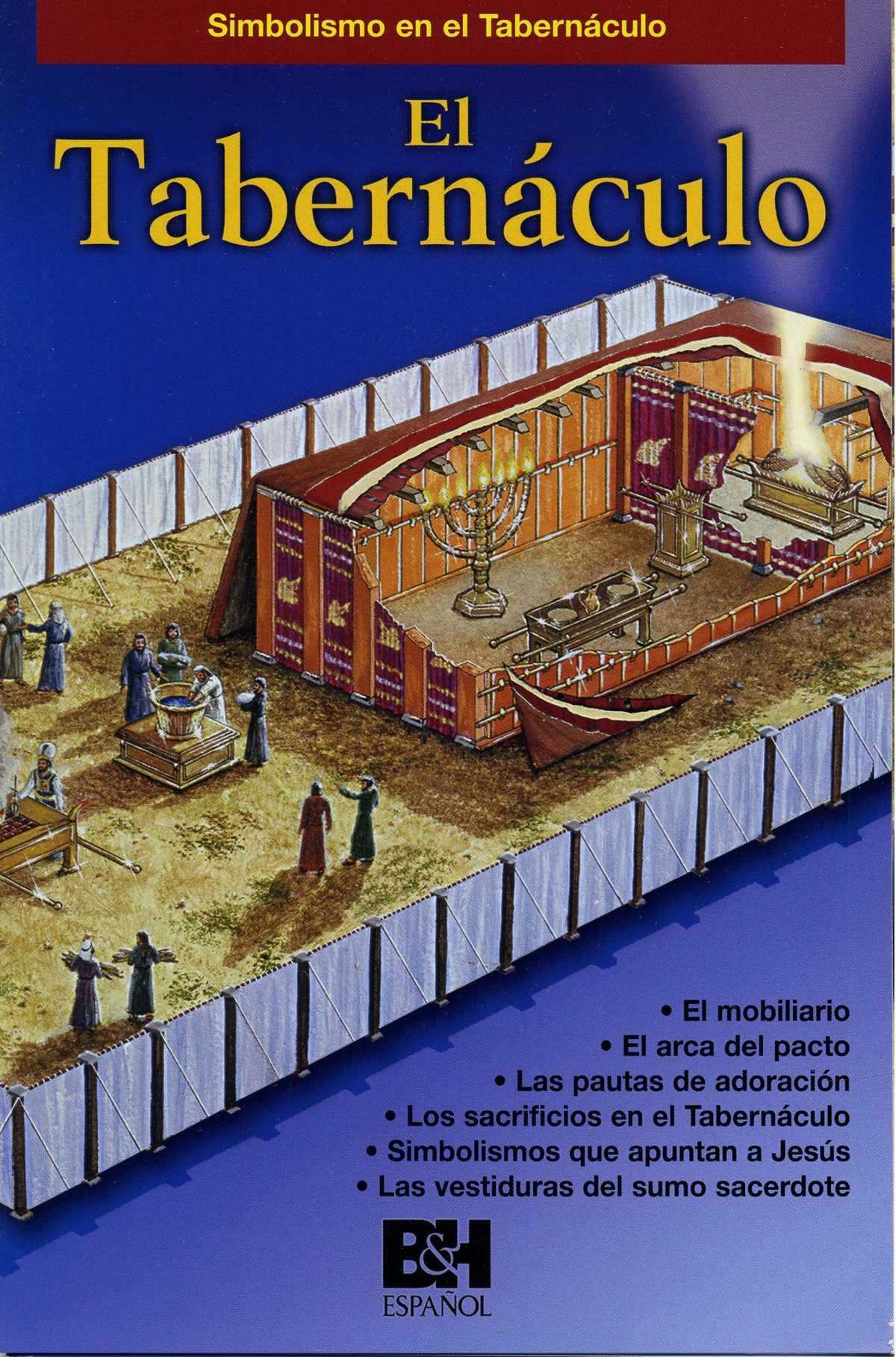
The Tabernacle of Testimony, also known as the Tent of Meeting, was a portable sanctuary used by the Israelites during their journey in the wilderness as described in the Bible. It served as a place of worship and the dwelling place of God’s presence among His people.
The Tabernacle was constructed according to specific instructions given by God to Moses on Mount Sinai. It was made of acacia wood and covered with various layers of animal skins and fabric. The Tabernacle consisted of three main parts: the Outer Court, the Holy Place, and the Most Holy Place.
The Outer Court was the largest area and contained the bronze altar for sacrifices and the bronze basin for ritual purification. Only priests were allowed to enter the Holy Place, which housed the golden lampstand, the table of showbread, and the altar of incense. The Most Holy Place, also known as the Holy of Holies, was separated by a veil and contained the Ark of the Covenant, which symbolized God’s presence.
The Tabernacle served as a focal point for the Israelites’ worship and a reminder of their covenant relationship with God. It was a tangible representation of the heavenly sanctuary and a foreshadowing of Jesus Christ, who would become the ultimate sacrifice and mediator between God and humanity.
Throughout their travels, the Israelites would set up the Tabernacle in various locations, and whenever the pillar of cloud by day or the pillar of fire by night lifted from above the Tabernacle, it was a sign for the people to continue their journey. The Tabernacle of Testimony was a central aspect of the Israelites’ journey and a lasting symbol of God’s presence among them.
The Historical Significance of the Tabernacle of Testimony
The Tabernacle of Testimony holds immense historical significance in the biblical context. It served as the sacred dwelling place of God among the ancient Israelites during their forty-year journey in the wilderness after the Exodus from Egypt. This portable sanctuary represented God’s presence and guided the Israelites in their worship and daily lives.
The construction of the Tabernacle was a pivotal moment for the nation of Israel. It was built according to precise instructions given by God to Moses on Mount Sinai. The measurements, materials, and specific rituals associated with the Tabernacle conveyed the holiness and reverence with which the Israelites were to approach God. This divine blueprint served as a tangible manifestation of God’s covenant with His chosen people.
The Tabernacle played a central role in ancient Israelite worship and sacrifice. It consisted of a sacred tent divided into three parts: the outer court, the Holy Place, and the Most Holy Place. The outer court contained the altar of burnt offering, where sacrifices were offered to atone for sins. The Holy Place housed the golden lampstand, the table of showbread, and the altar of incense, symbolizing God’s light, provision, and the prayers of His people. The Most Holy Place, separated by a veil, held the Ark of the Covenant, representing the presence of God.
The Tabernacle also served as a symbolic foreshadowing of the coming of Jesus Christ. The author of Hebrews refers to the Tabernacle as a “shadow of the heavenly things” (Hebrews 8:5). The rituals performed within the Tabernacle foreshadowed the ultimate sacrifice of Jesus on the cross, who became the perfect High Priest and the final atonement for the sins of humanity.
In summary, the Tabernacle of Testimony holds great historical significance as the sacred dwelling place of God among the ancient Israelites. Its construction and rituals conveyed the holiness and reverence required in approaching God, while also serving as a foreshadowing of the coming of Jesus Christ. It stands as a testament to God’s faithfulness and His desire to dwell among His people.
The Architecture and Design of the Tabernacle of Testimony

The Tabernacle of Testimony was a portable sanctuary that was built according to specific instructions given by God to Moses. It served as a place of worship and a symbol of God’s presence among the Israelites during their journey in the wilderness. The design of the Tabernacle was highly symbolic, with each component representing different aspects of the relationship between God and His people.
The Tabernacle consisted of three main parts: the Outer Court, the Holy Place, and the Holy of Holies. The Outer Court was enclosed by a curtain made of fine linen, supported by pillars with silver bases. This area contained the Altar of Burnt Offering, where animal sacrifices were made, and the Bronze Basin, where priests would wash their hands before entering the holy areas.
The Holy Place, located within the Tabernacle itself, was divided from the Outer Court by a veil made of blue, purple, and scarlet yarn. Here, the priests would perform their daily duties, including burning incense on the Golden Altar and tending to the Table of Showbread. The area was illuminated by the Golden Lampstand, which had seven branches and was adorned with almond blossoms and almond buds.
The Holy of Holies, also known as the Most Holy Place, was separated from the Holy Place by a thick veil. It contained the Ark of the Covenant, which symbolized the presence of God. The Ark was made of acacia wood and overlaid with pure gold. On top of the Ark were the Mercy Seat and the golden Cherubim, representing the mercy and presence of God.
The Tabernacle of Testimony was not only a place of worship but also a visual reminder of God’s covenant with His people. Its elaborate design and meticulous construction demonstrated the importance of holiness and reverence in approaching God. It served as a precursor to the later construction of the Temple in Jerusalem and laid the foundation for the understanding of God’s dwelling place among His people.
The Purpose and Function of the Tabernacle of Testimony
The Tabernacle of Testimony, also known as the Tabernacle of Moses or the Tent of Meeting, played a significant role in the worship and religious observance of the Israelites during their time in the wilderness. Its purpose was to serve as a physical dwelling place for God’s presence among His people. The Tabernacle was designed to be a symbol of the divine presence and a place where the Israelites could come to seek God, offer sacrifices, and receive forgiveness and atonement.
The Tabernacle was structured in a way that reflected the holiness and orderliness of God. It consisted of several compartments, each with its specific function and significance. The outer court, which was surrounded by a curtain, housed the altar of burnt offerings where sacrifices were made for the atonement of sins. This area symbolized the Israelites’ approach to God and their desire for forgiveness.
Inside the Tabernacle, there was the Holy Place which housed the golden lampstand, the table of showbread, and the altar of incense. These items represented God’s light, provision, and intercession for His people. The Holy Place was a space where only the priests could enter, serving as a reminder of the separation between God and man and the need for intermediaries in approaching the divine presence.
Finally, the innermost part of the Tabernacle was the Most Holy Place, also known as the Holy of Holies. This section was separated from the rest of the Tabernacle by a thick curtain and housed the Ark of the Covenant, which contained the tablets of the Ten Commandments. The Most Holy Place was the dwelling place of God’s presence, and only the high priest could enter it once a year on the Day of Atonement to make atonement for the sins of the people.
The Tabernacle of Testimony served as a focal point of worship and a visible representation of God’s dwelling among His people. It provided a way for the Israelites to approach God, seek forgiveness, and experience His presence. Through the functions and symbolism of the Tabernacle, the Israelites were reminded of their need for atonement and reconciliation with God. The Tabernacle served as a precursor to the temple in Jerusalem and foreshadowed the coming of Jesus Christ, who would become the ultimate and perfect sacrifice for the sins of humanity.
The Spiritual Symbolism of the Tabernacle of Testimony
The Tabernacle of Testimony, also known as the Tabernacle of the Congregation, held immense spiritual symbolism for the ancient Israelites. This portable sanctuary, constructed under the guidance of Moses in the wilderness, represented God’s dwelling place and served as a physical manifestation of His presence among His chosen people.
The Structure:
The Tabernacle was comprised of several interconnected sections, each with its own unique significance. At the center of the complex was the Holy of Holies, where the Ark of the Covenant resided. This innermost chamber was separated from the Holy Place, where the golden lampstand, table of showbread, and golden altar of incense were kept. Surrounding these sacred areas was the outer court, which housed the bronze altar for sacrifices and the bronze laver for ritual purification.
The Symbolism:
The Tabernacle’s intricate design and arrangement held profound spiritual symbolism. Each element, from the materials used to the specific rituals performed, carried a deeper meaning that connected the physical space to the realm of the divine.
The Ark of the Covenant:
The centerpiece of the Tabernacle, the Ark of the Covenant, symbolized God’s presence and His covenant with the Israelites. It contained the stone tablets with the Ten Commandments, representing the divine law and the covenant relationship between God and His people.
The Golden Lampstand:
The golden lampstand, with its seven branches and almond blossom decorations, represented the light of God’s presence and wisdom. It illuminated the Holy Place and symbolized the enlightenment and guidance that comes from being in communion with God.
The Table of Showbread:
The table of showbread held 12 loaves of bread, symbolizing the sustenance and provision that comes from a relationship with God. It represented the spiritual nourishment received through obedience to His commandments and the communal aspect of sharing in God’s abundance.
The Golden Altar of Incense:
The golden altar of incense served as a place of worship and intercession. The fragrant incense rising from the altar symbolized the prayers of the people ascending to God’s presence. It represented the importance of communication with God and the offering of our innermost thoughts and needs to Him.
The Significance:
The Tabernacle was not only a physical structure but a symbolic representation of the Israelites’ relationship with God. It taught them the holiness and reverence required in approaching the divine, as well as the importance of worship, prayer, and obedience. It served as a constant reminder of God’s faithfulness, presence, and desire to dwell among His people.
In conclusion,
the Tabernacle of Testimony was a powerful visual aid and spiritual symbol for the ancient Israelites. Today, it serves as a reminder of the eternal truths conveyed through its design and rituals, and continues to inspire believers in their journey of faith and relationship with God.
The Tabernacle of Testimony in Biblical Context

Throughout the pages of the Bible, the Tabernacle of Testimony holds significant symbolism and serves as a central element in the worship and relationship between God and His people. This sacred structure, described in great detail in the books of Exodus and Leviticus, was a place where God’s presence dwelled and where the Israelites could approach Him to offer sacrifices and seek guidance.
As we have explored, the design and construction of the Tabernacle were meticulously specified by God Himself. Its various components, such as the Ark of the Covenant, the altar, and the veil, all held profound spiritual meanings that pointed to Jesus Christ and His redemptive work. The Tabernacle foreshadowed the coming of the Messiah and His ultimate sacrifice on the cross for the sins of humanity.
Conclusion

The Tabernacle of Testimony, with its intricate details and symbolic elements, served as a tangible representation of God’s presence among His people. It was a physical reminder of His covenant with Israel and a foreshadowing of the salvation that would come through Jesus Christ. The Tabernacle served as a focal point for worship and a place where God’s people could draw near to Him.
Through the Tabernacle, God was teaching His people about His holiness, their need for atonement, and the importance of approaching Him with reverence and obedience. It demonstrated the profound truth that God desires to dwell with His people and to have a relationship with them.
As we reflect on the Tabernacle of Testimony in the biblical context, we can gain a deeper understanding of God’s character and His desire for intimacy with His creation. The Tabernacle points us towards Jesus Christ, who became the ultimate sacrifice and the access to God for all who believe in Him.