The Surprising Results of an Emotional Dependency Test

La dependencia emocional es un fenómeno psicológico en el cual una persona se vuelve emocionalmente dependiente de otra, es decir, su bienestar emocional y su sentido de identidad se basan en la relación con esa persona. Este tipo de dependencia puede ser perjudicial tanto para la persona dependiente como para la persona de la cual depende emocionalmente. Es importante identificar si se tiene dependencia emocional para poder buscar la ayuda adecuada y para poder desarrollar relaciones más saludables y equilibradas.
El test de dependencia emocional es una herramienta que puede ayudar a las personas a evaluar si tienen tendencias de dependencia emocional. Esta prueba generalmente consiste en una serie de preguntas diseñadas para explorar diferentes áreas de la vida y las relaciones de una persona. Al responder a estas preguntas de manera sincera, se puede obtener una idea más clara de si se tiene dependencia emocional y en qué medida.
Algunos indicadores de dependencia emocional pueden incluir: sentirse vacío o sin sentido cuando no se está con la persona de la cual se depende emocionalmente, tener miedo a la soledad, sentirse constantemente ansioso o inseguro en la relación, poner las necesidades de la otra persona por encima de las propias, y tener dificultades para establecer límites saludables en la relación. Estos son solo algunos ejemplos y pueden variar de una persona a otra.
Understanding Emotional Dependency: Everything You Need to Know
Emotional dependency is a complex psychological concept that pertains to a person’s excessive reliance on others for emotional support, validation, and self-worth. It involves an unhealthy attachment and neediness that can lead to an imbalanced and potentially toxic relationship dynamic. Understanding emotional dependency is crucial for fostering healthy relationships and ensuring one’s emotional well-being.
Signs of Emotional Dependency
Recognizing the signs of emotional dependency is the first step in addressing this issue. Some common signs include:
- Constant need for reassurance and validation from others
- Feeling incomplete or lost without the presence of a specific person
- Fear of abandonment and an intense desire to please others
- Lack of self-confidence and difficulty making decisions independently
- Experiencing extreme jealousy and possessiveness in relationships
The Impact of Emotional Dependency
Emotional dependency can have significant negative effects on both individuals involved in the relationship. The dependent person may experience feelings of insecurity, anxiety, and low self-esteem, while the person on whom they rely may feel overwhelmed, stifled, and burdened by the constant need for validation. This can lead to a cycle of codependency that perpetuates unhealthy relationship patterns.
Breaking Free from Emotional Dependency
Breaking free from emotional dependency requires self-awareness, introspection, and a willingness to work on oneself. It involves developing a healthy sense of self-worth, learning to validate oneself, and cultivating independence. Seeking therapy or professional help can be beneficial in navigating the process of overcoming emotional dependency and establishing healthier relationship boundaries.
Conclusion
Understanding emotional dependency is crucial for individuals seeking to create healthier and more fulfilling relationships. By recognizing the signs, understanding the impact, and actively working towards breaking free from emotional dependency, individuals can foster personal growth, increase self-confidence, and create healthier, more balanced relationships.
Signs and Symptoms of Emotional Dependency: How to Identify It
Emotional dependency is a psychological condition that refers to a person’s excessive reliance on another individual for emotional support and validation. This dependency often stems from underlying insecurities and low self-esteem, causing individuals to seek constant reassurance and validation from their partner or loved ones.
Identifying signs of emotional dependency can be crucial in recognizing and addressing this issue. Here are some common indicators:
- Constant need for approval: Individuals with emotional dependency may constantly seek approval and validation from others, relying on their opinions to feel worthy or validated.
- Fear of rejection or abandonment: Those with emotional dependency often have an intense fear of rejection or abandonment, making them overly dependent on others for fear of being alone.
- Difficulty making decisions: Emotional dependency can lead to difficulty in making decisions independently. Individuals may rely heavily on others to make choices for them, feeling uncertain or lacking confidence in their own judgment.
- Jealousy and possessiveness: Emotional dependency tends to manifest as jealousy and possessiveness in relationships. Individuals may become overly clingy and insecure, constantly seeking reassurance from their partner and feeling threatened by any perceived threat to the relationship.
- Loss of personal identity: Those with emotional dependency often struggle with maintaining a sense of self and may prioritize the needs and desires of their partner or loved ones over their own. They might feel lost or unfulfilled outside of the relationship.
Recognizing these signs and symptoms of emotional dependency is the first step towards addressing this issue. Seeking therapy or support from mental health professionals can be helpful in developing healthier coping strategies, improving self-esteem, and fostering healthy relationships based on interdependence rather than emotional dependency.
The Impact of Emotional Dependency on Relationships and Well-being
Introduction
Emotional dependency refers to a condition in which an individual relies heavily on their partner or significant other for emotional support, validation, and self-esteem. While it is normal to seek support from loved ones, excessive emotional dependency can negatively impact both the individual and their relationships. This article will explore the consequences of emotional dependency on relationships and overall well-being.
1. Strain on Relationships
Emotional dependency often creates an unequal power dynamic within relationships. The individual who is emotionally dependent may become excessively needy, constantly seeking reassurance and attention from their partner. Such behavior can put a significant strain on the relationship, causing the other person to feel overwhelmed or suffocated. As a result, the partner may start to distance themselves emotionally, leading to a breakdown in communication and intimacy.
2. Low Self-esteem
Individuals who are emotionally dependent often struggle with low self-esteem. They rely on their partner’s validation and approval to feel worthy and lovable. This dependency on others for self-worth can lead to a cycle of self-doubt and insecurity. Moreover, if the relationship ends, the emotionally dependent individual may experience a profound loss of identity and struggle to adjust to life without their partner’s constant support.
3. Lack of Independence
Emotional dependency can hinder individual growth and personal development. When one becomes overly reliant on their partner for emotional well-being, they may neglect their own needs and desires. This lack of independence can prevent personal growth and limit opportunities for self-discovery and self-fulfillment. Being emotionally dependent can also prevent individuals from forming meaningful relationships outside of their romantic partnership, potentially leading to social isolation.
4. Detrimental to Mental Health
Emotional dependency is closely linked to mental health issues such as anxiety and depression. The constant need for validation and support can create a cycle of anxiety, as individuals worry about being abandoned or rejected by their partner. Additionally, the emotional rollercoaster that comes with relying on others for happiness can contribute to feelings of depression and emptiness. It is crucial for individuals experiencing emotional dependency to seek professional help and develop healthier coping mechanisms.
- To sum up, emotional dependency can have a significant impact on relationships and overall well-being. It can lead to strained relationships, low self-esteem, lack of independence, and negative effects on mental health. Recognizing and addressing emotions of dependency is crucial for personal growth and maintaining healthy relationships.
Causes and Risk Factors for Emotional Dependency: Exploring the Roots
Emotional dependency is a complex issue that can have deep roots in a person’s life experiences and upbringing. Understanding the causes and risk factors for emotional dependency can help individuals gain insight into their own patterns of behavior and seek appropriate support and treatment.
One of the key factors that can contribute to emotional dependency is a lack of healthy attachment in childhood. Children who do not receive consistent love, care, and attention from their primary caregivers may develop a deep longing for emotional connection and validation. This can lead to a pattern of seeking out others to fulfill their emotional needs and relying heavily on their approval and validation.
Another factor that can contribute to emotional dependency is a history of trauma or neglect. Individuals who have experienced traumatic events or abandonment may struggle with feelings of insecurity and low self-worth. They may seek out relationships that provide them with a sense of stability and validation, even if those relationships are unhealthy or abusive.
Additionally, individuals who have low self-esteem or a fear of abandonment may be more prone to emotional dependency. They may doubt their own worth and constantly seek reassurance and validation from others to feel secure and valued. This can create a cycle of dependence where their sense of self-worth becomes heavily reliant on the opinions and actions of others.
It is important to note that emotional dependency can also be influenced by cultural and societal factors. In some cultures, for example, there may be an emphasis on dependency within relationships, making it more difficult for individuals to develop a healthy sense of independence and self-reliance. Similarly, societal norms and expectations around gender roles and relationships can also contribute to emotional dependency.
Common Causes and Risk Factors for Emotional Dependency:
- Lack of healthy attachment in childhood
- History of trauma or neglect
- Low self-esteem or fear of abandonment
- Cultural and societal factors
In order to address emotional dependency, it is important to explore the underlying causes and risk factors. This can involve seeking therapy or counseling to gain a deeper understanding of one’s own emotions, learning healthy coping mechanisms, and developing a strong sense of self-worth and independence. With the right support and self-reflection, individuals can break free from the patterns of emotional dependency and cultivate healthier, more fulfilling relationships.
Overcoming Emotional Dependency: Strategies for Recovery
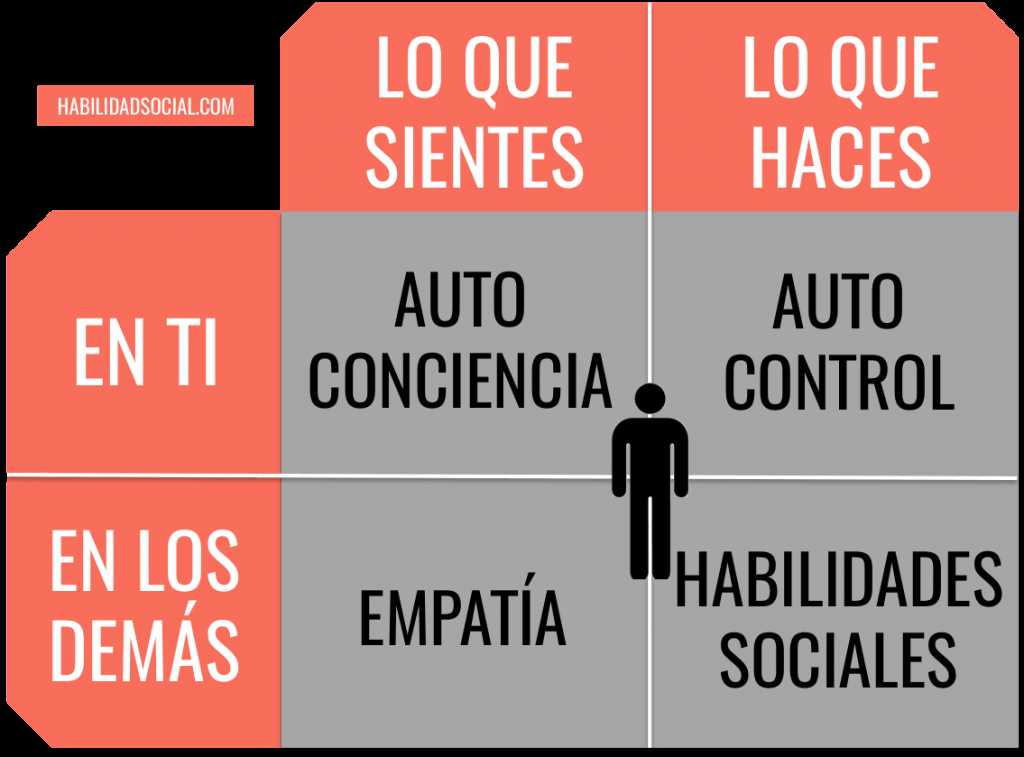
Emotional dependency can have a significant impact on our lives, affecting our relationships, self-esteem, and overall well-being. Breaking free from this unhealthy pattern is essential for personal growth and happiness. Fortunately, there are effective strategies you can implement to overcome emotional dependency and reclaim your independence.
1. Self-reflection and awareness
The first step towards recovery is gaining an understanding of your emotional dependency patterns. Take the time to reflect on your past relationships and identify any recurring patterns or behaviors that indicate emotional dependency. This self-awareness is crucial in breaking the cycle and making positive changes.
2. Establish boundaries and prioritize self-care
Setting clear boundaries is essential in overcoming emotional dependency. Learn to prioritize your own needs and well-being. Take the time to engage in activities that bring you joy, practice self-care, and invest in your personal growth. By focusing on yourself, you can gradually reduce your dependence on others for validation and happiness.
3. Build a support network
Seeking support from trusted friends, family members, or a therapist can greatly help in the recovery process. Surround yourself with individuals who support your journey towards independence and can provide guidance and encouragement along the way. Having a strong support network can provide the reassurance and motivation needed to overcome emotional dependency.
4. Challenge negative beliefs and thoughts
Emotional dependency often stems from negative beliefs about oneself, such as feeling unworthy or unlovable. Challenge these negative thoughts and replace them with positive affirmations. Recognize your own worth and embrace self-love. Changing your mindset will help break free from the cycle of emotional dependency and cultivate a healthier relationship with yourself.
5. Practice self-reliance and assertiveness
Developing self-reliance and assertiveness skills is key to overcoming emotional dependency. Learn to make decisions for yourself, rely on your own abilities, and assert your needs and desires in relationships. By becoming more self-reliant and assertive, you will gradually reduce your reliance on others for validation and approval.
Remember, overcoming emotional dependency is a journey that takes time and effort. Be patient with yourself and celebrate every small step towards independence. By implementing these strategies and seeking support, you can break free from emotional dependency and create a healthier, more fulfilling life.
Seeking Professional Help: When and How to Find Support
Seeking professional help is an important step in managing and overcoming emotional dependency. Recognizing the need for professional support is crucial, as it can provide individuals with the tools and guidance they need to heal and develop healthier coping mechanisms.
If you find that your emotional dependency is significantly impacting your daily life, relationships, and overall well-being, it may be time to seek professional help. Some signs that indicate the need for professional support include:
- Feeling unable to control your emotions or behavior
- Experiencing severe anxiety or depression related to your emotional dependency
- Repeatedly entering into unhealthy or toxic relationships
- Having difficulty functioning independently without relying on others for validation or reassurance
When seeking professional help for emotional dependency, it is important to reach out to a qualified therapist or counselor who specializes in this area. They will have the expertise and experience to guide you through the process of healing and developing healthier emotional patterns.
There are several ways to find a therapist or counselor who can help with emotional dependency:
- Ask for recommendations from trusted friends, family members, or healthcare providers.
- Search online directories or databases of licensed therapists.
- Contact your insurance provider for a list of covered mental health professionals.
- Reach out to local mental health organizations or clinics for resources and referrals.
Once you have found a therapist or counselor, it is important to be open and honest about your struggles with emotional dependency. This will allow them to tailor their approach and treatment plan specifically to your needs.
Remember, seeking professional help is a brave and proactive step towards improving your emotional well-being. With the right support and guidance, you can break free from emotional dependency and develop healthier relationships with yourself and others.
Q&A:
When should I seek professional help?
You should seek professional help when you are experiencing significant distress or difficulties that you are unable to manage on your own. This could include symptoms of mental health disorders, such as depression or anxiety, or any other challenges that are impacting your daily life.
How do I know if I need professional help?
If you are unsure if you need professional help, it can be helpful to consider how your current difficulties are affecting your well-being and functioning. If your problems are persistent, interfering with your ability to work, socialize, or enjoy life, it may be a good time to seek support from a professional.
What are the benefits of seeking professional help?
Seeking professional help can provide you with the support and guidance you need to overcome your challenges. A professional can help you gain insight into your problems, develop coping strategies, and provide you with evidence-based treatment options. They can also offer a safe space for you to express your feelings and emotions without judgment.
How do I find the right professional to help me?
Finding the right professional to help you can involve some research and trial and error. It can be helpful to start by asking for recommendations from friends, family, or your primary care doctor. You can also search online directories or contact local mental health organizations for referrals. It’s important to find someone who specializes in your specific concerns and with whom you feel comfortable working.
What should I expect during my first session with a professional?
During your first session with a professional, you can expect to discuss the reason you are seeking help and provide background information about yourself. The professional will likely ask you questions to better understand your concerns and develop a treatment plan. This initial session is also an opportunity for you to ask any questions you may have and determine if the professional is a good fit for you.