The Art of Self-Discovery: Unlocking Your Temperament Through Personality Tests
Understanding one’s temperament is crucial in various aspects of life, from personal relationships to career choices. A temperament test can provide valuable insights and help individuals gain a better understanding of their own strengths, weaknesses, and personality traits.
A temperament test is designed to assess how an individual responds to different situations, their emotional tendencies, and their general disposition. It takes into account factors such as extroversion versus introversion, emotional stability, assertiveness, and openness to new experiences.
By taking a temperament test, individuals can gain a deeper understanding of themselves and how they interact with others. It can also shed light on areas where personal growth and development may be beneficial. Whether someone is looking to improve their relationships, advance their career, or simply gain self-awareness, a temperament test can be a valuable tool on their journey of self-discovery.
Understanding Temperament: Meaning and Importance
Temperament refers to an individual’s innate and characteristic patterns of behavior, emotions, and reactions that are relatively stable over time. It is an essential aspect of human personality and plays a crucial role in shaping an individual’s thoughts, feelings, and interactions with others. Understanding temperament is of great importance as it provides valuable insights into how people perceive and experience the world around them.
What is temperament?
Temperament encompasses various aspects of an individual’s personality, including their behavioral tendencies, emotional responses, and cognitive processes. It is believed to be largely influenced by genetic factors, although environmental factors also play a role. Temperament is often described in terms of different dimensions, such as activity level, sociability, emotional intensity, adaptability, and persistence. These dimensions help to categorize individuals into different temperamental types.
Why is understanding temperament important?
Understanding temperament is important for several reasons. Firstly, it helps us to identify and comprehend individual differences in behavior and emotional responses. By understanding someone’s temperament, we can better predict and anticipate how they may react in certain situations. This knowledge is particularly valuable in relationships, both personal and professional, as it allows us to tailor our interactions and communication styles to better suit the other person’s temperament.
Secondly, understanding temperament can aid in self-awareness and personal growth. By recognizing our own temperament, we can gain insights into our strengths, weaknesses, and areas for improvement. This self-awareness can help us make informed decisions, manage our emotions more effectively, and develop strategies to cope with challenges that align with our individual temperament.
Furthermore, understanding temperament is essential in the field of education and child development. Teachers and parents who are aware of a child’s temperament can provide appropriate support and guidance to ensure the child’s unique needs are met. This knowledge can help create a conducive learning environment and foster positive social-emotional development.
In conclusion, understanding temperament is vital in comprehending individual differences and enhancing our relationships, self-awareness, and educational approaches. It allows us to appreciate the diversity of human personalities and empowers us to adapt and accommodate the unique temperaments of others, leading to more harmonious and fulfilling interactions.
Types of Temperament: Exploring the Four Major Categories
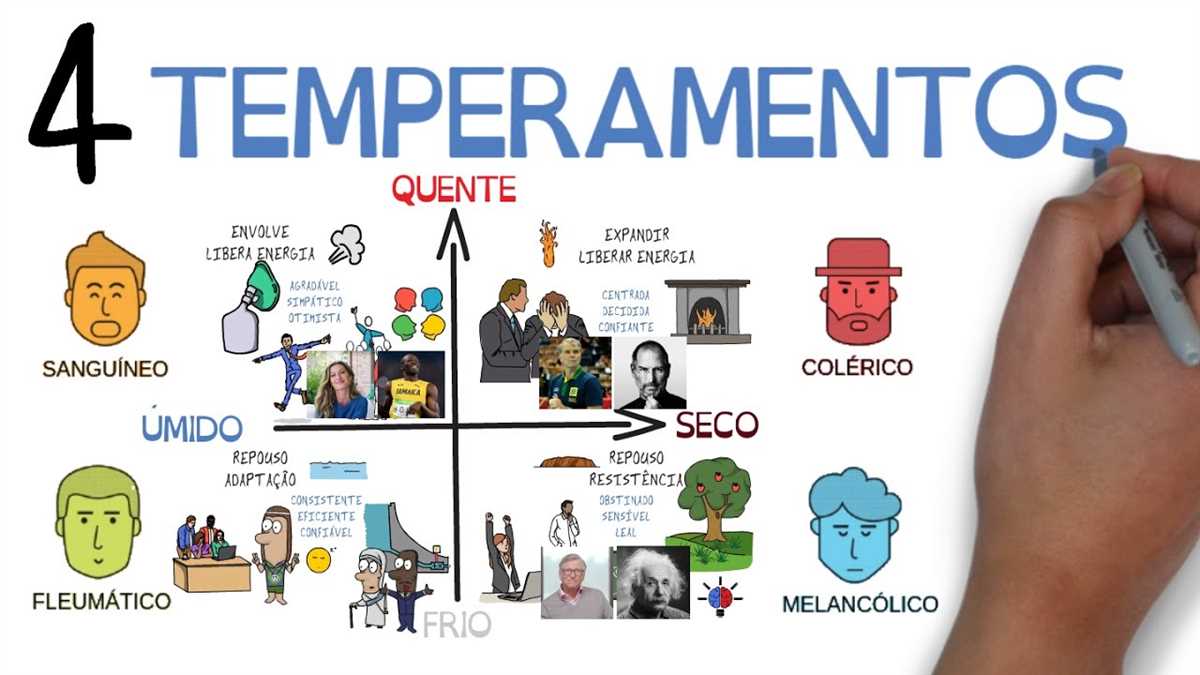
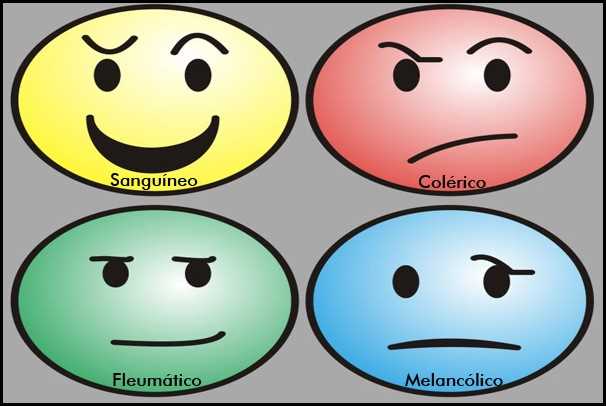
Temperament refers to the innate and stable traits that dictate an individual’s emotional and behavioral tendencies. While everyone has a unique temperament, researchers have identified four major categories that capture the different ways people tend to interact with the world. Understanding these temperament types can provide valuable insights into one’s own behaviors and preferences, as well as enhance interpersonal relationships.
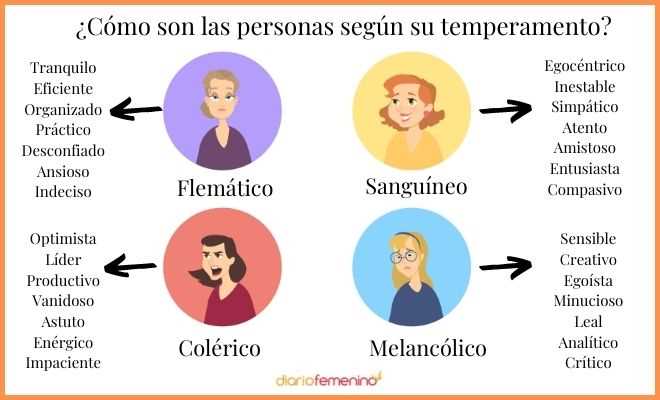
1. Sanguine: The sanguine temperament is characterized by high levels of extroversion and enthusiasm. Individuals with this temperament are typically sociable, outgoing, and talkative. They enjoy being the center of attention and are often the life of the party. Sanguine individuals are energetic and optimistic, approaching life with a cheerful and lighthearted attitude. They are quick to make friends, adapt easily to new situations, and thrive in social settings.
2. Choleric: Choleric individuals are driven by a strong desire for control and independence. They are characterized by high levels of assertiveness and self-confidence. Cholerics are natural leaders and excel at taking charge of situations. They are goal-oriented, result-driven, and have a strong need for achievement. Choleric individuals are highly organized and proactive, often taking on leadership roles in professional and personal settings. They can be decisive and determined, but may also come across as domineering or impatient.
3. Melancholic: The melancholic temperament is characterized by introversion, thoughtfulness, and a reflective nature. Individuals with this temperament tend to be sensitive, introspective, and prone to deep thinking. Melancholics are thoughtful and analytical, often displaying a high level of attention to detail. They are introspective and may spend a significant amount of time reflecting on past experiences. Melancholic individuals are typically empathetic, compassionate, and have a strong sense of justice. They prefer deep, meaningful connections and enjoy solitary activities that allow them to explore their thoughts and emotions.
4. Phlegmatic: Phlegmatic individuals are known for their calm and easygoing nature. They have a laid-back, relaxed approach to life and tend to avoid conflict and confrontation. Phlegmatics are patient, tolerant, and rarely get flustered or worked up in stressful situations. They have excellent social skills and enjoy maintaining harmonious relationships. Phlegmatic individuals are good listeners and are often sought out by others for advice and support. They may sometimes be perceived as passive or indecisive due to their preference for maintaining peace and avoiding confrontation.
In conclusion, while everyone possesses a unique blend of temperament traits, categorizing them into the four major categories of sanguine, choleric, melancholic, and phlegmatic can provide a useful framework for understanding individuals’ fundamental preferences and behaviors. Recognizing and appreciating these differences can lead to better communication, collaboration, and overall relationship satisfaction.
Factors Influencing Temperament: Genetic and Environmental Factors
Temperament refers to an individual’s behavioral and emotional characteristics that are relatively stable over time and across different situations. It is believed to be influenced by a combination of genetic and environmental factors. While genetics play a significant role in shaping an individual’s temperament, environmental factors can also have a profound impact.
Genetic Factors: Numerous studies have shown that genetics plays a crucial role in determining an individual’s temperament. Research suggests that certain genes can influence personality traits such as introversion, extraversion, and emotional stability. Twin studies have further supported the idea that genetics contribute to temperament differences, as identical twins tend to have more similar temperaments than fraternal twins.
Environmental Factors: Apart from genetics, environmental factors also play a crucial role in shaping an individual’s temperament. These factors include the experiences, upbringing, and social interactions a person is exposed to. The quality of an individual’s relationship with their parents, siblings, and peers, as well as cultural and societal influences, can all impact temperament development. Additionally, life events such as trauma, stress, and exposure to nurturing and supportive environments also shape an individual’s temperament.
It is essential to note that both genetic and environmental factors interact with each other in influencing temperament. The complex interplay between nature and nurture determines an individual’s temperament and can lead to variations in temperament among different individuals. Understanding these factors can help individuals and professionals in fields such as psychology and education better comprehend and address individual differences in temperament.
Personality Traits and Temperament: How Temperament Shapes Personality
Temperament is an inherent aspect of an individual’s personality that influences their behavioral responses to various stimuli. It refers to the stable, inborn characteristics that remain consistent throughout a person’s life. These traits serve as the building blocks of personality, shaping how individuals interact with the world around them.
Temperament can be understood as the raw material from which one’s personality is constructed. It encompasses a range of attributes, such as activity level, adaptability, intensity of emotional reactions, and sociability. These traits are evident from infancy and become more refined and complex as a person matures. For example, a child who is naturally more outgoing and energetic may develop into an extroverted adult.
The influence of temperament on personality can be observed in various dimensions, such as behavioral style, emotional expression, and social interactions. Individuals with different temperament patterns may exhibit contrasting approaches to challenges and exhibit distinct emotional reactions. For instance, someone with a more cautious and reserved temperament may prefer to take a step-by-step approach in problem-solving, while someone with a more impulsive temperament may be more likely to take risks.
Understanding the interplay between temperament and personality is crucial in fields like psychology and education. Identifying an individual’s temperament can help professionals tailor interventions and strategies that align with their natural inclinations and strengths. It enables a better match between an individual’s unique temperament and the environment, leading to more effective outcomes and overall well-being.
Key Takeaways:
- Temperament is an inborn aspect of an individual’s personality that remains consistent over time.
- It influences how individuals respond to various stimuli and shapes their behavioral style, emotional expression, and social interactions.
- Understanding the interplay between temperament and personality can aid in tailoring interventions and strategies to better align with an individual’s natural inclinations and strengths.
Temperament Testing Tools: Assessing and Identifying Your Temperament

Understanding one’s temperament is an important step towards self-discovery and personal growth. It can help individuals gain insights into their strengths, weaknesses, and how they interact with others. To assess and identify your temperament, various testing tools and techniques can be utilized.
1. Self-Reflection and Awareness
Self-reflection and self-awareness are crucial in identifying one’s temperament. Taking the time to reflect on your own behavior, emotions, and reactions in different situations can provide valuable insights about your temperament traits. It involves recognizing patterns, preferences, and tendencies that define your natural disposition.
TIP: Keep a journal or diary to record your thoughts, feelings, and observations about yourself. This can help you identify recurring patterns and gain a better understanding of your temperament.
2. Personality Assessments
Personality assessments, such as the Myers-Briggs Type Indicator (MBTI) or the Big Five model, can provide a structured framework for understanding temperament. These assessments use well-established questionnaires and algorithms to categorize individuals into different personality types or traits based on their responses.
TIP: Take online personality tests that are based on reputable models, but keep in mind that they are just tools and may not capture the entirety of your temperament accurately. Use them as a starting point for self-reflection and exploration.
3. Behavioral Observations
Observing your own behavior and how you interact with others in different situations can help you identify and understand your temperament. Pay attention to how you respond to stress, how you communicate, and how you make decisions. Analyzing these behaviors can reveal patterns and tendencies that are indicative of your temperament.
TIP: Ask people close to you, such as friends or family members, to provide feedback on your behavior and interactions. Their observations can provide different perspectives and insights into your temperament.
4. Workshops and Group Activities
Participating in workshops or group activities focused on self-discovery and personality can be an effective way to assess and identify your temperament. These activities often include group discussions, team-building exercises, and reflective exercises that encourage participants to explore their own temperament and interact with others.
TIP: Look for workshops or courses that focus specifically on temperament assessment and development. They can provide guidance, support, and a structured environment for exploring your temperament.
Remember, temperament is not set in stone and can evolve and change over time. By utilizing various testing tools and techniques, you can gain a deeper understanding of your temperament and use that knowledge to enhance personal growth, improve relationships, and make informed decisions in various aspects of life.
Practical Applications: Applying Temperament Understanding in Daily Life
In conclusion, understanding temperament can have numerous practical applications in our daily lives. By recognizing our own temperament and the temperaments of those around us, we can improve our communication, relationships, and overall well-being.
Here are some specific ways in which temperament understanding can be applied:
- Improved self-awareness: Understanding our own temperament can help us identify our strengths, weaknesses, and areas for growth. It can also help us manage our emotions and reactions in various situations.
- Enhanced communication: Recognizing the different temperaments of others can improve our communication skills. We can adapt our communication style to better connect with individuals who have different temperament traits.
- Effective teamwork: In a team or work setting, understanding temperament can lead to better collaboration and productivity. By assigning tasks based on individual strengths and preferences, teams can work more efficiently and harmoniously.
- Positive parenting: Understanding the temperament of our children can help us tailor our parenting approach to their unique needs. It can also prevent unrealistic expectations and reduce conflicts.
- Conflict resolution: Temperament understanding can facilitate conflict resolution by promoting empathy and helping us view situations from different perspectives. It can also aid in finding common ground and reaching mutually beneficial solutions.
Overall, the practical applications of temperament understanding are vast and can positively impact various aspects of our lives. By incorporating this knowledge into our daily interactions, we can foster better relationships, create harmonious environments, and lead more fulfilling lives.