10 Thought-Provoking Short Answer Questions on ‘To Kill a Mockingbird’

“To Kill a Mockingbird” is a classic novel written by Harper Lee that explores the themes of racism, morality, and injustice in the Deep South of the United States during the 1930s. The story is narrated through the eyes of Scout Finch, a young girl growing up in the fictional town of Maycomb, Alabama, where she witnesses her father, Atticus Finch, defend a black man accused of rape.
This article presents a series of short answer questions that delve into the various aspects of the novel. These questions not only test the reader’s understanding of the plot, but also encourage critical thinking about the underlying themes and character motivations. Answering these questions will help readers analyze the deeper messages and social commentary found within the pages of “To Kill a Mockingbird.”
By engaging with these short answer questions, readers will have the opportunity to explore the complex issues of racial injustice, empathy, and the power of perspective that are central to Harper Lee’s masterpiece. Whether you are a student studying the novel for an English class or a fan of literature seeking a deeper understanding, these questions will challenge you to think critically about the events and ideas presented in “To Kill a Mockingbird.”
Exploring “To Kill a Mockingbird” through Short Answer Questions
Harper Lee’s “To Kill a Mockingbird” is a classic American novel that raises important questions about race, justice, and morality. Through a series of short answer questions, readers can explore the various themes and characters in the novel, deepening their understanding of the text.
One key question that arises from the novel is: What is the significance of the mockingbird symbol in the story? The mockingbird is presented as an innocent creature that brings joy through its song, and it is a sin to harm or kill it. This symbol is used to represent the innocence of certain characters, such as Tom Robinson and Boo Radley, who are unjustly treated by society. Through this question, readers can delve into the larger themes of innocence and injustice in the novel.
Another question that can be explored is: How does the character of Atticus Finch challenge societal norms and expectations? Atticus is known for his integrity and moral compass, standing up for what is right even when it is unpopular. This question allows readers to analyze Atticus’ role as a moral compass in the novel and consider the implications of his actions for the societal norms of the time period.
Furthermore, an important question to consider is: How does the setting of Maycomb County contribute to the themes and events of the novel? Maycomb County is presented as a small, close-knit community deeply divided along racial lines. This question encourages readers to analyze the impact of the setting on the characters and events in the story, as well as the larger themes of prejudice and segregation.
In conclusion, through short answer questions, readers of “To Kill a Mockingbird” can engage with the novel on a deeper level, exploring key themes, characters, and symbols. By considering these questions, readers can gain a greater understanding of the novel’s significance and the messages it conveys about society and morality.
Understanding the Characters
In the novel “To Kill a Mockingbird” by Harper Lee, the characters are skillfully developed to represent different aspects of society and human nature. The protagonist, Scout Finch, is a young girl growing up in the racially segregated town of Maycomb, Alabama. Scout is portrayed as curious and compassionate, but also naive and quick to judge. Through her eyes, the reader gains insights into the moral complexities of the story.
One of the most significant characters in the novel is Atticus Finch, Scout’s father. Atticus is a lawyer who believes in justice and equality, and he serves as a strong moral compass throughout the book. He is depicted as a wise and patient man, who teaches his children to have empathy and to stand up for what is right. Atticus’s unwavering integrity makes him an admirable character, and his defense of Tom Robinson, an African American man falsely accused of rape, highlights his commitment to fighting injustice.
Scarlett O’Hara
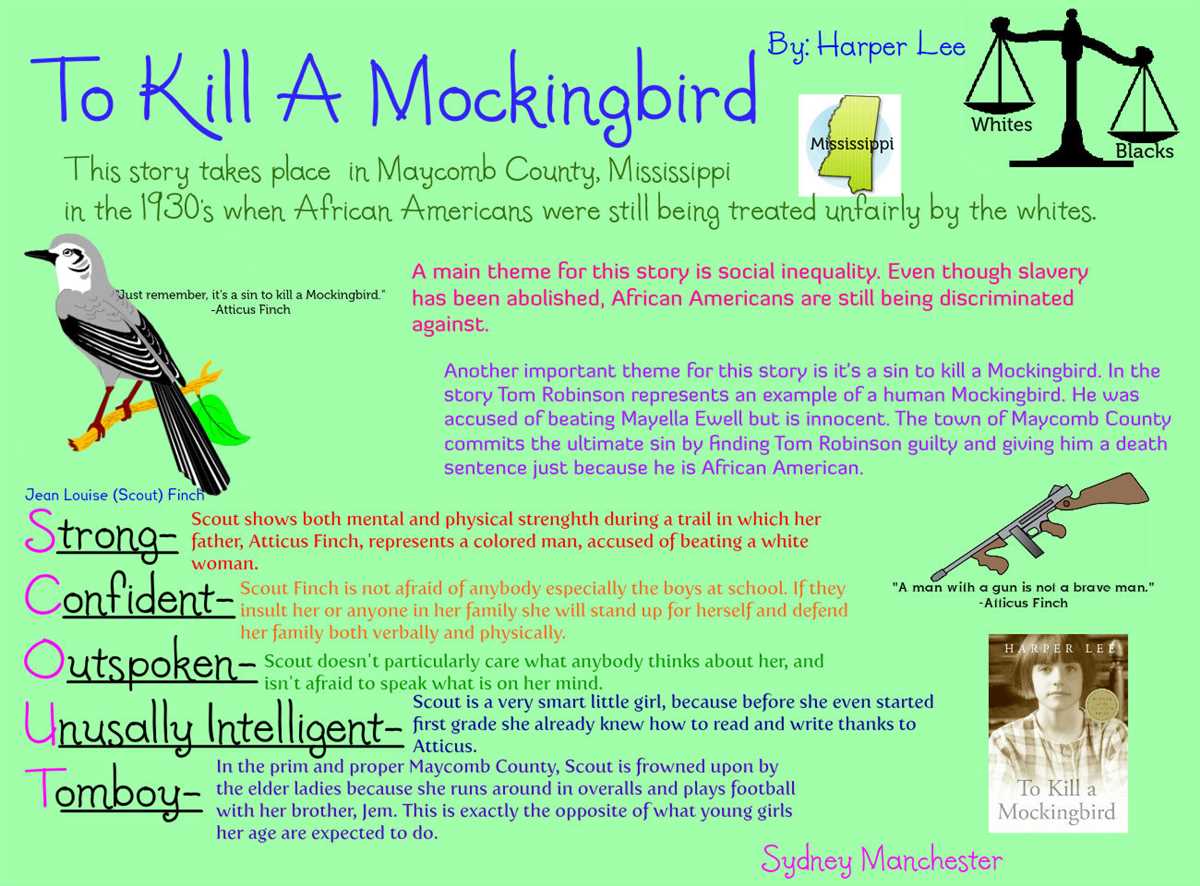
Scarlett O’Hara, the main character of “Gone with the Wind,” is a complex and controversial figure. She is portrayed as a spoiled and self-centered Southern belle, but also as a resilient and resourceful woman who overcomes numerous challenges. Scarlett’s journey from a naive young girl to a shrewd businesswoman is a central theme of the novel, and her character development reflects the changing social and political landscape of the American South during the Civil War and Reconstruction periods.
Throughout the story, Scarlett’s actions and decisions are driven by her relentless pursuit of survival and success, often at the expense of others. She is willing to manipulate and exploit those around her, including her family and lovers, to achieve her goals. However, Scarlett’s character is also layered with vulnerability and regret, as she grapples with the consequences of her choices and the loss of her true love, Ashley Wilkes.
- She is portrayed as a spoiled and self-centered Southern belle
- She is a resilient and resourceful woman
- Her character development reflects the changing social and political landscape
- Scarlett’s actions and decisions are driven by her relentless pursuit of survival and success
- She is willing to manipulate and exploit those around her to achieve her goals
In conclusion, the characters in “To Kill a Mockingbird” and “Gone with the Wind” are multifaceted and provide valuable insights into different aspects of society and human nature. Through their struggles and growth, these characters teach us about the complexities of morality, justice, and the challenges of navigating a changing world.
Analyzing the Themes
In the novel “To Kill a Mockingbird” by Harper Lee, several themes are explored that shed light on the society of Maycomb and the experiences of its characters. One prominent theme is the destructive nature of prejudice and racism. Throughout the novel, characters like Tom Robinson and Boo Radley are subjected to discrimination and judgment based solely on their race or social status. This theme highlights the injustice and harm that comes from blindly following societal norms and stereotypes.
Another theme that is explored in the novel is the importance of empathy and understanding. Atticus Finch, the moral compass of the story, teaches his children the value of putting oneself in someone else’s shoes. This idea is exemplified through the character of Scout, who learns to see the world from different perspectives and to question the prejudices she sees around her. Through this theme, Lee emphasizes the need for compassion and empathy in order to build a more just and harmonious society.
The theme of courage is also present throughout the novel. Characters like Atticus and Tom Robinson display great bravery in the face of adversity, standing up for what is right despite the risks involved. This theme serves as a reminder that courage is not always about physical strength, but about having the moral conviction to do what is right, even in the face of opposition.
Lastly, the theme of childhood innocence is explored in “To Kill a Mockingbird”. Through the eyes of Scout and Jem, the reader is taken back to a time when everything seemed simple and innocent. However, as the children gradually learn about the harsh realities of their society, their innocence is shattered. This theme highlights the loss of innocence that often comes with growing up, as well as the importance of preserving childhood innocence in the face of prejudice and injustice.
- Theme: Destructive nature of prejudice and racism
- Theme: Importance of empathy and understanding
- Theme: Courage
- Theme: Childhood innocence
Uncovering the Symbolism
In Harper Lee’s iconic novel “To Kill a Mockingbird,” symbolism plays a crucial role in conveying the deeper meanings and themes of the story. Through various symbols, Lee explores the themes of prejudice, innocence, and injustice, creating a multi-layered narrative that encourages readers to reflect on societal issues that still resonate today.
The title itself, “To Kill a Mockingbird,” is a symbolic representation of innocence and the unjust destruction of it. The mockingbird, a harmless creature that brings joy through its song, serves as a metaphor for the innocent characters in the story. Atticus Finch, Tom Robinson, and Boo Radley are all metaphorical “mockingbirds” who face injustice and prejudice simply for being different. By highlighting their suffering, Lee criticizes the pervasive prejudice in society and calls attention to the need for empathy and compassion.
Another powerful symbol in the novel is the tree outside the Radley house. Initially, the tree represents fear and mystery, as it is associated with the reclusive and feared Boo Radley. However, after Boo leaves small gifts for Jem and Scout and saves their lives, the tree undergoes a transformation and becomes a symbol of friendship and protection. This transformation symbolizes the power of kindness and human connection to transcend fear and prejudice.
The Mad Dog incident, in which Atticus heroically shoots a rabid dog, serves as a symbol of the battle against racism in Maycomb. Just as Atticus takes on the responsibility of protecting the town from the contagious disease, he also takes on the daunting task of defending Tom Robinson, an innocent black man accused of a crime he did not commit. Through this symbol, Lee highlights the courage required to challenge deeply ingrained prejudices and fight for justice.
By incorporating these and other symbols throughout the novel, Harper Lee masterfully conveys the complexities of societal issues and encourages readers to reflect on the underlying messages of equality, empathy, and the destructive power of prejudice. “To Kill a Mockingbird” continues to be a timeless classic that reminds us of the importance of standing up for what is right and defending the innocent.
Examining the Narrative Style
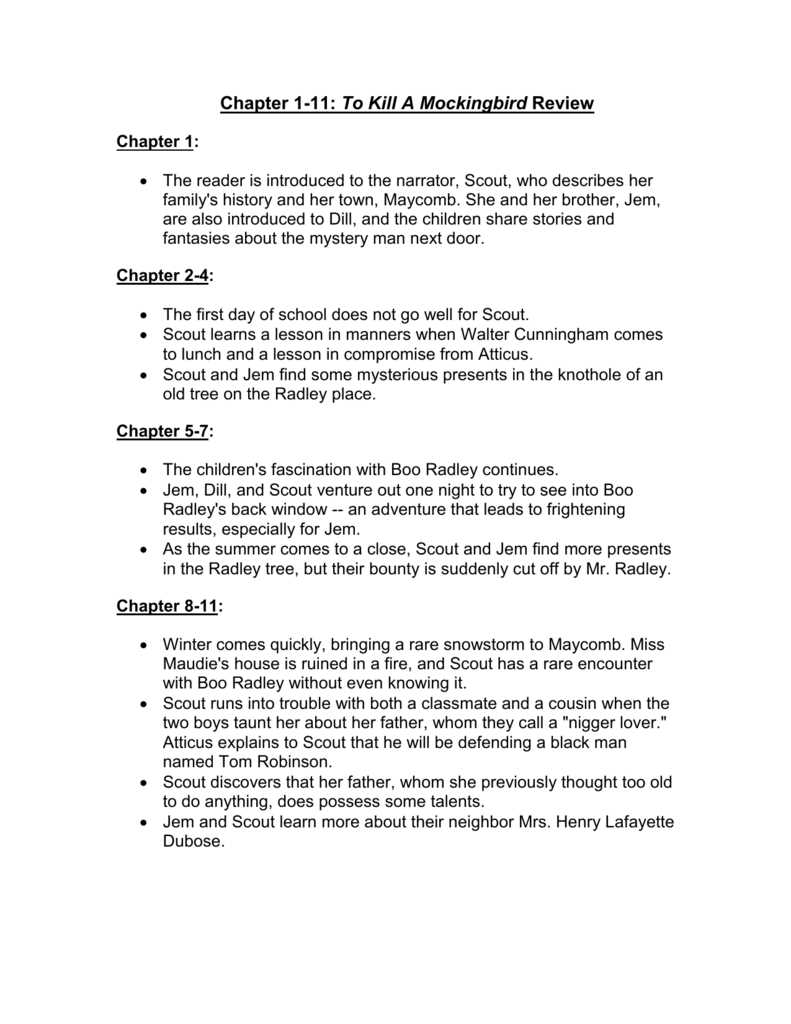
The narrative style of the novel “To Kill a Mockingbird” by Harper Lee is crucial in conveying the story’s themes and evoking the emotions of the readers. Lee’s use of first-person point of view allows the readers to experience the events of the story through the eyes of Scout Finch, the young protagonist. This perspective provides a unique insight into the racial inequality and social prejudices prevalent in the fictional town of Maycomb, Alabama during the 1930s.
One key aspect of the narrative style is Lee’s skillful use of language and imagery. The author employs vivid descriptions to bring the setting and characters to life, making the readers feel as if they are living in Maycomb themselves. For example, when Scout describes the heat of the summer months, she says, “The days were twenty-four hours long but seemed longer. There was no hurry, for there was nowhere to go, nothing to buy and no money to buy it with, nothing to see outside the boundaries of Maycomb County.” This description creates a strong sense of the oppressive and stagnant atmosphere in the town.
Another notable feature of the narrative style is the incorporation of flashbacks and foreshadowing. Through Scout’s recollections and reflections on past events, the readers gain a deeper understanding of the characters and their motivations. This storytelling technique also builds suspense and anticipation, as the readers are constantly aware of the impending trial of Tom Robinson and the potential consequences it may have for the town. One example of foreshadowing occurs when Scout mentions the mysterious Boo Radley early in the novel, setting the stage for his eventual involvement in the story.
In conclusion, the narrative style of “To Kill a Mockingbird” adds depth and richness to the story. Through Scout’s perspective, Lee effectively explores the themes of social injustice, prejudice, and the loss of innocence. The vivid language, use of flashbacks, and foreshadowing contribute to the overall impact of the novel, ensuring that it remains a thought-provoking and powerful piece of literature.
Discussing the Social Context
The social context of Harper Lee’s novel “To Kill a Mockingbird” plays a crucial role in shaping the narrative and themes of the story. Set during the 1930s in the fictional town of Maycomb, Alabama, the novel explores issues of race, class, and gender inequality prevalent in the American South.
Racial discrimination is a central theme in the novel, and Lee uses the character of Atticus Finch to challenge the prevailing racist beliefs of the time. As a white lawyer defending a black man accused of raping a white woman, Atticus stands against the deeply ingrained racial prejudices of the town. Lee vividly portrays the harsh realities of racial injustice and highlights the ways in which racism can infiltrate every aspect of society, from the courtroom to everyday interactions.
The social hierarchy and class divisions in Maycomb also contribute to the novel’s social context. The Finch family, with their privileged background, holds a higher social status than many of their neighbors. However, their moral integrity and empathy set them apart from the rest of the white community. Lee explores the complexities of class dynamics through the characters of Scout and Jem as they navigate between the different social circles and learn to challenge the prejudices of their upbringing.
Furthermore, the role of women in society is another important aspect of the social context examined in the novel. Lee presents a range of female characters, each grappling with their own struggles within the limitations imposed on them by the patriarchal society of Maycomb. From Calpurnia, the Finch family’s black housekeeper, to Scout and Aunt Alexandra, Lee portrays the various ways in which women attempt to find their voice and exert agency in a world dominated by men.
In conclusion, the social context of “To Kill a Mockingbird” provides an insightful commentary on the injustices and inequalities that pervaded the American South during the 1930s. Through the exploration of race, class, and gender, Lee challenges her readers to confront the systemic prejudices ingrained in society and inspires them to strive for empathy, understanding, and social change.
Reflecting on the Significance
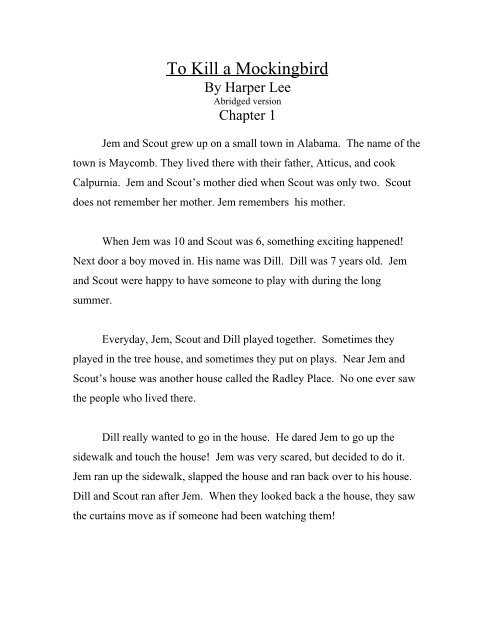
Throughout the novel “To Kill a Mockingbird,” the author Harper Lee tackles important themes such as racial injustice, the loss of innocence, and the importance of empathy. The story takes place in a small town in Alabama during the 1930s, a time marked by deep racial divisions and social inequality. Through the perspective of Scout, a young girl growing up in this volatile environment, we are able to gain a deeper understanding of these issues and their lasting impact.
One of the central themes of the novel is racial injustice. The trial of Tom Robinson, a black man falsely accused of raping a white woman, serves as a powerful symbol of the prejudice and discrimination that plagued the South during this time. Atticus Finch, Scout’s father, takes on the challenge of defending Tom despite the overwhelming odds against him. Atticus’s unwavering belief in justice and equality serves as a moral compass throughout the story, teaching Scout and the readers the importance of standing up for what is right, even when faced with opposition.
Another significant theme in the novel is the loss of innocence. Through the eyes of Scout and her older brother Jem, we witness the harsh realities of the world and the inherent injustice that exists. The incident with Boo Radley, a recluse who is initially feared by the children, ultimately teaches them the importance of empathy and understanding. This moment serves as a catalyst for their personal growth and the realization that people should not be judged solely based on rumors and appearances.
The significance of “To Kill a Mockingbird” lies in its ability to explore complex themes and shed light on the realities of society. Harper Lee’s portrayal of the racial tensions and social inequalities reminds us of the importance of empathy, understanding, and fighting for justice. The novel serves as a timeless reminder that we should never judge others based on their race or social status, and that the journey towards equality and justice requires both individual and collective action.