Uncovering the Secrets: The Ultimate Study Guide Answers for To Kill a Mockingbird
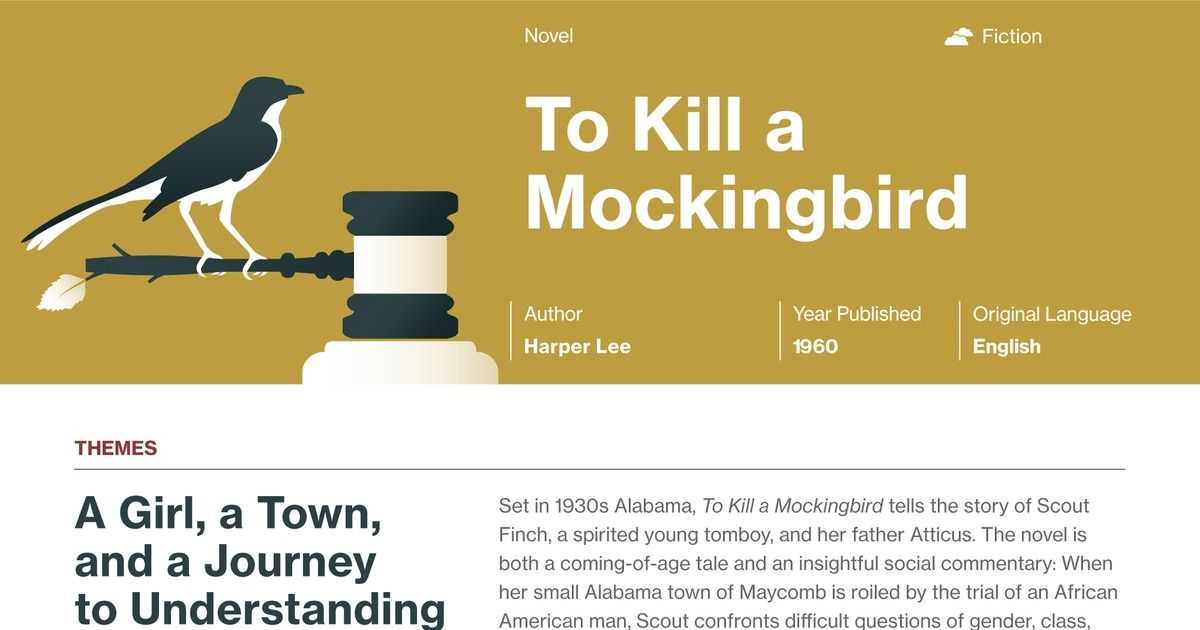
Understanding the intricacies and deeper meanings of Harper Lee’s timeless novel, “To Kill a Mockingbird,” can often be a challenging task. However, with the help of a comprehensive study guide, readers can delve into the captivating world of Maycomb County and its memorable characters. This study guide provides insightful answers to key questions, allowing readers to fully comprehend the themes, symbols, and social issues tackled in the book.
One of the most important themes explored in “To Kill a Mockingbird” is the nature of prejudice and racism. The study guide offers detailed answers that analyze how these topics are portrayed through characters like Atticus Finch, Tom Robinson, and Boo Radley. By understanding the historical context and psychological motivations behind the characters’ actions, readers can gain a deeper appreciation for the book’s powerful message against injustice.
In addition to exploring themes, the study guide also delves into the symbolism present throughout the novel. From the mockingbird to the oak tree, each symbol holds a deeper meaning that adds layers of significance to the story. The study guide provides answers that unravel these symbols, allowing readers to fully grasp the depth and complexity of Lee’s writing.
To Kill a Mockingbird Study Guide Answers
As a classic American novel, To Kill a Mockingbird by Harper Lee is widely studied in schools and universities. This study guide provides answers to some of the most commonly asked questions about the book, as well as insights into its themes and literary techniques.
Question 1: Who are the main characters in To Kill a Mockingbird?
- Scout Finch: The young protagonist and narrator of the story.
- Jem Finch: Scout’s older brother, who experiences the coming-of-age journey alongside her.
- Atticus Finch: Scout and Jem’s father, a morally upright lawyer who defends an African American man accused of rape.
- Boo Radley: A reclusive neighbor who becomes a mysterious figure in the children’s lives.
- Tom Robinson: The African American man unfairly accused of rape.
- Mayella Ewell: The white woman who accuses Tom Robinson of rape.
Question 2: What are the major themes in To Kill a Mockingbird?
- Racial injustice and inequality: The novel explores the deeply rooted racism and prejudice that existed in the 1930s American South.
- Moral education and empathy: Scout and Jem learn valuable lessons about compassion, understanding, and the importance of standing up for what is right.
- Loss of innocence: The children’s experiences with the trial and the harsh realities of the world around them force them to confront the loss of their childhood innocence.
- Social class and inequality: The novel examines the rigid social hierarchy and the effects of social inequality on individuals and communities.
Question 3: What are some of the literary techniques used in To Kill a Mockingbird?
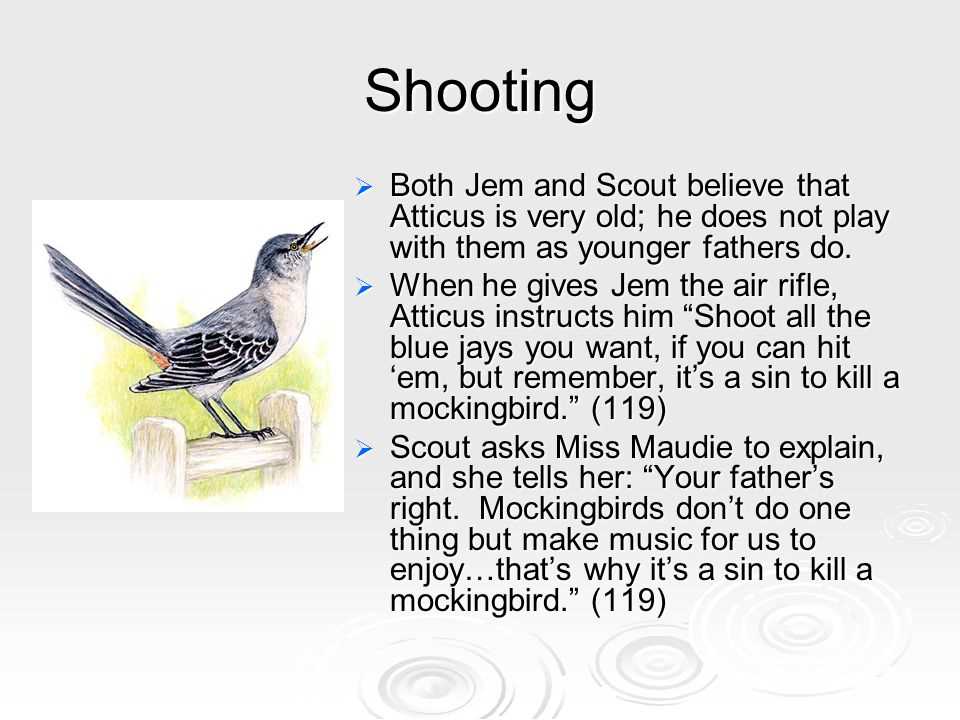
- Symbolism: The mockingbird acts as a symbol of innocence and purity, and the title reflects the theme of killing innocence.
- Foreshadowing: Throughout the novel, there are hints and clues of events to come, building suspense and adding depth to the narrative.
- First-person narrative: The story is told from Scout’s perspective, allowing readers to see events unfold through the eyes of a child and gain insights into her thoughts and emotions.
- Flashbacks: Scout frequently recalls past events, providing context and enhancing the reader’s understanding of the story.
In conclusion, studying To Kill a Mockingbird offers an opportunity to delve into important themes, analyze the characters’ growth and development, and appreciate Harper Lee’s masterful use of literary techniques. By exploring these study guide answers, readers can gain a deeper understanding of the novel and its lasting impact on American literature.
Understanding the Plot and Characters
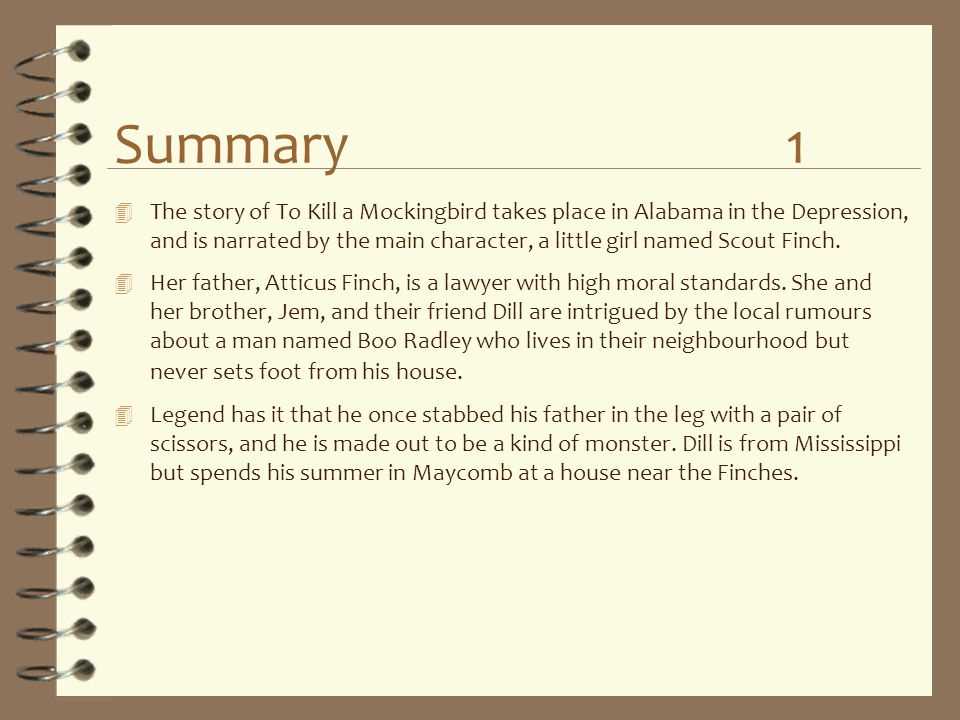
In the classic novel “To Kill a Mockingbird,” written by Harper Lee, the plot revolves around the experiences of Scout Finch, a young girl growing up in the racially charged town of Maycomb, Alabama, during the 1930s. As the story unfolds, Scout and her older brother Jem witness the injustice and prejudice that exist within their community. The main plot of the novel centers around the trial of Tom Robinson, a black man accused of raping a white woman.
Throughout the novel, Scout’s father, Atticus Finch, serves as a moral compass, standing up for what is right and teaching his children the importance of empathy and understanding. Despite facing backlash from the community, Atticus defends Tom Robinson in court, presenting compelling evidence that challenges the racial bias of the townspeople. The trial not only exposes the deep-seated racism within Maycomb but also highlights the courage and integrity of Atticus.
Aside from the main plotline, “To Kill a Mockingbird” also explores the themes of social inequality, innocence, and the loss of childhood innocence. The characters in the novel are well-developed and contribute to the overall message of the story. Scout, as the narrator, provides insight into the events and experiences that shape her understanding of the world. Her friendship with Dill Harris and Boo Radley, two outcasts in Maycomb, allows her to question societal norms and challenge prejudice.
Boo Radley, a recluse who is initially feared by Scout and Jem, becomes a symbol of compassion and kindness as the story progresses. His subtle acts of generosity and protection towards the children highlight the idea that appearances can be deceiving and that it is essential to look beyond stereotypes. Aunt Alexandra, another important character, represents the traditional Southern values and expectations placed on women, contrasting with Scout’s tomboyish nature.
The intricate plot and well-drawn characters in “To Kill a Mockingbird” make it a thought-provoking and impactful novel that is still relevant today. Through a child’s perspective, readers are encouraged to question prejudice, injustice, and the complex nature of humanity.
Analyzing the Themes
The novel “To Kill a Mockingbird” explores several important themes that are still relevant today. By analyzing these themes, we can gain a deeper understanding of the novel and its underlying messages.
Racial injustice: One of the main themes in the novel is racial injustice. The story is set in the 1930s in a small southern town where racial discrimination is deeply ingrained in society. Harper Lee highlights the unequal treatment of African Americans through the trial of Tom Robinson, a black man falsely accused of rape. The theme of racial injustice exposes the prejudices and prejudices that existed during that time period and encourages readers to reflect on the continuing struggle for social equality.
Loss of innocence: Another prominent theme in the novel is the loss of innocence. The story is told through the eyes of Scout, a young girl who gradually learns about the harsh realities of the world. As she witnesses the racial injustices and the evil side of human nature, her innocence is slowly shattered. The theme of loss of innocence reflects the loss of childhood innocence and the painful process of growing up.
Moral education: Throughout the novel, characters are faced with difficult moral choices that force them to confront their own values and beliefs. Atticus Finch, Scout and Jem’s father, serves as a moral compass and teaches his children important lessons about empathy, tolerance, and courage. The theme of moral education emphasizes the importance of standing up for what is right, even in the face of adversity.
Social inequality: The novel also explores the theme of social inequality. The rigid social hierarchy of the town is evident in the divide between the white and black communities. The wealthy and powerful white families hold more privilege and influence, while African Americans are marginalized and oppressed. This theme raises questions about the fairness and justice of society, and highlights the need for change and equality.
In conclusion, “To Kill a Mockingbird” delves into various themes that are relevant to society even today. By examining the themes of racial injustice, loss of innocence, moral education, and social inequality, readers can gain a deeper understanding of the novel and its significance in addressing important social issues.
Examining the Symbolism and Motifs
One of the key aspects of Harper Lee’s novel “To Kill a Mockingbird” is the use of symbolism and motifs to convey deeper meanings and themes. Throughout the story, various symbols and motifs are employed to represent ideas such as innocence, prejudice, and the loss of childhood. By analyzing these symbols and motifs, readers can gain a deeper understanding of the novel and its underlying messages.
One prominent symbol in the novel is the mockingbird. Mockingbirds are innocent creatures that bring joy through their beautiful songs. In the context of the story, the mockingbird symbolizes innocence and represents characters who are harmed or destroyed despite their innocence. For example, Tom Robinson, who is falsely accused of rape, is a metaphorical mockingbird as he is unjustly persecuted due to his race. Similarly, Boo Radley, a recluse who is misunderstood by the community, is also portrayed as a mockingbird. The mockingbird symbol serves as a reminder of the destructive nature of prejudice and injustice.
Another important motif in the novel is the concept of childhood and loss of innocence. The story is primarily narrated from the perspective of Scout, a young girl who experiences various events that shape her understanding of the world. The motif of childhood innocence is evident in Scout’s observations of the town and its inhabitants. As the story progresses, Scout witnesses the harsh realities of racism and injustice, which shatter her childlike view of the world. This loss of innocence is a central theme in the novel and represents the harsh reality of growing up in a society plagued by prejudice and inequality.
- The mockingbird symbolizes innocence in the face of injustice
- The motif of childhood and loss of innocence is central to the novel
- Other symbols and motifs are employed to convey deeper meanings and themes
In conclusion, the symbolism and motifs used in “To Kill a Mockingbird” play a crucial role in conveying the novel’s themes and messages. Through the mockingbird symbol, the novel explores themes of innocence, prejudice, and injustice. The motif of childhood and loss of innocence further emphasizes the harsh realities of growing up in a society plagued by discrimination. By examining these symbols and motifs, readers can gain a deeper appreciation for the novel’s powerful and thought-provoking narrative.
Exploring the Historical and Cultural Context
The novel “To Kill a Mockingbird” is set in the 1930s, a time of deep racial divisions and segregation in the United States. The story takes place in the fictional town of Maycomb, Alabama, which represents the southern states during this era. It is important to understand the historical and cultural context in which the events of the novel unfold in order to fully appreciate the themes and messages conveyed by the author, Harper Lee.
Racial inequality and discrimination are prominent themes in the novel, reflecting the deep-rooted racism that was prevalent in society at that time. African Americans faced systemic oppression and were denied basic civil rights. The Jim Crow laws enforced racial segregation in public places, schools, and housing, further marginalizing African Americans. Lee explores these issues through the character of Tom Robinson, a black man falsely accused of rape, and the trial that follows, which highlights the biases and prejudices within the justice system.
In addition to racial issues, the novel also addresses gender roles and social class divisions. Women were expected to conform to traditional roles of homemakers and were often marginalized in society. Scout, the young protagonist, challenges these gender expectations through her tomboyish behavior and refusal to conform. The Finch family, which includes Scout and her older brother Jem, represents the middle class in Maycomb, while the Ewell family represents the white underclass. The stark contrast between these two families emphasizes the social inequality and economic disparities that existed during that time.
The historical and cultural context of “To Kill a Mockingbird” provides a backdrop for the exploration of themes such as prejudice, courage, and empathy. By immersing ourselves in the world of Maycomb, we gain a deeper understanding of the challenges faced by the characters and the broader implications of their struggles. Through her portrayal of this era, Harper Lee invites readers to reflect on the past and consider the lessons it holds for the present and the future.
Discussing the Author’s Writing Style
Harper Lee’s writing style in “To Kill a Mockingbird” is known for its simplicity and clarity. She uses straightforward language and avoids unnecessary complexity, allowing the story to flow smoothly and be easily understood by readers of various ages and backgrounds. Lee’s writing is characterized by a strong narrative voice, which immerses readers in the perspective of Scout, the main character and narrator of the story.
One notable aspect of Lee’s writing style is her use of vivid imagery to bring the setting and characters to life. Through descriptive language and detailed observations, she creates a rich and evocative world that allows readers to visualize Maycomb, the small town where the story takes place, and its inhabitants. This attention to detail enhances the reader’s immersion in the story and adds depth to the overall reading experience.
Furthermore, Lee’s writing style is marked by its ability to tackle complex themes and issues with subtlety and nuance. She addresses topics such as racism, inequality, and social injustice, but does so in a nuanced and thought-provoking way. Instead of relying on heavy-handed or preachy dialogue, Lee uses the actions and interactions of her characters to convey her messages, allowing readers to draw their own conclusions and engage in meaningful reflection.
In conclusion, Harper Lee’s writing style in “To Kill a Mockingbird” is characterized by its simplicity, vivid imagery, and ability to address complex themes with subtlety. Her straightforward language and strong narrative voice make the story accessible to readers, while her attention to detail and nuanced approach to difficult topics make it a thought-provoking and impactful read.
Exam Preparation and Study Tips
Preparing for an exam can be a stressful and overwhelming experience, especially when studying a complex and thought-provoking novel like “To Kill a Mockingbird.” However, with the right strategies and study tips, you can effectively prepare for your exam and feel confident in your knowledge of the book.
1. Start Early: Don’t wait until the last minute to begin studying. Start reviewing the material well in advance to give yourself enough time to thoroughly understand the themes, characters, and plot of the novel.
2. Take Notes: As you read the book, take detailed notes on the important events, character traits, and key quotes. These notes will serve as a valuable reference when you are reviewing the material later on.
3. Create Study Guides: Summarize each chapter of the book in your own words and create study guides to help you remember the main ideas and details. Include character descriptions, major events, and important quotes in your study guides.
4. Practice Essay Writing: Writing practice essays can help you improve your analytical skills and develop a deeper understanding of the themes and messages in the novel. Practice analyzing quotes and exploring their significance in relation to the overall message of the book.
5. Form Study Groups: Working with others who are also studying the book can be beneficial. Discussing the novel and exchanging ideas can help reinforce your understanding of the material and provide different perspectives on the themes and characters.
6. Take Breaks: While it’s important to dedicate enough time to studying, it’s also crucial to take breaks to rest and recharge. Studying for long periods without breaks can lead to burnout and decreased productivity. Take short breaks to relax and clear your mind.
7. Use Flashcards: Create flashcards to test your memory and understanding of important terms, definitions, and key concepts from the book. Flashcards are a great tool for reviewing information and reinforcing your knowledge.
8. Seek Help if Needed: If you’re struggling with certain aspects of the novel, don’t hesitate to seek help from your teacher, classmates, or online resources. Asking questions and seeking clarification can greatly enhance your understanding and overall performance on the exam.
By following these study tips and practicing active and consistent studying, you will be well-prepared for your exam on “To Kill a Mockingbird.” Remember to stay focused, manage your time effectively, and have confidence in your abilities. Good luck!