The Extent of an Answer
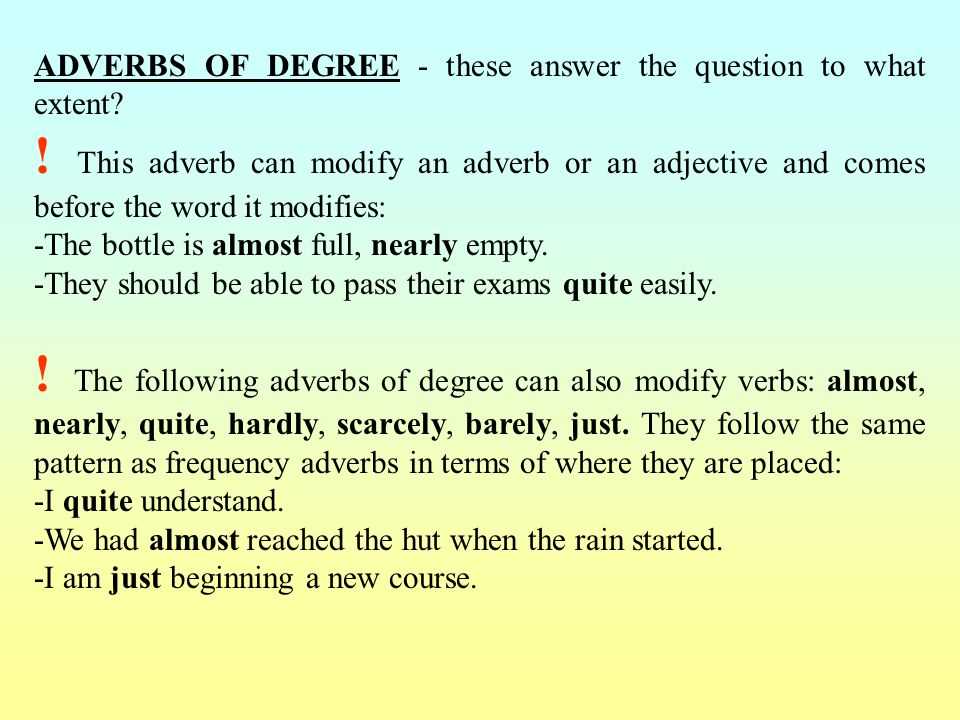
When it comes to understanding complex issues, the answer is often not a simple “yes” or “no.” Instead, it lies somewhere in between. This is where the concept of a “to what extent” answer comes into play. A “to what extent” answer requires a careful analysis of all relevant factors and evidence in order to provide a nuanced and balanced response.
One way to approach a “to what extent” answer is to consider the different perspectives or arguments surrounding the issue at hand. By examining the various viewpoints and weighing the strengths and weaknesses of each, it is possible to arrive at a more informed and comprehensive answer. This approach acknowledges that there may be valid points on both sides, and seeks to evaluate the extent to which each argument is valid.
Furthermore, a “to what extent” answer also requires taking into account the context and specific circumstances of the issue. It recognizes that the answer may vary depending on the time, place, and individuals involved. By considering these factors, it is possible to provide a more nuanced response that acknowledges the complexities and contingencies of the situation.
In conclusion, a “to what extent” answer involves a thorough analysis of different perspectives, careful consideration of the context, and a nuanced evaluation of all relevant factors. It is an approach that recognizes the complexity of many issues and seeks to provide a balanced and informed response. By adopting this approach, we can move beyond simplistic binary answers and engage in more meaningful and productive discussions.
Understanding the “To What Extent” Answer Format
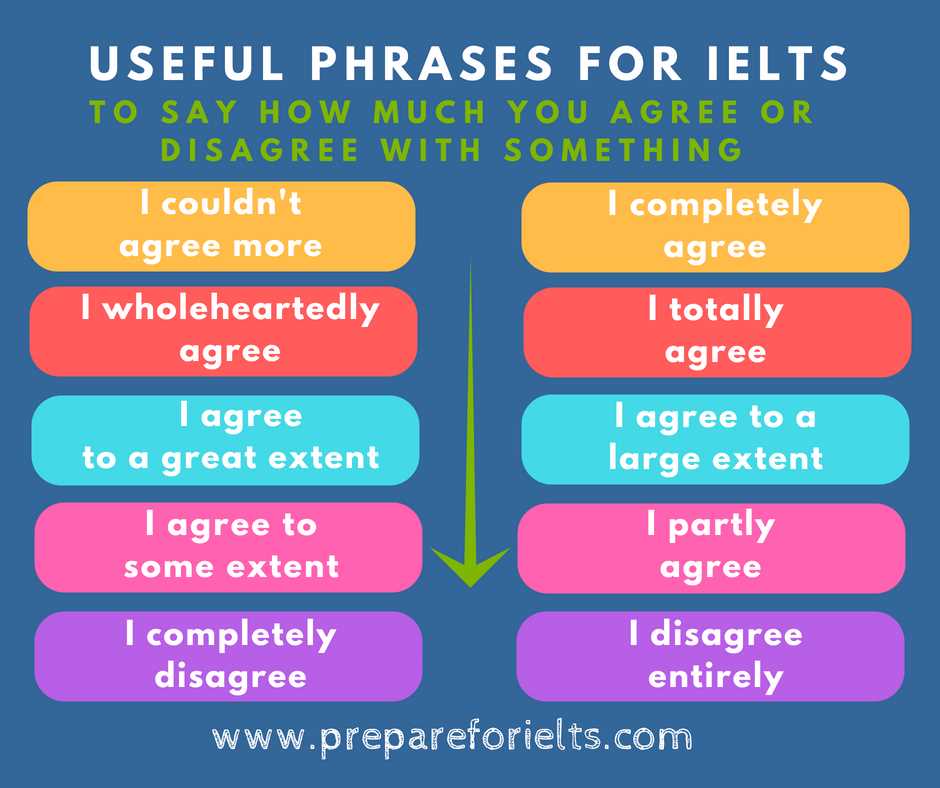
In the context of essay writing or answering a question, the phrase “to what extent” often introduces a prompt that requires the writer to evaluate the degree or measure of a given statement or argument. This type of question format allows for a more nuanced and thorough analysis, as it requires the writer to consider both supporting evidence and counterarguments before providing a balanced response.
When answering a “to what extent” question, it is crucial to consider the specific parameters or scope of the question. This may involve analyzing the time period, geographical location, or specific context in which the statement or argument is being made. Understanding these parameters will help you determine the appropriate scope of your response and ensure that your answer is focused and relevant.
Typically, a “to what extent” question will require you to provide a balanced evaluation of the statement or argument. This means that you should consider both the strengths and limitations of the statement or argument before reaching a conclusion. In your response, it is important to provide evidence and examples to support your analysis, drawing on credible sources or relevant theories as appropriate. Additionally, addressing counterarguments and refuting them where necessary can further strengthen your answer.
To structure your answer effectively, you may consider following a four-step approach. First, provide a brief introduction that outlines the main statement or argument being evaluated. Next, present your analysis by considering both supporting evidence and counterarguments. Use specific examples and evidence to support your points. Then, provide a balanced conclusion that evaluates the overall extent to which the statement or argument is true or valid. Finally, ensure that your answer is well-organized and coherent, with clear topic sentences and transitions between paragraphs.
In conclusion, the “to what extent” answer format requires a careful and balanced evaluation of a given statement or argument. By considering the specific parameters, providing evidence, and addressing counterarguments, you can effectively demonstrate your understanding and analysis. Following a clear structure and organizing your response coherently will ensure that your answer is comprehensive and persuasive.
Definition and purpose of the “To What Extent” answer format

The “To What Extent” answer format is a common approach used in academic writing and critical analysis to assess the degree or extent to which a particular statement or argument holds true. This type of answer format requires the writer to evaluate the given statement or argument and provide a nuanced response by considering multiple perspectives and evidence. It is often used in essay questions to encourage students to think critically and demonstrate their ability to analyze and evaluate complex issues.
When responding to a “To What Extent” question, the writer is expected to provide a balanced evaluation of the given statement or argument by considering both supporting and opposing evidence. This format requires the writer to critically analyze the topic and present their arguments in a logical and coherent manner. The purpose of the “To What Extent” answer format is to go beyond a simple yes or no answer and encourage students to think critically, evaluate different perspectives, and support their arguments with evidence and examples.
Key features of the “To What Extent” answer format:
- The need for a balanced evaluation of the given statement or argument
- The consideration of multiple perspectives
- The requirement to provide supporting evidence and examples
- A focus on critical thinking and analysis
- An opportunity to demonstrate logical and coherent argumentation
In essence, the “To What Extent” answer format challenges the writer to go beyond a simplistic response and engage in a comprehensive evaluation of the given statement or argument. It encourages critical thinking, analysis, and the ability to present a well-supported and well-reasoned argument. By using this format, students can showcase their understanding of the topic, their ability to consider different perspectives, and their skills in presenting a well-rounded evaluation.
Key features of a strong “To What Extent” answer
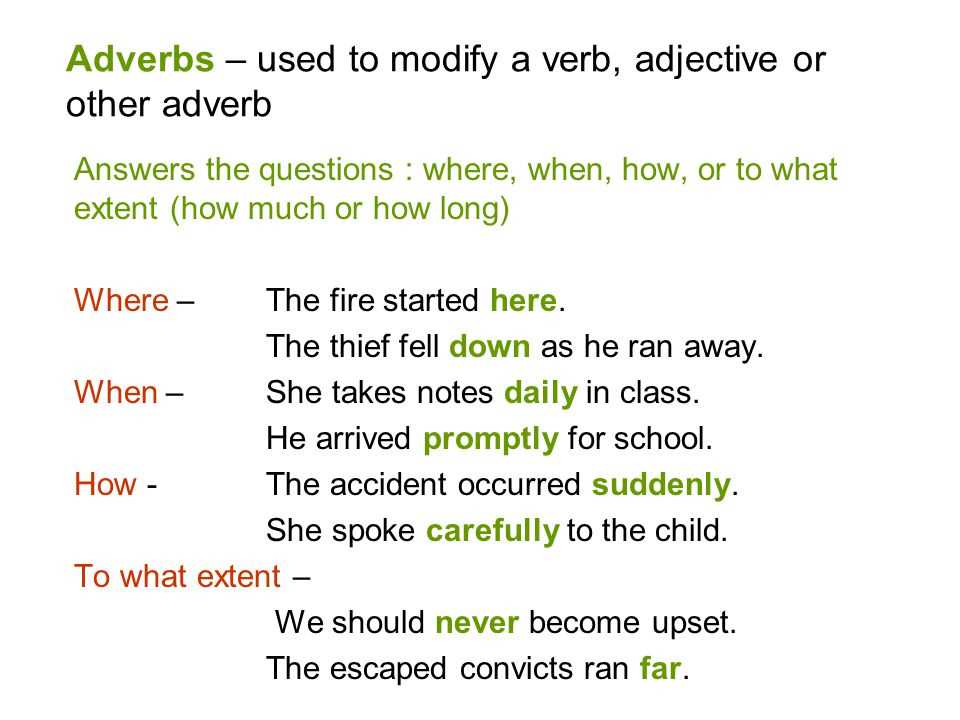
In order to write a strong “To What Extent” answer, one must thoroughly analyze the given statement or question. It is essential to understand the scope and limitations of the topic in order to provide a balanced and insightful response. Here are some key features that can make a “To What Extent” answer strong and effective:
- Clear and concise thesis statement: The answer should start with a strong thesis statement that clearly states the extent to which the statement is true or false. The thesis should be specific and directly address the main argument of the question.
- Evidence-based reasoning: A strong “To What Extent” answer should utilize relevant evidence to support the thesis statement. Evidence can be in the form of examples, data, statistics, or expert opinions. It is crucial to provide specific and detailed evidence that directly relates to the topic.
- Analysis of counterarguments: Acknowledging and analyzing counterarguments is an important aspect of a strong “To What Extent” answer. It demonstrates critical thinking and an understanding of different perspectives. By addressing counterarguments, the answer becomes more balanced and well-rounded.
- Structure and organization: The answer should have a clear and logical structure. It should be well-organized, with each paragraph focusing on a specific point or argument. Transitions should be used to ensure a smooth flow of ideas.
- Conclusion: A strong “To What Extent” answer should have a well-developed conclusion that summarizes the main points and restates the thesis statement. The conclusion should also provide a final evaluation or judgment based on the evidence presented.
In conclusion, a strong “To What Extent” answer demonstrates a deep understanding of the topic, utilizes relevant evidence, and considers multiple perspectives. It is important to present a clear thesis statement, support it with evidence, analyze counterarguments, and maintain a well-structured response. By following these key features, one can effectively address the extent to which a statement is true or false.
Analyzing the question prompt in the “To What Extent” format
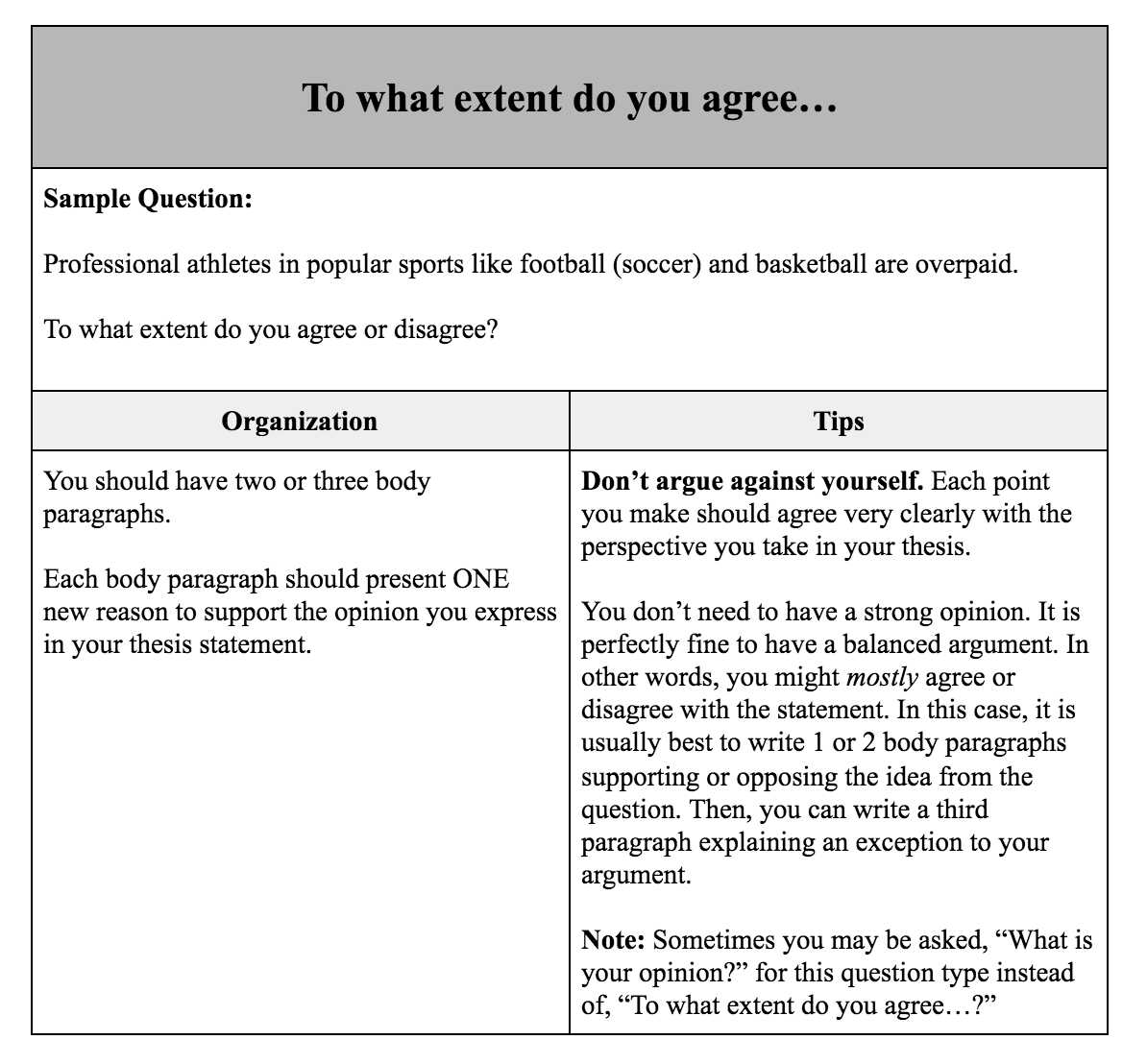
In the “To What Extent” essay format, the question prompt plays a crucial role in guiding our response. It is essential to carefully analyze and understand the question before formulating our answer. By identifying the scope of the question and considering the key terms provided, we can determine the extent to which we need to explore the given topic.
The key phrases such as “To what extent,” “How far,” or “To what degree” indicate that the question requires a nuanced response. It implies that we need to assess the different aspects or factors related to the topic and evaluate their impact or significance. The question prompt may also include specific instructions or additional terms that provide further guidance and context for our analysis.
To effectively analyze the question prompt, we can start by breaking it down and identifying the main components. This helps us understand what the question is asking and enables us to structure our response accordingly. We should pay attention to the verbs used in the prompt, such as “assess,” “evaluate,” or “justify,” as they indicate the type of response expected.
Additionally, it is crucial to consider the context or background of the question. This may involve identifying the relevant historical or cultural factors, examining different perspectives or theories, or understanding any limitations or constraints associated with the topic. By examining the question from different angles and exploring various arguments or evidence, we can provide a comprehensive and well-supported response.
Constructing a clear thesis statement for a “To What Extent” answer
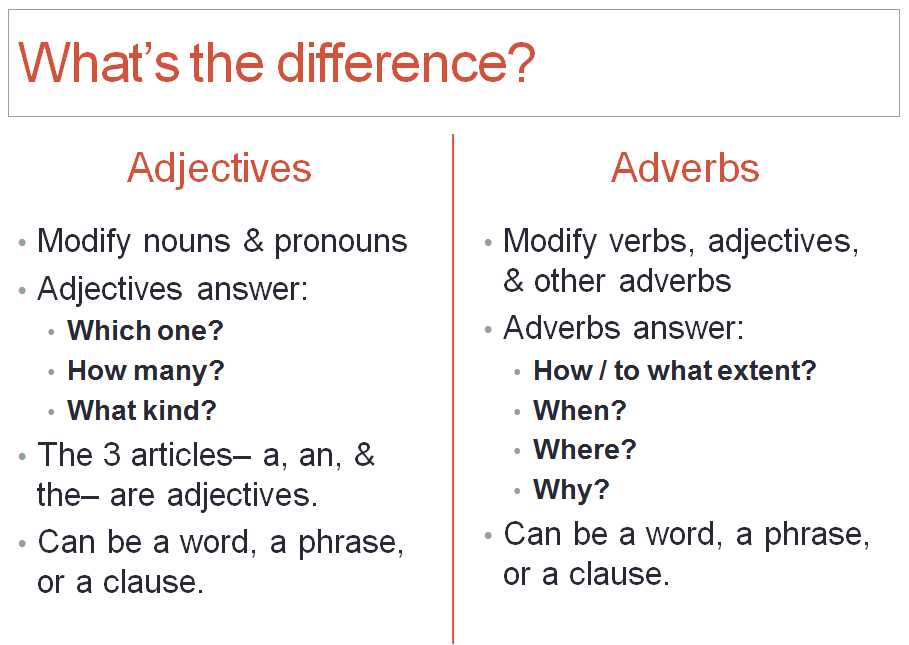
In order to effectively respond to a “To What Extent” question, it is crucial to construct a clear and concise thesis statement. This statement should outline the main argument or perspective that will be explored in the essay, while also showcasing the extent to which the argument will be supported or refuted. The thesis statement should be specific and focused, addressing the main theme or issue presented in the question. It should also provide a preview of the main points that will be discussed in the body paragraphs of the essay.
A strong thesis statement for a “To What Extent” answer should begin with a clear indication of the extent to which the argument is being supported or refuted. This can be achieved by using phrases such as “to a great extent,” “to a certain extent,” or “to a limited extent.” The thesis statement should then present the main argument or perspective that will be explored in the essay. This could involve analyzing the impact of a particular event, evaluating the effectiveness of a certain policy, or assessing the influence of a specific individual or ideology.
The thesis statement should also provide a preview of the main points that will be discussed in the body paragraphs of the essay. These points should be specific and directly related to the main argument or perspective outlined in the thesis statement. In a “To What Extent” answer, it is important to provide evidence and examples to support the argument and to demonstrate the extent to which it is valid. This can involve referencing specific events, data, or scholarly sources that support or refute the main argument. Additionally, counterarguments can be addressed to acknowledge the limitations or opposing perspectives, but ultimately the thesis statement should present a clear stance on the question.
Providing supporting evidence and arguments for a “To What Extent” answer

When answering a “To What Extent” question, it is essential to provide supporting evidence and arguments in order to justify the extent to which a certain statement or claim is true or valid. This involves carefully analyzing the given statement and considering different perspectives, opinions, and evidence.
One strategy is to present specific examples or case studies that illustrate the extent of the statement. By providing concrete evidence, you can demonstrate the validity or limitations of the given statement. For example, if the statement is “To what extent did technology impact education?”, you could provide examples of how technology has revolutionized teaching methodologies, improved access to educational resources, and facilitated distance learning. On the other hand, you could also highlight the limitations and challenges of technology in education, such as the digital divide or the potential for distraction.
Another approach is to consider the different perspectives and arguments surrounding the statement. This involves examining various viewpoints and presenting balanced arguments. For instance, if the statement is “To what extent is social media beneficial for society?”, you could discuss the positive aspects such as increased connectivity, access to information, and opportunities for self-expression. However, it is also important to acknowledge the negative impacts of social media, such as privacy concerns, cyberbullying, and the spread of misinformation. By considering both sides of the argument, you can provide a comprehensive and nuanced “To What Extent” answer.
In addition, providing statistical data or research findings can strengthen your argument. By referencing reputable studies or surveys, you can support your claims with empirical evidence. This can enhance the credibility and persuasiveness of your answer. For example, if the statement is “To what extent has climate change affected global temperatures?”, you could present temperature data from reliable scientific sources that show the increasing trend of global temperatures over the past decades. This evidence can support your assertion that climate change has had a significant impact on global temperatures.
In conclusion, when answering a “To What Extent” question, it is crucial to provide supporting evidence and arguments to justify the extent of the given statement. This can be achieved by using specific examples, considering different perspectives, and referencing statistical data or research findings. By employing these strategies, you can present a well-structured and convincing answer that takes into account relevant evidence and various viewpoints.
Concluding a “To What Extent” Answer with a Balanced Evaluation

In conclusion, when providing an answer to a “To What Extent” question, it is crucial to maintain a balanced evaluation. By carefully assessing both sides of the argument and considering various perspectives, a well-rounded response can be constructed.
First and foremost, it is important to acknowledge the limitations and caveats of the argument being presented. By addressing counterarguments and potential weaknesses, the answer demonstrates a nuanced understanding of the topic. This helps to avoid the pitfall of oversimplification and ensures a more comprehensive evaluation.
Furthermore, providing evidence and examples to support each side of the argument adds credibility to the answer. By presenting a range of supporting information, the response becomes more substantiated and persuasive. This allows the reader to make an informed judgment on the extent to which the argument holds true.
However, it is equally important to avoid falling into the trap of indecisiveness or fence-sitting. While it is necessary to acknowledge counterarguments, it is crucial to offer a clear stance on the topic. This can be achieved by utilizing phrases such as “on the one hand, on the other hand” or “while there are valid points to be made, ultimately it can be argued that…”
In conclusion, a well-executed “To What Extent” answer combines a balanced evaluation with a clear stance. By considering multiple perspectives, acknowledging limitations, and providing supporting evidence, a comprehensive response can be crafted. This ensures that the answer is not only substantiated, but also demonstrates critical thinking and a deep understanding of the topic at hand.