Prepare for the Traffic Enforcement Agent Exam with These Sample Questions
If you aspire to become a traffic enforcement agent, it is essential to be well-prepared for the examination process. One way to do that is by studying sample questions that are commonly included in the exam. These questions are designed to test your knowledge and understanding of traffic laws, regulations, and procedures. By practicing with these sample questions, you can familiarize yourself with the types of questions that may come up and improve your chances of performing well on the actual exam.
A typical traffic enforcement agent exam includes questions related to traffic signs and signals, parking regulations, traffic control methods, and laws pertaining to pedestrian safety. These questions require you to have a comprehensive understanding of the rules of the road and the ability to apply them in various scenarios. By studying and answering sample questions, you can develop the necessary skills to identify different traffic signs and signals, interpret their meanings, and determine the appropriate actions to take.
Additionally, the exam may include questions about parking regulations, such as identifying legal parking spaces, understanding parking restrictions, and determining the correct procedures for issuing parking violations. These questions test your knowledge of parking rules and regulations, as well as your ability to enforce them effectively and fairly. It is crucial to study and practice these questions to ensure you are well-prepared to handle the responsibilities of a traffic enforcement agent.
Traffic Enforcement Agent Exam Sample Questions
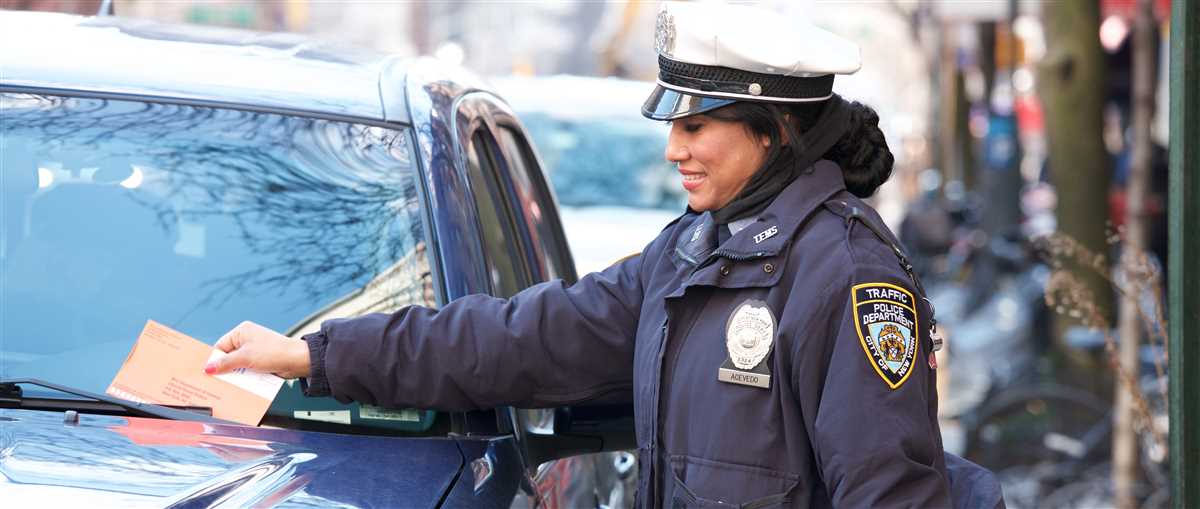
If you are preparing for the traffic enforcement agent exam, it is important to familiarize yourself with the types of questions you may encounter. This will help you better understand the content and format of the exam, allowing you to study and prepare more effectively. Here are some sample questions that you might find on the traffic enforcement agent exam:
1. What are the responsibilities of a traffic enforcement agent?
- a) Directing traffic at intersections
- b) Issuing parking violations
- c) Assisting drivers with directions
- d) Conducting accident investigations
Answer: a) Directing traffic at intersections, b) Issuing parking violations
As a traffic enforcement agent, your primary responsibilities include directing traffic at intersections and issuing parking violations. While you may occasionally assist drivers with directions, conducting accident investigations is typically the responsibility of law enforcement officers. It is important to understand the specific duties expected of a traffic enforcement agent in order to successfully pass the exam.
2. How should a traffic enforcement agent handle an irate driver?
- a) Stay calm and professional
- b) Engage in an argument
- c) React with anger
- d) Ignore the driver
Answer: a) Stay calm and professional
When faced with an irate driver, it is crucial for a traffic enforcement agent to maintain their composure and professionalism. Engaging in an argument or reacting with anger can escalate the situation and potentially compromise your safety. Instead, it is best to stay calm, listen to the driver’s concerns, and try to find a peaceful resolution. Ignoring the driver is not an appropriate response as it may further aggravate the situation.
Traffic Laws and Regulations
Traffic laws and regulations play a crucial role in ensuring the safety and efficiency of our roads. They are designed to govern the behavior of drivers, pedestrians, and other road users, and to prevent accidents and traffic congestion. Understanding and obeying these laws is essential for all drivers, as they help maintain order on the roads and protect the lives of everyone involved.
Speed limits are one of the most important traffic regulations. They are set to control the maximum speed at which vehicles can safely travel on different types of roads. Speeding not only increases the risk of accidents, but it also reduces the driver’s ability to react to unexpected situations. It is crucial for drivers to adhere to speed limits and adjust their speed according to the road conditions.
Stop signs and traffic signals are another key aspect of traffic regulations. These signs and signals are placed at intersections to regulate the flow of traffic and ensure the safety of all road users. It is essential for drivers to know the meaning of different traffic signals and obey them accordingly. Stopping at a stop sign and waiting for the right-of-way before proceeding is essential to prevent accidents and maintain order at intersections.
Right-of-way rules also play a significant role in traffic regulations. These rules determine who has the right to proceed first in certain situations, such as at intersections or when merging onto a highway. Understanding and following right-of-way rules is crucial for preventing accidents and maintaining a smooth flow of traffic. Drivers must yield to pedestrians, emergency vehicles, and other drivers who have the right-of-way.
- Seat belt laws require all occupants of a vehicle to wear seat belts while driving or riding in a vehicle. Seat belts are designed to protect occupants in the event of a crash and significantly reduce the risk of serious injuries or fatalities. It is essential for both drivers and passengers to buckle up and ensure that everyone in the vehicle is properly restrained.
- Mobile phone restrictions are another vital aspect of traffic regulations. Using a mobile phone while driving can be highly distracting and increase the risk of accidents. Many jurisdictions have implemented laws that restrict or ban the use of mobile phones while driving, unless the driver is using a hands-free device. It is crucial for drivers to avoid using their phones and focus on the road.
- Driving under the influence of alcohol or drugs is strictly prohibited in most countries. Impaired driving is a major cause of accidents and can result in severe injuries or fatalities. It is essential for drivers to understand the legal limits and refrain from driving if they have consumed alcohol or drugs that impair their ability to drive safely.
In conclusion, traffic laws and regulations are in place to ensure the safety and efficiency of our roads. It is crucial for all drivers to familiarize themselves with these laws and regulations, and to follow them at all times. By understanding and obeying traffic laws, we can contribute to safer roads and reduce the risk of accidents.
Parking Enforcement
Parking enforcement is an essential part of maintaining order and safety on city streets. With the increasing number of vehicles on the road, it has become necessary to establish regulations and enforce them to ensure fair and efficient use of parking spaces.
As a traffic enforcement agent, your role will be to monitor and enforce parking regulations. This includes checking for expired parking meters or permits, issuing tickets to vehicles parked illegally, and ensuring that parking spaces are not being misused. You will need to be knowledgeable about the parking rules and regulations specific to your city and be able to communicate effectively with both drivers and authorities.
In order to carry out your duties effectively, you will need to have good observational skills and attention to detail. You will also need to be able to handle potentially difficult or confrontational situations with professionalism and composure.
To prepare for your parking enforcement exam, it is important to familiarize yourself with the relevant laws and regulations. You should also practice scenarios that you are likely to encounter in your role, such as dealing with angry or uncooperative drivers. Familiarity with common parking violations and the appropriate penalties will also be important.
Remember, as a parking enforcement officer, your main goal is to ensure the smooth flow of traffic and the fair use of parking spaces. By enforcing parking regulations, you contribute to the overall safety and convenience of city streets, making them more accessible for everyone.
Signs and Signals
Signs and signals play a crucial role in traffic enforcement and ensuring the safety of all road users. They provide important information, warnings, and instructions to drivers and pedestrians, helping them navigate the roads safely and efficiently. Understanding and obeying these signs and signals is essential for traffic enforcement agents to effectively perform their duties.
Regulatory signs are one type of signs that traffic enforcement agents need to familiarize themselves with. These signs are typically rectangular in shape and are used to inform drivers about laws and regulations. For example, stop signs, yield signs, and speed limit signs fall under this category. Traffic enforcement agents should be able to recognize these signs and ensure that drivers comply with the rules they represent.
Warning signs are another important type of signage. These signs are designed to alert drivers about potential hazards on the road ahead. Examples of warning signs include those indicating the presence of sharp turns, pedestrian crossings, or construction zones. Traffic enforcement agents should be vigilant in identifying these signs and take appropriate action to mitigate any risks.
In addition to signs, traffic enforcement agents should also be aware of traffic signals, such as traffic lights. Traffic lights regulate the flow of vehicles and pedestrians at intersections, helping to prevent accidents and congestion. Traffic enforcement agents must understand the meaning of different signal indications, such as red, green, and yellow, and ensure that drivers and pedestrians adhere to the appropriate signals.
- Overall, a comprehensive understanding of signs and signals is essential for traffic enforcement agents to promote road safety and enforce traffic regulations effectively.
- By being knowledgeable about regulatory signs, warning signs, and traffic signals, traffic enforcement agents can contribute to the smooth and organized flow of traffic.
- Regular training and updates on signs and signals are necessary for traffic enforcement agents to stay up-to-date with any changes or new additions to the signage system.
Accident Investigation
Accidents happen on the roads every day, and it is the responsibility of traffic enforcement agents to investigate these incidents and determine the causes. Accident investigation plays a crucial role in understanding the factors that contribute to crashes and finding ways to prevent them in the future. By analyzing the evidence and gathering relevant information, agents can identify any violations, negligence, or external factors that may have led to the accident.
Key Elements of Accident Investigation:
- Scene Examination: The first step in accident investigation is visiting the scene of the crash. Agents carefully analyze the layout of the area, looking for any skid marks, debris, or signs that can provide clues about what happened. This initial examination helps in reconstructing the sequence of events leading up to the accident.
- Interviews: Traffic enforcement agents interview all parties involved in the accident, including drivers, passengers, and witnesses. They gather firsthand accounts of what happened, allowing them to cross-reference information and determine if any conflicting statements exist.
- Evidence Collection: Agents collect physical evidence from the scene, such as vehicle damage, tire marks, and roadway conditions. They may also take photographs or videos to document the accident site from different perspectives. This evidence is crucial for the accurate reconstruction and analysis of the incident.
- Data Analysis: Agents collect and analyze data related to the accident, including vehicle information, traffic conditions, weather conditions, and any available CCTV footage. This comprehensive analysis helps in understanding the contributing factors behind the accident.
- Final Report: Based on the findings of the investigation, traffic enforcement agents prepare a final report that details the sequence of events and identifies the factors that contributed to the accident. This report serves as a valuable resource for future prevention efforts and may be used in legal proceedings if necessary.
Accident investigation requires attention to detail, critical thinking, and strong analytical skills. By meticulously examining the scene, conducting interviews, collecting evidence, and analyzing data, traffic enforcement agents can help improve road safety by identifying and addressing the root causes of accidents.
Emergency Situations
Emergency situations can occur at any time and it is crucial for traffic enforcement agents to be prepared and equipped to handle them efficiently. These situations demand quick thinking and decisive action in order to ensure the safety of both pedestrians and motorists. Below are some common emergency situations that traffic enforcement agents may encounter, along with the appropriate responses:
1. Vehicle Accident
In the event of a vehicle accident, the immediate priority is to ensure the safety of all individuals involved and to minimize further risks. The traffic enforcement agent should assess the situation and take necessary measures to control traffic flow and divert vehicles away from the accident scene. This may include setting up temporary signs or barriers, directing traffic to alternate routes, and coordinating with other emergency personnel.
2. Hazardous Material Spill
If a hazardous material spill occurs, the traffic enforcement agent should quickly assess the situation and determine the appropriate response. This may involve establishing a safe perimeter, evacuating nearby areas, and alerting appropriate authorities. The agent should also help redirect traffic away from the hazardous area and inform motorists about alternative routes.
3. Medical Emergency
When confronted with a medical emergency, the traffic enforcement agent should immediately contact emergency medical services and provide them with accurate details about the situation. Depending on the severity of the emergency, the agent may need to provide immediate assistance, such as performing CPR or applying first aid, until professional medical help arrives. It is important for the agent to stay calm and reassure the individuals involved.
4. Natural Disaster
In the event of a natural disaster, such as an earthquake or severe weather conditions, the traffic enforcement agent should follow the protocol set by the emergency management authorities. This may involve closing roads, diverting traffic, and ensuring the safety of pedestrians in affected areas. The agent should also be prepared to provide information and guidance to the public regarding evacuation routes or shelter locations, if necessary.
In conclusion, emergency situations require traffic enforcement agents to act swiftly and confidently in order to maintain public safety. By being well-prepared, remaining calm under pressure, and effectively communicating with other emergency personnel, agents can mitigate risks and ensure a quick and coordinated response.
Customer Service and Communication Skills
Customer service and communication skills are essential for a traffic enforcement agent. As a traffic enforcement agent, you will be interacting with the public on a daily basis, and your ability to provide excellent customer service and communicate effectively will greatly contribute to your success in the role. In this section, we will discuss the importance of customer service and communication skills and provide tips on how to improve them.
Importance of Customer Service
Customer service is crucial in traffic enforcement as it creates a positive image of the department and helps build trust and rapport with the public. Providing excellent customer service means addressing the concerns and needs of individuals while maintaining professionalism and respect. It involves active listening, empathy, and finding effective solutions to problems. When you provide exceptional customer service, individuals are more likely to comply with regulations and cooperate, resulting in safer roads for everyone.
Effective Communication Skills

Effective communication skills are fundamental for a traffic enforcement agent. Clear and concise communication ensures that individuals understand the regulations and enforcement process. It also helps de-escalate tense situations and prevents misunderstandings. As a traffic enforcement agent, you must be able to explain complex concepts in a simple and understandable manner. Additionally, active listening skills are crucial for gathering accurate information and addressing concerns effectively.
Tips for Improving Customer Service and Communication Skills
- Put yourself in the shoes of the person you are interacting with to better understand their perspective and needs.
- Practice active listening by giving your full attention and asking clarifying questions to ensure understanding.
- Stay calm and composed, even in challenging situations, to maintain professionalism.
- Use clear and concise language, avoiding jargon or technical terms that may confuse individuals.
- Show empathy and understanding towards individuals’ concerns and make an effort to find appropriate solutions.
- Continuously seek feedback and learn from each interaction to improve your customer service and communication skills.
In conclusion, customer service and communication skills are vital for a traffic enforcement agent. By providing excellent customer service and practicing effective communication, you can ensure the safety of the public and contribute to a positive image of the department. Remember to continuously improve your skills and adapt to different situations to excel in this role.
Q&A:
What is customer service?
Customer service refers to the assistance and support provided to customers before, during, and after their purchase of a product or service. It involves meeting their needs and resolving any issues or concerns they may have.
What are some important communication skills in customer service?
Some important communication skills in customer service include active listening, clear and concise verbal communication, empathy, and the ability to effectively handle difficult or irate customers.
Why is good communication important in customer service?
Good communication is important in customer service because it helps build trust and rapport with customers, ensures their needs are understood and met, and allows for effective problem-solving and conflict resolution.
How can companies improve their customer service?
Companies can improve their customer service by providing comprehensive training to their employees, implementing effective communication channels, actively seeking feedback from customers, and continuously striving to meet and exceed customer expectations.
What is the role of customer service in building customer loyalty?
Customer service plays a crucial role in building customer loyalty by providing a positive and memorable experience for customers, addressing their concerns and needs promptly, and going above and beyond to exceed their expectations, thereby fostering long-term relationships with them.
What is customer service?
Customer service is the assistance and support provided to customers before, during, and after a purchase. It includes answering questions, resolving problems, and ensuring customer satisfaction.