Master the Unit 5 Test: A Comprehensive Study Guide to Systems of Equations and Inequalities
In this study guide, we will be covering the topic of systems of equations and inequalities. This unit is an important part of algebra as it involves solving equations and inequalities with multiple variables.
A system of equations refers to a set of equations that have the same variables. The goal is to find the values of the variables that satisfy all of the equations in the system. This can be done through various methods such as substitution, elimination, or graphing.
On the other hand, a system of inequalities involves a set of inequalities with the same variables. The solution to a system of inequalities is a region on a graph where all of the inequalities are true. It is important to understand how to graph and interpret these regions in order to solve real-world problems.
Throughout this study guide, we will cover different methods for solving systems of equations and inequalities, as well as how to represent and interpret the solutions graphically. By the end of this unit, you should feel confident in your ability to solve and analyze systems of equations and inequalities.
What is a System of Equations?
A system of equations is a set of two or more equations that are to be solved simultaneously. It involves finding the values of the variables that satisfy all the equations in the system. The variables in the equations represent unknown quantities, and the solutions to the system of equations provide the values of these variables.
The system of equations can be represented graphically, algebraically, or through a table of values. In graphical representation, each equation can be plotted on a coordinate plane, and the intersection point(s) of the graphs represent the solutions to the system. Algebraically, the equations can be solved using various methods such as substitution, elimination, or matrix operations. The solutions can also be found by creating a table of values for each equation and identifying the common values that satisfy all the equations.
A system of equations can have one unique solution, infinitely many solutions, or no solution at all. If the equations have different slopes, they intersect at a single point, leading to a unique solution. If the equations are dependent, they represent the same line and have infinitely many solutions. In contrast, if the equations are inconsistent and depict parallel lines, there is no solution.
Systems of equations are widely used in various fields, like physics, engineering, economics, and biology, to model and analyze real-world situations. They provide a powerful tool for solving complex problems involving multiple variables and relationships. Mastery of solving systems of equations is crucial for tackling more advanced mathematical concepts and applications.
Solving Systems of Equations
When it comes to solving systems of equations, there are several methods that can be used. The most common methods are graphing, substitution, and elimination. Each method has its own advantages and can be used depending on the specific situation.
Graphing is a straightforward method that involves plotting the equations on a graph and finding the point(s) of intersection. This method is useful when the equations are simple and easy to graph. However, it can be time-consuming and less precise when dealing with complex equations.
Substitution is another method that involves solving one equation for one variable and substituting it into the other equation. This can simplify the equations and make it easier to solve for the remaining variable. Substitution is helpful when one of the equations is already solved for a variable or when one of the equations is simple to solve for a variable.
Elimination is a method that involves adding or subtracting the equations to eliminate one variable. This can make it easier to solve for the remaining variable. Elimination is useful when the coefficients of one variable in both equations are the same or can easily be made the same.
It’s important to choose the most appropriate method based on the given equations and the desired level of accuracy. Sometimes, it may be necessary to use a combination of methods to find the solution to the system of equations. Practice and familiarity with these methods can greatly improve efficiency and accuracy in solving systems of equations.
Methods for solving systems of equations algebraically
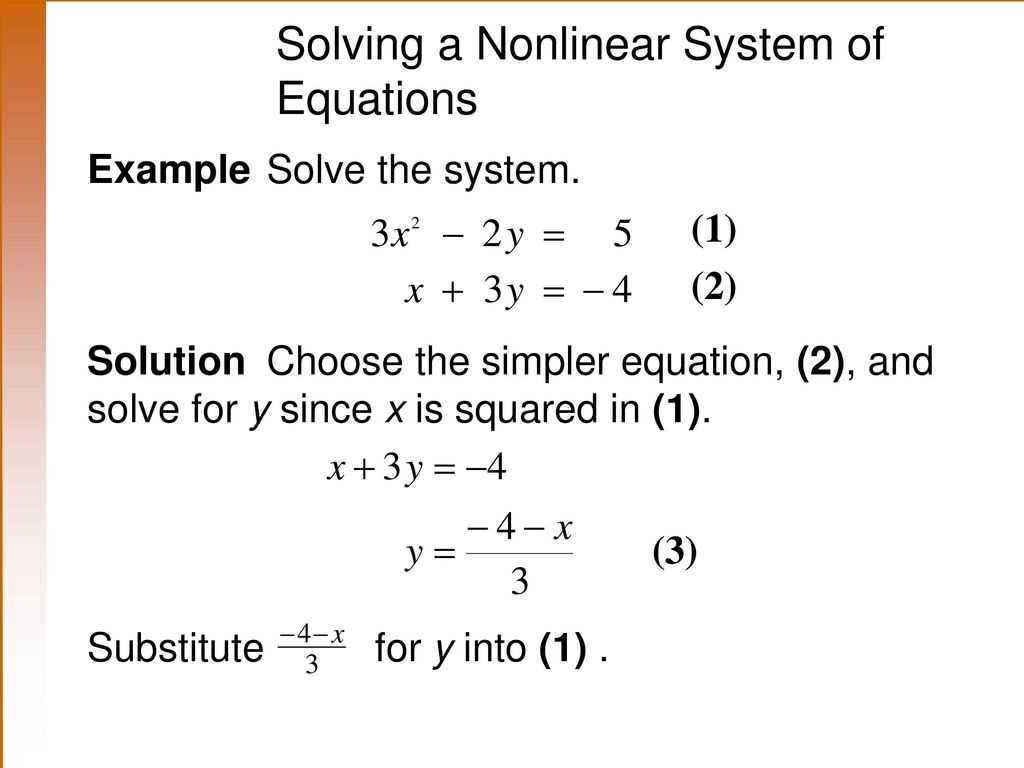
When faced with a system of equations, there are several methods that can be used to solve them algebraically. These methods involve manipulating the equations to eliminate variables or combining them to find a solution.
1. Substitution Method:
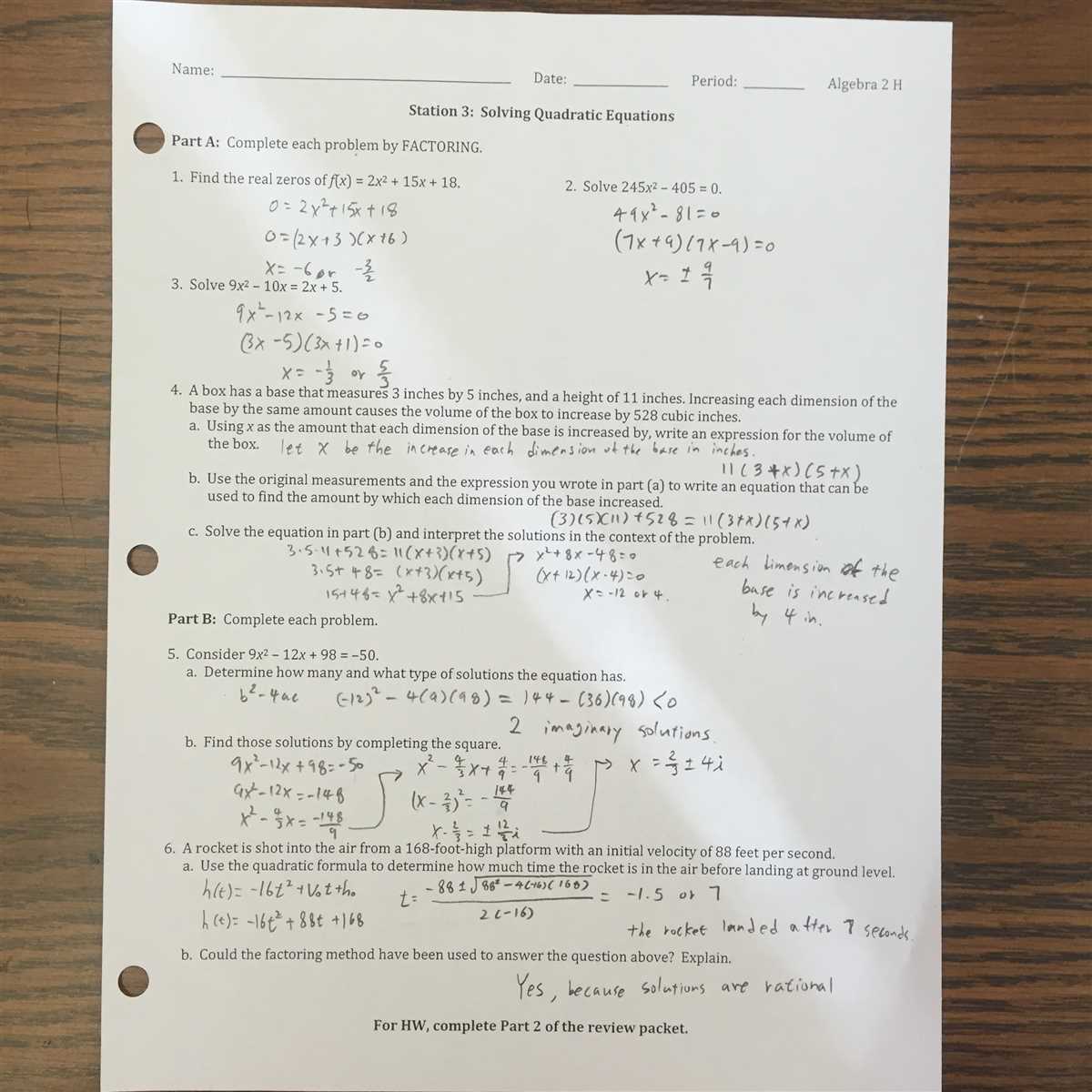
In the substitution method, one equation is solved for one variable and then substituted into the other equation. This allows us to eliminate one variable and solve for the other. The substitution method is useful when one equation has one variable isolated.
2. Elimination Method:
The elimination method involves adding or subtracting equations in order to eliminate one variable. By manipulating the equations, we can create a new equation with only one variable. This method is useful when both equations have the same variable with equal coefficients or multiples of each other.
3. Graphing Method:
In the graphing method, both equations are graphed on the same coordinate plane and the intersection point represents the solution. This method is useful when visualizing the equations and finding a graphical representation of the solution.
4. Cramer’s Rule:
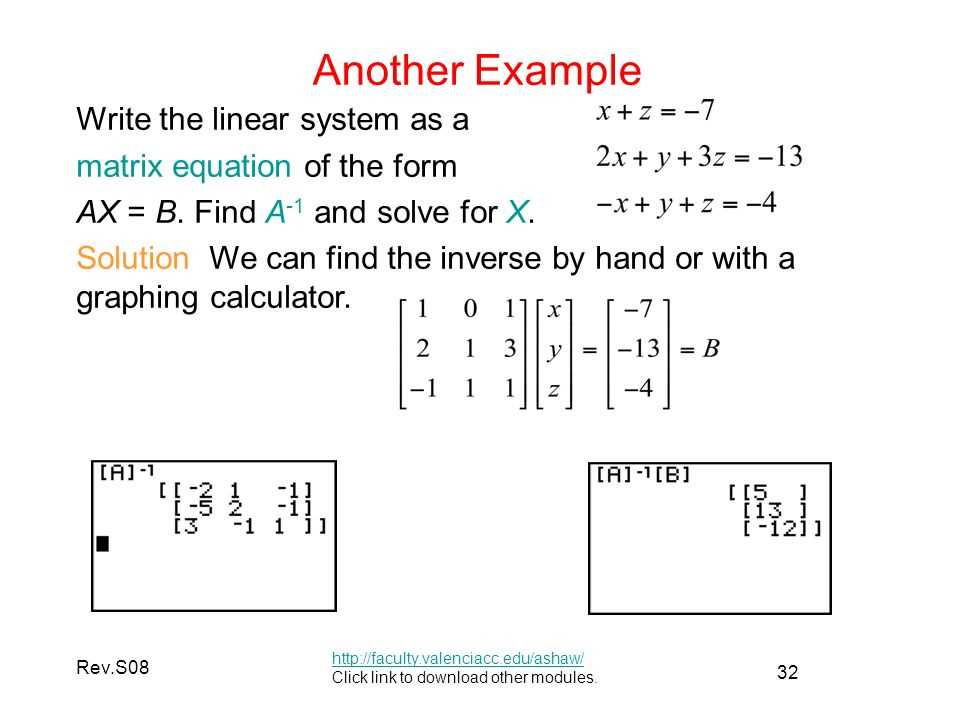
Cramer’s Rule uses determinants to solve a system of equations. Each variable is represented as a fraction of determinants and the solution is found by evaluating these determinants. This method is useful when working with larger systems of equations and matrices.
These methods provide different approaches to solving systems of equations algebraically. Depending on the given equations and variables, one method may be more efficient or suitable than the others. It is important to consider the properties and strengths of each method when approaching a system of equations problem.
Graphing Systems of Equations
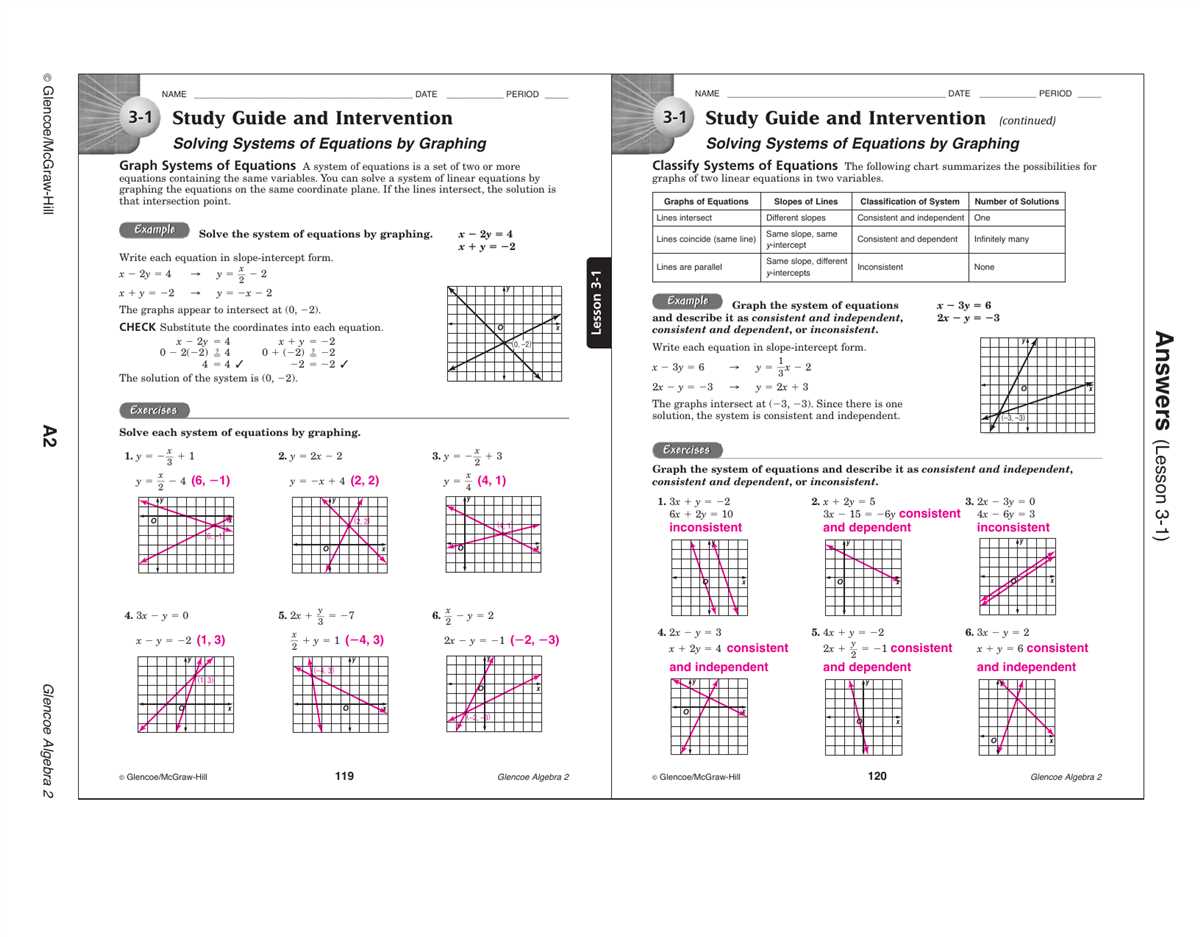
In algebra, a system of equations is a set of equations that are simultaneously true. Graphing systems of equations involves finding the points of intersection between the graphs of the equations. These points represent the solutions to the system.
To graph a system of two equations, start by plotting the individual graphs of each equation on the same coordinate plane. The points where the graphs intersect are the solutions to the system. If the graphs do not intersect, it means that there is no solution, and if the graphs are identical, it means that there are infinitely many solutions.
When graphing systems of linear equations, it is valuable to know the slope-intercept form of a linear equation, which is y = mx + b, where m represents the slope and b represents the y-intercept. By identifying the slopes and y-intercepts of the two equations in the system, it becomes easier to determine the points of intersection.
If the system of equations consists of a linear equation and a quadratic equation, the graphs can have different shapes. The point(s) of intersection can lie on the linear or quadratic portion of the curve.
In summary, graphing systems of equations involves plotting the graphs of the equations on the same coordinate plane and identifying the points of intersection. This graphical method gives a visual representation of the solutions to the system. It is a useful tool in solving systems of equations and can provide insights into the nature of the solutions.
Techniques for graphing systems of equations on a coordinate plane
Graphing systems of equations on a coordinate plane is a useful technique for visualizing the solution to a system of equations. There are several methods that can be used to graph these systems effectively.
1. Graphing by hand: This method involves manually plotting and connecting the points that satisfy each equation in the system. By creating a visual representation of the equations, the point of intersection can be identified as the solution to the system. It is important to label the axes, plot the points accurately, and draw the lines carefully to ensure an accurate graph.
2. Using a graphing calculator: Many graphing calculators have built-in features that allow for the graphing of systems of equations. By inputting the equations into the calculator, the corresponding graphs can be generated automatically. The point of intersection can then be determined by examining the graph. This method can save time and is especially useful when dealing with complex equations or large systems.
3. Solving for one variable: Sometimes, it is easier to solve for one variable in one equation and substitute that value into the other equation. This can simplify the system and make it easier to graph. By solving for one variable, the equation can be rewritten in terms of the other variable, resulting in a linear equation that can be easily graphed on a coordinate plane.
4. Substitution method: The substitution method involves solving one equation for one variable and substituting that value into the other equation. This creates a simpler equation that can be graphed on a coordinate plane. By solving for one variable, the other variable can be determined, leading to the point of intersection and the solution to the system.
In conclusion, graphing systems of equations on a coordinate plane can be done by hand, using a graphing calculator, or by employing various algebraic methods. These techniques allow for a visual representation and easy identification of the solution to the system.
Substitution Method
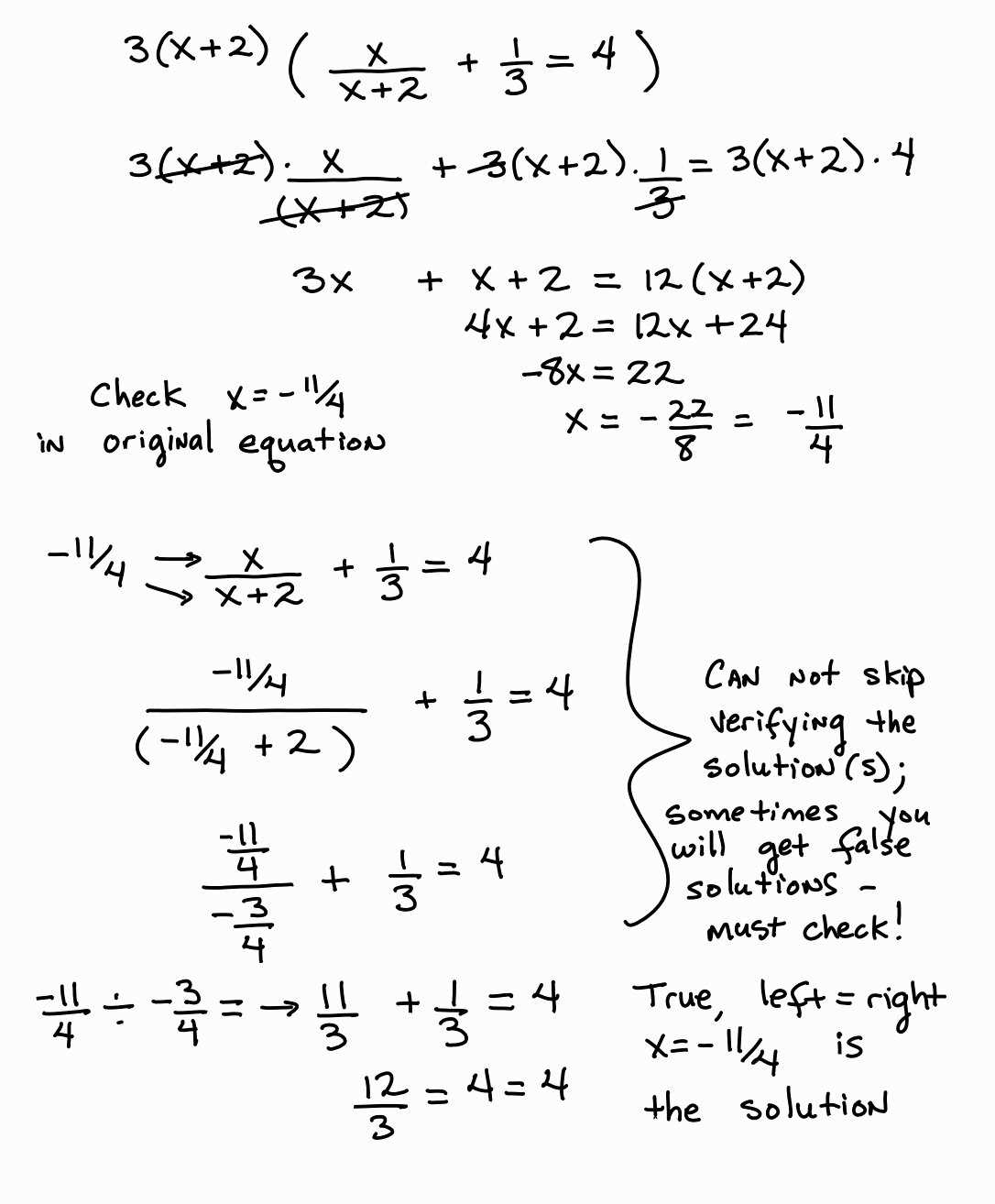
The substitution method is a technique used to solve systems of equations by substituting one equation into another to find the values of the variables. This method is particularly useful when one of the equations can be easily solved for one variable.
To use the substitution method, start by solving one equation for one variable. For example, if the first equation is given as “2x + 3y = 7,” you can solve for x by subtracting 3y from both sides of the equation to get “2x = 7 – 3y.” From here, you can solve for x in terms of y by dividing both sides of the equation by 2, giving you “x = (7 – 3y)/2.”
Once you have the expression for one variable in terms of the other, substitute this expression into the other equation. For example, if the second equation is given as “5x – 2y = 10,” substitute the expression for x into this equation. This gives you “5((7 – 3y)/2) – 2y = 10.” Simplify this equation by distributing and combining like terms, and then solve for y.
- 5(7 – 3y)/2 – 2y = 10
- (35 – 15y)/2 – 2y = 10
- 35 – 15y – 4y = 20
- 35 – 19y = 20
- -19y = 20 – 35
- -19y = -15
- y = -15/-19
- y = 15/19
Once you have the value of y, substitute it back into one of the original equations to solve for x. In this case, substituting y = 15/19 into the first equation “2x + 3y = 7” gives you “2x + 3(15/19) = 7.” Solve for x by simplifying and then divide by 2.
Using substitution to solve systems of equations
Substitution is a useful method for solving systems of equations, especially when one equation can be easily solved for one variable. It involves substituting an expression for one variable in terms of the other variable into the other equation, allowing us to solve for the remaining variable.
Let’s consider a simple example to illustrate this method. Suppose we have the following system of equations:
- Equation 1: 2x + 3y = 10
- Equation 2: x – 2y = 4
First, we need to solve one of the equations for one variable. Let’s solve Equation 2 for x:
x = 4 + 2y
Now we can substitute the expression for x into Equation 1:
2(4 + 2y) + 3y = 10
Simplifying this equation gives us:
8 + 4y + 3y = 10
Combining like terms, we get:
7y + 8 = 10
Subtracting 8 from both sides gives us:
7y = 2
Finally, dividing both sides by 7 gives us the solution for y:
y = 2/7
To find the value of x, we can substitute the value of y back into Equation 2:
x – 2(2/7) = 4
Simplifying this equation gives us:
x – 4/7 = 4
Adding 4/7 to both sides gives us:
x = 4 + 4/7
Combining the terms, we get:
x = 32/7
Therefore, the solution to the system of equations is x = 32/7 and y = 2/7.
This method of solving systems of equations using substitution can be applied to more complex systems as well. It is important to choose the equation to solve for a variable that will make the substitution process easier. By substituting the expression and simplifying, we can find the solution to the system of equations efficiently.
Elimination Method
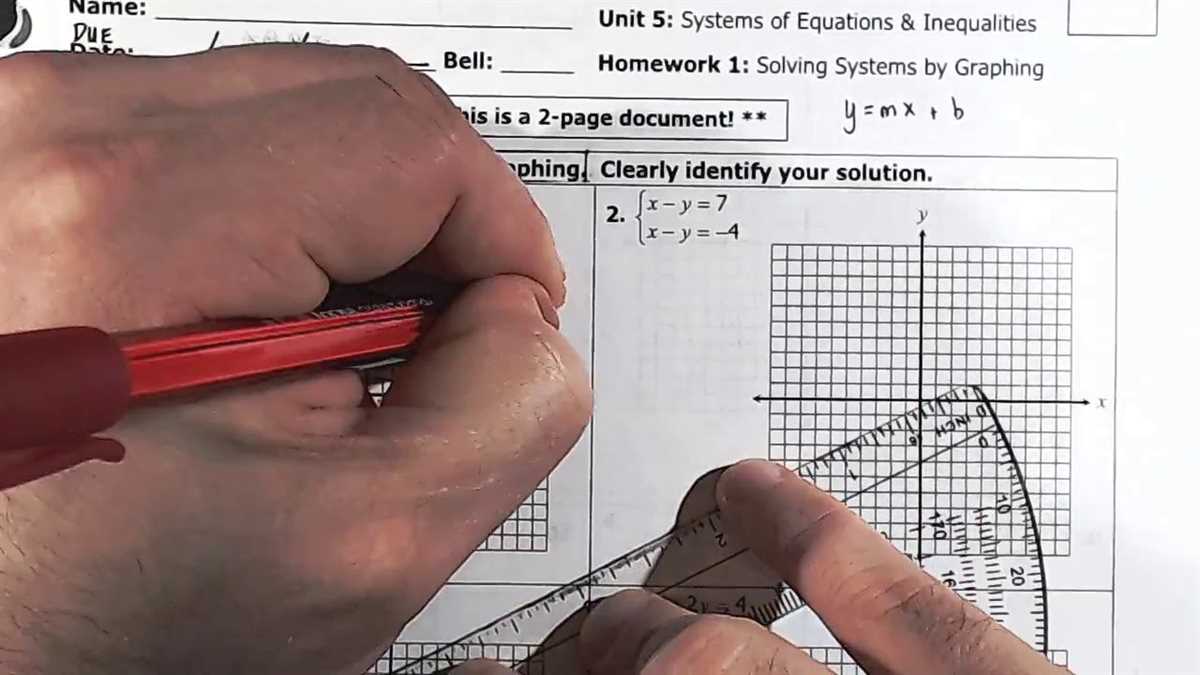
The elimination method is a strategy for solving systems of equations by combining or eliminating variables to find a solution. It involves adding or subtracting the equations in a system in order to eliminate one of the variables.
The steps for using the elimination method are as follows:
- Identify the variable to eliminate. Look for a variable that can be easily eliminated by adding or subtracting the equations.
- Multiply the equations by appropriate constants. This may be necessary to create coefficients that will cancel out when the equations are added or subtracted.
- Add or subtract the equations to eliminate the chosen variable. Combine like terms to simplify the equation.
- Solve the resulting equation for the remaining variable.
- Substitute the value found for the remaining variable back into one of the original equations to find the value of the eliminated variable.
- Check the solution by substituting the values into both original equations and verifying that they are true.
The elimination method is a powerful tool for solving systems of equations, as it allows for a straightforward process of eliminating variables and finding solutions. It is particularly useful when one of the variables can be easily eliminated by adding or subtracting the equations. By following the steps of the elimination method, you can efficiently find the solution to a system of equations.
Overall, the elimination method is a valuable technique for solving systems of equations. It provides a systematic approach for eliminating variables and finding solutions that can be easily verified. By understanding and utilizing the elimination method, you can confidently solve systems of equations and inequalities.