5 Essential Tips for Mastering U.S. History and Acing the AP Exam

The Advanced Placement (AP) US History Exam provides students with the opportunity to showcase their knowledge and understanding of the history of the United States. This exam is challenging and requires thorough preparation in order to succeed. Students who excel on the exam have the potential to earn college credit and demonstrate their readiness for higher education.
In order to effectively prepare for the AP US History Exam, students must develop a solid understanding of key historical events, themes, and concepts. This includes studying the political, social, economic, and cultural aspects of US history from early colonization to the present day. It is also important to be able to analyze primary and secondary sources, as well as critically evaluate different historical interpretations and perspectives.
Preparing for the AP US History Exam requires a proactive and disciplined approach. This may involve reviewing textbooks, taking detailed notes, creating study guides, participating in class discussions, and engaging in online resources and practice exams. It is also beneficial to seek out additional resources, such as review books, documentaries, and academic articles, to further enhance understanding and knowledge.
Ultimately, success on the AP US History Exam comes from a combination of comprehensive content knowledge and strong analytical skills. By dedicating time and effort to studying and preparing for the exam, students can feel confident and capable of tackling the challenging questions that will be presented to them. With the right preparation, students can excel on the exam and set themselves up for success in their future academic endeavors.
Overview of the Advanced Placement Exam in US History

The Advanced Placement Exam in US History is an important evaluation tool for students who are studying American history at an advanced level. Administered by the College Board, the exam assesses students’ knowledge and understanding of the history, politics, economy, and culture of the United States from pre-Columbian times to the present day. The exam consists of two sections: a multiple-choice section and a free-response section. It is important for students to have a solid understanding of the exam format and content in order to perform well.
The multiple-choice section of the exam assesses students’ ability to analyze primary and secondary sources, interpret historical data and visuals, and apply historical thinking skills. It consists of 55 questions, which students have 55 minutes to complete. The questions are organized into sets, with each set focusing on a particular historical period or theme. Students need to demonstrate their ability to understand and analyze historical events, ideas, and processes, as well as make connections between different periods and themes.
The free-response section of the exam consists of two parts: a document-based question (DBQ) and a long essay question (LEQ). In the DBQ, students are required to analyze and interpret a set of documents in order to develop an argument and support it with evidence. They have 60 minutes to complete the DBQ. In the LEQ, students are given a choice between two long essay prompts and have 40 minutes to write an essay that develops an argument and analyzes historical evidence. Both the DBQ and the LEQ require students to demonstrate their ability to think critically, develop historical arguments, and use evidence effectively.
Preparing for the Advanced Placement Exam in US History requires students to have a strong foundation in American history, as well as critical thinking and writing skills. It is important for students to study and review key historical events, concepts, and themes, as well as practice analyzing primary and secondary sources and writing historical essays. Additionally, it can be helpful for students to engage in discussions and debates about historical topics, as well as seek feedback from teachers and peers. With thorough preparation and practice, students can feel confident and prepared to succeed on the exam.
Key Concepts and Themes in US History
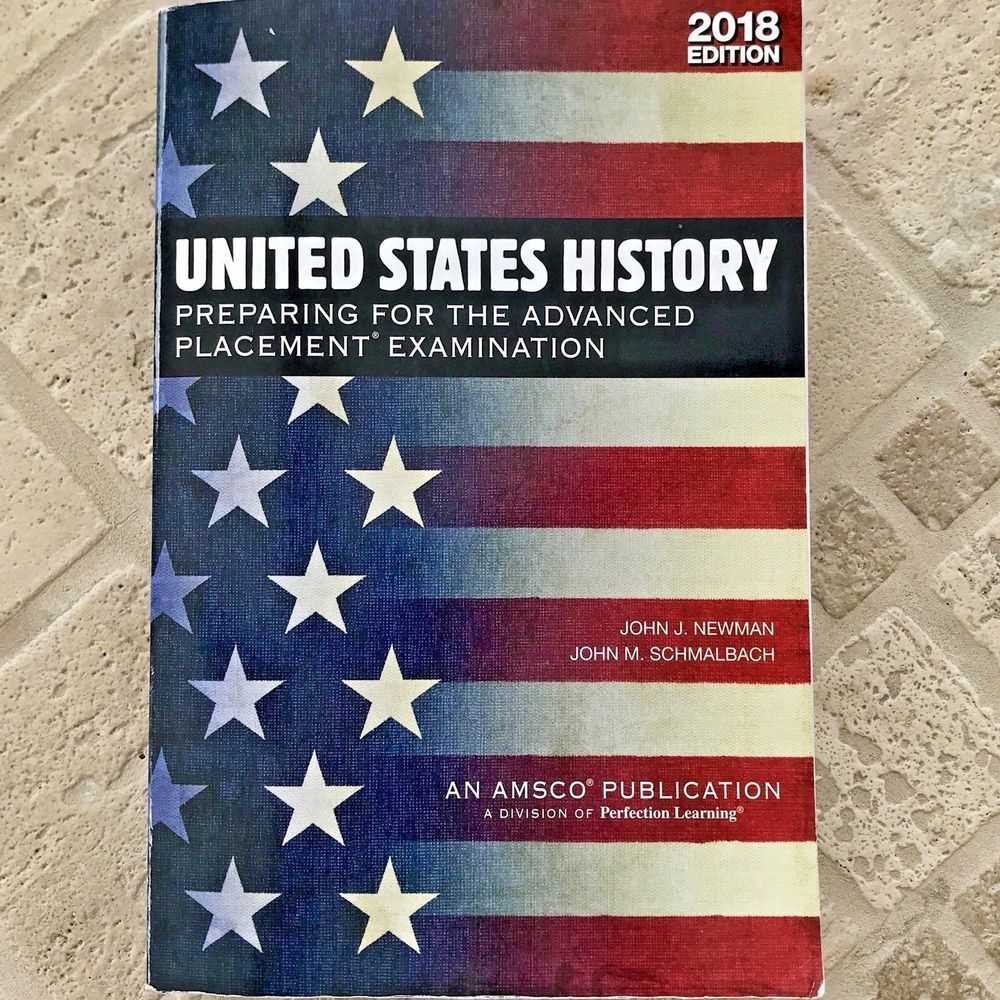
The study of US history is centered around several key concepts and themes that help to understand the country’s past and its development over time. These concepts and themes provide a framework for analyzing historical events, movements, and societal changes. They shed light on the political, social, economic, and cultural transformations that have shaped the United States.
One key concept in US history is the idea of American identity. Throughout the nation’s history, there has been an ongoing debate about what it means to be American. This concept encompasses questions of citizenship, national values, and the experiences of different groups within American society. Understanding the various dimensions of American identity is essential to comprehending the struggles and achievements of different communities throughout history, such as Native Americans, enslaved Africans, women, and immigrants.
A second key concept is the notion of power and struggle. US history is rife with conflicts and battles for power, whether it’s the struggle for independence from Britain, the fight over slavery, the civil rights movement, or debates over economic policies. Examining power dynamics and struggles is crucial to understanding how different groups have maintained or challenged existing power structures, and how these struggles have shaped the country’s history and identity.
Key Themes in US History
- Democracy and Citizenship: The United States has been hailed as the “land of the free” and a beacon of democracy. The theme of democracy and citizenship explores the evolution and expansion of democratic principles and the challenges faced in realizing equal rights for all citizens.
- Manifest Destiny and American Expansion: From the 19th century onward, the idea of Manifest Destiny drove American expansion westward, shaping the nation’s territorial growth and interactions with other countries.
- Economic Transformations: US history is marked by periods of economic growth, innovation, and inequality. The theme of economic transformations examines the impact of industrialization, capitalism, and labor movements on the nation’s prosperity and social divisions.
- War and Foreign Policy: The United States has often been involved in international conflicts and has shaped global events. Exploring war and foreign policy helps to understand the nation’s role in the world and its impact on both domestic and international affairs.
- Social Movements and Identity: From the civil rights movement to the women’s suffrage movement, social movements have played a crucial role in shaping American society. The theme of social movements and identity explores struggles for equality, justice, and recognition of diverse identities.
These key concepts and themes in US history provide a framework for understanding the complexities and nuances of the nation’s past. By exploring these concepts and themes, students of US history gain insight into the forces that have shaped the United States and contribute to ongoing discussions about its future.
Timeline of Significant Events in US History
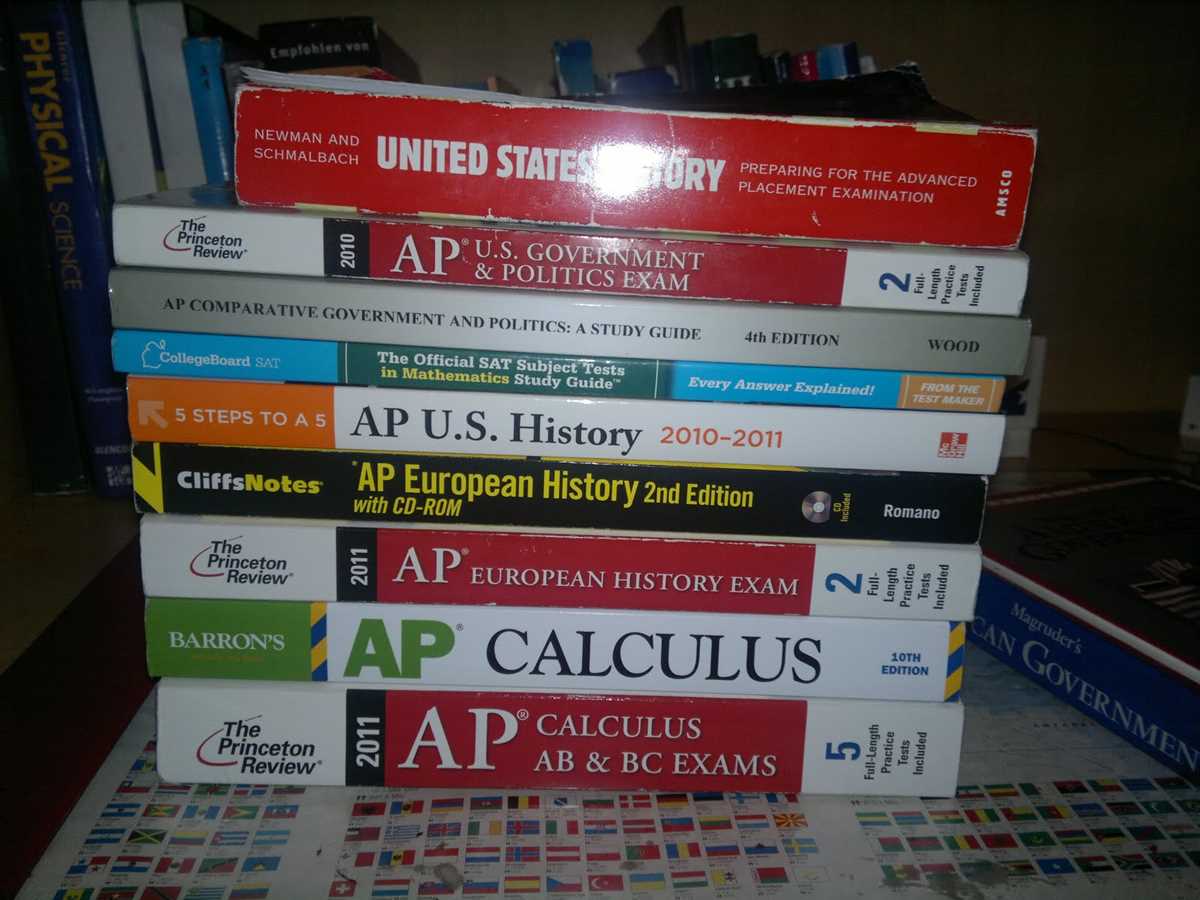
The history of the United States is filled with significant events that have shaped the country into what it is today. From the founding of the colonies to the present day, here are some key moments in US history:
1776: Declaration of Independence
In 1776, the thirteen American colonies officially declared their independence from Great Britain, establishing the United States of America. The Declaration of Independence, written primarily by Thomas Jefferson, outlined the reasons for the break and is considered one of the most important documents in American history.
1787: Ratification of the United States Constitution
In 1787, the United States Constitution was ratified, providing the framework for the American government that is still in place today. The Constitution established a federal system with a separation of powers, including a president, Congress, and the judiciary. It also outlined the rights and freedoms of citizens, including the Bill of Rights.
1861-1865: American Civil War
The American Civil War was fought from 1861 to 1865 between the northern states (Union) and the southern states (Confederacy). The war was primarily fought over the issue of slavery and resulted in the abolition of slavery in the United States. The war also had a significant impact on the power and authority of the federal government.
1920: Women’s Suffrage
In 1920, the 19th Amendment to the United States Constitution was ratified, granting women the right to vote. This marked a major milestone in the fight for gender equality and was a result of decades of activism by women’s suffrage movements.
1954: Brown v. Board of Education
In 1954, the Supreme Court case Brown v. Board of Education ruled that segregation in public schools was unconstitutional. This landmark decision overturned the “separate but equal” doctrine established in the 1896 case Plessy v. Ferguson and paved the way for desegregation and the civil rights movement.
2008: Election of Barack Obama
In 2008, Barack Obama was elected as the first African American president of the United States. His election was a historic moment in US history and symbolized progress in race relations in the country.
2020: COVID-19 Pandemic

In 2020, the world was hit by the COVID-19 pandemic, causing significant disruptions to daily life and the global economy. The United States was particularly impacted, with a high number of cases and deaths. The pandemic brought attention to healthcare systems, economic inequality, and the role of government in addressing crises.
These are just a few of the many significant events in US history. Each event has left its mark on the country and continues to influence its trajectory.
Preparing for the Multiple-Choice Section of the Exam
When preparing for the multiple-choice section of the AP US History exam, it is important to have a strategic approach. This section of the test consists of 55 questions that assess your knowledge of US history from different time periods. In order to perform well, you need to have a solid understanding of key events, people, and concepts throughout American history.
One effective way to prepare for the multiple-choice section is to review your class notes and textbook. Look for key information such as dates, names, and specific details about historical events. Take the time to create study guides or flashcards that can help you memorize and understand important concepts. Additionally, it can be helpful to participate in study groups or discussions with your peers to reinforce your understanding of the material.
Another important aspect of preparing for the multiple-choice section is practicing with sample questions. There are many resources available online that provide past AP US History exam questions. Take advantage of these resources and set aside dedicated study time to complete practice questions. This will not only help you become familiar with the format of the exam but also improve your ability to analyze and interpret historical information under time constraints.
- Review class notes and textbook
- Create study guides or flashcards
- Participate in study groups or discussions
- Practice with sample questions
By following these strategies and dedicating time to thorough preparation, you can increase your chances of success on the multiple-choice section of the AP US History exam. Remember to stay focused, manage your time effectively, and approach each question critically. Good luck!
Strategies for the Document-Based Question (DBQ) Section
The Document-Based Question (DBQ) section of the AP U.S. History exam can be challenging, but with the right strategies, you can effectively analyze and understand the provided documents to create a strong argument in your essay.
1. Analyze the documents carefully: Take the time to read each document multiple times, highlighting key information and making notes. Pay attention to the author’s perspective, purpose, and any bias that may be present. Look for connections and patterns between the documents.
2. Formulate a thesis: Before you start writing, develop a clear and concise thesis statement that addresses the prompt. Your thesis should directly respond to the question and provide an overarching argument that can be supported by the documents.
3. Use the documents as evidence: Incorporate specific details and evidence from the documents to support your thesis. Refer to the documents by their assigned letter or number and explain how they support your argument. Don’t simply summarize the documents; instead, analyze them and explain their significance.
4. Contextualize the documents: Situate the documents within their historical context by considering the time period, events, and broader historical trends. This will help you to provide a more nuanced analysis and demonstrate a deeper understanding of the subject matter.
5. Consider multiple perspectives: Take into account different viewpoints and interpretations presented in the documents. Acknowledge and address counterarguments or alternative perspectives in your essay to show the complexity of the issue.
6. Organize your essay effectively: Structure your essay in a logical and cohesive manner, including an introduction, body paragraphs, and a conclusion. Use topic sentences to guide your reader and provide a clear roadmap of your argument.
7. Practice timed writing: Familiarize yourself with the time constraints of the exam by practicing timed DBQ essays. This will help you to manage your time effectively and ensure that you can complete the section within the allotted timeframe.
By employing these strategies, you can approach the DBQ section with confidence and maximize your chances of earning a high score on the AP U.S. History exam.
Effective Study Techniques for the Free-Response Section
Preparing for the free-response section of the AP US History exam requires a strategic and focused approach. In order to perform well in this section, students must not only have a strong knowledge of US history, but also be able to effectively communicate their understanding in a written format. Here are some effective study techniques to help you excel in the free-response section:
1. Understand the Rubric
Before diving into studying, make sure you thoroughly understand the rubric for the free-response section. Familiarize yourself with the scoring criteria and the expectations for each level of response. This will help you structure your answers and ensure that you are addressing all necessary components.
2. Practice Writing Timed Essays
One of the best ways to prepare for the free-response section is to practice writing timed essays. Set a timer for the appropriate amount of time allowed for each essay question and challenge yourself to complete a full response within that timeframe. This will help you develop the ability to think quickly and organize your thoughts effectively under pressure.
3. Analyze Sample Responses
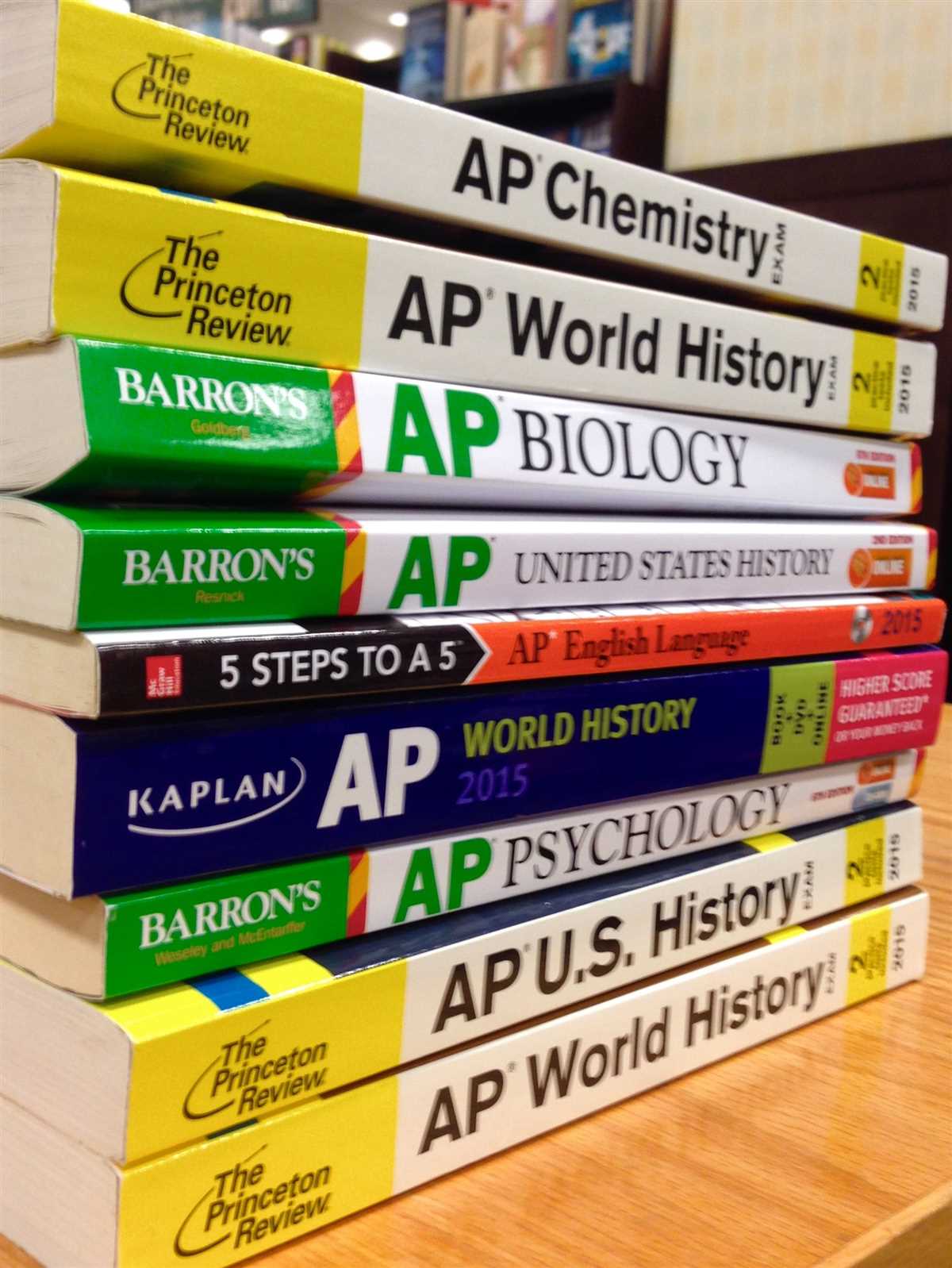
Take the time to analyze sample responses from previous AP exams. These examples can give you insight into what constitutes a strong response and how to structure your own answers. Pay attention to the way the responses address the prompt, provide evidence, and showcase historical understanding.
4. Develop a Study Schedule
Creating a study schedule can help you stay organized and ensure that you are covering all necessary material. Break down your studying into manageable chunks, focusing on different time periods, themes, or topics each day. Be sure to allocate enough time to practice writing essays and reviewing your responses.
5. Use Flashcards and Mnemonic Devices
Flashcards and mnemonic devices can be useful tools for memorizing important facts, dates, and events. Create flashcards for key terms, individuals, and historical events, and quiz yourself regularly. Mnemonic devices, such as acronyms or rhymes, can help you remember information more easily.
By employing these study techniques, you can feel confident and prepared for the free-response section of the AP US History exam. Remember to practice regularly, stay focused, and review your responses to identify areas for improvement. Good luck!