AANP Exam: What is the Passing Score?

Passing the AANP (American Association of Nurse Practitioners) exam is an important milestone for anyone aspiring to become a certified nurse practitioner in the United States. The AANP exam is a comprehensive assessment that tests the knowledge and skills of nurses who want to specialize in advanced practice nursing.
One common question that arises when preparing for the AANP exam is, “What score do I need to pass?” The passing score for the AANP exam is determined by the AANP Certification Board, and it varies from year to year. The passing score is typically set based on the difficulty level of the exam and the performance of the test takers.
While the exact passing score may change, it is typically set at around 500 on a scale of 200-800. The AANP exam consists of 150 multiple-choice questions, and each question is worth a certain number of points. Test takers are awarded points based on the correctness of their answers, and their scores are then converted to the 200-800 range.
What is a Passing Score on the AANP Exam
The AANP (American Association of Nurse Practitioners) exam is a rigorous assessment that evaluates the knowledge and skills of nurse practitioners in the United States. It is an important milestone for those seeking to become certified as a nurse practitioner. One of the most crucial aspects of the AANP exam is the passing score, which determines whether a candidate has achieved a satisfactory level of proficiency to practice as a certified nurse practitioner.
To determine the passing score on the AANP exam, there are several factors that come into play. The exam is scored using a scaled scoring system, which takes into account the difficulty level of the questions and the overall performance of the test-takers. The raw score, or the number of questions answered correctly, is then converted into a scaled score to ensure fairness and consistency across different test administrations. The passing score for the AANP exam is typically set at a predetermined percentile, which is adjusted periodically based on the performance of a reference group of test takers.
The passing score on the AANP exam serves as a benchmark to determine whether a candidate has the necessary knowledge and skills to provide safe and effective patient care as a certified nurse practitioner. Achieving a passing score indicates that the candidate has demonstrated competency in a range of areas, including patient assessment, diagnosis, treatment planning, and ethical and legal considerations. It is important to note that the passing score may vary slightly from one exam administration to another, as it is based on statistical analysis and the performance of the reference group.
In conclusion, the passing score on the AANP exam is a critical threshold that nurse practitioners must achieve in order to become certified. It is determined using a scaled scoring system and is adjusted periodically based on the performance of a reference group. Achieving a passing score demonstrates competency in various aspects of patient care and ensures that certified nurse practitioners are equipped with the necessary knowledge and skills to provide safe and effective healthcare services.
Understanding the AANP Exam
The American Association of Nurse Practitioners (AANP) Exam is a comprehensive examination that assesses the knowledge and skills of nurse practitioners in the United States. It is an important step for nurse practitioners looking to become certified and practice independently.
The passing score on the AANP Exam is determined by the AANP Board of Directors. The passing score is not a fixed number, but rather a scaled score that takes into account the difficulty of the exam questions. To pass the exam, test takers must score above this predetermined passing score.
The AANP Exam covers various areas of knowledge, including assessment, diagnosis, treatment, and evaluation of patients across the lifespan. It also tests knowledge of pharmacology, health promotion, and disease prevention. Test takers are expected to have a deep understanding of these concepts and be able to apply them in clinical practice.
To prepare for the AANP Exam, many nurse practitioners enroll in review courses, study materials, and practice exams. These resources help test takers familiarize themselves with the exam format and content, and identify areas where they may need additional study.
Overall, the AANP Exam is a rigorous assessment that challenges nurse practitioners to demonstrate their knowledge and expertise in the field. By achieving a passing score on the exam, nurse practitioners can obtain their certification and continue their journey towards becoming competent and trusted healthcare providers.
The Importance of a Passing Score
In any examination or professional certification, achieving a passing score is of utmost importance. This is especially true for the American Association of Nurse Practitioners (AANP) exam. A passing score on this exam is not just a requirement to become a licensed and certified nurse practitioner, but it is also a benchmark that demonstrates competency in the field.
One of the primary reasons why a passing score is important is that it ensures patient safety. Nurse practitioners play a crucial role in providing primary healthcare, and their knowledge and skills directly impact the well-being of their patients. By setting a passing score on the AANP exam, it ensures that only those who have demonstrated the necessary proficiency in their field are allowed to practice as nurse practitioners. This helps protect the public from potential harm and ensures that patients receive high-quality care.
Moreover, a passing score on the AANP exam is also valuable for the individual nurse practitioner. It signifies their competence and validates their expertise in their chosen profession. It provides a sense of accomplishment and confidence, knowing that they have met the standards set by their profession. Additionally, a passing score may also open doors to professional opportunities, such as job offers, promotions, and career advancement.
Overall, the attainment of a passing score on the AANP exam is essential for both patient safety and the professional growth and development of nurse practitioners. It serves as a standard of excellence in the field of nursing, ensuring that only those who have demonstrated the necessary knowledge and skills can practice as nurse practitioners, and it brings recognition and confidence to those who have successfully achieved this milestone.
What is Considered a Passing Score on the AANP Exam?
Passing the AANP exam is a crucial step for nurse practitioners to become certified and practice their profession. The AANP (American Association of Nurse Practitioners) exam is designed to assess the knowledge and skills necessary for safe and effective practice as a nurse practitioner. A passing score on this exam is essential for nurse practitioners to demonstrate their competence and ability to provide quality care to patients.
In order to determine what constitutes a passing score on the AANP exam, it is important to understand how the exam is structured and graded. The exam consists of multiple-choice questions that cover a wide range of topics related to the nurse practitioner’s scope of practice. These questions are designed to assess the nurse practitioner’s knowledge and understanding of clinical concepts, patient assessment, and management, as well as professional issues and ethics.
A passing score on the AANP exam is typically determined by the AANP’s certification board. The board reviews the exam results and establishes a passing standard based on statistical analysis and expert judgment. This standard is set to ensure that nurse practitioners meet a minimum level of competency and are able to provide safe and effective care to their patients.
It is important for nurse practitioners to prepare thoroughly for the AANP exam in order to increase their chances of achieving a passing score. This may involve reviewing course materials, studying textbooks, and taking practice tests. Additionally, seeking guidance from experienced nurse practitioners and participating in study groups can also be beneficial for exam preparation.
In conclusion, a passing score on the AANP exam is essential for nurse practitioners to obtain certification and practice their profession. The specific passing score is determined by the AANP’s certification board and reflects the minimum level of competency required for safe and effective practice. Nurse practitioners should invest adequate time and effort in preparing for the exam in order to increase their chances of success.
Factors Affecting the Passing Score
Several factors contribute to determining the passing score on the AANP (American Association of Nurse Practitioners) exam. These factors are carefully considered to ensure that only qualified individuals are granted certification as nurse practitioners.
Content Validity: The AANP exam is designed to evaluate a nurse practitioner’s knowledge and skills across various content areas, including assessment, diagnosis, and patient management. The passing score is set based on the content validity of the exam, which means that it accurately measures the knowledge and abilities necessary to practice as a nurse practitioner.
Exam Difficulty: The difficulty level of the AANP exam also influences the passing score. The exam is designed to be challenging, and the passing score is set based on the performance of a representative group of test takers. The passing score ensures that individuals who achieve it have demonstrated a sufficient level of competence and ability to provide safe and effective care to patients.
Standard Setting Methods: The passing score is determined using established standard setting methods, which involve a panel of experts who carefully review the exam content and performance data. These experts use their professional judgment to define the minimum level of knowledge and skill required to pass the exam. The passing score is set at a level that ensures individuals who meet or exceed this standard are granted certification.
Test Form Variability: Different versions of the AANP exam may have slight variations in difficulty level, depending on the specific questions and content covered. To account for these differences, a process called equating is used to ensure that the passing score is fair and consistent across different test forms. Equating helps to account for any variations in difficulty and ensures that the passing score remains valid and reliable.
Passing score: The passing score for the AANP exam is not based on a percentage or a specific number of correct answers. Instead, it is determined through a complex statistical analysis that takes into account all the factors mentioned above. The passing score is adjusted periodically to reflect changes in the profession and to maintain the high standards of nurse practitioner practice.
Conclusion: The passing score on the AANP exam is determined through a rigorous process that considers content validity, exam difficulty, standard setting methods, test form variability, and statistical analysis. It is designed to ensure that only qualified individuals who possess the necessary knowledge and skills are certified as nurse practitioners.
Preparing for the AANP Exam
Preparing for the AANP (American Association of Nurse Practitioners) exam can be a challenging task, but with the right approach and resources, you can increase your chances of success. This exam is designed to test your knowledge and skills as a nurse practitioner and is a requirement for certification by the AANP. To achieve a passing score on the exam, it is essential to develop a comprehensive study plan and utilize effective study strategies.
One of the first steps in preparing for the AANP exam is to familiarize yourself with the exam content and format. The exam covers various areas, including assessment, diagnosis, planning, and evaluation of patient care. It is important to review the exam content outline provided by the AANP to identify the specific topics and areas that you need to focus on during your study. Additionally, understanding the format of the exam, including the number and type of questions, can help you approach the exam with confidence.
Creating a study schedule is another crucial aspect of preparing for the AANP exam. Allocating dedicated study time each day or week can help you stay organized and accountable. Consider breaking down your study sessions into smaller, manageable chunks to maximize retention and avoid burnout. Using study materials such as textbooks, practice questions, and online resources can also enhance your preparation.
- Reviewing key concepts: Focus on reviewing essential concepts and theories relevant to the exam.
- Practicing with sample questions: Utilize practice questions to familiarize yourself with the exam format and assess your knowledge.
- Joining study groups: Collaborating with peers can provide additional insights and support during your preparation.
- Taking mock exams: Simulate exam conditions by taking mock exams to gauge your readiness and identify areas that need further improvement.
Lastly, managing your test-taking anxiety is crucial for optimal performance on the AANP exam. Engage in relaxation techniques, such as deep breathing or visualization, before and during the exam to calm your nerves. Remember to get plenty of rest, eat a balanced diet, and exercise regularly to support your overall well-being and cognitive function.
By following a structured study plan, utilizing effective study strategies, and managing test-taking anxiety, you can improve your chances of achieving a passing score on the AANP exam and becoming a certified nurse practitioner.
Tips for Achieving a Passing Score

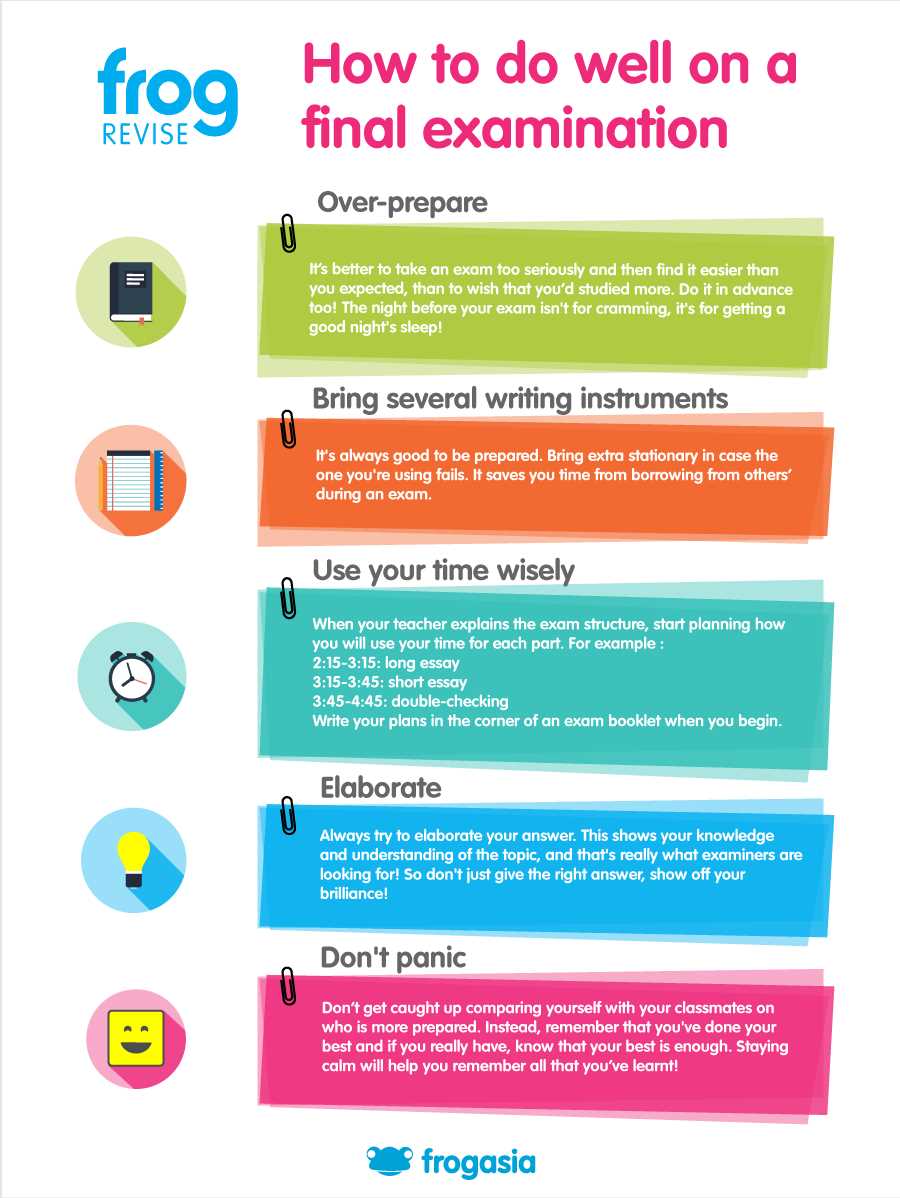
In order to pass the AANP exam and achieve your certification as a nurse practitioner, it is important to adequately prepare and study. Below are some tips to help ensure you achieve a passing score on the exam:
- Create a study plan: Develop a study schedule that outlines the topics you need to cover and allocate enough time for each subject. This will help keep you organized and ensure you cover all the necessary material.
- Utilize study resources: Take advantage of review books, practice exams, online courses, and other study materials specifically designed for the AANP exam. These resources can help you familiarize yourself with the exam format and content, as well as identify weak areas that need additional attention.
- Focus on high-yield topics: Prioritize studying topics that are heavily weighted on the exam. Understanding and mastering these areas will increase your chances of answering related questions correctly.
- Practice answering questions: Practice answering questions in a timed setting to simulate the exam experience. This will help improve your test-taking skills and increase your comfort level with the exam format.
- Review and revise: Continuously review and revise your study materials to reinforce your knowledge and identify any gaps in understanding. This will help you retain information and increase your overall comprehension.
- Manage your stress: Keep stress levels under control by practicing relaxation techniques, such as deep breathing and meditation. Managing stress will help you stay focused and calm during the exam.
- Get plenty of rest: Prioritize getting enough sleep during your exam preparation. A well-rested mind will be more alert and capable of retaining information effectively.
By following these tips and dedicating sufficient time and effort to your exam preparation, you can increase your chances of achieving a passing score on the AANP exam. Good luck!