How to Answer “What is My Greatest Strength” in an Interview

When preparing for a job interview, one question that often comes up is, “What is your greatest strength?” This question can be intimidating because it requires you to reflect on yourself and identify the skills or qualities that set you apart from other candidates. However, with some preparation and self-reflection, you can answer this question confidently and effectively.
One approach to answering this question is to think about your past experiences and accomplishments. Consider the tasks or projects that you have excelled in and the skills that you used to achieve success. For example, you may have a strong attention to detail, excellent problem-solving abilities, or exceptional leadership skills. By highlighting these strengths, you can demonstrate to the interviewer that you have valuable skills that are relevant to the position.
Another way to approach this question is to think about your personal qualities that contribute to your success. Perhaps you are a highly motivated individual who is always eager to take on new challenges. Maybe you are a natural communicator who is able to build rapport with colleagues and clients. By discussing these personal qualities, you can show the interviewer that you have the right mindset and attitude to excel in the role.
In conclusion, when answering the question “What is your greatest strength?” in a job interview, it is important to reflect on your past experiences and personal qualities that contribute to your success. By highlighting relevant skills or unique personal qualities, you can present yourself as a strong and valuable candidate. Remember to be confident and specific in your answer, and provide examples or anecdotes to illustrate your strengths. With practice and preparation, you can impress the interviewer and increase your chances of landing the job.
Greatest Strength Interview Answer Examples
During a job interview, one common question that is often asked is “What is your greatest strength?” This question provides an opportunity for candidates to showcase their skills and qualities that make them a valuable asset to the company. It is important to answer this question confidently and provide specific examples to support your answer.
One possible answer to this question could be: “My greatest strength is my ability to solve problems efficiently. In my previous role as a project manager, I was faced with numerous challenges that required creative thinking and quick decision-making. I was able to analyze the situation, identify the root cause, and develop effective solutions that saved the company time and resources. For example, when faced with a tight deadline for a new product launch, I organized a cross-functional team and implemented a streamlined process that allowed us to deliver the product on time without compromising quality.”
- Another example answer could be: “My greatest strength is my strong attention to detail. In my previous role as a quality assurance analyst, I was responsible for testing software applications for bugs and errors. I would meticulously review each line of code and thoroughly test every functional component to ensure that the software was of the highest quality. As a result, I was able to identify and fix issues before they impacted the end users. For instance, I discovered a critical bug in an application just before its release, and my attention to detail allowed me to resolve the issue and prevent any customer dissatisfaction.”
- Similarly, a candidate could answer: “My greatest strength is my excellent communication skills. I have a natural ability to articulate my thoughts and ideas clearly and effectively. In my previous role as a sales representative, I was able to build strong relationships with clients by actively listening to their needs and conveying how our products and services could fulfill those needs. As a result, I consistently exceeded my sales targets and received positive feedback from both clients and colleagues. For example, I was able to secure a major contract with a key client by effectively pitching our solution and addressing their concerns.”
Overall, it is crucial to carefully consider your strengths and provide specific examples during a job interview. By doing so, you can demonstrate your abilities and qualifications, making it more likely for the interviewer to see you as a strong candidate for the position.
How to Identify Your Greatest Strength

Knowing your greatest strength is crucial when facing a job interview or a self-assessment. While it may seem challenging to pinpoint your standout quality, taking the time to reflect and analyze your skills, experiences, and achievements can help you uncover it. Here are a few tips to help you identify your greatest strength:
- Reflect on past successes: Think about tasks or projects where you excelled and received positive feedback. Consider the skills and qualities that contributed to your success in those situations.
- Assess your natural talents: Take note of the activities that come effortlessly to you. These innate abilities can often be a great indicator of your greatest strength.
- Consider feedback from others: Pay attention to the compliments or praise you receive from colleagues, friends, or mentors. Often, others can see strengths in us that we might not recognize ourselves.
- Review your personal values: Identify the values that are most important to you and think about how they align with your skills and strengths. Your greatest strength is likely to be something that aligns with your core values.
- Use self-assessment tools: Utilize online assessments, such as personality tests and skill inventories, to gain insights into your strengths. These tools can provide a comprehensive analysis of your capabilities.
Remember, identifying your greatest strength is a process that requires self-reflection and self-awareness. Take the time to analyze your skills, seek feedback from others, and reflect on your past successes. By understanding your greatest strength, you can confidently articulate it during a job interview and showcase how it can benefit the organization.
Why It is Important to Highlight Your Greatest Strength

During a job interview, one of the most common questions you may be asked is “What is your greatest strength?” This question provides you with the perfect opportunity to highlight your skills, experience, and abilities that make you stand out as a candidate. It is important to effectively answer this question and articulate your greatest strength because it allows the interviewer to understand what you bring to the table and how you can contribute to the company.
By highlighting your greatest strength, you are showcasing your unique value proposition and demonstrating why you are the best fit for the role. It gives the interviewer insight into what sets you apart from other candidates and gives them confidence that you have the skills necessary to excel in the position.
When answering this question, it is essential to choose a strength that is relevant to the job you are applying for. By tailoring your response to the specific role, you can show the interviewer that you have taken the time to understand the requirements of the job and can add immediate value to the company. Additionally, by focusing on a relevant strength, you can demonstrate how you have used this skill in the past to achieve positive results, further enhancing your credibility.
Overall, highlighting your greatest strength in a job interview is important because it allows you to differentiate yourself from other candidates and show the interviewer how you can contribute to the company’s success. It is an opportunity to showcase your skills and experience and demonstrate why you are the best fit for the role. By choosing a relevant strength and providing concrete examples, you can make a compelling case for why you should be selected for the position.
Structuring Your Greatest Strength Interview Answer
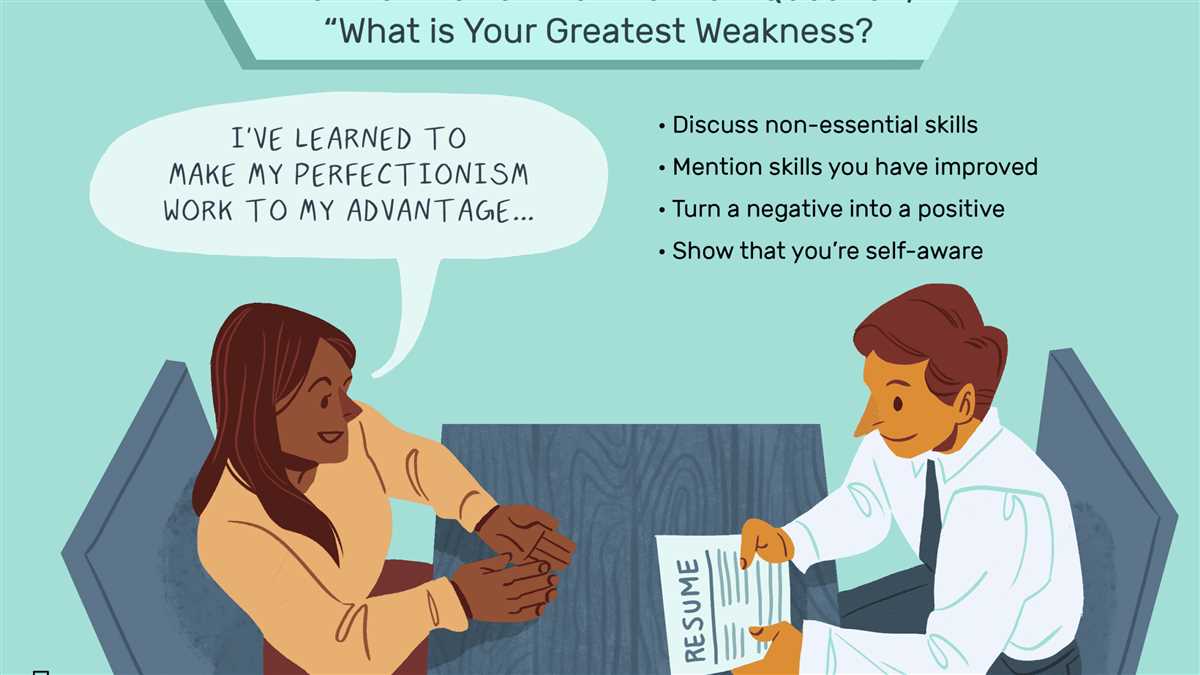
When preparing for a job interview, one of the questions you can expect is “What is your greatest strength?” This is an opportunity to showcase your unique qualities and skills that make you a valuable candidate for the position. By structuring your answer effectively, you can make a lasting impression on the interviewer.
1. Start with a brief introduction: Begin your answer by briefly introducing yourself and stating the position you are applying for. This sets the stage for your greatest strength to be aligned with the requirements of the job.
2. Identify your greatest strength: Clearly state your greatest strength and provide a brief explanation of why you consider it to be your strongest attribute. Use specific examples or anecdotes to illustrate how this strength has been beneficial in your previous work experiences.
3. Connect your strength to the job: Next, explain how your greatest strength is relevant to the role you are applying for. Highlight how it aligns with the responsibilities and requirements of the position, and how it can contribute to the success of the team or organization.
4. Provide evidence: Support your claim of having this strength with concrete evidence. Include measurable results or achievements that demonstrate how your strength has positively impacted your work performance or the outcomes of projects you have been involved in.
5. Conclude with impact: Wrap up your answer by emphasizing the positive impact your greatest strength can have on the job and the organization as a whole. Express your enthusiasm for utilizing this strength in the role and highlight how it sets you apart from other candidates.
By following this structure, you can effectively communicate your greatest strength and make a memorable impression on the interviewer. Remember to be confident, concise, and authentic in your response. Good luck!
Tips for Delivering a Strong Greatest Strength Interview Answer
When faced with the question, “What is your greatest strength?” during a job interview, it’s important to be prepared and deliver a strong answer that reflects positively on your skills and abilities. Here are some tips to help you craft and deliver an impressive response:
1. Identify and prioritize your strengths: Before your interview, take the time to reflect on your strengths and make a list of the ones that are relevant to the job you’re applying for. Prioritize those strengths that align with the job requirements.
2. Provide specific examples: It’s not enough to simply list your strengths; you need to back them up with relevant examples. Prepare a few specific examples from your past experiences that demonstrate how you have used your strength to achieve success or solve a problem.
3. Be concise and articulate: When delivering your answer, be clear, concise, and articulate. Avoid rambling or going off on tangents. Use strong and confident language to convey your message effectively.
4. Tailor your answer to the job: Every job and company is unique, so tailor your answer to align with the specific job you’re applying for. Highlight strengths that are directly applicable to the role and demonstrate how they can contribute to the company’s success.
5. Avoid clichés: Instead of using generic clichés like “I’m a hard worker” or “I’m a team player,” try to be more specific and provide concrete examples. This will make your answer more memorable and impactful.
6. Practice your answer: It’s important to practice your response to ensure that you deliver it confidently and smoothly during the interview. Rehearse your answer with a friend or in front of a mirror to iron out any kinks and improve your delivery.
By following these tips and putting thought into your response, you can deliver a strong greatest strength interview answer that showcases your abilities and increases your chances of landing the job.
Mistakes to Avoid in Your Greatest Strength Interview Answer
When it comes to answering the question, “What is your greatest strength?” in a job interview, it’s important to avoid making some common mistakes. This question is an opportunity for you to highlight your skills and qualities that make you a strong candidate for the position. However, if not properly prepared, it’s easy to fall into some pitfalls that could harm your chances of landing the job.
1. Being too vague or generic
One of the biggest mistakes you can make is giving a generic or vague answer to this question. Avoid using cliché phrases such as “I work well in a team” or “I have good communication skills.” Instead, provide specific examples of how your strengths have made a tangible impact in your previous roles or projects. This will demonstrate your ability to apply your strengths in a practical and meaningful way.
2. Focusing on irrelevant strengths

While it’s important to highlight your strengths, it’s equally important to ensure that they are relevant to the position you are interviewing for. Tailor your answer to align with the requirements of the job and the company’s values. Avoid mentioning strengths that are unrelated or less important to the role you’re applying for. By doing so, you show that you’ve done your research and understand what the employer is looking for.
3. Bragging or being overly confident
Confidence is crucial in a job interview, but there’s a fine line between showcasing your strengths and coming across as arrogant. While it’s important to speak positively about yourself, avoid bragging or boasting. Instead, focus on humility and use your strengths to demonstrate how you can contribute to the company’s success.
4. Neglecting personal growth and improvement
No one is perfect, and it’s essential to acknowledge areas for improvement. Avoid presenting your greatest strength as something that you’ve already mastered and have no room to grow in. Instead, emphasize how you continuously strive to develop and enhance your strengths through ongoing learning, feedback, and self-improvement. This shows your commitment to personal and professional growth.
5. Lack of preparation and practice

Lastly, one of the biggest mistakes to avoid is not adequately preparing and practicing your answer to this question. Take the time to identify and reflect on your strengths, and think about specific examples or achievements that demonstrate those strengths. Practice answering the question out loud or with a friend, so you feel confident and concise when it comes time to answer it in an interview.
Avoiding these common mistakes and presenting a well-prepared and thoughtful answer to the question, “What is your greatest strength?” will help you stand out to employers and increase your chances of landing the job.