The Best Way to Answer ‘What Is Your Greatest Strength?’ in a Job Interview

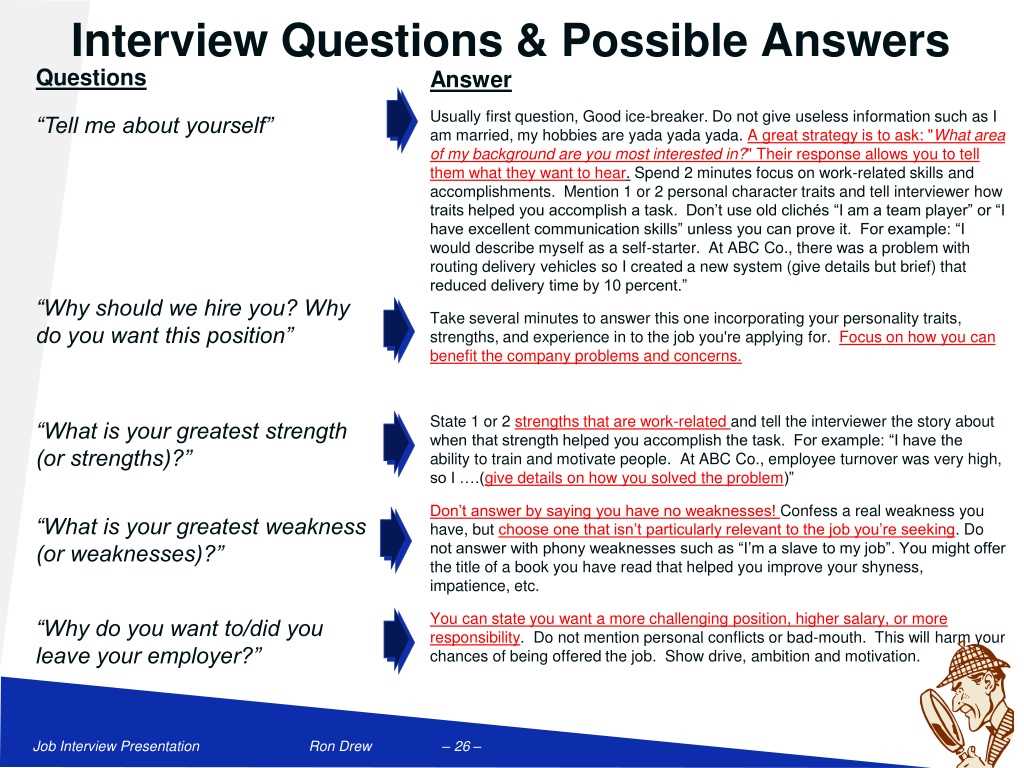
During a job interview, one of the most commonly asked questions is “What is your greatest strength?” This question is designed to give the potential employer insight into your qualifications and what you can bring to the job. Your answer to this question can make or break your chances of getting the job, so it’s important to prepare a thoughtful and well-structured response.
When considering how to answer this question, it’s crucial to showcase your strengths in a way that aligns with the requirements of the job and the company’s values. It’s important to be honest about your strengths and provide examples that demonstrate how you have used them to achieve success in the past.
One way to approach this question is to discuss a skill or attribute that sets you apart from other candidates. For example, if you’re applying for a sales position, you might highlight your ability to build relationships and close deals. Alternatively, if you’re interviewing for a leadership role, you might discuss your strong organizational skills and ability to motivate a team.
Overall, the key to answering the question, “What is your greatest strength?”, is to choose a strength that is relevant to the job and provide specific examples that illustrate how you have used that strength in previous roles. By showcasing your strengths effectively, you can leave a lasting impression on the interviewer and increase your chances of landing the job.
Importance of Knowing Your Greatest Strength for Job Interviews
Knowing your greatest strength is crucial when preparing for job interviews. It allows you to present yourself in the best possible light and demonstrate your value to potential employers. By identifying and understanding your strengths, you can effectively communicate how you can contribute to the company and make a difference in the role you are applying for.
One of the main reasons why knowing your greatest strength is important is that it sets you apart from other candidates. Employers are often looking for individuals who can bring unique skills and qualities to the table. By being aware of your strengths, you can showcase what makes you stand out and explain how your abilities can benefit the organization. This helps you leave a lasting impression and increases your chances of getting hired.
Furthermore, knowing your greatest strength allows you to align your strengths with the job requirements and responsibilities. During a job interview, employers are seeking candidates who have the right set of skills and qualities to excel in the role. By identifying your strengths, you can tailor your answers to highlight how your specific abilities align with what the company is looking for. This not only demonstrates your suitability for the position but also shows that you have done your homework and are genuinely interested in the role.
Finally, knowing your greatest strength boosts your confidence during job interviews. Confidence plays a significant role in making a positive impression on potential employers. When you are aware of your strengths and can articulate them effectively, you come across as self-assured and capable. This can help you maintain a positive and assertive demeanor throughout the interview process, which can greatly increase your chances of success.
- In conclusion, understanding your greatest strength is vital for job interviews as it allows you to differentiate yourself from other candidates, align your strengths with the job requirements, and boost your confidence. Take the time to reflect on your strengths and consider how they can be applied to the position you are applying for. By doing so, you will be well-prepared to impress potential employers and land your desired job.
How to identify your greatest strength

Identifying your greatest strengths is a crucial step in determining how to present yourself in a job interview. Understanding what you excel at allows you to confidently articulate your abilities and demonstrate how you can contribute to a potential employer’s success. Here are some tips to help you identify your greatest strength:
- Reflect on past experiences: Think about the tasks or projects that you have successfully completed in the past. What specific skills or qualities did you utilize to achieve positive outcomes? These can indicate areas where you have a natural talent or are particularly skilled.
- Receive feedback: Seek feedback from supervisors, colleagues, and mentors to gain insight into areas where they believe you excel. Their perspectives can provide valuable input and help you identify strengths you may not have been aware of.
- Assess personal preferences: Reflect on the activities or tasks that you find enjoyable and energizing. What aspects of these activities do you excel at? Identifying the areas where you thrive can provide clues to your greatest strengths.
- Consider achievements: Review past accomplishments, both personal and professional. What skills or characteristics enabled you to accomplish these feats? Analyzing your achievements can highlight your strengths.
- Take assessments: Utilize assessment tools, such as personality tests or skill assessments, to gain objective insights into your strengths. These tests can provide a different perspective and help you identify areas where you have natural abilities.
Once you have identified your greatest strength, it is important to practice articulating it in a clear and concise manner. Tailoring your response to align with the needs of the specific job you are applying for can also enhance your chances of success. Remember, being aware of your greatest strength and effectively conveying it during an interview can make a lasting impression on potential employers.
Self-reflection and introspection

Self-reflection and introspection are essential practices for personal and professional growth. Taking the time to reflect on one’s thoughts, actions, and experiences allows individuals to gain deeper self-awareness and understanding. It involves looking inward, examining beliefs, values, strengths, weaknesses, and aspirations. Through introspection, individuals can uncover their true motivations and make conscious decisions to align their actions with their goals and values.
One of the biggest benefits of self-reflection and introspection is gaining clarity. It helps individuals identify their strengths, enabling them to leverage them effectively in various aspects of life, including their career. By recognizing their strengths, individuals can highlight them during job interviews, showcasing their unique abilities and how they can contribute to the organization’s success.
Moreover, self-reflection and introspection also enable individuals to identify areas for improvement. By honestly acknowledging their weaknesses, they can take appropriate steps to develop and grow. This self-awareness helps them overcome challenges and enhances their overall performance. During an interview, individuals can discuss how they have actively worked on their weaknesses and demonstrate their commitment to self-improvement.
Self-reflection and introspection are ongoing practices that should be incorporated into daily life. By dedicating time to reflect on experiences and relationships, individuals can continuously learn and grow. This habit of self-reflection also fosters a growth mindset, allowing individuals to adapt to changing circumstances and embrace new opportunities for personal and professional development.
In conclusion, self-reflection and introspection are powerful tools for personal growth and career success. The ability to critically examine oneself and gain self-awareness is invaluable in making informed decisions and continuously improving. By regularly engaging in self-reflection, individuals can harness their strengths, address their weaknesses, and cultivate a mindset of growth and development.
Seeking feedback from others
Seeking feedback from others is an essential part of personal and professional growth. By actively seeking feedback, individuals can gain valuable insights and perspectives that can help them improve their skills and performance. It allows individuals to identify their strengths and weaknesses, and provides them with an opportunity to learn from others and make necessary adjustments to enhance their performance.
One way to seek feedback is through open communication with colleagues, supervisors, and mentors. Actively seeking feedback shows a willingness to improve and grow, and creates an environment of trust and collaboration. By asking specific questions about areas that need improvement, individuals can receive targeted feedback that can help them identify areas for growth and development.
Feedback can also be sought through performance evaluations and self-assessments. These tools provide individuals with a comprehensive review of their performance, highlighting areas of strength and areas that may need improvement. By reviewing these evaluations and self-assessments, individuals can gain valuable insights into their performance and take necessary actions to enhance their skills and expertise.
- Key phrases:
- Seeking feedback
- Personal and professional growth
- Insights and perspectives
- Identify strengths and weaknesses
- Learn from others
- Open communication
- Trust and collaboration
- Areas for improvement
- Performance evaluations
- Self-assessments
- Enhance skills and expertise
Examples of Common Strengths
During a job interview, it is important to be able to articulate your greatest strengths. Highlighting your strengths can demonstrate to potential employers that you have the necessary skills and qualities to excel in the position. Here are some common strengths that employers often look for:
1. Problem-Solving Skills
Having strong problem-solving skills means being able to analyze a situation, identify the issues, and come up with effective solutions. This is a valuable strength in many industries and can be particularly useful in positions that require critical thinking and creativity.
2. Leadership Abilities
Employers often seek candidates who display leadership abilities. A strong leader is someone who can inspire and motivate others, make sound decisions, and take responsibility for their actions. Whether you have actual management experience or have demonstrated leadership qualities in previous roles, emphasizing this strength can make you stand out from other candidates.
3. Communication Skills
Effective communication is crucial in the workplace, regardless of the industry. Employers value candidates who can clearly convey their thoughts and ideas, actively listen, and adapt their communication style to different audiences. Strong communication skills can help foster teamwork, resolve conflicts, and ensure that everyone is on the same page.
4. Time Management
Time management is an essential strength in any work environment. Employers want to know that you can prioritize tasks, meet deadlines, and effectively manage your workload. Being able to successfully balance multiple responsibilities and stay organized demonstrates your ability to work efficiently and maximize productivity.
5. Adaptability

In a constantly evolving business landscape, adaptability is a highly sought-after strength. Employers want employees who can embrace change, quickly learn new skills, and thrive in different situations. Demonstrating your ability to adapt to changing circumstances and embrace new technologies or processes can set you apart from other candidates.
Remember, when discussing your strengths in an interview, it is important to provide specific examples or anecdotes that illustrate how you have demonstrated these strengths in previous roles or experiences. This will help you showcase your abilities and make a lasting impression on the interviewer.
Leadership

A strong leadership is a crucial quality that employers often look for in candidates. It demonstrates the ability to take charge, motivate others, and make tough decisions. A true leader is someone who inspires and empowers their team to reach their full potential. Successful leaders have excellent communication skills, can delegate tasks effectively, and are skilled problem solvers.
One of my greatest strengths is my leadership skills. I have always been able to take charge and lead others towards a common goal. I believe in leading by example and setting a positive tone for the team. I am not afraid to make difficult decisions or take risks, and I always take responsibility for my actions.
Lead by example: As a leader, I understand the importance of setting a positive example for my team. I strive to demonstrate the qualities I expect from my team members, such as professionalism, integrity, and a strong work ethic. By consistently displaying these qualities, I inspire others to do the same.
Effective communication: Communication is a key aspect of leadership. I make sure to clearly articulate expectations, goals, and deadlines to my team members. I encourage open and honest communication, ensuring that everyone’s voice is heard. By fostering a culture of open communication, I create an environment where ideas and suggestions can be freely shared.
- Delegating tasks: As a leader, I understand the importance of delegation. I assess the strengths and weaknesses of my team members and assign tasks accordingly. By delegating tasks to individuals who have the necessary skills and expertise, I ensure that each task is completed efficiently and to a high standard.
- Problem-solving: As a leader, I am adept at identifying and solving problems. I approach challenges with a positive mindset and encourage my team to do the same. I believe in brainstorming and collaborating with others to find innovative solutions. By involving the team in problem-solving, I foster a sense of ownership and encourage creative thinking.
In conclusion, my leadership skills are one of my greatest strengths. I lead by example, communicate effectively, delegate tasks, and solve problems. Through these qualities, I am able to inspire and empower my team to achieve success.
Effective Communication
Effective communication is a fundamental strength that plays a vital role in personal and professional success. It involves the art of conveying ideas, thoughts, and information in a way that is clear, concise, and easily understood by others. Effective communication is essential in building strong relationships, solving problems, making informed decisions, and collaborating effectively with others.
One key aspect of effective communication is active listening. This involves fully concentrating on what the other person is saying, understanding their perspective, and responding appropriately. Active listening helps to ensure that information is accurately received and understood, which can prevent misunderstandings and conflicts from arising. It also demonstrates respect and empathy towards the person speaking, which can help in building trust and rapport.
Another important component of effective communication is non-verbal cues. These include body language, facial expressions, and tone of voice. Non-verbal cues can significantly impact how a message is perceived by others, often carrying more weight than the actual words being spoken. Being aware of one’s own non-verbal cues and being able to interpret them in others can greatly enhance communication and improve understanding.
Furthermore, effective communication requires the ability to adapt one’s communication style to different audiences and situations. This involves using appropriate language, tone, and level of detail, considering factors such as the listener’s level of knowledge, cultural background, and personal preferences. Adapting one’s communication style helps to ensure that the message is received and understood by the intended audience, increasing the chances of successful communication.
In summary, effective communication is a crucial strength that can greatly impact personal and professional success. It involves active listening, understanding and using non-verbal cues, and adapting one’s communication style to different audiences. By honing this skill, individuals can improve their relationships, solve problems more effectively, and collaborate successfully with others.
How to Prepare Your Answer for the “What Is Your Greatest Strength?” Interview Question
When preparing for a job interview, it’s important to anticipate the questions that may be asked so you can prepare thoughtful and impressive answers. One common question that often comes up is “What is your greatest strength?” This question offers you the opportunity to highlight your skills and qualities that make you stand out as a potential candidate. To make the most of this question, here are some tips to help you prepare your answer.
1. Reflect on your strengths
Take some time to reflect on your skills, experiences, and traits that make you a valuable asset in the workplace. Consider your past achievements, both in your professional and personal life, and identify the strengths that were instrumental in your success. Make a list of these strengths so that you have a clear understanding of what you can bring to the table.
2. Tailor your answer to the role

When answering the question, it’s important to consider the specific job role you are applying for. Each job requires different skills and qualities, so try to align your answer with the requirements of the position. This will show the interviewer that you have done your research and understand what is expected of you in the role.
3. Provide examples and evidence
Mere claims about your strengths won’t be as convincing as providing specific examples and evidence. Back up your response with real-life instances where your strengths were demonstrated and led to positive outcomes. This will make your answer more credible and demonstrate your ability to apply your strengths in practical situations.
4. Be humble and authentic
While it’s important to showcase your strengths, it’s equally important to come across as humble and authentic. Avoid boasting or exaggerating your abilities, as it may make you seem arrogant. Instead, focus on presenting your strengths in a genuine and modest manner. This will help you appear more likable and relatable to the interviewer.
5. Practice and refine your answer
Once you have identified your strengths and crafted your response, practice delivering your answer. Rehearse it out loud, either on your own or with a friend or family member, to ensure that you can articulate it confidently and concisely. Pay attention to your body language, tone of voice, and overall demeanor as well. The more you practice, the more natural and polished your answer will become.
By following these tips, you can effectively prepare your answer for the “What is your greatest strength?” interview question. Remember to focus on highlighting your relevant strengths, providing evidence to support your claims, and presenting yourself in an authentic and humble manner. With the right preparation, you can impress the interviewer and increase your chances of securing the job you desire.