Master the WSET Level 2 with these Practice Exam Questions
If you’re studying for the Wine & Spirit Education Trust (WSET) Level 2 exam, it’s important to have a good understanding of the material and be prepared to answer a variety of questions. One of the most effective ways to prepare is by practicing with sample exam questions.
In this article, we will provide you with a selection of WSET Level 2 practice exam questions to help you assess your knowledge and readiness for the actual exam. These questions cover a range of topics, including wine regions, grape varieties, wine production methods, and wine tasting techniques.
By answering these practice questions, you’ll be able to identify any areas where you may need to focus your studies and gain confidence in your ability to answer similar questions on the exam. Whether you’re studying on your own or as part of a class, practicing with these exam questions can greatly improve your chances of success on the WSET Level 2 exam.
WSET Level 2 Practice Exam Questions

Preparing for the WSET Level 2 exam can be challenging, but practicing with sample questions can greatly enhance your chances of success. Here are a few practice questions to help you prepare for the exam:
1. Explain the concept of terroir and its impact on wine production.
Terroir refers to the combination of environmental factors that influence the grapes grown in a specific vineyard and the resulting wine. These factors include the soil, climate, topography, and vineyard management practices. The concept of terroir suggests that these unique environmental characteristics can impart distinct flavors, aromas, and characteristics to the wine. For example, a vineyard with well-drained limestone soil may produce wines with more minerality and acidity, while a vineyard in a warmer climate may produce wines with riper fruit flavors.
2. Compare the characteristics of wines made from the Chardonnay and Sauvignon Blanc grape varieties.
Chardonnay and Sauvignon Blanc are both popular white grape varieties, but they produce wines with distinct characteristics. Chardonnay wines are typically fuller-bodied with flavors of apple, pear, and tropical fruits. They can also exhibit buttery or vanilla notes when aged in oak. Sauvignon Blanc wines, on the other hand, are lighter-bodied with crisp acidity. They often have flavors of citrus, green apple, and tropical fruits, with herbal or grassy notes. Sauvignon Blanc wines are generally consumed at a younger age compared to Chardonnay wines, which can benefit from aging.
3. List and describe the primary grape varieties used in Bordeaux.
- Cabernet Sauvignon: The most widely planted grape variety in Bordeaux, known for its deep color, rich tannins, and flavors of blackcurrant, cedar, and tobacco.
- Merlot: A red grape variety that produces wines with softer tannins and flavors of plum, black cherry, and chocolate.
- Cabernet Franc: Another red grape variety, often used in Bordeaux blends to add complexity and aromatics. It can contribute flavors of raspberry, violet, and bell pepper.
- Malbec: A lesser-known grape variety in Bordeaux, but still used in some blends. It adds dark fruit flavors and robust tannins.
- Petit Verdot: A minor grape variety in Bordeaux, used in small amounts to add color and structure to blends. It contributes flavors of blackberry, violet, and spice.
Understanding Wine Production

In order to understand wine production, it is important to have a basic knowledge of the key processes involved. Wine production starts with the cultivation of grapes, which are carefully selected based on their varietal and ripeness. Grapes are then harvested and crushed to extract the juice, which is the basis for making wine.
Fermentation
One of the most crucial steps in wine production is fermentation. During fermentation, yeast is added to the juice to convert sugar into alcohol. This process typically takes several weeks and is closely monitored to ensure the desired flavors and aromas are developed. The temperature and duration of fermentation can greatly impact the final product.
Aging and Maturation
After fermentation, the wine is typically aged to allow it to develop more complex flavors and aromas. This can be done in various types of containers, such as oak barrels or stainless steel tanks. The aging process can take anywhere from a few months to several years, depending on the type of wine being produced.
Bottling and Aging
Once the wine has reached its desired level of aging, it is typically bottled and sealed. Some wines may continue to age in the bottle, developing further characteristics over time. It is important for winemakers to carefully monitor the aging process to ensure the wine reaches its peak before being released to the market.
Quality Control
Throughout the entire wine production process, quality control is of utmost importance. Winemakers must regularly taste and analyze the wine to ensure it meets their high standards. Any issues or imperfections must be addressed to maintain consistency and produce a high-quality product.
Understanding the different stages of wine production is essential for anyone looking to explore the world of wine. By having knowledge of the processes involved, individuals can better appreciate the craftsmanship and complexity that goes into creating a bottle of wine.
Exploring Major Wine Regions
The world is home to countless wine regions, each with their own unique climate, soil, and grape variety combinations that contribute to the distinctive character of their wines. From France and Italy to Australia and the United States, wine lovers have a plethora of options to explore and savor. Let’s take a closer look at some of the major wine regions around the world.
1. Bordeaux, France
Bordeaux, located in southwestern France, is renowned for producing some of the world’s finest red wines. The region is known for its exceptional blend of traditional grape varieties, including Cabernet Sauvignon, Merlot, and Cabernet Franc. Bordeaux wines are often characterized by their elegance, structure, and aging potential.
2. Tuscany, Italy

Situated in central Italy, Tuscany is famous for its picturesque landscapes and beautiful vineyards. This region is home to iconic wines such as Chianti, Brunello di Montalcino, and Super Tuscans. The Sangiovese grape is the star of the show in Tuscany, producing wines with vibrant acidity, cherry flavors, and velvety tannins.
3. Napa Valley, United States
Napa Valley, nestled in California, is known for its world-class Cabernet Sauvignon and Chardonnay wines. The region benefits from a Mediterranean climate and diverse soil types, creating ideal conditions for grape cultivation. Napa wines are often characterized by their ripe fruit flavors, balanced acidity, and smooth tannins.
4. Barossa Valley, Australia
In the heart of South Australia lies the Barossa Valley, known for its rich and bold wines. Shiraz, the leading grape variety, thrives in the warm and dry climate, producing full-bodied and robust wines with notes of blackberry, spice, and chocolate. Barossa Valley Shiraz has gained international recognition for its exceptional quality.
Grapes and Wine Styles
Grapes are the key ingredient in the production of wine. Different grape varieties have distinct characteristics that influence the style and flavor profile of the wine produced. The type of grapes used and how they are grown and cultivated can greatly affect the taste, aroma, and texture of the final product.
There are numerous grape varieties that are used in winemaking around the world. Some of the most popular ones include Chardonnay, Sauvignon Blanc, Cabernet Sauvignon, Merlot, Pinot Noir, and Syrah. Each grape variety has its own unique set of characteristics, such as acidity, tannin levels, and fruit flavors, which contribute to the style of the wine.
Chardonnay is a versatile grape that can produce a wide range of wine styles, from light, crisp, and unoaked to rich, full-bodied, and oak-aged wines. It is known for its flavors of green apple, citrus, and tropical fruits, and its ability to take on the flavors of oak during aging.
Sauvignon Blanc is a refreshing white grape variety that typically produces wines with high acidity and herbal, grassy, or tropical fruit aromas. It is often made in a dry style, but can also be made in a slightly sweet or sparkling style.
Cabernet Sauvignon is a red grape variety that is widely planted around the world and is known for its full-bodied, tannic, and age-worthy wines. It typically exhibits flavors of blackcurrant, black cherry, and cedar, and can be oak-aged to add additional complexity and structure.
Merlot is a red grape variety that is often used as a blending grape but can also produce excellent varietal wines. It is known for its soft and rounded tannins, medium body, and flavors of red and black fruits, such as plum, cherry, and blackberry.
Pinot Noir is a red grape variety that is notoriously difficult to grow but can produce some of the most elegant and ethereal wines. It is known for its light to medium body, high acidity, and flavors of red fruits, such as raspberry, cherry, and strawberry. Pinot Noir is often aged in oak barrels to add complexity and depth.
Syrah, also known as Shiraz in some regions, is a red grape variety that produces bold and intense wines with dark fruit flavors, such as blackberry, black cherry, and plum. It can also exhibit black pepper, spice, and smoky notes, depending on the climate and winemaking techniques used.
These are just a few examples of grape varieties and the wines they produce. The world of wine is vast and diverse, offering a wide array of grape varieties and styles to explore and enjoy.
Wine Tasting and Wine Service
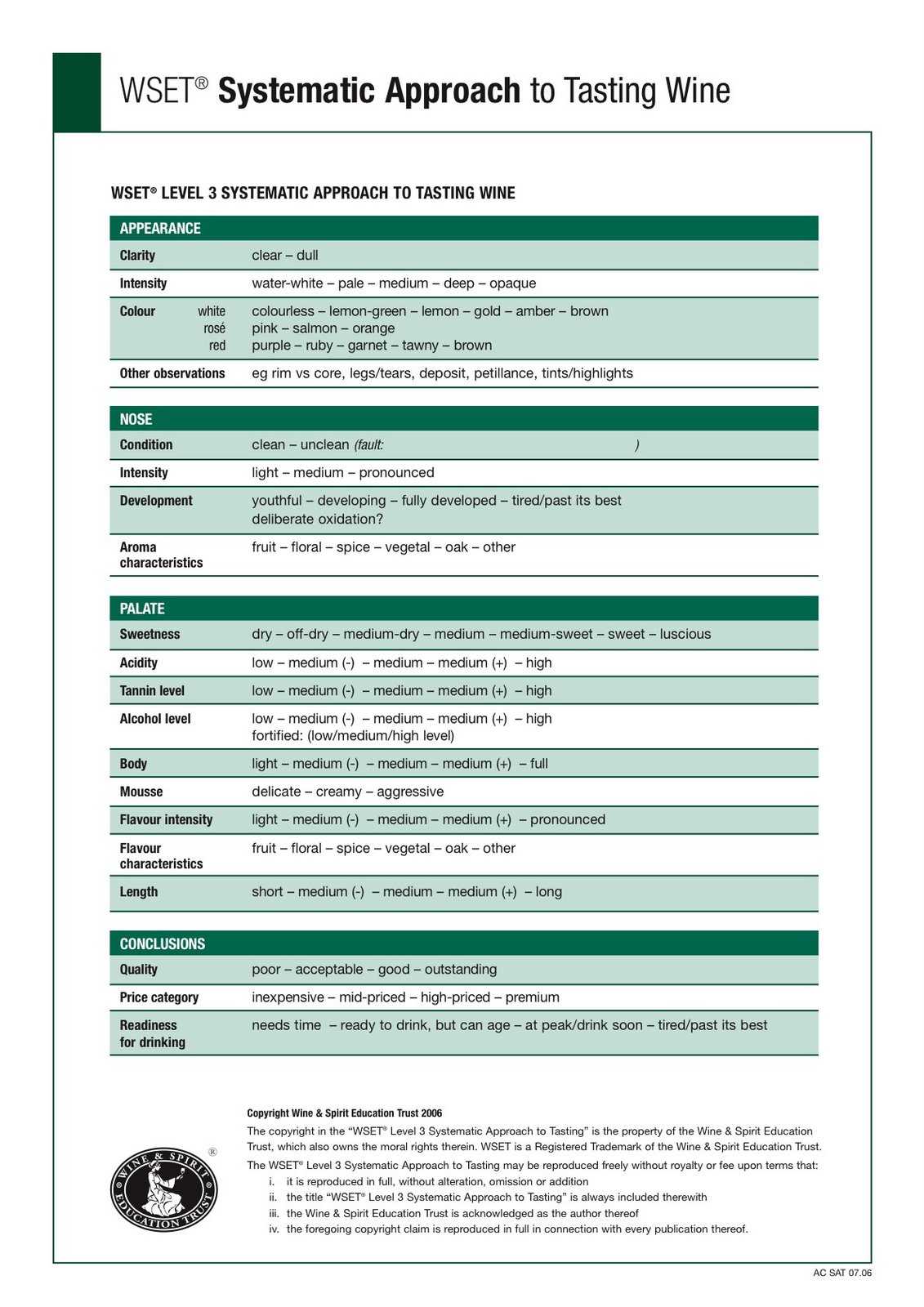
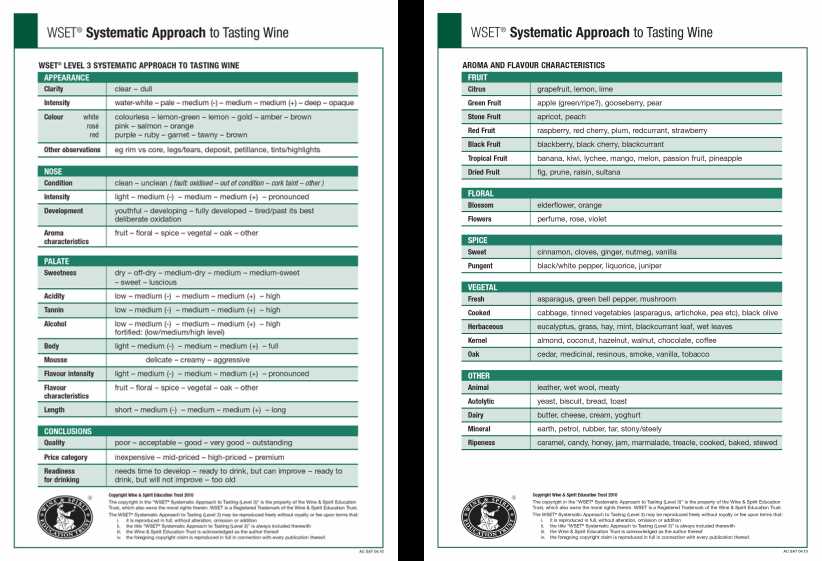
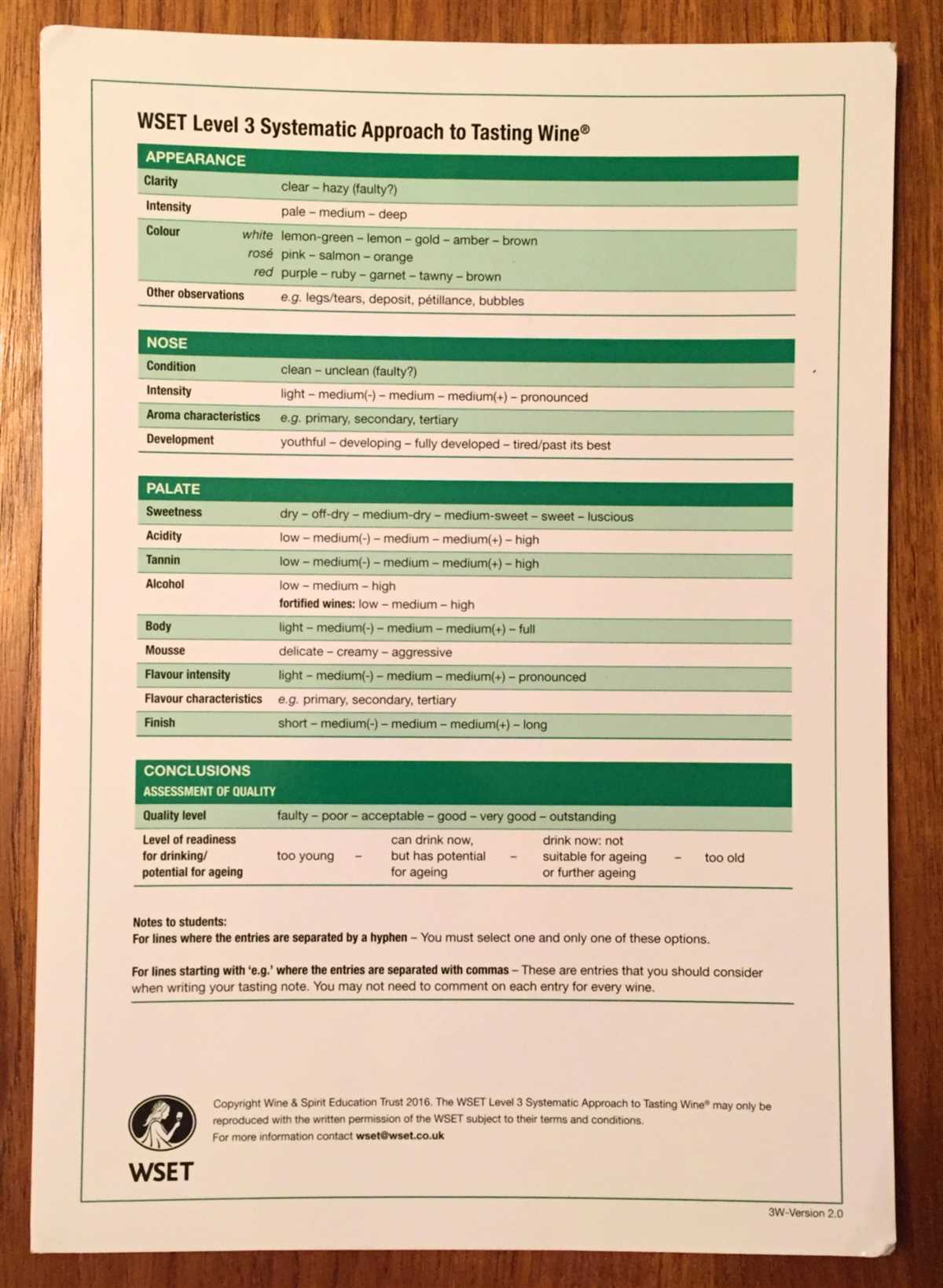
Wine tasting is an essential part of the wine industry and requires the development of sensory skills to evaluate the different characteristics of a wine. It involves using sight, smell, and taste to determine the quality and characteristics of the wine. Tasting involves observing the wine’s color, clarity, and viscosity, as well as smelling its aromas and tasting its flavors. Proper wine tasting techniques involve swirling the wine in the glass to release its aromas, taking small sips to assess the flavors, and evaluating the wine’s finish or aftertaste.
Wine service, on the other hand, refers to the process of serving wine to guests in a restaurant or other hospitality establishment. It involves the proper handling and presentation of the wine, as well as the knowledge of different wine service techniques. Wine service includes opening the bottle of wine, decanting if necessary, and pouring the wine for the guests. It is important for wine servers to have an understanding of different wine styles and the appropriate glassware to use. They should also be able to answer any questions the guests may have regarding the wine list or wine pairing options.
In both wine tasting and wine service, professionals often follow a standardized process to ensure consistent evaluation and service. This may include using a tasting grid or scoring system for wine evaluation, as well as following specific steps for wine service. It is also important for professionals in the wine industry to continue their education and stay updated on new developments and trends in the world of wine to provide the best possible experience for their customers.
Wine and Food Pairing

Wine and food pairing is the art of selecting the right wine to complement a particular dish, enhancing both the flavors of the food and the wine. The goal is to achieve a harmonious balance where neither the wine nor the food overpower each other, but rather enhance each other’s qualities. There are several key factors to consider when pairing wine and food, including the flavor profile, acidity, sweetness, and intensity of both the wine and the food.
One of the most important factors to consider when pairing wine and food is the flavor profile. For example, a light and delicate white wine like Sauvignon Blanc would pair well with a light seafood dish, as both have subtle flavors that would complement each other. On the other hand, a bold and full-bodied red wine like Cabernet Sauvignon would pair well with a rich and hearty steak, as both have strong flavors that can stand up to each other.
- Acidity: The acidity of the wine should match the acidity of the food. For example, a high-acidity wine like Riesling would pair well with a tangy and acidic dish like ceviche, as the acidity in both the wine and the food would complement each other.
- Sweetness: The sweetness of the wine should be in balance with the sweetness of the food. For example, a sweet dessert wine like Sauternes would pair well with a rich and sweet dessert like crème brûlée, as the sweetness in both the wine and the food would complement each other.
- Intensity: The intensity of the wine should match the intensity of the food. For example, a light-bodied and delicate wine like Pinot Noir would pair well with a lightly seasoned dish like roasted chicken, as the subtle flavors in both the wine and the food would complement each other.
In conclusion, wine and food pairing is a complex art that involves considering various factors such as flavor profile, acidity, sweetness, and intensity. By carefully selecting the right wine, you can create a harmonious balance that enhances both the wine and the food, resulting in a truly memorable dining experience.
Conclusion
In conclusion, understanding wine storage and wine labeling is essential for any wine enthusiast or professional in the industry. Proper storage of wine ensures that it maintains its quality and flavor over time, allowing for optimal enjoyment when it is eventually opened. Knowing how to properly store wine, including temperature, humidity, and light conditions, can make a significant difference in the overall taste and experience of the wine.
Furthermore, understanding wine labeling is crucial for consumers in order to make informed decisions when purchasing wine. The information provided on wine labels, such as the grape variety, region of origin, vintage, and producer, can give insights into the wine’s characteristics and quality. Additionally, reading and interpreting wine labels allows consumers to navigate the vast variety of wines available and choose the ones that best suit their preferences.
By learning about wine storage and wine labeling, individuals can enhance their enjoyment and appreciation of wine. Whether it is storing a treasured bottle for a special occasion or selecting the perfect wine to accompany a meal, having a solid understanding of these topics will undoubtedly elevate the wine drinking experience.
Remember, wine is not just a beverage; it is an art form that deserves to be treated with care and respect. So, take the time to learn about proper wine storage and decoding wine labels – your taste buds will thank you!