The Untold Story: Revealing the WWII DBQ Answers
World War II, which lasted from 1939 to 1945, was one of the most significant and transformative events in human history. It resulted in unprecedented levels of destruction and loss of life, with estimates of around 70-85 million individuals killed. The war affected virtually every aspect of people’s lives, from politics and economy to social dynamics and cultural norms.
In this DBQ (Document-Based Question) analysis, we will explore the critical questions surrounding World War II and gain insights into its causes, effects, and lasting legacies. We will examine primary sources such as letters, speeches, and official documents to better understand the motivations behind the war, the various parties involved, and the impact it had on different regions of the world.
By digging deep into the DBQ documents, we will uncover answers to questions such as: What were the main causes of World War II? How did leaders like Adolf Hitler, Franklin D. Roosevelt, and Joseph Stalin shape the course of the war? How did the war impact civilians and soldiers alike? What were the major turning points that led to the Allies’ eventual victory? And what were the long-term consequences of the war on global politics and society?
Through this analysis, we hope to gain a comprehensive understanding of the complexities of World War II and the lessons we can learn from it. By studying the past, we can endeavor to prevent similar conflicts in the future and work towards a more peaceful and harmonious world.
The Causes of World War II
The causes of World War II can be traced back to a combination of political, economic, and social factors. One of the key factors leading to the outbreak of the war was the aggressive expansionist policies pursued by Nazi Germany under the leadership of Adolf Hitler. Hitler sought to create a Greater German Reich, which involved the annexation of neighboring territories and the establishment of a totalitarian regime. This aggressive expansionism, along with Hitler’s extreme nationalist and racist ideology, created a volatile situation in Europe that eventually led to war.
Another major cause of World War II was the failure of the Treaty of Versailles and the ineffective response of the international community to address the grievances of countries like Germany and Japan. The harsh terms imposed on Germany after World War I, including massive reparations payments and territorial losses, created discontent and resentment among the German population. This laid the groundwork for Hitler’s rise to power and the eventual outbreak of war. Similarly, Japan felt the Treaty of Versailles did not treat it as an equal and sought to expand its empire in Asia in order to secure vital resources.
- The rise of militaristic regimes in Japan, Italy, and Germany also played a significant role in causing World War II. These regimes emphasized aggressive, expansionist foreign policies and sought to exert dominance over their respective regions.
- The failure of collective security systems, such as the League of Nations, to prevent aggression and maintain peace further contributed to the outbreak of war. The League of Nations proved ineffective in stopping Hitler’s territorial ambitions and failed to take decisive action against Japan’s invasion of Manchuria and subsequent aggression in China.
- The global economic depression of the 1930s also had a significant impact on the causes of World War II. Economic hardship and the rise of unemployment created fertile ground for extremist ideologies, such as fascism and communism, to gain support. This, in turn, fueled the rise of aggressive and militaristic regimes.
In conclusion, the causes of World War II were complex and interconnected. The aggressive expansionism of Nazi Germany, the failure of the Treaty of Versailles, the rise of militaristic regimes, the failure of collective security systems, and the global economic depression all played a role in creating the conditions that led to the outbreak of the war. It is important to study and understand these causes in order to prevent future conflicts and promote peace.
The Rise of Adolf Hitler and Nazi Germany
Adolf Hitler’s rise to power and the establishment of Nazi Germany had a profound impact on the world during the 1930s and 1940s. Hitler’s political career began in the early 1920s when he joined the Nazi Party, a far-right political group promoting German nationalism, anti-Semitism, and authoritarianism. Through charismatic speeches and propaganda, Hitler gained widespread support, particularly among the economically disadvantaged and those who felt betrayed by the Treaty of Versailles.
One of the factors that contributed to Hitler’s rise was the economic and political instability in Germany following World War I. The Great Depression of the 1930s worsened the already dire economic conditions, leading to high unemployment rates and inflation. Hitler capitalized on these grievances, promising to restore Germany’s economy and rebuild its military strength. His ability to present himself as a strong and dynamic leader resonated with the disillusioned masses.
- The Enabling Act: In 1933, Hitler successfully pushed for the passage of the Enabling Act, which effectively gave him dictatorial powers. This allowed him to bypass the democratic process, suppress opposition, and consolidate his authority.
- The Night of the Long Knives: In 1934, Hitler carried out a purge known as the Night of the Long Knives, during which he ordered the execution of members of his own party and political rivals. This further solidified his control and eliminated potential threats to his power.
- Propaganda and Indoctrination: Hitler and his Minister of Propaganda, Joseph Goebbels, implemented an extensive propaganda campaign to control public opinion and manipulate the German population. Through mass rallies, radio broadcasts, and the use of media, the Nazis spread their ideology and demonized groups such as Jews, Communists, and other minorities.
- The Nuremberg Laws: In 1935, the Nazis introduced the Nuremberg Laws, which stripped Jews of their civil rights and excluded them from German society. These laws laid the groundwork for the systematic persecution and eventual extermination of millions of Jews during the Holocaust.
The rise of Adolf Hitler and Nazi Germany had devastating consequences for the world. Under Hitler’s leadership, Germany embarked on a path of aggressive expansionism and militarization. The outbreak of World War II in 1939 resulted in widespread destruction and loss of life. The Holocaust, which aimed to exterminate the Jewish population, remains one of the darkest chapters in human history. It is essential to study and understand this period to ensure that such atrocities are never repeated.
The Impact of the Treaty of Versailles
The Treaty of Versailles, signed on June 28, 1919, marked the end of World War I and outlined the terms of peace between the victorious Allies and Germany. The treaty had a significant impact on Europe and the world, shaping the geopolitical landscape and setting the stage for future conflicts.
One of the key provisions of the Treaty of Versailles was the imposition of heavy reparations on Germany. Germany was expected to pay billions of dollars to the Allies to compensate for the damages caused by the war. This financially crippled Germany, leading to hyperinflation, economic instability, and social unrest. The burden of reparations placed on Germany was seen as unfair by many Germans and fueled resentment towards the treaty and the victors.
- Moreover, the Treaty of Versailles drastically reduced the size of Germany’s military forces. The German army was limited to 100,000 soldiers, and its navy was stripped of much of its fleet. Germany was also prohibited from having an air force. These military restrictions not only weakened Germany’s defenses but also humiliated the German people who were proud of their military tradition. The disarmament of Germany left a power vacuum in Europe and contributed to the rise of militarism in the country.
- In addition, the Treaty of Versailles redrew the map of Europe, leading to the disintegration of several empires and the creation of new nations. The Austro-Hungarian Empire was dissolved, and new countries like Czechoslovakia and Yugoslavia emerged. Germany lost territories to France, Belgium, Denmark, and Poland. These territorial changes caused ethnic tensions and territorial disputes, which would later contribute to the outbreak of World War II.
In conclusion, the Treaty of Versailles had a profound impact on Europe and set the stage for future conflicts. The heavy reparations and military restrictions imposed on Germany fueled resentment and bred instability in the country. The redrawn map of Europe led to ethnic tensions and territorial disputes. The consequences of the treaty would ultimately shape the course of history and contribute to the outbreak of World War II.
The role of Japan in World War II
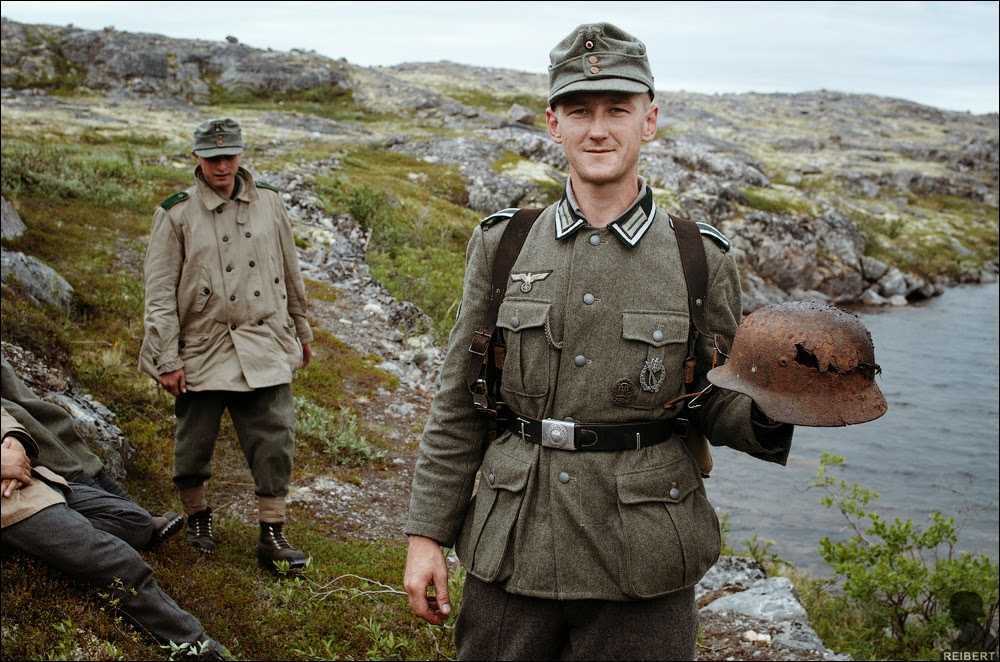
Japan played a significant role in World War II, particularly in the Pacific theater. The country’s expansionist policies and its desire for resources and dominance in the region led to its involvement in the war. One key aspect of Japan’s role in the conflict was its surprise attack on Pearl Harbor, which occurred on December 7, 1941. This attack marked Japan’s entry into the war and prompted the United States to declare war on Japan.
Japanese military aggression continued throughout the war, as the country sought to expand its empire and gain control over territories in Southeast Asia. Japan’s invasion of China in 1937, known as the Second Sino-Japanese War, was a major precursor to World War II. The conflict resulted in widespread devastation and brutality, with millions of people killed or displaced. Japanese forces also carried out numerous atrocities during the war, such as the infamous Rape of Nanking in 1937, which further fueled international condemnation of Japan’s actions.
Additionally, Japan’s involvement in the war brought about significant consequences for the country itself. The bombings of Hiroshima and Nagasaki in August 1945, which were carried out by the United States, resulted in immense loss of life and the eventual surrender of Japan. These bombings remain the only use of nuclear weapons in warfare to this day. The war also led to Japan’s occupation by Allied forces and the subsequent rebuilding and transformation of the country.
In summary, Japan’s role in World War II was marked by its expansionist ambitions, military aggression, and eventual defeat. The country’s actions in the war had far-reaching consequences, both in terms of the global conflict and for Japan itself in the post-war period.
The effects of World War II on the economy and society
World War II had profound effects on both the economy and society in the countries involved. The war brought about significant changes in the global economy, with many countries experiencing both economic growth and destruction. The need for military equipment and supplies led to increased production and industrialization, revitalizing many economies and creating jobs. However, the war also resulted in massive destruction, with cities and infrastructure being destroyed, leading to post-war reconstruction efforts.
One of the major effects of World War II on the economy was the rise of government intervention and the expansion of the welfare state. Governments took on a greater role in managing the economy, implementing policies to control production, distribute resources, and regulate prices. This shift towards a more interventionist approach had long-lasting effects on the economies of many countries, with the establishment of welfare programs and social safety nets.
On a societal level, World War II brought about significant social changes. The war mobilized large segments of the population, with millions of men and women serving in the armed forces. This led to a shift in gender roles, as women entered the workforce in unprecedented numbers to fill the jobs left by men who were called to serve. The war also had an impact on racial and ethnic dynamics, as soldiers and workers from diverse backgrounds came together and faced discrimination and prejudice.
In summary, World War II had far-reaching effects on the economy and society. It brought about both economic growth and destruction, leading to increased government intervention and the expansion of the welfare state. The war also had significant social repercussions, reshaping gender roles and challenging racial and ethnic dynamics. The legacy of World War II can still be felt today, as the war laid the foundation for many of the economic and social systems that exist in the world today.
The Role of Women during World War II

The role of women during World War II was a significant departure from traditional gender roles. With a large number of men serving in the armed forces, women were called upon to fill essential roles in the workforce, support the war effort at home, and contribute to the overall victory of the Allied forces.
During World War II, women joined the workforce in unprecedented numbers. They took on jobs traditionally held by men, such as factory work, shipbuilding, and other forms of industrial labor. This shift in employment allowed women to gain financial independence and pursue careers that were previously closed to them. The efforts of women in the workforce during this time were crucial in keeping the economy strong and supplying the necessary resources for the war.
Not only did women contribute to the war effort on the home front, but they also served in the military. Although they were initially limited to non-combat roles, women played an important part in the war as nurses, clerks, and radio operators. Their dedication and bravery were recognized and paved the way for future opportunities for women in the armed forces.
The contributions of women during World War II extended beyond their work in the workforce and military. Women also played a vital role on the home front by rationing food, organizing victory gardens, and volunteering for various war-related organizations. They were active participants in the war effort in their communities, showing resilience and determination.
In conclusion, the role of women during World War II was transformative and essential to the success of the Allied forces. Women stepped into roles traditionally held by men, joined the workforce in record numbers, and supported the war effort at home. Their contributions not only helped secure victory but also challenged societal norms and paved the way for greater gender equality in the years to come.