Unwrapping the Answers: A Closer Look at A Christmas Carol Questions in Stave 1
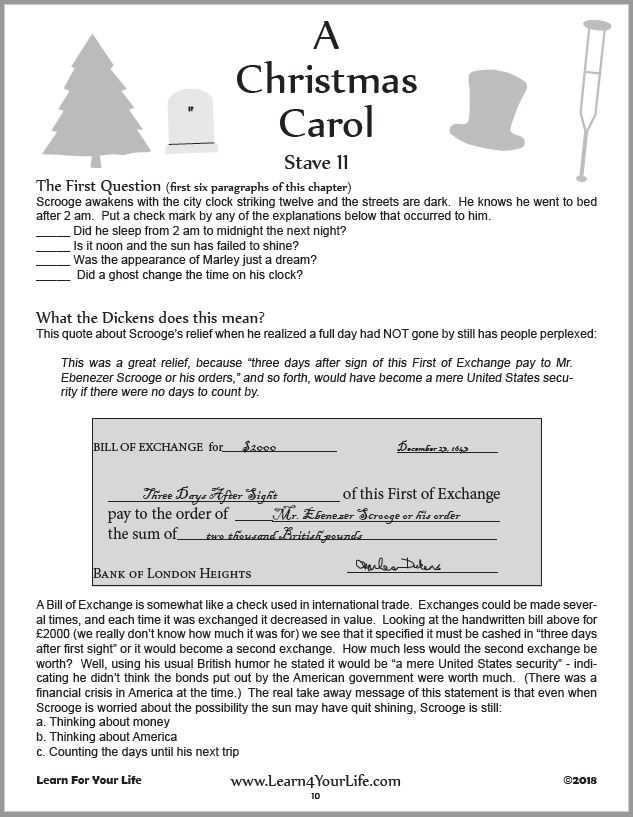
Charles Dickens’ “A Christmas Carol” is a timeless story that has captured the hearts of readers for generations. In Stave 1, the story introduces us to the main character, Ebenezer Scrooge, a miserly businessman who is known for his cold heart and disdain for all things related to Christmas.
Throughout Stave 1, Scrooge is visited by several individuals who attempt to bring him some holiday cheer, including his nephew, Fred, and two gentlemen collecting for the poor. However, Scrooge dismisses their attempts and continues with his bitter and miserable ways.
In this article, we will explore some questions and answers related to Stave 1 of “A Christmas Carol” to help readers better understand the events and themes of the story. We will delve into Scrooge’s character, his interactions with others, and the symbolism behind certain elements in the story.
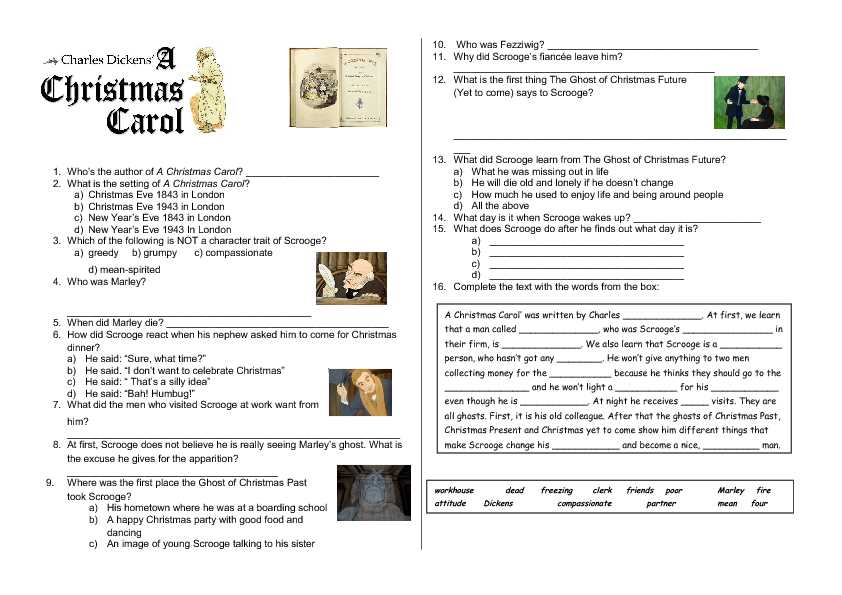
A Christmas Carol Stave 1: Questions and Answers
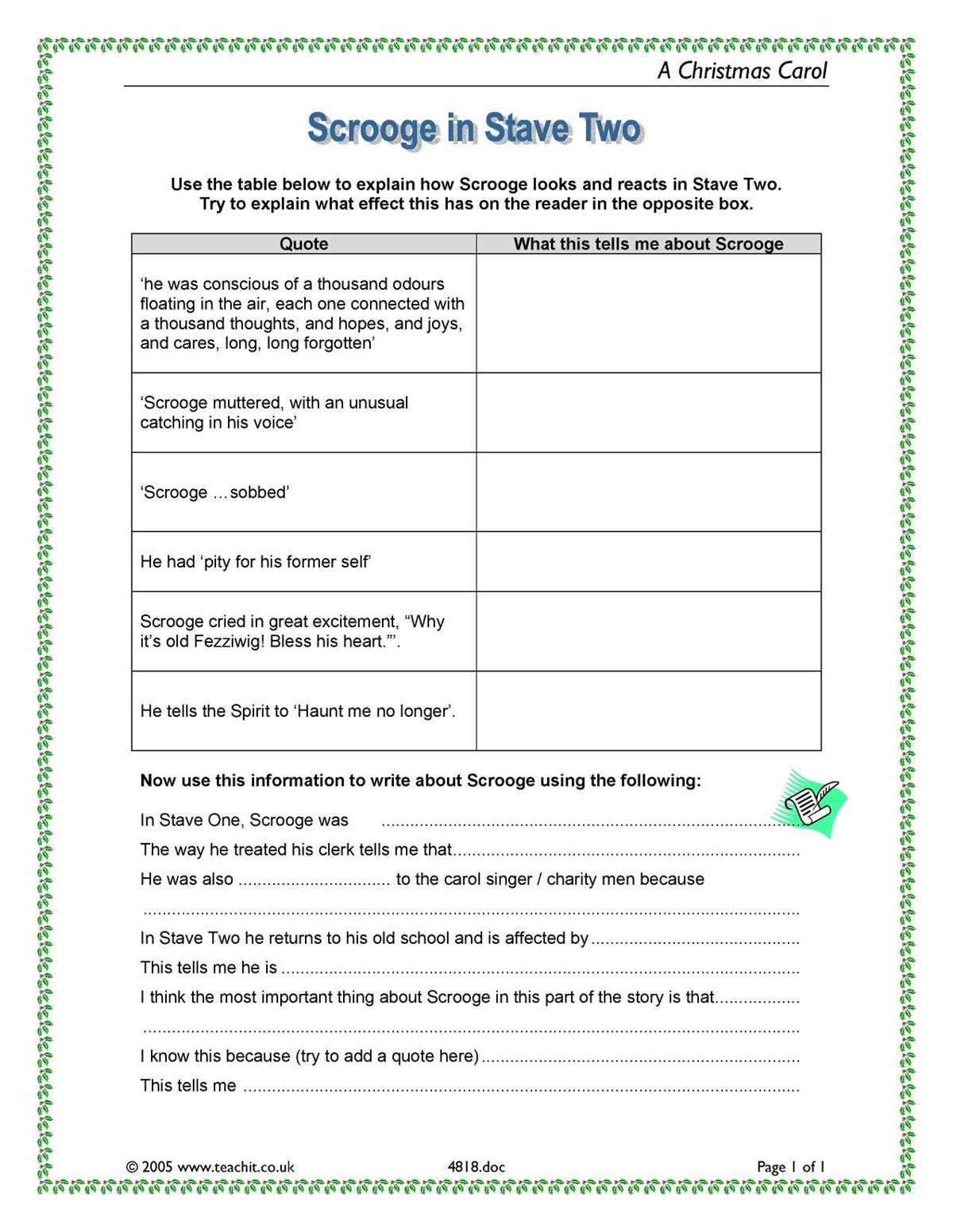
Stave 1 of Charles Dickens’ famous novella, A Christmas Carol, sets the stage for the rest of the story. It introduces the main character, Ebenezer Scrooge, a miserly and cold-hearted man who is known for his dislike of Christmas. In this section, he is visited by his nephew, Fred, who invites him to Christmas dinner. Scrooge dismisses the invitation and expresses his disdain for the holiday, which sets the tone for his transformation later in the story.
Here are some questions and answers related to Stave 1 of A Christmas Carol:
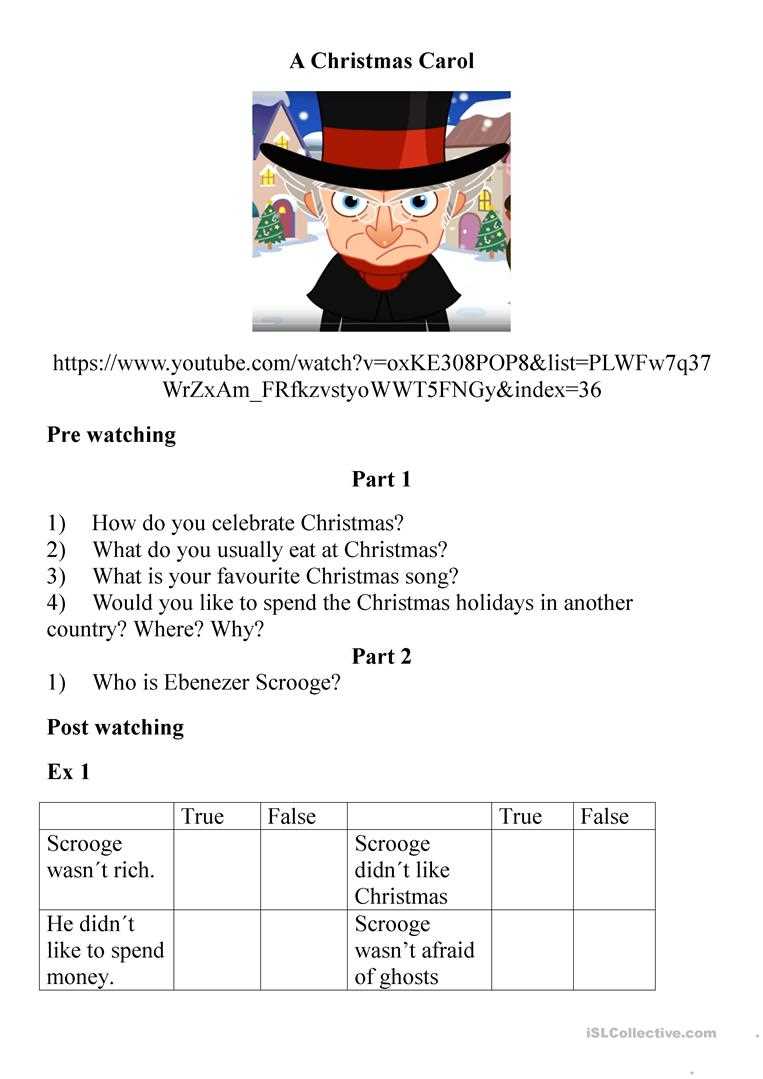
- Question: Who is Ebenezer Scrooge?
- Answer: Ebenezer Scrooge is the main character of A Christmas Carol. He is a wealthy, but miserable, businessman who despises Christmas and all forms of holiday cheer.
- Question: How does Scrooge react when his nephew invites him to Christmas dinner?
- Answer: Scrooge reacts with a mixture of anger and disdain when his nephew, Fred, invites him to Christmas dinner. He dismisses the invitation and insults the holiday, calling it a “humbug.”
- Question: Who is Jacob Marley?
- Answer: Jacob Marley is Scrooge’s former business partner, who died seven years prior to the events of the story. He appears to Scrooge as a ghost in Stave 1 to warn him of the consequences of his selfish ways.
- Question: What is the significance of the phrase “Bah! Humbug!”?
- Answer: The phrase “Bah! Humbug!” is used by Scrooge to express his contempt for Christmas. It has become synonymous with his character and his disdain for all things related to the holiday season.
In Stave 1 of A Christmas Carol, Charles Dickens sets the stage for the transformation of Ebenezer Scrooge by introducing his cold-heartedness and disdain for Christmas. The questions and answers provided offer a deeper understanding of the characters and themes that will unfold throughout the rest of the story.
Understanding the Background of A Christmas Carol
Charles Dickens’ novella “A Christmas Carol” was first published in 1843 and has since become a beloved Christmas classic. The story follows the transformation of the main character, Ebenezer Scrooge, from a cold-hearted and selfish miser to a compassionate and generous individual. The novella has been adapted numerous times for stage, film, and television, and its themes of redemption, kindness, and the spirit of Christmas continue to resonate with audiences today.
The inspiration for “A Christmas Carol” came from Dickens’ own experiences and observations of the harsh social and economic realities of 19th-century England. During this time, the Industrial Revolution was in full swing, and many people faced extreme poverty, especially during the winter months. Dickens witnessed the stark contrast between the wealthy and the impoverished, and he wanted to shed light on these inequalities and inspire readers to take action and help those in need.
Social Commentary and Moral Lessons
In “A Christmas Carol,” Dickens uses the character of Scrooge to critique the greed and indifference of the upper class and to highlight the importance of empathy, kindness, and social responsibility. Through the visits from the Ghosts of Christmas Past, Present, and Future, Scrooge is confronted with the consequences of his actions and shown the true meaning of Christmas.
The novella also explores the themes of redemption and second chances. By showing Scrooge’s transformation, Dickens emphasizes the power of self-reflection, personal growth, and the possibility for individuals to change their ways. The story serves as a reminder that it is never too late to choose compassion and kindness over selfishness and greed.
Legacy and Impact
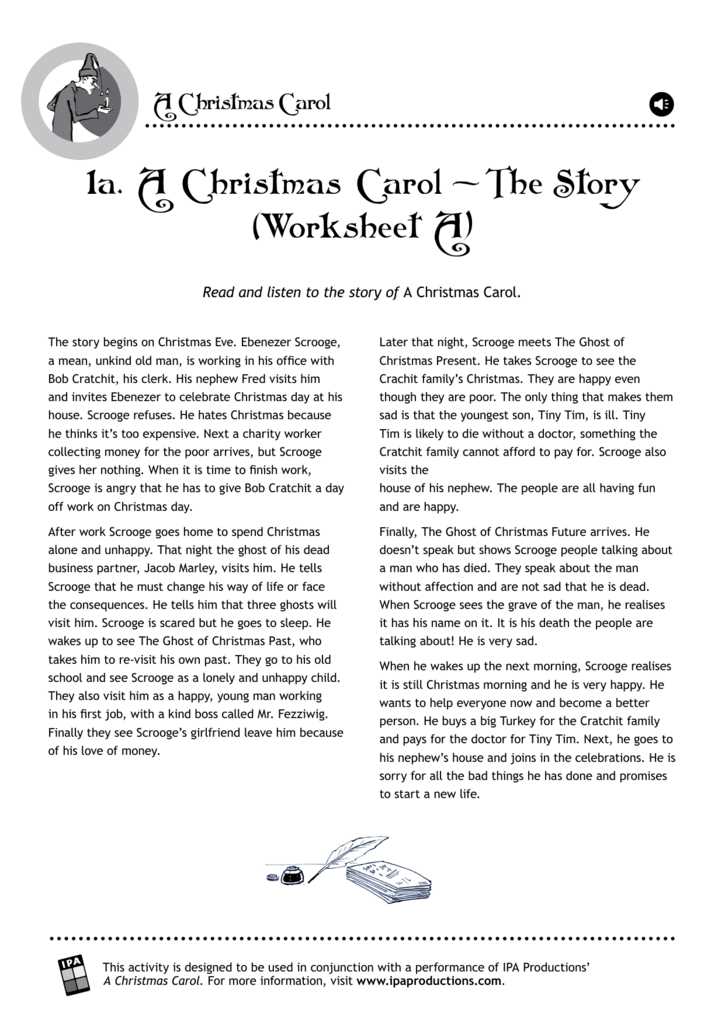
“A Christmas Carol” has had a lasting impact on literature and popular culture. The story has been adapted into countless stage plays, films, and television specials, with characters like Scrooge, Tiny Tim, and the Ghosts becoming iconic figures. The novella’s enduring popularity can be attributed to its timeless themes of love, forgiveness, and the spirit of Christmas, which continue to resonate with audiences of all ages.
Today, “A Christmas Carol” serves as a reminder of the importance of kindness and generosity, especially during the holiday season. It encourages readers and viewers to reflect on their own actions and to consider how they can make a positive impact in the lives of others. The story’s enduring popularity is a testament to Dickens’ skill as a storyteller and his ability to craft a compelling narrative with a powerful moral message.
Key Characters in Stave 1 of A Christmas Carol
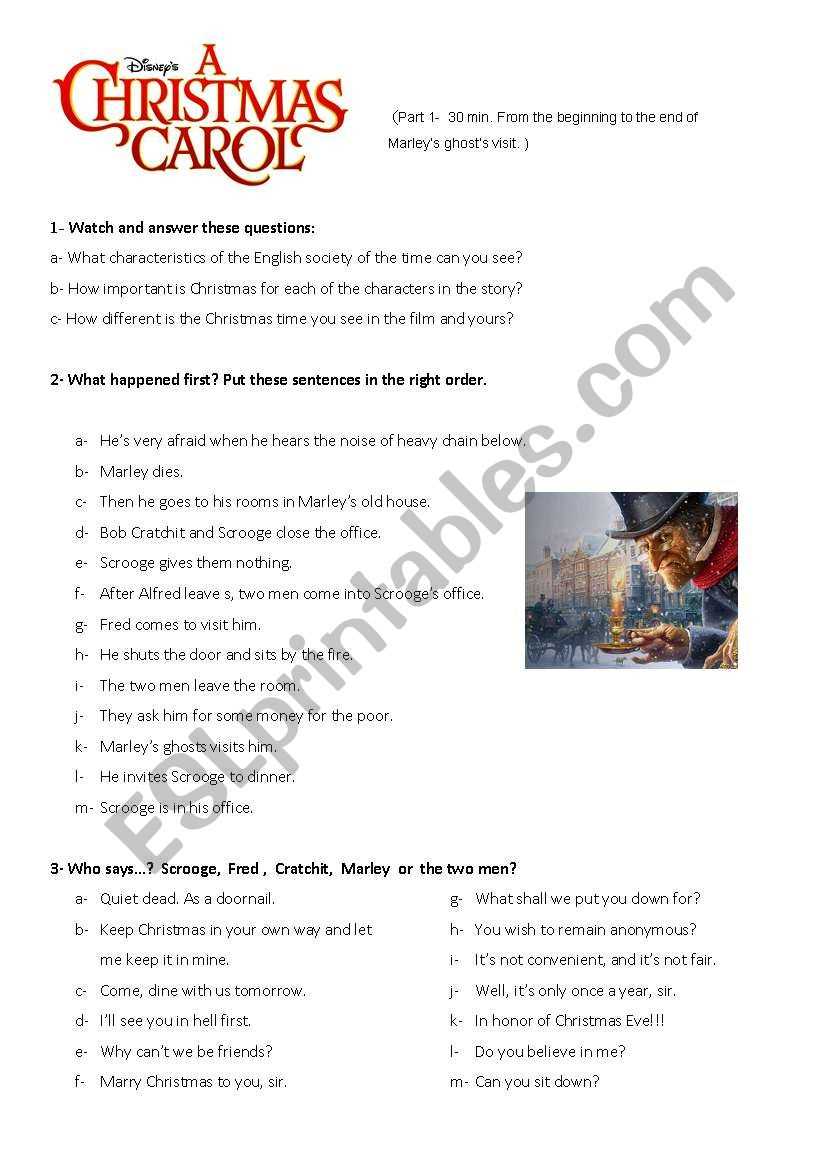
In Stave 1 of Charles Dickens’ novel A Christmas Carol, several key characters are introduced, setting the stage for the story’s themes and conflicts. The main character, Ebenezer Scrooge, is a cold-hearted and miserly man who values money above all else. He is depicted as a solitary figure, stingy with his wealth and lacking in compassion for those less fortunate than himself. Scrooge’s lack of Christmas spirit and disdain for the holiday are evident from the opening lines of the story, where he refuses to donate to the poor and dismisses his nephew’s invitation to a Christmas celebration.
Another important character in Stave 1 is Jacob Marley, Scrooge’s deceased business partner. Marley appears to Scrooge as a ghost, warning him of the consequences of his selfish ways and the fate that awaits him in the afterlife. Marley’s ghost is covered in chains, representing the burdens of his own greed and cruelty in life. He tells Scrooge that he too is bound by chains made of his own sins, and warns him that he will be visited by three spirits who will offer him a chance at redemption.
- Scrooge: A cold-hearted and miserly man who values money above all else.
- Jacob Marley: Scrooge’s deceased business partner, who appears as a ghost to warn Scrooge of the consequences of his actions.
These two characters set the stage for the transformation that will take place in Scrooge throughout the story. While Scrooge initially rejects Marley’s warning and the idea of redemption, his encounters with the three spirits will ultimately lead him to a change of heart and a newfound love for humanity. Through these characters, Dickens explores themes of greed, redemption, and the power of Christmas to bring about change in even the most hardened hearts.
The Main Conflict in Stave 1 of A Christmas Carol
In Stave 1 of Charles Dickens’ “A Christmas Carol,” the main conflict revolves around the character of Ebenezer Scrooge and his attitude towards Christmas and the people around him. Scrooge is portrayed as a cold-hearted and miserly man who cares only about money and has no compassion for others. This conflict is established early in the stave when Scrooge’s nephew, Fred, visits him and tries to invite him to his annual Christmas dinner. Scrooge dismisses Fred’s invitation, expressing his disdain for the holiday and calling it a “humbug.”
The conflict between Scrooge’s miserly nature and the spirit of Christmas is further highlighted when two gentlemen arrive at Scrooge’s office to collect donations for the poor. Scrooge refuses to contribute, stating that he already supports prisons and workhouses and that those who are in need should go there. This encounter shows Scrooge’s lack of empathy and his belief that the poor are responsible for their own misfortune.
Throughout Stave 1, the conflict between Scrooge and the spirit of Christmas is reinforced by the Ghost of Jacob Marley, who appears to Scrooge as a warning. Marley’s ghost tells Scrooge that he is doomed to wander the earth as a ghost because of his selfish and greedy behavior when he was alive. This encounter serves as a catalyst for the main conflict in the story, as it foreshadows the visits of the three spirits who will attempt to change Scrooge’s perspective on Christmas and his life in general.
- The main conflict in Stave 1 of “A Christmas Carol” is the internal struggle within Ebenezer Scrooge, who must confront his own selfishness and learn the true meaning of Christmas.
- This conflict is further developed through Scrooge’s interactions with his nephew, Fred, and the two gentlemen collecting for charity, as well as through the appearance of Jacob Marley’s ghost.
- Scrooge’s transformation from a cold-hearted miser to a more compassionate and generous individual will be the focus of the remaining staves of the story.
In conclusion, the main conflict in Stave 1 of “A Christmas Carol” centers around Ebenezer Scrooge’s hatred for Christmas and his lack of compassion for others. This conflict sets the stage for the transformation that Scrooge will undergo throughout the remainder of the story, as he is visited by the three spirits and learns the true meaning of Christmas and the importance of kindness and generosity.
How Does Stave 1 of A Christmas Carol Set the Tone for the Rest of the Book
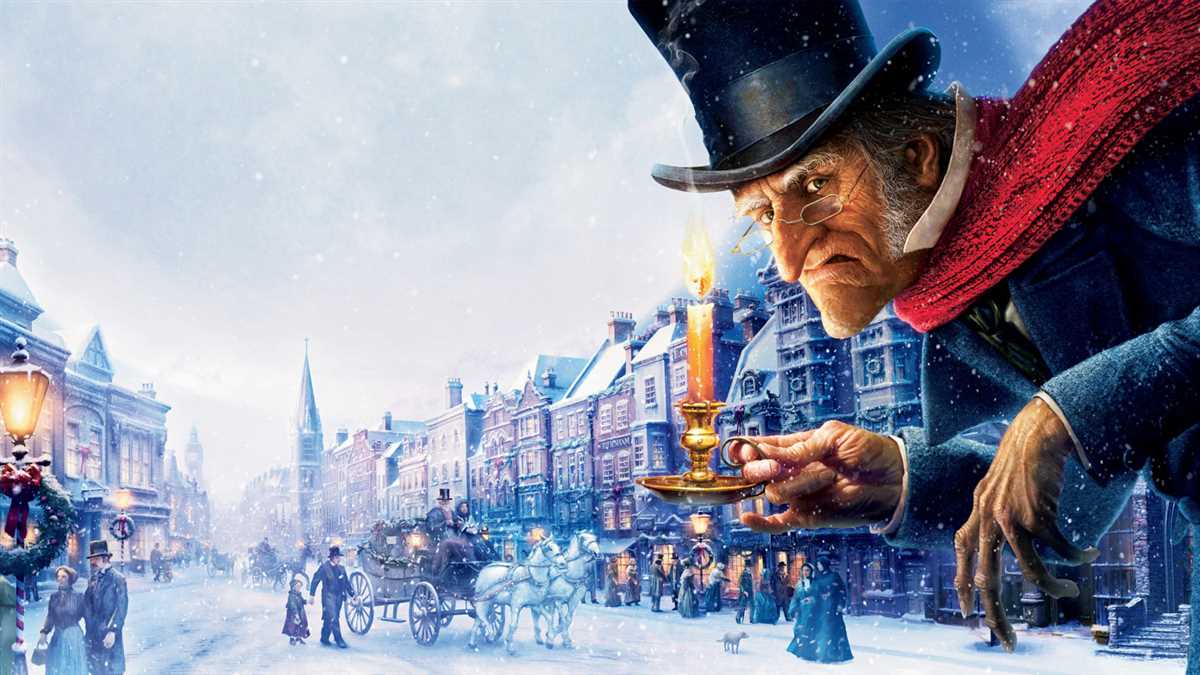
The first stave of Charles Dickens’ novel, A Christmas Carol, sets the tone for the rest of the book by introducing the main themes of redemption, regret, and the transformative power of Christmas. Through the character of Ebenezer Scrooge, the reader is immediately presented with a man who is greedy, miserly, and devoid of compassion. This sets up a contrast between Scrooge’s cold-heartedness and the warmth and generosity associated with the holiday season.
One of the key moments in Stave 1 is the encounter between Scrooge and his nephew, Fred. Despite being rejected and insulted by Scrooge, Fred remains cheerful and extends an invitation for Christmas dinner. This scene highlights the stark contrast between Scrooge’s isolation and Fred’s sense of community and family. It also emphasizes the potential for change and redemption, as Fred refuses to give up on his uncle and continues to show him kindness.
Additionally, the introduction of Jacob Marley’s ghost in Stave 1 foreshadows the supernatural elements that will play a significant role in the rest of the book. Marley’s appearance serves as a warning to Scrooge about the consequences of his actions and sets the stage for the visits from the three spirits that will follow. These visitations provide Scrooge with the opportunity to reflect on his past and present, as well as glimpse into a possible future, ultimately leading to his transformation.
Overall, Stave 1 in A Christmas Carol establishes the themes and conflicts that will drive the narrative forward. It paints a vivid picture of Scrooge’s cold-heartedness, contrasts it with the warmth and generosity of those around him, and introduces the supernatural elements that will guide his journey of redemption. Through this stave, Dickens sets the stage for a story that explores the transformative power of Christmas and the potential for change in even the most hardened hearts.
Exploring the Themes in Stave 1 of A Christmas Carol
In Stave 1 of Charles Dickens’ classic novel, A Christmas Carol, several important themes are introduced. These themes set the tone for the story and offer valuable insights into the characters and their motivations. One of the main themes explored in this stave is the concept of greed and materialism.
Greed is exemplified by the character of Ebenezer Scrooge, a wealthy but miserly man who values money above all else. His obsession with accumulating wealth is depicted through his refusal to give to charity and his harsh treatment of his employee, Bob Cratchit. This theme is further reinforced by the presence of the ghostly figure of Jacob Marley, Scrooge’s deceased business partner, who is condemned to wander the afterlife burdened by the chains of his own greed.
Materialism is closely linked to greed in A Christmas Carol. Scrooge’s focus on accumulating wealth is tied to his desire for material possessions and the comfort they bring. This is evident in his refusal to spend money on anything that is not necessary or practical. The theme of materialism is further emphasized through the contrast between Scrooge’s cold, dismal living quarters and the warmth and abundance enjoyed by his nephew, Fred, who represents the spirit of Christmas and the joy of giving.
In conclusion, the themes of greed and materialism in Stave 1 of A Christmas Carol serve as a reminder of the negative impact that prioritizing wealth and possessions can have on individuals and their relationships. Through the character of Scrooge, Charles Dickens highlights the importance of generosity and the transformative power of compassion and empathy, themes that will be further explored as the story unfolds.
Analyzing the Symbolism in Stave 1 of A Christmas Carol
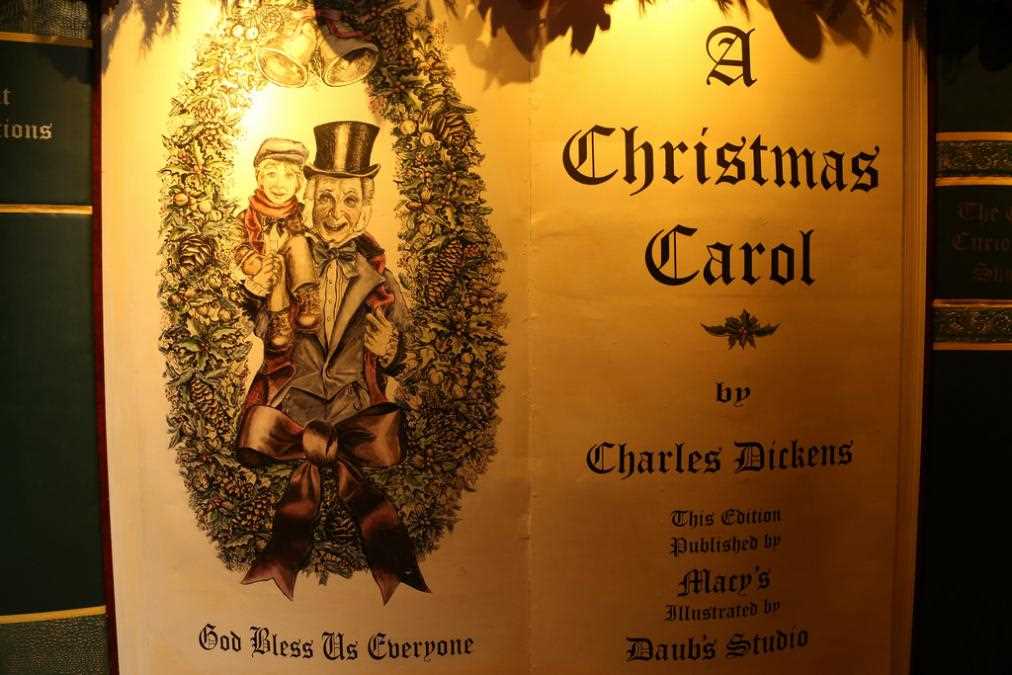
In Charles Dickens’ classic novella, A Christmas Carol, the first stave sets the stage for the transformative journey of Ebenezer Scrooge. Through rich symbolism, Dickens masterfully conveys the themes of redemption, isolation, and the moral consequences of greed.
The Symbolism of Marley’s Ghost
Marley’s ghost serves as a powerful symbol of the consequences of a life consumed by greed and indifference. Wrapped in chains, he represents the weight of a life lived without compassion and generosity. Marley’s appearance to Scrooge foreshadows the fate that awaits him if he continues on his current path.
- The chains on Marley’s ghost symbolize the burden of the sins and regrets of his life. They serve as a warning to Scrooge of the eternal consequences of avarice and selfishness.
- The ghost’s wailing and moaning represent the suffering and torment experienced by those who choose to ignore the needs of others. It is a haunting reminder that true fulfillment and happiness are found in acts of kindness and generosity.
The Symbolism of the Cold and Dark Streets
The cold and dark streets through which Scrooge navigates on Christmas Eve serve as a metaphor for his emotional isolation and spiritual desolation. They highlight the stark contrast between Scrooge’s indifference towards others and the warmth and joy of the Christmas season.
- The biting cold that Scrooge encounters emphasizes his emotional numbness and isolation. It represents the result of his obsessive pursuit of wealth at the expense of human connection.
- The darkness of the streets reflects Scrooge’s own moral darkness, the absence of light and goodness in his life. It signifies the void of empathy and compassion that has consumed him.
In Stave 1 of A Christmas Carol, Charles Dickens expertly employs symbolism to convey the central themes of the story. Marley’s ghost and the cold and dark streets serve as powerful symbols of the consequences of greed, indifference, and isolation. Through these symbols, Dickens invites readers to reflect on their own lives and consider the importance of generosity, kindness, and the redemption that can be found in the Christmas spirit.