Mastering the Ib Biology Final Exam: Your Complete Review Guide
If you’re a student studying International Baccalaureate (IB) Biology, then you know that the final exam is a crucial component of your assessment. This exam covers a wide range of topics and requires a comprehensive understanding of the subject. To help you prepare, this article will provide a review of key concepts and information that you should focus on for the exam.
One of the first things you should review is the scientific method. This is the foundation of biology and is used to conduct experiments, collect data, and draw conclusions. Make sure you understand each step of the scientific method, as well as the importance of variables and controls in ensuring valid results.
Another important topic to review is genetics. This includes understanding DNA structure, replication, and the processes of transcription and translation. Additionally, you should be familiar with the laws of inheritance, including Mendel’s principles and the concepts of dominant and recessive traits.
What to Expect on Your IB Biology Final Exam
Preparing for your IB Biology final exam can be intimidating, but being aware of what to expect can help you feel more confident and prepared. The IB Biology final exam is designed to assess your understanding and knowledge of the key concepts, theories, and principles covered throughout the course. It is important to review all the material thoroughly and practice answering different types of questions to perform well on the exam.
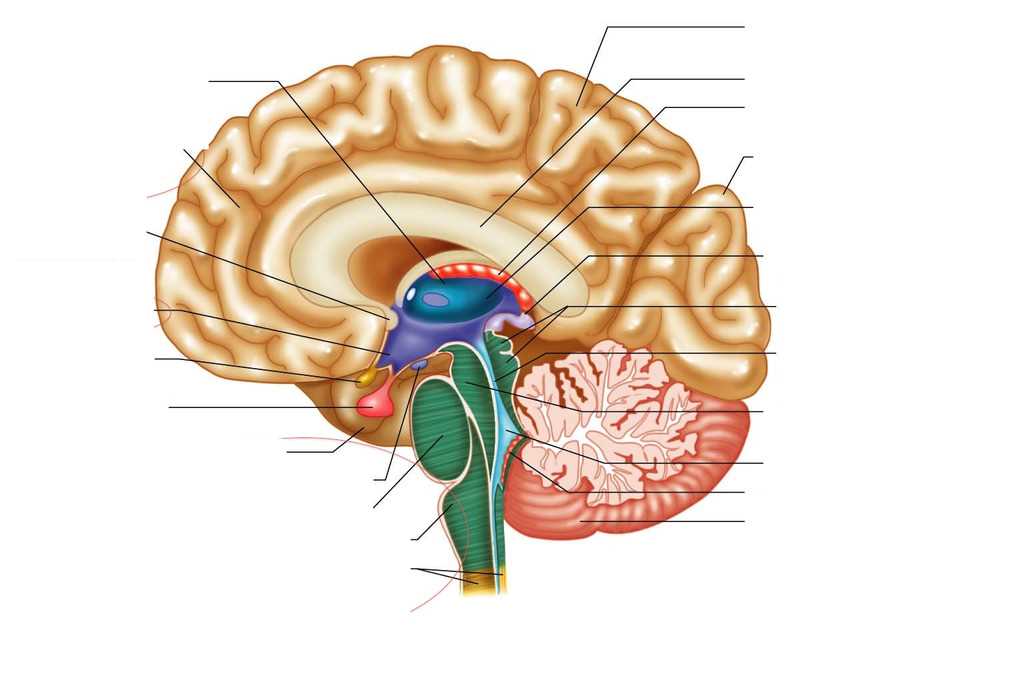
The final exam will consist of various sections that test different aspects of your knowledge. You can expect multiple-choice questions, short answer questions, and possibly some longer essay-style questions. The exam may also include diagrams or data analysis tasks that require you to interpret and analyze information. It is crucial to have a good understanding of both theoretical knowledge and practical skills, as the exam will assess your ability to apply concepts and demonstrate your understanding.
Some key topics that are commonly covered in the IB Biology final exam include cell biology, molecular biology, genetics, ecology, and evolution. It is important to review the main concepts and theories within each of these areas and be able to explain them clearly. Additionally, familiarize yourself with key experiments, scientists, and research studies that have contributed to our understanding of these topics.
To prepare for the IB Biology final exam, develop a study schedule that allows you to revise all the necessary material. Review your class notes, textbooks, and any additional resources provided by your teacher. Practice answering exam-style questions and seek feedback from your teacher or classmates to identify areas where you may need further clarification or practice. Creating flashcards, summarizing key concepts, and teaching the material to others can also be effective study strategies.
Remember to stay calm and focused during the exam. Read each question carefully, manage your time wisely, and answer all parts of the question. If you are unsure about a particular question, make an educated guess or provide as much relevant information as you can. Remember, your final exam is an opportunity to demonstrate your knowledge and understanding of IB Biology, so approach it with confidence!
The Basics of the IB Biology Final Exam
The IB Biology Final Exam is a comprehensive assessment that tests students’ knowledge and understanding of the key concepts covered throughout the course. It is designed to assess students’ ability to apply biological knowledge to analyze and solve problems, as well as their understanding of the scientific method and experimental techniques.
The exam consists of multiple choice questions, short answer questions, and extended response questions. The multiple choice section requires students to select the correct answer from a list of options and is designed to test their factual knowledge and understanding of basic biological concepts. The short answer questions require students to provide brief written responses that demonstrate their understanding of specific concepts, while the extended response questions require students to write longer, more detailed essays that analyze and evaluate complex biological issues.
- The exam covers a range of topics, including cell biology, genetics, ecology, and evolution.
- Students are expected to have a deep understanding of key biological concepts and be able to apply this knowledge to real-world scenarios.
- Studying past papers and practicing sample questions can help students familiarize themselves with the format and types of questions that may appear on the exam.
- It is important for students to review their course notes, textbooks, and other study materials to ensure they have a solid understanding of the content covered in the course.
- Time management is crucial during the exam, as students are often required to answer a large number of questions in a limited amount of time.
To succeed in the IB Biology Final Exam, students should focus on developing a deep understanding of the core concepts covered in the course, as well as their ability to apply this knowledge to analyze and solve real-world problems. By practicing sample questions, reviewing course notes, and managing their time effectively during the exam, students can maximize their chances of achieving a high score.
Essential Study Resources for the IB Biology Final Exam
Preparing for the IB Biology final exam can be a daunting task, but with the right study resources, you can feel confident and well-prepared. Here are some essential study resources that will help you ace the exam:
1. Textbooks:
Having a comprehensive and up-to-date biology textbook is crucial for understanding the key concepts and topics covered in the IB Biology curriculum. Make sure to read the assigned chapters thoroughly and take notes as you go to reinforce your understanding.
2. Class Notes:
Your class notes are a valuable resource for reviewing the material covered in class. Organize your notes by topic and create summaries or concept maps to help visualize the connections between different concepts. Use highlighters or different colors to emphasize important information.
3. Past Papers:
Practicing with past exam papers is essential for familiarizing yourself with the format and style of the IB Biology exam. Analyze the questions and mark schemes to identify the types of questions that are commonly asked and ensure you understand how to structure your answers to earn maximum points.
4. Online Resources:
Utilize online resources such as websites, videos, and interactive quizzes to supplement your learning. There are many websites and educational platforms that offer IB Biology resources, including study guides, revision notes, and practice questions. Use these resources to reinforce your understanding and test your knowledge.
5. Study Groups and Discussion Forums:
Collaborating with classmates in study groups or participating in online discussion forums can be beneficial for sharing knowledge, discussing concepts, and answering each other’s questions. Explaining concepts to others can also enhance your own understanding and retention of the material.
In conclusion, by using these essential study resources, you can effectively prepare for your IB Biology final exam. Remember to start early, pace yourself, and actively engage with the material to ensure success on the exam.
Key Topics to Review for the IB Biology Final Exam
As you prepare for your IB Biology final exam, it’s important to focus on key topics that will be covered in the test. These topics will serve as the foundation for your understanding of biology and will help you answer questions effectively.
1. Cell Structure and Function: Make sure to review the structure and function of different cell components such as the cell membrane, nucleus, mitochondria, and chloroplasts. In addition, understand the processes of cell division, including mitosis and meiosis.
2. Genetics: Familiarize yourself with the basic principles of genetics, such as Mendelian inheritance, genetic variation, and gene expression. Understand how genes are inherited and how variations can lead to different phenotypes.
3. Evolution: Review the concept of evolution, including natural selection and the mechanisms that drive it. Understand the evidence for evolution, such as fossil records, comparative anatomy, and molecular biology.
4. Ecology: Study ecological concepts like ecosystems, energy flow, nutrient cycles, and population dynamics. Understand the interactions between different organisms and their environment, including biotic and abiotic factors.
5. Human Physiology: Review the structure and function of major systems in the human body, such as the respiratory, circulatory, digestive, and nervous systems. Understand how these systems work together to maintain homeostasis.
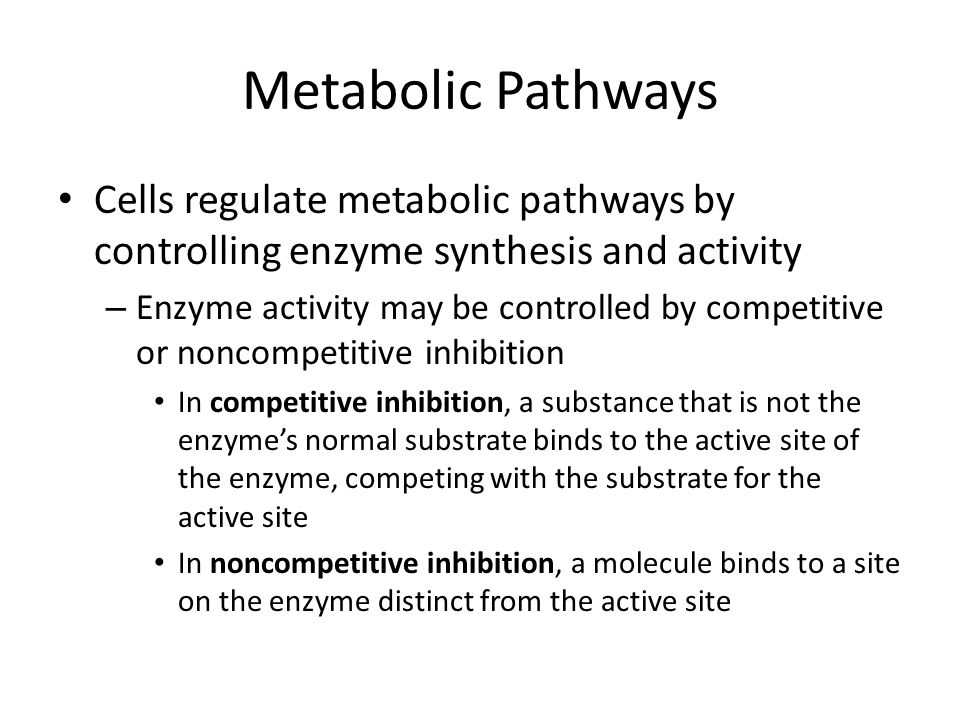
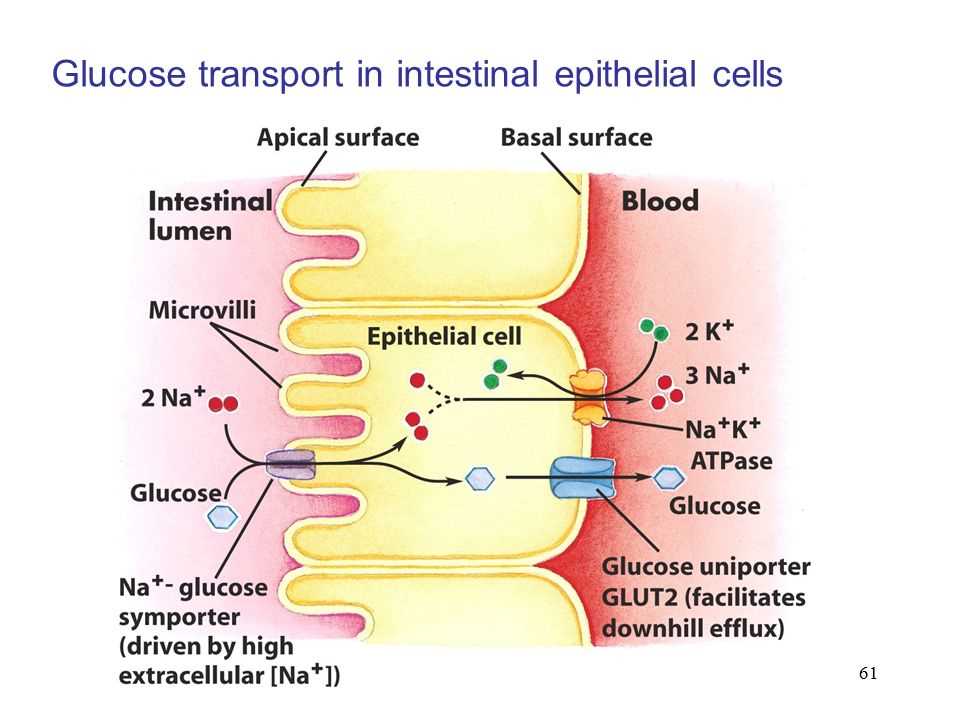
6. Biochemistry: Refresh your knowledge of important biochemical processes, including photosynthesis, cellular respiration, protein synthesis, and DNA replication. Understand the structure and function of macromolecules like carbohydrates, lipids, proteins, and nucleic acids.
7. Scientific Inquiry and Skills: Don’t forget to review the scientific process, experimental design, and data analysis. Be familiar with the different types of scientific investigation and how to interpret and evaluate scientific data.
By focusing on these key topics and reinforcing your understanding of fundamental biological concepts, you’ll be well-prepared for your IB Biology final exam.
Tips and Strategies for Success on the IB Biology Final Exam
The IB Biology final exam can be a challenging and comprehensive assessment of your knowledge and understanding of the subject. It is important to approach the exam with a strategic mindset and utilize effective study techniques to ensure success.
1. Start Early: Begin revising for the exam well in advance to allow yourself enough time to thoroughly review all the necessary material. Create a study schedule and stick to it, breaking down the topics into manageable chunks and dedicating specific time slots for each.
2. Understand the Assessment Criteria: Familiarize yourself with the assessment criteria for the exam, as it will help you structure your answers to meet the specific requirements of the examiners. Pay attention to the command terms used, such as “describe,” “explain,” or “evaluate,” and tailor your response accordingly.
3. Review Past Exams and Sample Questions: Practice makes perfect, so make sure to review past exam papers and sample questions to get a sense of the types of questions that may be asked. This will help you become familiar with the format and style of the exam, and allow you to identify any areas where you may need further clarification or study.
4. Focus on Understanding: Don’t just memorize facts and figures; strive to understand the underlying concepts and principles of biology. This will enable you to apply your knowledge to a variety of scenarios and answer questions more effectively.
5. Create Visual Aids: Utilize visual aids like diagrams, flowcharts, and concept maps to help organize and summarize complex information. Visualizing biological processes and relationships can aid in memory retention and enhance your ability to recall information during the exam.
6. Practice Active Recall: Test your knowledge by actively quizzing yourself on key concepts and vocabulary. This can be done through flashcards, practice quizzes, or even explaining concepts to a study partner. Active recall strengthens memory and improves your ability to recall information under exam conditions.
7. Seek Clarification: If you come across any topics or concepts that you find confusing or challenging, don’t hesitate to seek clarification from your teacher or classmates. Understanding these areas thoroughly will help you tackle any related questions on the exam with confidence.
8. Stay Calm and Manage Time: On the day of the exam, take deep breaths, stay calm, and approach each question with a clear and focused mindset. Manage your time effectively, allocating appropriate time to each question based on its weightage. Avoid spending too much time on a single question at the expense of others.
By following these tips and strategies, you can enhance your preparation and increase your chances of success on the IB Biology final exam. Remember to stay confident, trust in your knowledge, and approach the exam with a positive mindset.
How to Review and Prepare for the IB Biology Final Exam
Preparing for the IB Biology Final Exam requires a strategic approach to ensure success. Here are some tips to help you review and prepare effectively:
1. Organize your notes: Gather all your study materials, including class notes, textbooks, and handouts. Organize them in a way that makes sense to you, such as by topic or chapter. This will make it easier to review and identify any gaps in your understanding.
2. Review key concepts: Identify the key concepts and topics that will likely be covered on the exam. Use your class syllabus or textbook table of contents as a guide. Focus on understanding these concepts deeply, rather than memorizing facts. Use flashcards or concept maps to help reinforce your understanding.
3. Practice past exam questions: IB Biology exams often include questions that require critical thinking and application of knowledge. Practice answering past exam questions to familiarize yourself with the format and identify areas where you need additional practice. Pay attention to the mark schemes to understand how points are awarded.
4. Review labs and practical skills: IB Biology exams often include questions related to laboratory techniques and data interpretation. Review the labs you performed throughout the year and understand the purpose, procedure, and key findings of each. Practice analyzing and interpreting data from experiments.
5. Collaborate with classmates: Organize study groups with classmates to review and discuss difficult concepts. Teaching others can help solidify your own understanding, and hearing different perspectives and explanations can enhance your learning. Share notes, resources, and study strategies with your peers.
6. Create a study schedule: Allocate specific blocks of time for studying biology each day leading up to the exam. Break down your review into manageable chunks and follow a structured study schedule. Be consistent and disciplined in your approach to maximize your learning and retention.
7. Seek help when needed: If you are struggling with certain concepts or topics, don’t hesitate to seek help from your teacher, classmates, or online resources. Asking questions and seeking clarification will ensure that you have a solid understanding of the material before the exam.
By following these tips, you can review and prepare for the IB Biology Final Exam in a comprehensive and effective manner. Good luck!
Recommended Study Schedule for the IB Biology Final Exam
Preparing for the IB Biology final exam can be a daunting task, but with a well-planned study schedule, you can approach the exam with confidence. This recommended study schedule will help you effectively cover all the necessary topics and ensure you are fully prepared for the exam.
Week 1:
- Review the syllabus and make a list of all the topics covered in the course.
- Start with the most challenging topics first and dedicate a specific amount of time each day to study them.
- Create flashcards or summary sheets for each topic to help aid in memorization.
Week 2:
- Continue reviewing and practicing the challenging topics.
- Take practice exams or past IB Biology exams to familiarize yourself with the exam format and timing.
- Identify any weak areas and spend extra time studying those topics.
Week 3:
- Review the remaining topics, focusing on understanding the main concepts and connections between topics.
- Create a study group or find a study partner to discuss and review the material.
- Practice answering exam-style questions under timed conditions.
Week 4:
- Review all the topics again, paying extra attention to the details and specific examples.
- Revise the flashcards or summary sheets, adding any new information or clarifications.
- Take another practice exam to gauge your progress and identify any areas that still need improvement.
Final days:
- Focus on reviewing the most challenging topics and practicing exam-style questions.
- Get enough rest and sleep to ensure your mind is fresh and alert.
- Stay confident and believe in your preparation.
In conclusion, following this recommended study schedule will help you effectively prepare for the IB Biology final exam. By dedicating specific time each day to review and practice, identifying weak areas, and seeking support from study groups or partners, you can maximize your chances of success. Remember to stay organized, take breaks when needed, and stay positive throughout the studying process. Good luck!