Acls Self Assessment Answers 2026: Test Your Knowledge Now!
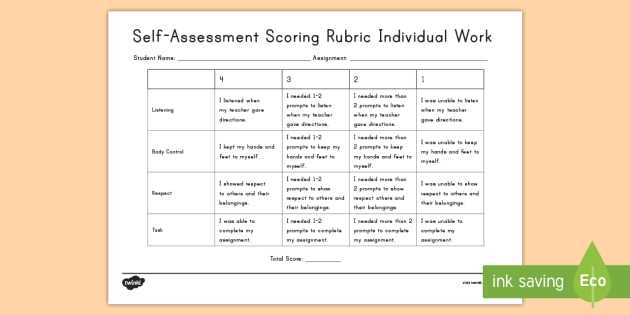
Are you preparing for the Advanced Cardiac Life Support (ACLS) certification exam? If so, it’s essential to test your knowledge and skills before taking the actual exam. By reviewing self-assessment questions and answers, you can identify areas where you may need to study further, ensuring you are fully prepared for the exam.
This article provides answers to the ACLS self-assessment questions for the year 2026. These answers are based on the latest guidelines and recommendations from the American Heart Association (AHA). By going through these answers, you will not only gauge your understanding of ACLS concepts, but also stay updated with the most current information in emergency cardiovascular care.
ACLS is a comprehensive training program that equips healthcare providers with the necessary skills to manage cardiac emergencies. It covers topics such as airway management, rhythm recognition, pharmacology, and resuscitation techniques. By self-assessing your knowledge, you can make sure you have a solid grasp of these topics and feel confident in your ability to respond effectively in high-stress situations.
Acls Self Assessment Answers 2026
Welcome to the Acls self assessment answers for the year 2026. This assessment is designed to test your knowledge and understanding of advanced cardiovascular life support (ACLS) principles and guidelines. By reviewing the correct answers, you can identify areas where you may need further study and improvement. Let’s dive in and explore the answers to some of the key questions from the assessment.
Question 1: What is the recommended first step in the management of an adult patient who presents with sudden cardiac arrest?
Answer: The recommended first step in the management of an adult patient with sudden cardiac arrest is to ensure scene safety and assess for responsiveness. This involves checking for any potential dangers in the environment and attempting to stimulate the patient to determine if they are conscious or responsive.
Question 2: What is the appropriate compression-to-ventilation ratio during adult CPR?
Answer: The appropriate compression-to-ventilation ratio during adult CPR is 30 compressions to 2 ventilations. High-quality compressions should be performed at a depth of at least 2 inches (5 centimeters) and at a rate of 100 to 120 compressions per minute.
Here are a few more key answers from the Acls self assessment for 2026:
- Question: What is the recommended medication for the treatment of ventricular fibrillation or pulseless ventricular tachycardia?
- Answer: The recommended medication for the treatment of ventricular fibrillation or pulseless ventricular tachycardia is epinephrine.
- Question: What is the initial energy level for defibrillation in an adult patient?
- Answer: The initial energy level for defibrillation in an adult patient is 120 to 200 joules.
By reviewing these answers and exploring the full assessment, you can further enhance your understanding of ACLS principles and guidelines, and ensure that you are well-prepared to provide effective cardiac support in emergency situations.
Please note that these answers are based on the current ACLS guidelines for the year 2026 and may be subject to updates or changes in future editions.
Importance of ACLS Self Assessment
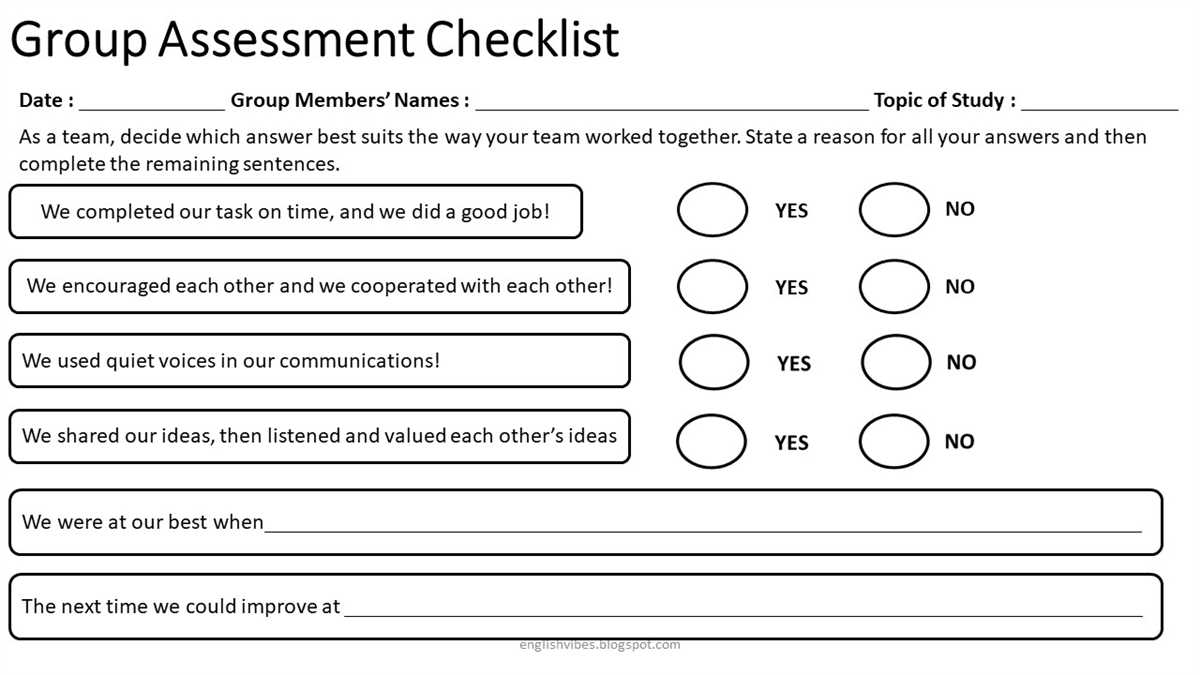
ACLS self assessment is a crucial step in ensuring that healthcare professionals are confident and competent in providing advanced cardiac life support. It allows individuals to evaluate their knowledge, skills, and abilities in managing cardiovascular emergencies and identify areas where further improvement is needed.
By engaging in self assessment, healthcare professionals can stay updated with the latest guidelines and protocols in ACLS. It helps them identify knowledge gaps and areas where they may need additional training or practice. This self reflection is essential for maintaining the highest level of patient care and ensuring optimal outcomes in emergency situations.
Self assessment also plays a vital role in maintaining certification and licensure requirements. Most healthcare organizations and regulatory bodies require healthcare professionals to demonstrate ongoing competency in ACLS. By regularly assessing their knowledge and skills, professionals can ensure they meet these requirements and continue to provide safe and effective care to their patients.
In addition, self assessment allows professionals to identify areas for professional growth and development. It provides an opportunity to set goals and create a plan for continuing education and improvement. By constantly evaluating and updating their skills, healthcare professionals can remain at the forefront of advancements in ACLS and provide the best possible care to their patients.
Overall, ACLS self assessment is a crucial component of professional development for healthcare professionals. It allows individuals to stay updated with the latest guidelines, identify knowledge gaps, and create a plan for continuous improvement. By investing time and effort in self assessment, healthcare professionals can ensure they are providing the highest standard of care in emergency situations.
Understanding ACLS Self Assessment Questions
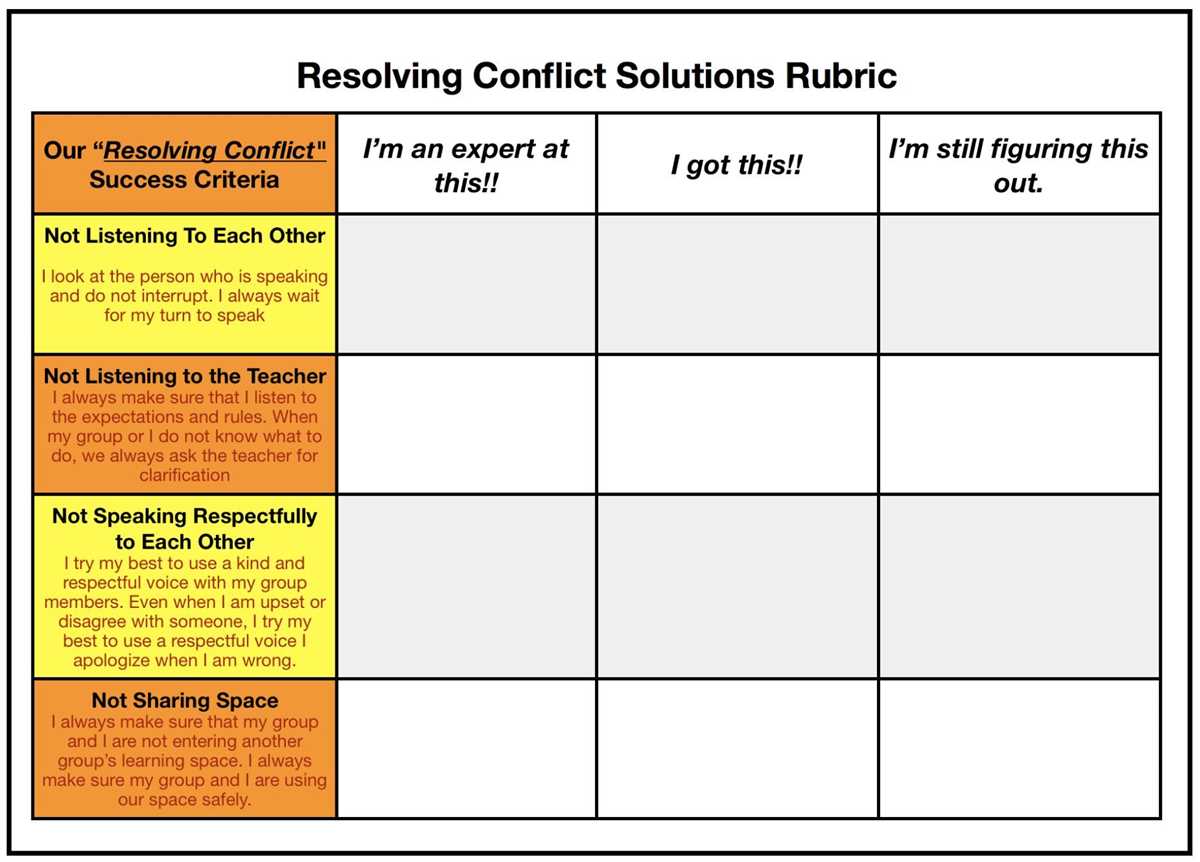
ACLS (Advanced Cardiac Life Support) certification is a crucial requirement for healthcare professionals in order to effectively manage and respond to cardiac emergencies. The self-assessment questions provided in the ACLS certification exams help evaluate the individual’s knowledge and understanding of the core concepts and protocols.
These self-assessment questions cover various aspects of ACLS, including cardiac rhythms, defibrillation, pharmacology, and team dynamics. They are designed to test the candidate’s ability to identify and respond to life-threatening situations, interpret EKG rhythms, administer appropriate medications, and effectively communicate and collaborate with the healthcare team.
One key aspect of understanding ACLS self-assessment questions is knowing the rationale behind each answer choice. It is important to not only memorize the correct answers but also comprehend the underlying principles and evidence-based practices. This enables healthcare professionals to make informed decisions and provide optimal care to patients during critical situations.
When approaching ACLS self-assessment questions, it is essential to carefully read each question and all the answer choices. Pay attention to key details and clues within the question stem, such as the patient’s symptoms, EKG findings, or response to interventions. This helps in narrowing down the possible answer choices and selecting the most appropriate option.
Furthermore, practicing ACLS self-assessment questions regularly can help healthcare professionals identify their areas of weakness and focus on improving their knowledge and skills in those particular areas. It is recommended to review the rationales and explanations provided for both correct and incorrect answer choices, as this helps in reinforcing the understanding of ACLS concepts and protocols.
Overall, understanding ACLS self-assessment questions is vital for healthcare professionals seeking ACLS certification. It requires a thorough grasp of the core concepts, strong analytical skills, and the ability to apply knowledge in real-life scenarios. Regular practice and continuous learning are key to mastering ACLS and providing optimal care to patients in cardiac emergencies.
Tips for Preparation and Taking the ACLS Self Assessment
Preparing for the ACLS self assessment can be a daunting task, but with the right strategies and tools, it can be a manageable and successful experience. Here are some tips to help you prepare effectively and confidently approach the assessment:
1. Familiarize yourself with the ACLS algorithms and guidelines
One of the key components of the ACLS self assessment is your knowledge of the ACLS algorithms and guidelines. Make sure you have a solid understanding of the different algorithms, including those for cardiac arrest, bradycardia, tachycardia, and respiratory emergencies. Review the latest ACLS guidelines to ensure you are up to date with the current evidence-based practices.
2. Utilize online resources and study guides
There are plenty of online resources and study guides available that can help you prepare for the ACLS self assessment. These resources often include practice questions, case studies, and interactive tools to reinforce your knowledge and test your understanding. Take advantage of these resources to supplement your studying and build confidence in your abilities.
3. Practice scenarios and simulations
One of the best ways to prepare for the practical component of the ACLS self assessment is to practice scenarios and simulations. This could involve performing cardiopulmonary resuscitation (CPR), defibrillation, or administering medication in a simulated setting. Working through these scenarios will not only improve your technical skills but also help you develop critical thinking and decision-making abilities under pressure.
4. Take time to review and analyze your performance
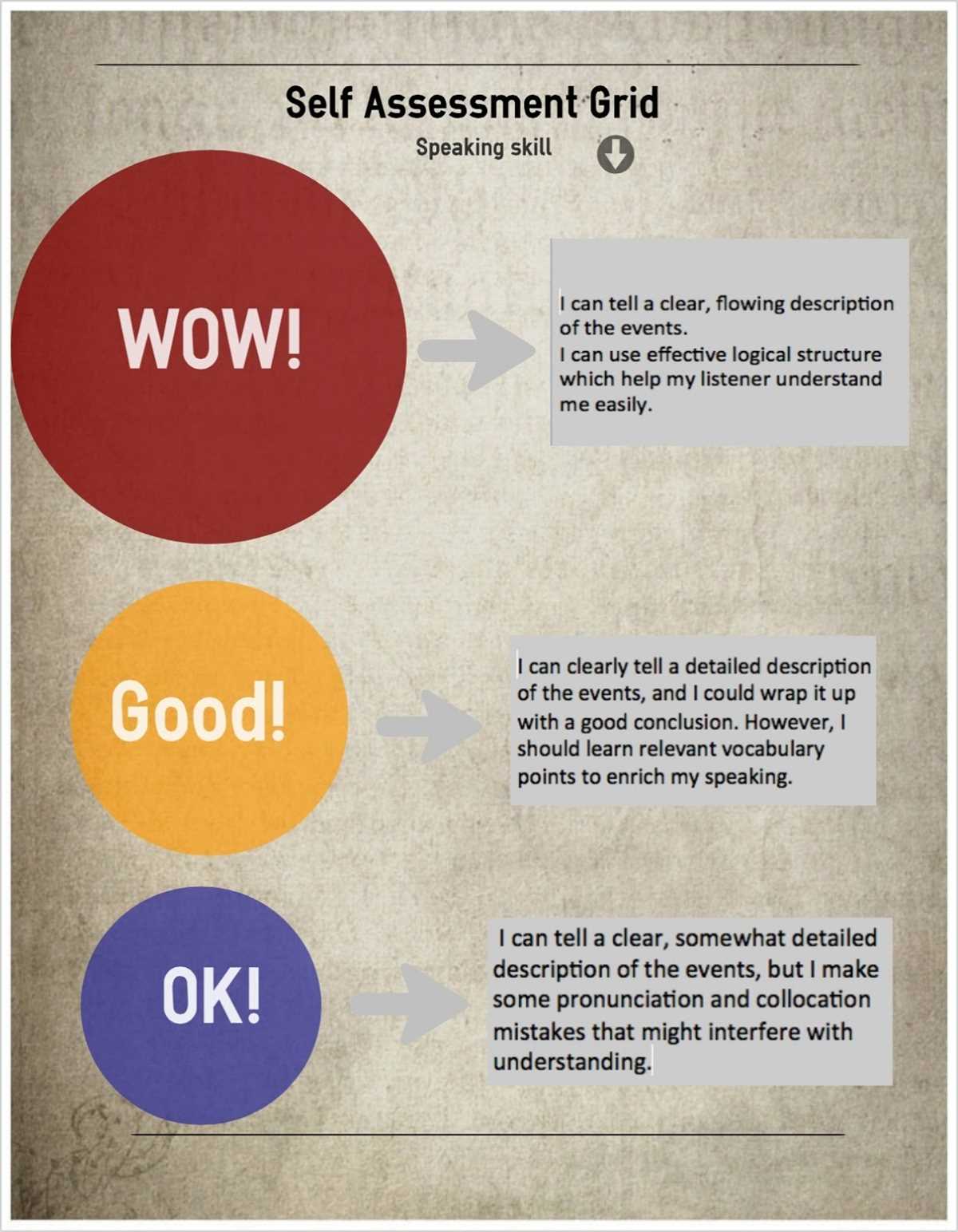
After completing the ACLS self assessment, take time to review and analyze your performance. Identify areas where you excelled and areas where you need improvement. This reflection will give you valuable insights into your strengths and weaknesses, allowing you to focus your studying efforts on areas that need more attention.
By following these tips and putting in the necessary time and effort, you can feel confident in your preparation for the ACLS self assessment. Remember to stay focused, manage your time effectively, and approach the assessment with a calm and composed mindset. Good luck!
Common Mistakes to Avoid in ACLS Self Assessment
When preparing for an ACLS self assessment, it is important to be aware of common mistakes that many people make. These mistakes can hinder your performance and prevent you from achieving a passing score. By understanding what these mistakes are, you can avoid them and increase your chances of success.
1. Memorizing instead of understanding:
One common mistake is simply memorizing the algorithms and protocols without truly understanding the underlying concepts. It is important to have a deep understanding of the physiology and rationale behind each step in order to apply the knowledge effectively in a real-life scenario. Memorization alone may not be sufficient for critical thinking and decision-making during a high-stress situation.
2. Lack of practice:
Another mistake is not practicing enough. ACLS requires hands-on skills, such as performing CPR, defibrillation, and administering medications. Simply reading the material or watching instructional videos is not enough. Regularly practicing these skills in a simulated environment will improve your muscle memory and ability to perform under pressure.
3. Neglecting to review updated guidelines:
ACLS guidelines are constantly updated to reflect the latest evidence and best practices. Failing to review these updates can result in using outdated information and protocols. It is crucial to stay up to date with the current guidelines to ensure you are providing the best care possible.
4. Not seeking feedback:
Many individuals overlook the importance of seeking feedback during their ACLS self assessment preparation. Getting input from instructors, peers, or mentors can provide valuable insights into areas where you may need improvement. Constructive feedback can help you identify your weaknesses and focus your studying efforts accordingly.
5. Cramming at the last minute:
Lastly, one of the most detrimental mistakes is waiting until the last minute to study and cramming all the information in a short period of time. ACLS is a complex subject that requires a solid foundation of knowledge and skills. It is far more effective to study consistently over time instead of trying to absorb everything in a rush. Give yourself enough time to review and practice thoroughly.
By avoiding these common mistakes, you can approach your ACLS self assessment with confidence and increase your chances of passing. Focus on understanding the material, practicing regularly, staying updated with guidelines, seeking feedback, and managing your study time effectively. Good luck!
Interpreting and Analyzing ACLS Self Assessment Results
When you complete the ACLS self assessment, it is important to take the time to interpret and analyze your results. This will help you identify areas of strength and weakness, allowing you to focus your further study and practice on areas that need improvement. By understanding your performance on the self assessment, you can develop a targeted approach to enhancing your ACLS knowledge and skills.
One way to interpret your self assessment results is to compare your scores to the passing score required for ACLS certification. This will give you an indication of whether you are currently meeting the standards set by the American Heart Association. If your scores are lower than the passing score, it may be necessary to dedicate more time to studying and practicing ACLS concepts. On the other hand, if your scores are above the passing score, you can feel confident in your current level of knowledge and focus on maintaining and reinforcing your skills.
Key areas to analyze
- Identification of cardiac rhythms: Assess your ability to recognize and interpret different cardiac rhythms. Look for any patterns of confusion or difficulty in identifying specific rhythms.
- Application of ACLS algorithms: Review your understanding and application of ACLS algorithms. Identify any algorithms that you struggled with or need to review further.
- Management of cardiac emergencies: Evaluate your knowledge and skills in managing different cardiac emergencies, such as cardiac arrest or bradycardia. Identify any areas where you felt uncertain or lacked confidence.
- Medication knowledge: Assess your understanding of the indications, dosages, and administration of ACLS medications. Identify any medications that you need to further study or become more familiar with.
- Decision-making and teamwork: Reflect on your ability to make appropriate decisions and work effectively as a member of a team during simulated ACLS scenarios. Identify any areas where you need to improve your decision-making skills or enhance your teamwork.
By carefully analyzing your ACLS self assessment results, you can create a targeted plan for further study and practice. This will help you enhance your knowledge, skills, and confidence in providing effective advanced cardiac life support.
Improving Knowledge and Skills after ACLS Self Assessment
After completing the ACLS self-assessment, it is important to reflect on the results and identify areas for improvement. Taking the time to enhance our knowledge and skills in the areas where we scored lower can greatly impact our ability to provide quality care in emergency situations.
Continuing Education
One of the most effective ways to improve our knowledge and skills is through continuing education. Taking advanced life support courses, attending conferences, and participating in workshops can provide us with the latest updates and advancements in ACLS protocols and procedures.
Engaging in regular self-study is also crucial for staying up-to-date with the latest guidelines and guidelines changes. There are numerous online resources, textbooks, and review courses available to help us reinforce our understanding of ACLS concepts.
Simulation and Practice
Another valuable way to improve our skills after an ACLS self-assessment is through simulation and practice. Participating in realistic scenarios and role-playing exercises allows us to apply our knowledge in a controlled environment, helping us to develop critical thinking and decision-making skills.
Collaborating with colleagues and participating in mock code blue scenarios can also provide an opportunity to refine our teamwork and communication skills, which are essential in the high-stress and time-sensitive situations encountered during ACLS interventions.
Seeking Feedback
It is important to seek feedback from peers, mentors, and instructors to gain different perspectives and insights into our performance. Constructive criticism can help us identify areas for improvement and actively work towards enhancing our skills.
Additionally, opportunities for mentorship and observation can provide valuable learning experiences. Shadowing experienced ACLS providers and seeking guidance from experts in the field can offer unique insights and strategies for improving our approach to emergency situations.
Conclusion
Completing an ACLS self-assessment is the first step towards improving our knowledge and skills. By engaging in continuing education, simulation and practice, and seeking feedback, we can actively work towards enhancing our abilities as ACLS providers, ensuring the best possible outcomes for our patients. Continued dedication to learning and improvement not only benefits us as individuals but also contributes to the overall improvement of emergency care.
Q&A:
What steps can I take to improve my knowledge and skills after completing an ACLS self-assessment?
There are several steps you can take to improve your knowledge and skills after completing an ACLS self-assessment. First, review the areas in which you scored lower and focus on studying those topics in more detail. You can also consider taking additional courses or attending conferences to deepen your understanding and learn new techniques. Finally, incorporating regular practice sessions and simulated scenarios into your training can help reinforce your skills and boost your confidence.
Are there any online resources that can help me improve my knowledge and skills after an ACLS self-assessment?
Yes, there are many online resources available to help you improve your knowledge and skills after an ACLS self-assessment. Websites such as the American Heart Association (AHA) and various medical journals often provide free educational materials, practice exams, and case studies. Additionally, there are online forums and discussion boards where healthcare professionals can connect and share their experiences and insights.
Should I consider pursuing further certifications or advanced training after completing an ACLS self-assessment?
It depends on your career goals and professional development aspirations. Pursuing further certifications or advanced training can demonstrate your dedication to continuous learning and may open up new opportunities for career advancement. If you are interested in specializing in a specific area of healthcare, additional certifications or training can help you gain the necessary expertise and credibility.
How can I ensure that my knowledge and skills after an ACLS self-assessment are up-to-date?
To ensure that your knowledge and skills are up-to-date after an ACLS self-assessment, it is important to stay current with the latest guidelines and research in emergency cardiovascular care. This can be done by regularly attending continuing education courses, subscribing to reputable medical journals, and participating in professional conferences and workshops. Additionally, actively seeking out opportunities to practice your skills and staying engaged with your professional network can help you stay on top of the latest advancements in ACLS.
Is it beneficial to participate in mock code scenarios or simulations to improve my knowledge and skills after an ACLS self-assessment?
Yes, participating in mock code scenarios or simulations can be highly beneficial in improving your knowledge and skills after an ACLS self-assessment. These realistic simulations allow you to apply your theoretical knowledge in a practical setting, helping you become more confident and proficient in managing cardiac emergencies. Mock code scenarios also provide valuable opportunities for team collaboration and communication, which are essential skills in emergency situations.
What is ACLS Self Assessment?
ACLS (Advanced Cardiovascular Life Support) Self Assessment is a test or exam that healthcare professionals take to evaluate their knowledge and skills in managing advanced cardiac life support scenarios. It is designed to assess their competence in ACLS algorithms, emergency interventions, and decision-making abilities.