Mastering Chapter 1: Complete Study Guide Answers for AP Human Geography
In the study of human geography, it is important to understand the various theories and concepts that help explain patterns and processes in human societies. One of the key topics in this field is the study of population. This chapter serves as a study guide, providing answers to commonly asked questions and important points to remember about population geography.
Population geography is the study of the spatial distribution and variation of populations across the Earth’s surface. This field helps us understand how and why populations are distributed the way they are, as well as the factors that influence population growth and decline.
One of the key questions in population geography is: what factors contribute to population growth or decline? There are several factors that affect population growth, including birth rates, death rates, and migration. Birth rates refer to the number of live births per 1,000 people in a population over a specific time period. Death rates, on the other hand, refer to the number of deaths per 1,000 people in a population over a specific time period. Migration refers to the movement of people from one place to another.
Ap Human Geography Chapter 1 Study Guide Answers
In the field of Ap Human Geography, Chapter 1 covers various essential concepts related to the study of human geography. This study guide provides answers to key questions and highlights important points from the chapter.
Key Terms:
- Human geography: The study of where and why human activities are located in particular places and how people make sense of those locations.
- Globalization: The process of intensified interaction among peoples, economies, and cultures of different parts of the world.
- Space: The physical gap or interval between two objects.
- Place: A specific point on Earth with human and physical characteristics that distinguish it from other points.
- Region: An area of Earth defined by one or more distinctive characteristics.
- Scale: The relationship between the portion of Earth being studied and Earth as a whole.
- Connection: Relationships between people and objects across space.
Key Questions and Answers:
- What are the main features of human geography?
Human geography focuses on understanding the patterns and processes that shape human activities, their relationship to the environment, and their impact on various scales. - How does globalization affect human geography?
Globalization has led to increased interconnectedness, mobility, and the exchange of goods, services, and ideas across the globe, influencing cultural practices and economic activities. - What is the difference between space and place in human geography?
While space refers to the physical gap between objects, place encompasses the unique characteristics and meanings attributed to a specific location by people and their activities. - Why is the concept of scale important in human geography?
Scale helps human geographers understand the different perspectives and impacts of processes and phenomena at various levels, from local to global. - How do connections influence human geography?
Connections play a crucial role in shaping human geography by facilitating the movement of people, goods, and ideas, and by creating social, economic, and cultural relationships between different places.
In conclusion, studying Ap Human Geography Chapter 1 provides a foundation for understanding the fundamental concepts and principles of human geography. By exploring key terms, answering important questions, and grasping the significance of space, place, region, scale, and connections, students can develop a solid understanding of the discipline and its relevance to the world.
Overview of AP Human Geography
AP Human Geography is a course that explores the patterns and processes that shape the human experience on Earth. It examines how people and their activities are distributed across the planet, how they interact with their environments, and how they create and change the places they inhabit. This course is designed to provide students with a comprehensive understanding of the spatial patterns and relationships between different human societies and the physical environment.
Key Concepts:
- Cultural Patterns and Processes
- Political Organization of Space
- Economic Systems and Development
- Migration
- Population and Health
- Urbanization
- Environmental and Resource Use
In AP Human Geography, students will study various topics such as population growth, migration patterns, cultural diffusion, urban planning, and the impact of globalization on local communities. They will learn how to analyze maps, use geographic information systems (GIS), and interpret data to understand the spatial relationships between different societies and their environments.
Course Objectives:
- Develop an understanding of the concepts, theories, and methods used in human geography
- Analyze patterns and processes of human population distribution and migration
- Examine the cultural, economic, and political impacts of globalization
- Understand the role of the environment in shaping human societies
- Apply geographic knowledge and skills to real-world issues and case studies
By studying AP Human Geography, students will gain a greater appreciation for the complex interactions between humans and their environment. They will develop critical thinking skills, spatial analysis skills, and an understanding of the diverse cultural, economic, and political systems that shape our world.
Key Concepts in AP Human Geography
AP Human Geography is a course that explores the patterns and processes that shape human societies. It encompasses a wide range of topics, including population, migration, culture, political geography, urbanization, and economic development. Understanding these key concepts is essential for success in the course and on the AP exam.
Population: Understanding population dynamics is crucial in AP Human Geography. Key concepts in this area include birth rates, death rates, fertility rates, population growth, and population density. Demographic transitions and population pyramids are also important topics to grasp.
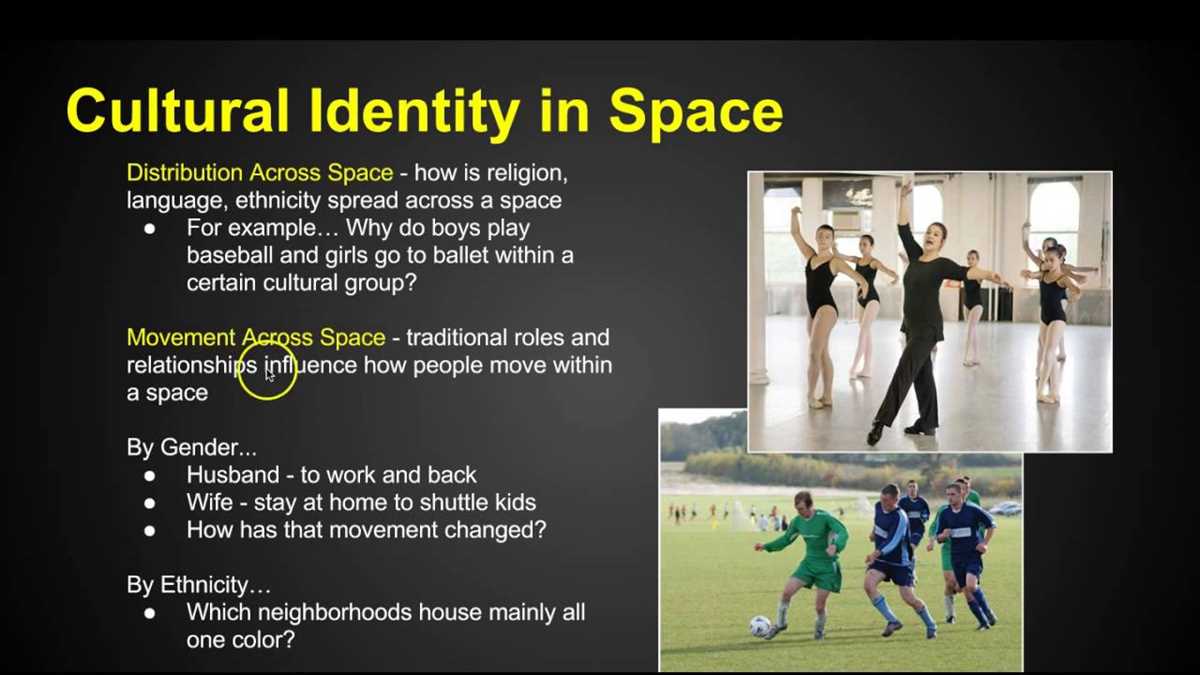
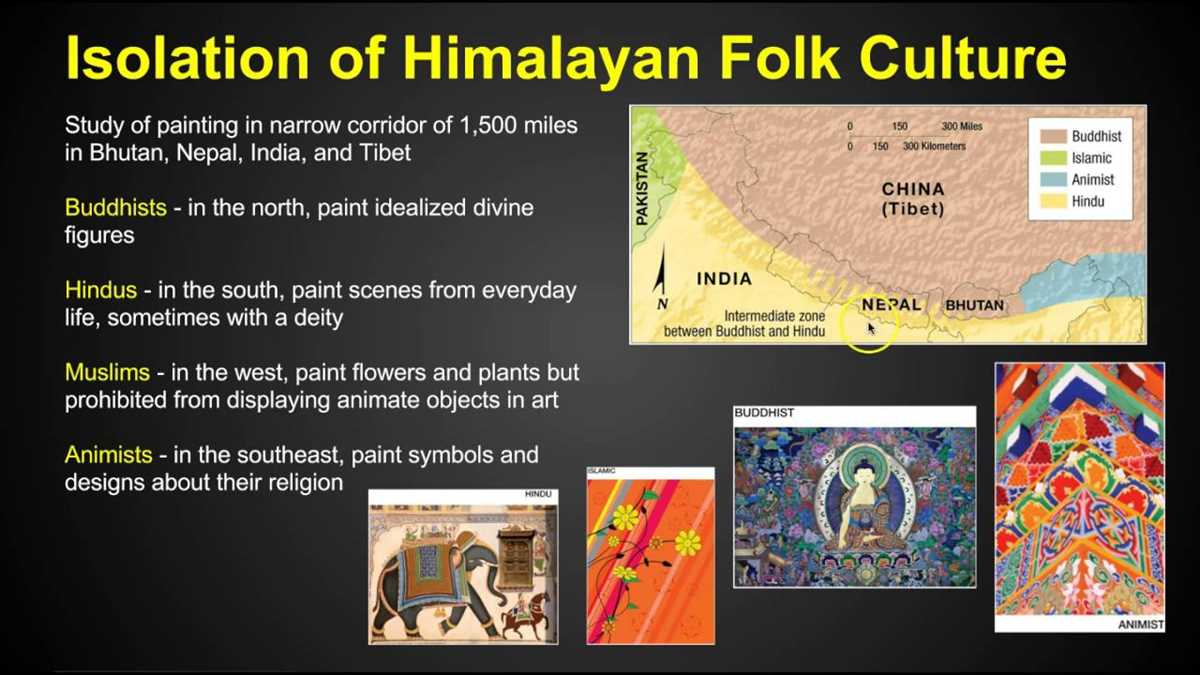
Culture: Culture shapes the ways in which people interact with their environment and with each other. Key concepts in this area include language, religion, ethnicity, and gender. Cultural landscapes, cultural diffusion, and cultural relativism are also important topics to understand in order to analyze how different societies function.
- Migration: The movement of people is a major factor in shaping human geography. Key concepts in this area include push and pull factors, internal and international migration, refugees, immigration policies, and the consequences of migration on both sending and receiving populations.
- Political Geography: The study of political geography focuses on the organization and distribution of political power. Key concepts in this area include states, nation-states, nation-state building, sovereignty, boundaries, and territoriality. Geopolitics and the impact of political decisions on human geography are also important topics to grasp.
- Urbanization: The growth and development of cities have a significant impact on human geography. Key concepts in this area include urban sprawl, urban planning, the social, economic, and environmental impacts of urbanization, and the challenges that arise in urban areas.
- Economic Development: Understanding the patterns and processes of economic development is crucial in AP Human Geography. Key concepts in this area include economic systems, industrialization, income inequality, globalization, and the impacts of economic activities on both local and global scales.
By mastering these key concepts, students will be able to analyze and interpret the patterns and processes that shape human societies. These concepts provide a framework for understanding how different factors interact and influence human geography. In AP Human Geography, students will explore these key concepts in depth to develop a comprehensive understanding of the subject.
Understanding Spatial Relationships
In the field of human geography, understanding spatial relationships is an essential skill. Spatial relationships refer to the physical location and arrangement of objects, people, and places on Earth’s surface. By analyzing spatial relationships, geographers can gain insights into how and why certain patterns and connections exist.
One key concept in understanding spatial relationships is distance. Geographers study the distance between two or more points in order to understand how they are related. This can include measuring the physical distance between places, as well as analyzing the travel time or cost required to move between them. Understanding distance helps geographers study patterns of migration, trade, and transportation.
Another important aspect of spatial relationships is scale. Scale refers to the level of analysis or perspective used when studying an area. Geographers can examine spatial relationships at different scales, from the local level of a neighborhood or city, to the global level of the entire planet. Each scale provides a different perspective and helps geographers understand how different factors interact within a given area.
Geographers also consider the concept of proximity when studying spatial relationships. Proximity refers to the nearness of one place to another. Geographers analyze the proximity of different places to understand the connections and interactions between them. Factors such as physical proximity, cultural similarities, and economic ties can all influence spatial relationships.
In conclusion, understanding spatial relationships is crucial in the field of human geography. By analyzing distance, scale, and proximity, geographers can gain valuable insights into the patterns and connections that exist on Earth’s surface. This knowledge can be applied to various areas of study, such as urban planning, environmental management, and economic development.
The Importance of Maps and Mapping
Maps and mapping play a crucial role in our understanding of the world and its various features. They provide us with a visual representation of the Earth’s surface, allowing us to navigate, explore, and communicate information about different places.
Accuracy and Precision: Maps are created using precise measurements and techniques to accurately depict the physical and human features of a particular area. This enables us to have an accurate understanding of the spatial distribution of different phenomena, such as population density, land use patterns, and natural resources.
Communication and Visualization: Maps serve as powerful tools for communication, allowing us to convey complex information in a visual and easily understandable format. They enable us to visualize and analyze spatial relationships, patterns, and trends. Maps also facilitate the sharing of knowledge and information between individuals, communities, and nations.
Exploration and Navigation: Maps are essential for exploration and navigation, providing us with a means to navigate unfamiliar territories and plan routes. They help us locate and access different places, whether it’s finding the shortest route to a destination or exploring new areas for research or leisure purposes.
Planning and Decision-Making: Maps are crucial in the process of planning and decision-making. They help us identify suitable locations for development projects, analyze the impact of certain decisions on the environment or society, and predict future trends and scenarios. Maps also assist in emergency management and disaster planning by visualizing hazards and vulnerable areas.
Understanding Spatial Patterns: Maps allow us to study and understand spatial patterns and phenomena. By examining the distribution of features such as population, land use, and natural resources, we can identify spatial relationships, connections, and disparities. Mapping enables us to analyze patterns over time, detect changes, and make informed decisions based on spatial data.
In conclusion, maps and mapping are essential tools for understanding the world around us. They provide us with accurate information, aid in communication and visualization, facilitate exploration and navigation, support planning and decision-making, and help us understand spatial patterns and relationships. Without maps, our understanding of the world would be limited, and many important insights and discoveries would be inaccessible.
Human Population and Migration
Human population and migration are fundamental topics in the field of ap human geography. Understanding the patterns and dynamics of population growth and movement is crucial for analyzing the social, economic, and environmental factors that shape our world. Population growth refers to the increase in the number of individuals in a population over time. It is influenced by factors such as birth rates, death rates, and migration.
In terms of population distribution, the world is unevenly populated. Some regions, such as East Asia and South Asia, have high population densities, while others, like North America and Australia, have low population densities. The growth and distribution of the human population have profound implications for resource allocation, urban planning, and environmental sustainability.
Migration is another important aspect of human geography. It refers to the movement of people from one place to another. People migrate for various reasons, including economic opportunities, political instability, and cultural factors. Migration can be internal, within a country, or international, between countries. It can have both positive and negative impacts on the regions and communities involved.
Key concepts related to human population and migration include:
- Population growth rates and factors influencing them
- Population distribution and density
- Migration patterns and causes
- Push and pull factors
- Refugees and internally displaced persons
- Impacts of migration on origin and destination regions
Studying human population and migration allows us to gain insights into the complex interactions between people and their environment. It helps us understand how societies and cultures evolve, and how human activities shape the world we live in. By analyzing population trends and migration patterns, we can also identify challenges and opportunities for sustainable development and social integration.
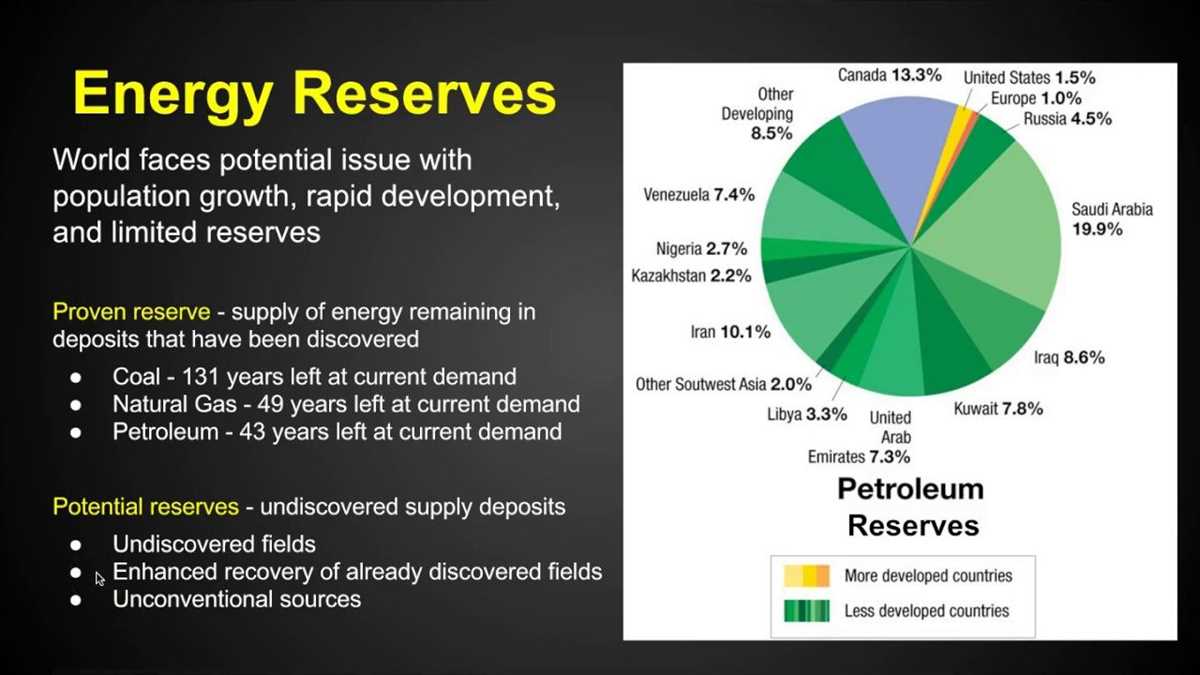
Impact of Human Activities on the Environment
Human activities have a profound impact on the environment, causing major changes in ecosystems and natural resources. These impacts arise from various activities such as industrialization, urbanization, deforestation, pollution, and over-exploitation of natural resources.
1. Industrialization
Industrialization has led to the growth of factories and increased production of goods to meet the growing demands of the population. However, it has also resulted in pollution and the release of harmful chemicals into the air, water, and soil. This has led to negative consequences such as air and water pollution, habitat destruction, and climate change.
2. Urbanization
The rapid growth of cities and urban areas has resulted in the destruction of natural habitats and ecosystems. Forests, wetlands, and other natural areas are often converted into residential and commercial spaces, leading to the loss of biodiversity and disruption of ecosystems. Urbanization also results in increased energy consumption, waste generation, and pollution.
3. Deforestation
Deforestation, primarily driven by the expansion of agriculture, logging, and urbanization, leads to the permanent loss of forests and their biodiversity. It results in soil erosion, loss of habitat for wildlife, and contributes to climate change by reducing the Earth’s ability to absorb carbon dioxide.
4. Pollution
Pollution from various sources such as industrial emissions, vehicle emissions, agricultural practices, and improper waste disposal has significant impacts on the environment. Air pollution contributes to respiratory diseases and climate change, while water pollution leads to water scarcity and the destruction of aquatic ecosystems. Soil pollution affects agricultural productivity and poses risks to human health.
5. Over-exploitation of natural resources
Human activities often involve the over-exploitation of natural resources such as minerals, fossil fuels, and water. This leads to resource depletion, habitat destruction, and the loss of biodiversity. Overfishing, for example, can disrupt marine ecosystems and threaten the survival of numerous species.
In conclusion, human activities have a significant impact on the environment and its resources. It is important for individuals, communities, and governments to adopt sustainable practices and make conscious efforts to reduce their ecological footprint. Only through responsible actions, conservation efforts, and the promotion of sustainable development can we mitigate the negative impacts of human activities and ensure a healthier and more sustainable future for our planet.
Q&A:
What is the impact of deforestation on the environment?
Deforestation leads to the loss of habitat for many species, contributes to climate change by reducing the amount of carbon dioxide that can be absorbed from the atmosphere, and can lead to soil erosion and water pollution.
How does pollution affect the environment?
Pollution can harm ecosystems, contaminate water sources, degrade air quality, and contribute to climate change. It can also have negative impacts on human health and well-being.
What are the consequences of climate change on the environment?
Climate change can lead to rising sea levels, more frequent and intense natural disasters, loss of biodiversity, and disruptions to ecosystems and agricultural systems. It can also impact human health, water resources, and the economy.
How does overfishing affect marine ecosystems?
Overfishing can deplete fish populations, disrupt marine food chains, and lead to the collapse of marine ecosystems. It can also have negative impacts on coastal communities and the fishing industry.
What is the impact of industrial agriculture on the environment?
Industrial agriculture can lead to deforestation, habitat loss, water pollution, soil degradation, and the loss of biodiversity. It can also contribute to climate change through greenhouse gas emissions.
What is the impact of deforestation on the environment?
Deforestation leads to the loss of forest cover, which is vital for the environment. It disrupts the carbon cycle and contributes to climate change. Deforestation also diminishes biodiversity, as many species lose their habitat. Additionally, it can lead to soil erosion, water pollution, and increased flooding in surrounding areas.
How does pollution from human activities affect the environment?
Pollution from human activities such as industrial emissions, vehicle exhaust, and improper waste disposal can have severe detrimental effects on the environment. Air pollution contributes to respiratory illnesses and climate change. Water pollution kills aquatic life and contaminates drinking water sources. Soil pollution affects crop growth and can harm ecosystems. Overall, pollution reduces the quality of life for humans and damages the natural environment.