Unraveling the Epic: Exploring Beowulf Questions and Answers
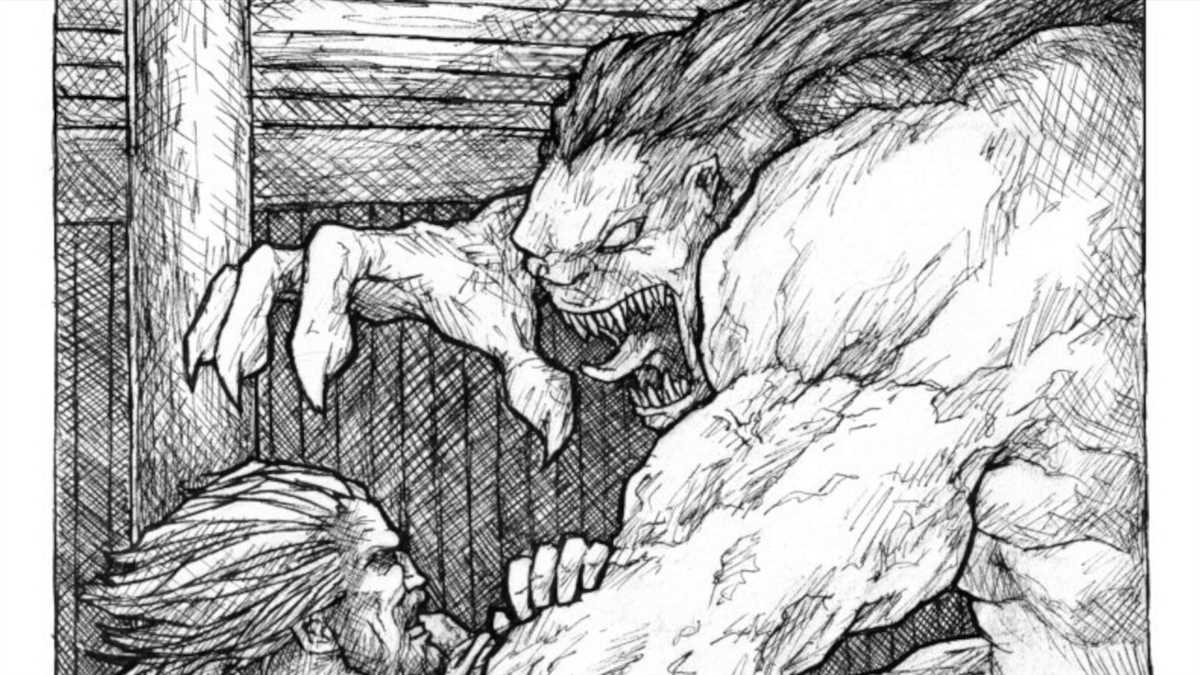
Beowulf is one of the most famous and influential pieces of literature in the Western canon. Written in Old English, this epic poem tells the story of a hero named Beowulf who travels from his homeland to help a kingdom plagued by monsters. The poem is filled with thrilling battles, larger-than-life characters, and deep themes of honor, loyalty, and the struggle between good and evil.
As with any great work of literature, Beowulf raises many questions and invites readers to explore its complexities. In this article, we will delve into some of the most pressing questions that arise from reading Beowulf, and attempt to provide insightful answers.
What is the significance of Beowulf’s heroic deeds? How do they contribute to the overall theme of the poem? Why is it important that Beowulf defeats the monsters? These are just a few of the questions we will explore as we delve into the world of Beowulf. Join us on this journey as we seek to unravel the mysteries of this ancient epic and discover what lessons it still holds for us today.
Beowulf Questions and Answers
Beowulf, an epic poem from the Anglo-Saxon period, tells the story of a legendary hero who battles monsters and dragons. Here are some common questions and answers about Beowulf:
1. Who wrote Beowulf?
Beowulf is an anonymous poem, and its author is unknown. The poem was likely composed by an Anglo-Saxon poet in the late 8th or early 9th century.
2. What is the story of Beowulf?
The poem tells the story of Beowulf, a Geatish warrior who comes to the aid of Hrothgar, the king of the Danes. Hrothgar’s kingdom is terrorized by a monster named Grendel, who Beowulf successfully defeats. Beowulf later faces other challenges, including battling Grendel’s mother and a dragon.
3. What is the main theme of Beowulf?
One of the main themes in Beowulf is heroism. Beowulf embodies the ideals of a hero as he fearlessly faces dangerous creatures and protects his people. The poem also explores themes of honor, loyalty, and the fleeting nature of life.
4. What is the significance of Grendel’s mother in the poem?
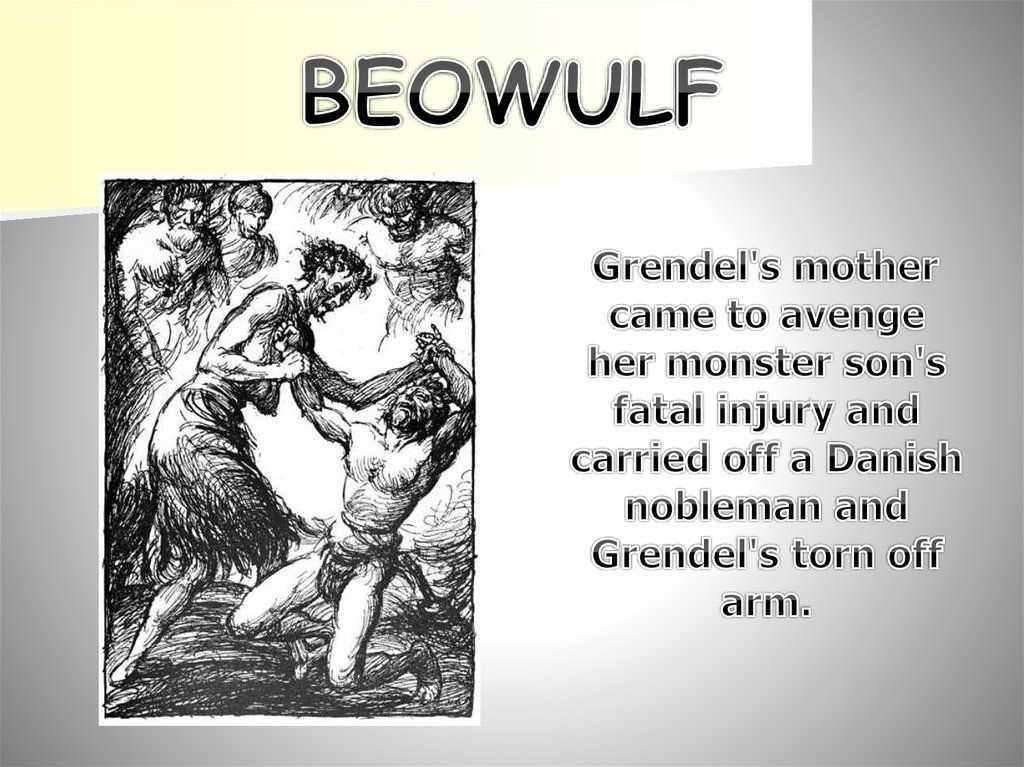
Grendel’s mother represents an embodiment of vengeance. After Beowulf kills Grendel, his mother seeks revenge, leading to a battle between her and Beowulf. This battle highlights Beowulf’s strength and determination, as he eventually defeats her.
5. What is the role of the dragon in Beowulf?
The dragon serves as the final challenge for Beowulf. In his old age, Beowulf faces the dragon to protect his people, but ultimately loses his life in the battle. The dragon symbolizes the inevitable nature of death and the heroic sacrifice that Beowulf makes for his kingdom.
What is Beowulf?
Beowulf is an Old English epic poem that dates back to the early Middle Ages. It is considered one of the most important works of Anglo-Saxon literature and is often cited as one of the earliest examples of English literature. The poem tells the story of a hero named Beowulf who comes to the aid of a Danish king, Hrothgar, whose kingdom is being terrorized by a monster named Grendel.
This epic poem is written in alliterative verse, which is characterized by the repetition of consonant sounds at the beginning of words. It is divided into three main sections: the fight against Grendel, the fight against Grendel’s mother, and the fight against a dragon in Beowulf’s later years. These battles are not only physical, but also metaphorical, representing the struggles between good and evil.
Beowulf is portrayed as a brave and noble hero who possesses great strength and courage. He is admired and respected by his fellow warriors, and he is willing to risk his own life to protect others. Throughout the poem, Beowulf embodies the values and ideals of the Anglo-Saxon warrior culture, such as loyalty, honor, and the pursuit of fame and glory.
Key points:
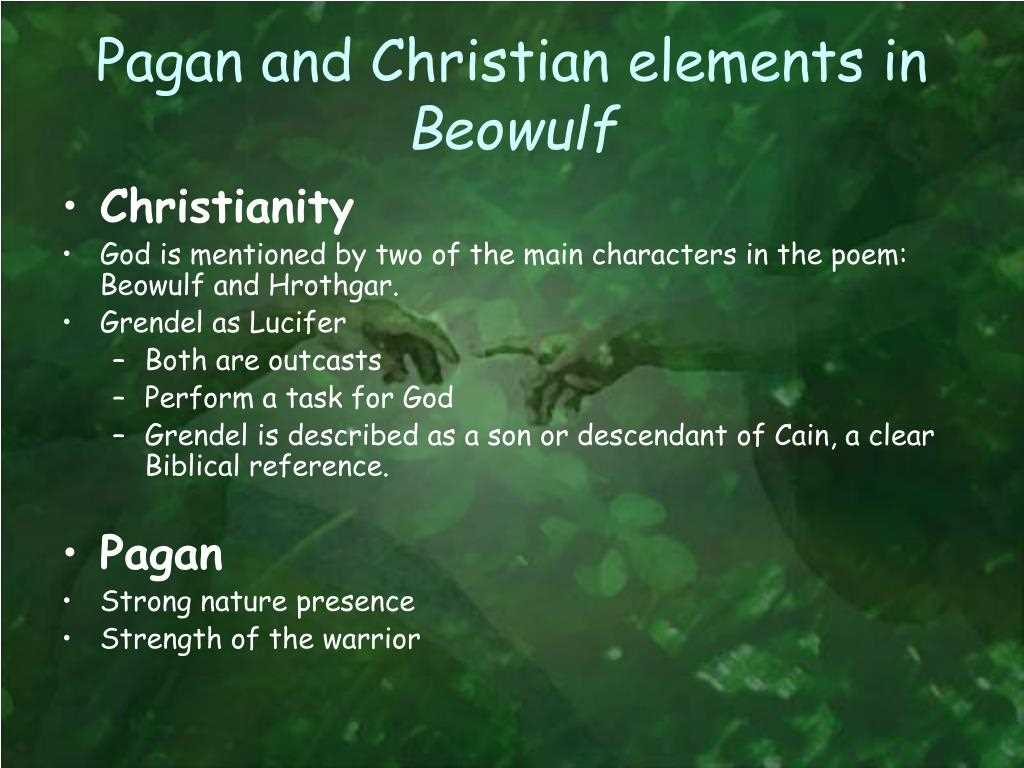
- Beowulf is an Old English epic poem.
- It is one of the most important works of Anglo-Saxon literature.
- The poem tells the story of a hero named Beowulf who battles various monsters.
- It is written in alliterative verse.
- Beowulf embodies the values of the Anglo-Saxon warrior culture.
Who wrote Beowulf?
Beowulf, one of the oldest surviving epic poems in Old English, was not written by a single author. Instead, it is believed to be the product of oral tradition, passed down from generation to generation through storytelling. The poem was eventually transcribed and written down by an unknown scribe sometime between the 8th and 11th centuries.
Oral Tradition: Beowulf originated in the oral tradition, a method of preserving stories and history through spoken word. This means that the poem was not originally written down but was memorized and recited by bards or minstrels. It is likely that Beowulf was first composed by an unknown poet or poets who celebrated the heroic deeds and adventures of their ancestors.
Manuscript: The only surviving copy of Beowulf is a manuscript known as the Nowell Codex or the Cotton Vitellius A.XV, which is currently housed in the British Library. The manuscript dates back to the late 10th century or early 11th century and contains various Old English works, including Beowulf. The scribe who transcribed the poem onto parchment remains anonymous.
Authorship Debate: The question of who actually wrote Beowulf is still the subject of scholarly debates. While some argue that a single author composed the entire poem, others believe that multiple poets contributed to its creation. Additionally, there are theories suggesting that the poem may have been influenced by earlier Scandinavian or Germanic folklore. Ultimately, the identity of the author or authors of Beowulf remains a mystery.
When was Beowulf written?
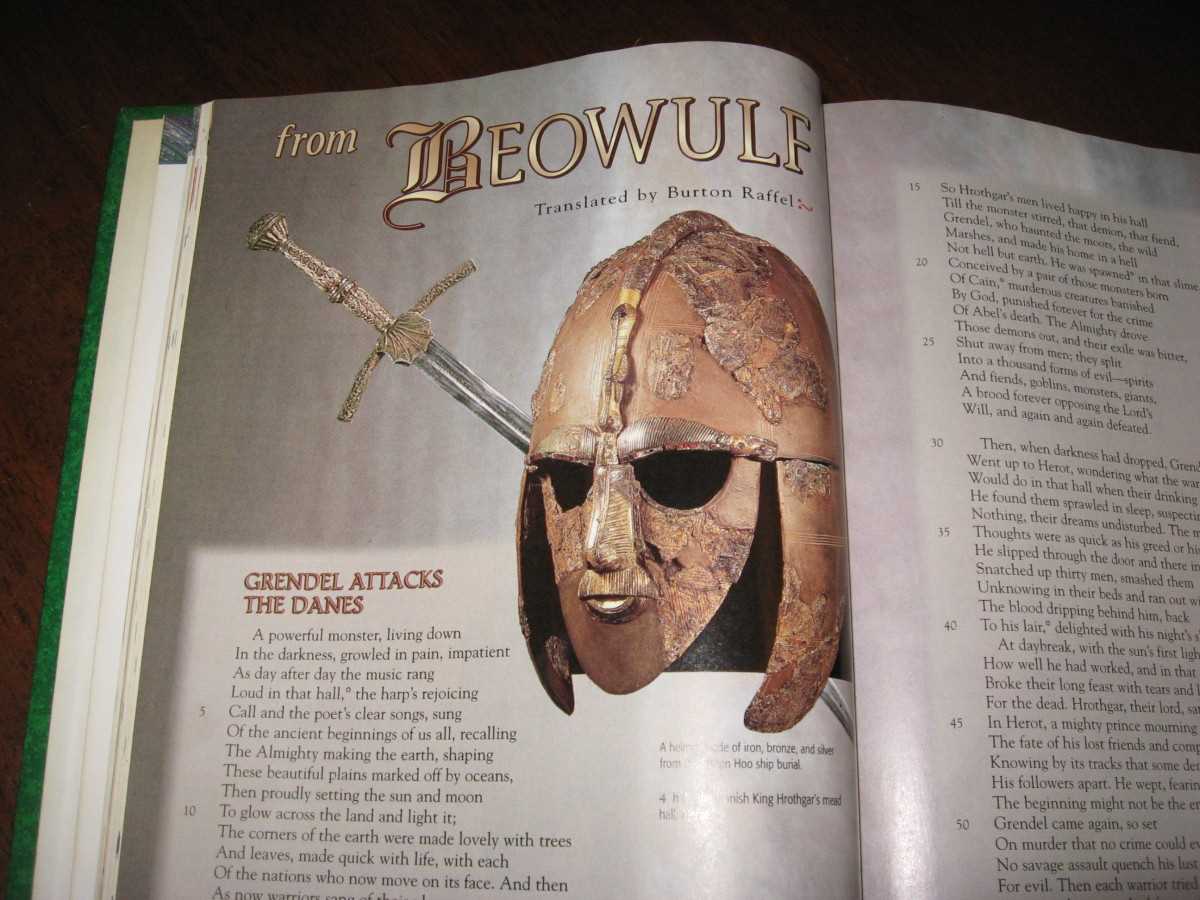
Beowulf, the oldest surviving epic poem in Old English, is believed to have been written between the 8th and 11th centuries. The exact date of its composition is uncertain, as the poem was passed down orally for generations before being written down. It is thought to have originated from Anglo-Saxon England, during a time when oral storytelling was a prominent form of entertainment and cultural preservation.
While the manuscript itself, known as the Nowell Codex, dates back to the late 10th or early 11th century, the events and characters depicted in Beowulf are set in the 6th century. This historical time frame adds to the intrigue and allure of the poem, as it combines elements of legend, myth, and history into a compelling narrative.
Interestingly, Beowulf was not widely known or studied until the 19th century, when it was rediscovered by scholars. Its significance and influence on English literature and culture gradually became recognized, and today it is considered a masterpiece of Old English literature. Its themes of heroism, honor, and the struggle between good and evil continue to resonate with readers centuries after its creation.
What is the plot of Beowulf?
Beowulf is an epic poem that tells the story of a legendary hero, Beowulf, who comes to the aid of King Hrothgar of Denmark. Hrothgar’s kingdom is being terrorized by a monster named Grendel, who has been attacking the mead hall and killing Hrothgar’s warriors. Beowulf, a Geat warrior, travels to Denmark with a group of his loyal men to help defeat Grendel.
When Beowulf arrives in Denmark, he is welcomed by Hrothgar and his warriors. He learns about the terror Grendel has caused and announces his plan to fight the monster. That night, Beowulf and his men wait in the mead hall for Grendel to attack. When Grendel arrives, Beowulf fights him unarmed and manages to rip off his arm, causing the monster to flee.
With Grendel defeated, the celebration begins in the mead hall. However, the victory is short-lived as Grendel’s mother seeks revenge for her son’s death. Beowulf and his men journey to the lair of Grendel’s mother, where he engages in a fierce battle. With the help of a magical sword, Beowulf is able to defeat Grendel’s mother and return to the surface with her head.
Beowulf’s heroic deeds make him famous throughout the land, and he eventually becomes the king of the Geats. Years later, Beowulf faces his final challenge when a dragon starts terrorizing his kingdom. He leads a group of his warriors to fight the dragon, but during the battle, Beowulf is mortally wounded. He dies, and his body is cremated on a funeral pyre.
The story of Beowulf highlights the themes of heroism, loyalty, and the interplay between good and evil. It explores the idea of a hero who is willing to sacrifice himself for the greater good and the consequences of such actions. Overall, Beowulf is an epic tale that showcases the journey of a heroic warrior and his ultimate battle against evil.
What is the significance of Beowulf?
Beowulf holds great significance in literature and history as one of the oldest surviving epic poems in Old English. It is believed to have been composed between the 8th and 11th centuries, making it a valuable source of information about the early Anglo-Saxon period and its cultural values.
One of the main reasons for the significance of Beowulf is its exploration of heroic ideals. The poem celebrates the heroic qualities of bravery, loyalty, and honor, which were highly prized in Anglo-Saxon society. Beowulf, the protagonist, embodies these ideals as he faces and defeats various monsters, including Grendel and the dragon, in his quests for glory and the protection of his people.
In addition to its historical and cultural significance, Beowulf also serves as a reflection of the human condition. It delves into themes such as the inevitability of death and the fleeting nature of fame and power. Beowulf’s eventual defeat and death serve as a reminder of the mortality of even the greatest heroes.
The poem also explores the concept of fate and the role it plays in shaping human lives. Beowulf is portrayed as a champion chosen by fate to fulfill his heroic destiny, and his encounters with the monsters can be seen as tests of his fate and personal strength.
Overall, the significance of Beowulf lies in its portrayal of heroism, its historical and cultural insights, and its exploration of timeless themes that continue to resonate with readers today.
Main Themes in Beowulf
Beowulf, one of the oldest surviving epic poems in Old English, explores a multitude of themes that are still relevant today. The poem, set in the sixth century in Scandinavia, follows the adventures of the hero Beowulf as he battles various monsters and seeks glory and fame. While Beowulf is known for its dramatic action and heroic characters, it also delves into deeper themes that make it a work of enduring significance.
1. Heroism and Bravery
One of the main themes in Beowulf is the concept of heroism and bravery. Beowulf, as the protagonist, embodies the heroic ideal of the time. He is strong, courageous, and willing to sacrifice himself for the greater good. Throughout the poem, Beowulf faces numerous challenges and battles fierce monsters, demonstrating his exceptional bravery and establishing himself as a legendary hero.
2. Good vs. Evil
The conflict between good and evil is another prominent theme in Beowulf. The poem portrays the battle between Beowulf and the various monsters he faces as a manifestation of this eternal struggle. Beowulf represents the forces of good, while monsters like Grendel and the dragon symbolize evil. Through Beowulf’s triumphs over these creatures, the poem highlights the triumph of good over evil and the importance of moral virtue in the face of darkness.
3. Fate and Man’s Destiny
Beowulf explores the theme of fate and man’s destiny in the face of uncertainty. The characters in the poem often speak of the inevitability of events and the power of fate. Despite knowing that his own death is approaching, Beowulf remains resolute in his pursuit of glory and honor. This theme emphasizes the fleeting nature of life and the need to face one’s destiny with courage and determination.
4. Loyalty and Reputation
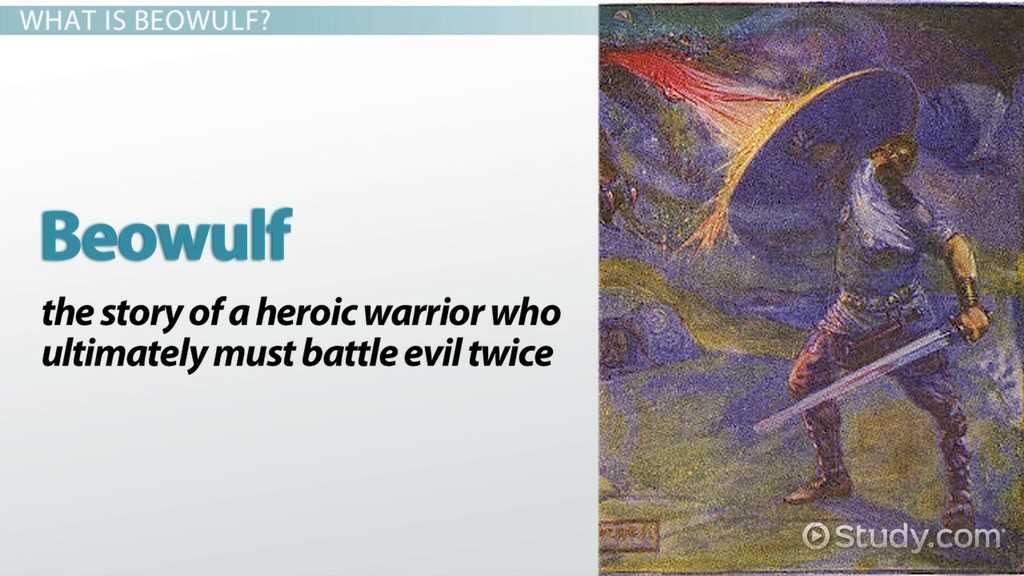
Loyalty and reputation are important themes throughout Beowulf. The characters in the poem value loyalty to their kings and leaders above all else. Beowulf himself demonstrates his loyalty by coming to the aid of Hrothgar, the king of the Danes, and by defending his own people against threats. Reputation is also a significant aspect, as characters strive to maintain their honorable reputation and gain fame through their deeds.
5. Strength and Power
Strength and power are recurring themes in Beowulf. The poem praises physical strength and valor as essential qualities of a hero. Beowulf, with his unmatched strength, is able to overcome seemingly insurmountable challenges and emerge victorious. The poem also explores the corrupting influence of power, as seen in the character of King Hrothgar’s failed attempt to create a utopian society.
Conclusion
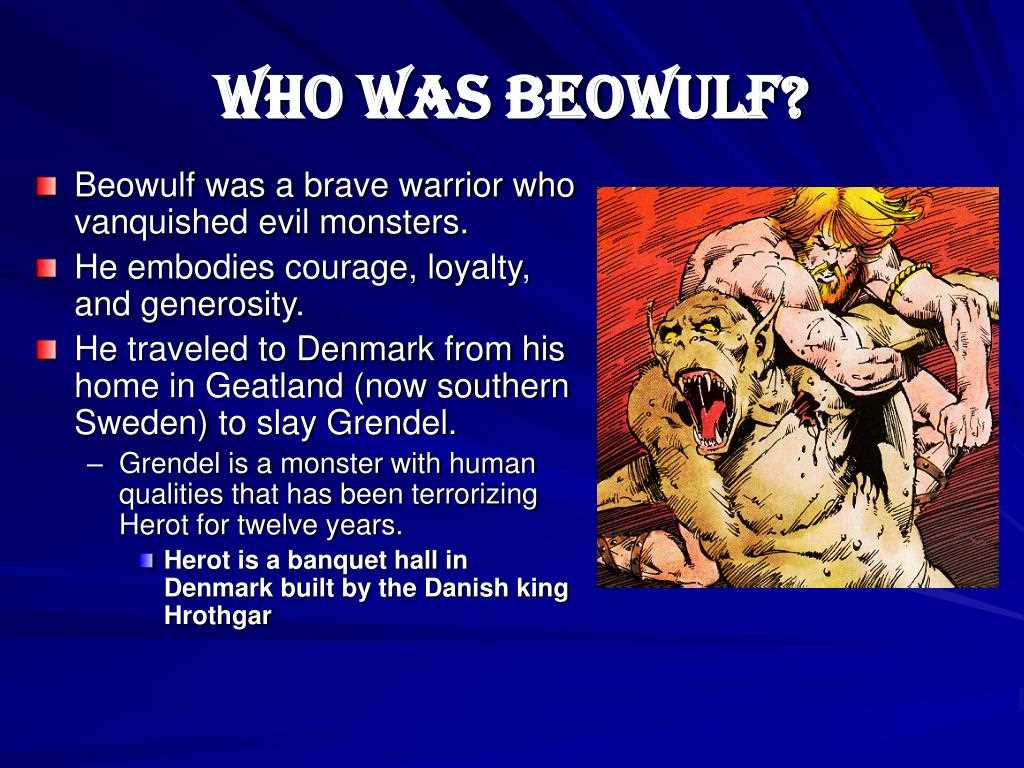
Through its exploration of heroism, good vs. evil, fate and destiny, loyalty and reputation, and strength and power, Beowulf remains a timeless and significant piece of literature. The themes depicted in the poem continue to resonate with readers, reminding us of the universal and enduring nature of human experiences and values.
Q&A:
What are the main themes in Beowulf?
The main themes in Beowulf include heroism, the importance of reputation, the conflict between good and evil, the power of fate, and the concept of loyalty.
What is the theme of heroism in Beowulf?
The theme of heroism in Beowulf is central to the story. Beowulf, as the protagonist, exemplifies heroic qualities such as bravery, strength, and selflessness as he battles monsters and protects his people.
What is the significance of reputation in Beowulf?
Reputation is highly valued in Beowulf’s society. It is earned through heroic deeds and serves as a measure of a person’s worth. Beowulf seeks to build and preserve his reputation as a heroic warrior.
How is the conflict between good and evil portrayed in Beowulf?
The conflict between good and evil is a recurring theme in Beowulf. Beowulf represents the forces of good, fighting against monsters and protecting his people, while monsters like Grendel and the dragon embody evil and wreak havoc.
What role does fate play in Beowulf?
Fate is a major theme in Beowulf. The characters often believe that their actions are predestined and that they have little control over their destinies. Beowulf’s ultimate fate, as well as the fates of other characters, is determined by a higher power.
What are the main themes in Beowulf?
The main themes in Beowulf include heroism, loyalty, the power and significance of kinship, the battle between good and evil, and the importance of fate and destiny.
What are some other themes in Beowulf?
Some other themes in Beowulf are the value of honor and reputation, the fleeting nature of human existence, the role of religion and Christianity, the idea of kingship and leadership, and the exploration of the warrior culture.