Exploring the Option: Can I Take the Bar Exam Without Law School?

The bar exam is a crucial step in becoming a licensed attorney in many jurisdictions around the world. Traditionally, aspiring lawyers have taken the bar exam after completing a rigorous three-year law school program. However, there has been a growing movement challenging the requirement of law school for bar admission.
Proponents of this movement argue that the current system places a heavy burden on potential lawyers, both financially and in terms of time commitment. The cost of a legal education can be astronomical, with many law graduates starting their careers with significant debt. Additionally, the three years spent in law school can be a significant interruption to one’s career trajectory or personal goals.
Opponents of allowing individuals to take the bar exam without completing law school argue that legal education is vital in developing the necessary skills and knowledge to be an effective attorney. They believe that law school provides a structured and comprehensive curriculum that cannot be replicated through self-study or alternative education programs.
Can I Take the Bar Exam Without Law School?

Many individuals who are interested in pursuing a legal career often wonder if it is possible to take the bar exam without attending law school. While the requirements for becoming a lawyer vary by jurisdiction, in most cases, completing a law degree from an accredited law school is a necessary step. However, there are a few exceptions and alternative routes available for those who want to take the bar exam without attending law school.
Reading the law: In some states, it is possible to become eligible to take the bar exam by “reading the law.” This method involves studying the law independently and working under the guidance of a mentor or experienced attorney. However, it is important to note that this option is only available in a few states and often requires a long apprenticeship period, ranging from 3 to 5 years.
Online law schools: Another alternative for those who want to take the bar exam without attending a traditional law school is to enroll in an online law school. Online law schools offer virtual classrooms and allow students to complete the required coursework remotely. However, it is essential to ensure that the online law school is accredited by the American Bar Association (ABA) or the state bar association to guarantee eligibility for the bar exam.
While it is possible to take the bar exam without attending law school in some cases, it is crucial to thoroughly research and understand the requirements and regulations of the jurisdiction in which you intend to practice law. Each state has its own unique rules and regulations regarding bar exam eligibility, and it is important to comply with these requirements to ensure a smooth and successful path to becoming a lawyer.
The Bar Exam and Law School
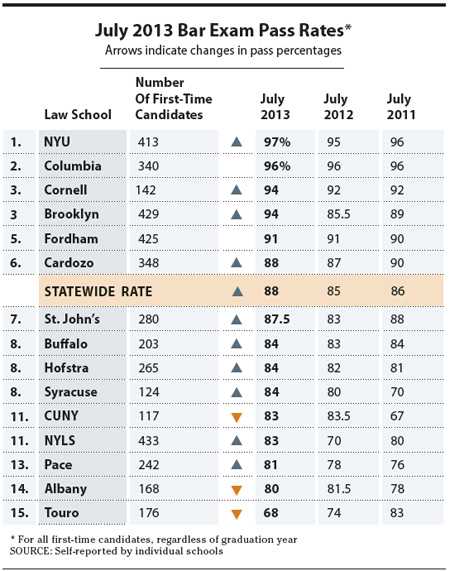
The bar exam is a rigorous test that individuals must pass in order to become licensed to practice law in a particular jurisdiction. While each state has its own requirements for the bar exam, most jurisdictions require applicants to have completed a law degree from an accredited law school. This means that attending law school is often a necessary step in the process of becoming a licensed attorney.
Law school provides aspiring lawyers with the knowledge and skills necessary to navigate the complexities of the legal field. Through coursework, students learn about different areas of law, legal reasoning, research, and writing. Additionally, law school often provides opportunities for practical experience through internships and clinics, which help students develop practical skills and gain exposure to real-world legal issues.
Once individuals have completed their law degree, they are typically eligible to take the bar exam. The bar exam assesses an applicant’s understanding of the law and ability to apply legal principles to various scenarios. It is a comprehensive exam that covers multiple areas of law, and passing the bar exam demonstrates a level of competence required to practice law.
While it is possible in some jurisdictions to take the bar exam without attending law school, this is often the exception rather than the rule. In these cases, individuals must typically demonstrate extensive legal knowledge and experience through alternative means, such as self-study or apprenticeships. However, even in jurisdictions that allow non-law school graduates to take the bar exam, the exam itself is still a challenging and demanding test that requires significant preparation.
In conclusion, attending law school is generally a necessary step in the process of becoming a licensed attorney, as it provides the foundational knowledge and skills required to pass the bar exam and enter the legal profession. While there may be exceptions in certain jurisdictions, obtaining a law degree from an accredited law school is the most common pathway to becoming a practicing lawyer.
Alternative Routes to Taking the Bar Exam
In most jurisdictions, completing law school is the traditional method for individuals to become eligible to take the bar exam. However, there are alternative routes available for individuals who wish to pursue a career in law but have not attended law school. These alternative routes, though less common, offer opportunities for individuals with unique backgrounds and experiences to demonstrate their legal knowledge and skills.
1. Reading the Law
One alternative route to taking the bar exam is through the “reading the law” method. This method involves studying the law independently and working under the supervision of a practicing attorney or judge. Individuals who choose this route must spend a significant amount of time self-learning and gaining practical experience in the legal field. Some jurisdictions may require them to pass additional examinations or meet certain criteria to demonstrate their legal knowledge.
2. Apprenticeship Programs
Another alternative route to the bar exam is through apprenticeship programs. These programs allow individuals to learn the necessary legal skills and knowledge by working in a law firm or legal organization. Apprentices are mentored by experienced attorneys who guide them through the practical aspects of law practice. Similar to the “reading the law” method, apprenticeship programs may have additional requirements or examinations that need to be met before individuals can become eligible to take the bar exam.
3. State-Specific Options
It’s important to note that alternative routes to taking the bar exam vary by jurisdiction. Some states have specific provisions that allow individuals to become eligible for the bar exam without attending law school, while others may have stricter requirements. It is crucial for individuals interested in pursuing these alternative routes to thoroughly research and understand the rules and regulations of their state to ensure compliance and eligibility.
Apprenticeship Programs
Apprenticeship Programs offer an alternative path to obtaining the necessary qualifications to take the bar exam without attending law school. These programs provide aspiring lawyers with hands-on training and practical experience under the guidance of experienced attorneys.
Benefits of Apprenticeship Programs:
- Cost-effective: One of the main advantages of apprenticeship programs is that they are often more affordable than traditional law school. Apprentices can earn a salary while they learn, eliminating the need for expensive tuition fees.
- Practical experience: Unlike law school, apprenticeship programs focus on practical training. Apprentices have the opportunity to work on real cases and learn from experienced attorneys, gaining valuable hands-on experience in the legal field.
- Networking opportunities: Apprenticeship programs often provide ample networking opportunities. Apprentices can build relationships with experienced professionals in the legal industry, which can be beneficial for career advancement.
- Flexibility: Apprenticeship programs are often more flexible than traditional law school. They allow individuals to earn a salary while they learn and provide a more practical and hands-on approach to legal education.
Requirements:
In order to qualify for an apprenticeship program, candidates must meet certain requirements. These requirements may vary depending on the program, but generally include a high school diploma or equivalent, passing a background check, and a willingness to commit to a specified period of training.
Conclusion:
Apprenticeship programs offer a viable alternative to law school for individuals who wish to become lawyers. These programs provide practical experience, cost-effective training, and networking opportunities. By participating in an apprenticeship program, aspiring lawyers can gain the necessary qualifications to take the bar exam and embark on a successful legal career.
Studying on Your Own

Studying for the bar exam on your own is a challenging task that requires a high level of motivation and discipline. While it is possible to take the bar exam without attending law school, it is important to recognize the amount of self-study and preparation that will be necessary to succeed.
Self-discipline is key when studying for the bar exam on your own. Without the structure and guidance provided by law school, it is up to you to create a study plan, set deadlines, and stick to them. This requires a high degree of self-motivation and the ability to hold yourself accountable for your progress.
When studying on your own, it is important to have a solid study plan in place. This should include a detailed schedule that outlines what subjects you will study and when, as well as a realistic timeline for completing each topic. Additionally, it can be helpful to create a study group or find a study partner to help keep you motivated and provide support.
Utilizing study materials specifically designed for bar exam preparation is crucial when studying on your own. There are a variety of resources available, such as bar review courses and study guides, that can provide the necessary content and practice questions to help you prepare. It is important to carefully select the materials that align with your learning style and preferences.
During your self-study, it is important to practice as much as possible. This includes not only completing practice questions and essays but also simulating the conditions of the exam. Taking timed practice exams can help familiarize you with the format and timing of the actual bar exam, and can also help you identify areas where you may need to focus additional study time.
In conclusion, studying on your own for the bar exam is a challenging but achievable endeavor. It requires self-discipline, a solid study plan, the use of appropriate study materials, and plenty of practice. With the right preparation and dedication, it is possible to successfully pass the bar exam without attending law school.
Requirements for Bar Exam Eligibility
To become eligible to take the bar exam without attending law school, certain requirements must be met. Although each state has its own specific requirements, there are some common factors that most jurisdictions consider.
1. Minimum Educational Requirements: Most states require applicants to have at least a bachelor’s degree from an accredited institution. Some states may also require a minimum number of college credits in specific subjects, such as English, history, or political science.
2. Character and Fitness Evaluation: Applicants are typically required to pass a thorough character and fitness evaluation. This evaluation examines an applicant’s moral character, integrity, and professional ethics. Any past criminal convictions, disciplinary actions, or unethical behavior may raise concerns and impact eligibility.
3. Independent Study of Law: In lieu of attending law school, applicants are often required to complete a period of independent study of the law. This may involve studying legal textbooks, attending preparatory courses, or working under the supervision of a licensed attorney.
4. Passing the Multistate Professional Responsibility Exam (MPRE): The MPRE is a standardized exam that evaluates an applicant’s knowledge and understanding of the ethical standards and rules of professional conduct. Most states require applicants to pass the MPRE before becoming eligible to take the bar exam.
5. State-Specific Requirements: Each state may have additional requirements for bar exam eligibility. These may include completing a certain number of pro bono hours, passing a state-specific ethics exam, or meeting specific residency requirements.
Overall, while it is possible to take the bar exam without attending law school, there are still stringent requirements in place to ensure that applicants have a solid foundation of legal knowledge and meet the ethical standards necessary to practice law. It is important for individuals considering this route to carefully review the requirements of the jurisdiction in which they plan to practice and seek guidance from relevant legal authorities or organizations.
Weighing Your Options
Deciding whether or not to take the bar exam without attending law school is a significant decision that requires careful consideration. While it is possible to take the bar exam without a law degree, it is important to weigh the pros and cons before making a final decision.
The Pros:
- Cost: One of the major advantages of skipping law school is the cost savings. Law school tuition can be incredibly expensive, and by opting to self-study for the bar exam, individuals can save a significant amount of money.
- Flexibility: Without the commitment of attending law school, individuals have more flexibility in terms of studying on their own terms and at their own pace. This can be beneficial for those who may have other commitments or obligations.
- Time: Law school typically takes three years to complete, whereas self-studying for the bar exam can potentially be completed in a shorter timeframe. This can be advantageous for those who are eager to start practicing law as soon as possible.
The Cons:
- Lack of Knowledge and Resources: Attending law school provides individuals with a comprehensive legal education and access to valuable resources, such as professors, libraries, and networking opportunities. Without attending law school, individuals may lack the same level of knowledge and resources.
- Passing Rates: The pass rates for the bar exam are generally higher for law school graduates compared to those who have not attended law school. This can be attributed to the comprehensive legal education that law school provides.
- Employability: Some employers may be hesitant to hire individuals who have not attended law school, as they may question the depth of their legal knowledge and ability to practice law effectively.
Ultimately, the decision to take the bar exam without attending law school is a personal one. It is important to carefully consider your own circumstances, goals, and preferences before making a decision. If you choose to pursue this path, be prepared to put in a significant amount of time and effort to self-study and ensure you have access to the necessary resources to succeed.
Q&A:
How do I determine which option is the best?
To determine which option is the best, you should consider your goals, priorities, and the potential consequences of each option. It is also important to gather as much information as possible about each option and weigh the pros and cons.
What should I do if all the options seem equally good?
If all the options seem equally good, you may need to dig deeper and consider factors such as long-term impact, feasibility, and personal preferences. It can also be helpful to seek advice from others who have relevant experience or expertise.
What are some common mistakes people make when weighing their options?
Some common mistakes people make when weighing their options include rushing the decision-making process, relying solely on emotions, neglecting to consider all available options, and failing to gather enough information. It is important to approach the decision-making process with careful thought and analysis.
Can I change my decision after weighing my options?
Yes, you can change your decision after weighing your options. It is important to remember that decision-making is an iterative process, and new information or insights may arise that prompt you to reconsider your initial choice. Flexibility and adaptability are key when it comes to making decisions.
What role does intuition play in weighing options?
Intuition can play a role in weighing options, as it can provide a valuable gut feeling or inner knowing about what course of action to take. However, it is important to balance intuition with rational thinking and evidence-based analysis to make a well-informed decision.
What does it mean to “weigh your options”?
Weighing your options means carefully considering and evaluating different choices or possibilities before making a decision.
Why is it important to weigh your options?
It is important to weigh your options because it allows you to make informed decisions. By considering all the possible choices and their potential outcomes, you can make the best decision for yourself or your situation.