Mastering the CA LCSW Law and Ethics Exam: Your Ultimate Guide for Success
The California Clinical Social Work Law and Ethics Exam, also known as the LCSW Law and Ethics Exam, is a required examination for individuals seeking licensure as a Licensed Clinical Social Worker (LCSW) in the state of California. This exam is administered by the California Board of Behavioral Sciences (BBS) and is designed to assess an individual’s knowledge and understanding of the laws and ethical standards governing the practice of clinical social work.
The LCSW Law and Ethics Exam covers a wide range of topics, including legal issues in clinical social work, confidentiality and informed consent, scope of practice, professional boundaries, and ethical decision-making. It is important for individuals preparing for this exam to have a solid understanding of these topics in order to pass the exam and obtain their LCSW licensure.
Preparing for the LCSW Law and Ethics Exam can be a challenging task, but there are resources available to help individuals succeed. Many individuals choose to enroll in exam prep courses or workshops that provide targeted instruction and practice materials. Additionally, there are study guides and practice exams available that can help individuals familiarize themselves with the content and format of the exam.
Understanding the CA LCSW Law and Ethics Exam

Aspiring Licensed Clinical Social Workers (LCSWs) in California are required to pass the CA LCSW Law and Ethics Exam in addition to fulfilling other educational and experience requirements. This exam is designed to test their knowledge and understanding of the laws, regulations, and ethical standards that govern the practice of social work in the state. It is an essential step in the licensure process, ensuring that LCSWs are equipped to provide ethical and competent services to their clients.
The CA LCSW Law and Ethics Exam covers a wide range of topics, including confidentiality, professional boundaries, dual relationships, informed consent, duty to warn, and legal and ethical issues in clinical practice. It requires candidates to demonstrate their understanding of the laws and regulations specific to California and their ability to apply ethical principles to real-world scenarios. The exam consists of multiple-choice questions that assess both knowledge and critical thinking skills.
Preparing for the CA LCSW Law and Ethics Exam
- Begin by familiarizing yourself with the relevant laws and regulations outlined in the California Board of Behavioral Sciences (BBS) laws and regulations.
- Study the BBS Code of Ethics and make sure you understand each principle and how it applies to different situations.
- Practice answering sample questions and reviewing rationales to gain a better understanding of the types of questions that may be asked on the exam.
- Consider attending workshops or review courses specifically designed to help candidates prepare for the CA LCSW Law and Ethics Exam.
- Create a study schedule and stick to it. Dedicate regular time to reviewing and studying the material.
By thoroughly preparing for the CA LCSW Law and Ethics Exam, aspiring LCSWs can increase their chances of passing the exam and obtaining their license. Additionally, a solid understanding of the laws and ethical standards will ensure that LCSWs are able to provide the highest quality of care to their clients while operating within legal and ethical boundaries.
An Overview of the CA LCSW Law and Ethics Exam
The California Law and Ethics Exam is a crucial step for becoming a Licensed Clinical Social Worker (LCSW) in California. This exam is designed to test the applicant’s knowledge and understanding of the laws, regulations, and ethical guidelines that govern the practice of social work in the state of California. It is an important component in ensuring that LCSWs in California possess the necessary skills and knowledge to provide ethical and competent care to their clients.
The exam consists of 75 multiple-choice questions that cover a wide range of topics, including confidentiality, boundaries, professional conduct, legal issues, and ethical decision-making. It is administered by the California Board of Behavioral Sciences (BBS) and can be taken either online or on paper. The exam has a time limit of 4 hours, and a passing score of 75% or higher is required to become licensed as an LCSW in California.
Preparing for the CA LCSW Law and Ethics Exam requires a thorough understanding of the laws and regulations outlined in the California Code of Regulations, as well as the NASW Code of Ethics. It is important for applicants to review and familiarize themselves with these documents before taking the exam. Additionally, there are various study materials and resources available, such as practice exams and study guides, that can help applicants prepare for the exam.
Successfully passing the CA LCSW Law and Ethics Exam is a significant milestone for aspiring LCSWs in California. It demonstrates their commitment to upholding the highest standards of ethical practice and ensures that they have the knowledge and skills necessary to provide effective and competent care to their clients.
Why is the CA LCSW Law and Ethics Exam Important?
The CA LCSW Law and Ethics Exam is an essential component of becoming a licensed clinical social worker in the state of California. This exam plays a crucial role in ensuring that aspiring LCSWs have a thorough understanding of the ethical and legal responsibilities that come with the profession.
Passing the CA LCSW Law and Ethics Exam demonstrates that individuals have a solid foundation in the laws and regulations that govern their practice, and are equipped to provide ethical and responsible care to their clients. This exam covers a wide range of topics, including confidentiality, informed consent, boundaries, duty to report, and professional conduct, among others.
- Confidentiality: One of the most important aspects of the client-therapist relationship is the trust and confidentiality. The CA LCSW Law and Ethics Exam ensures that future LCSWs understand the legal and ethical obligations to protect client confidentiality and privacy.
- Informed Consent: Informed consent is a critical component of ethical practice. The exam assesses candidates’ knowledge of the process of obtaining informed consent from clients, ensuring they understand the potential risks and benefits of treatment.
- Boundaries: Maintaining appropriate boundaries is vital in the therapeutic relationship. The exam tests candidates on their understanding of boundary violations, dual relationships, and the importance of maintaining professional boundaries.
- Duty to Report: LCSWs have a legal responsibility to report certain situations, such as child abuse or elder abuse. The exam evaluates candidates’ knowledge of their duty to report and the appropriate steps to take in these situations.
- Professional Conduct: Ethical practice requires LCSWs to adhere to a code of professional conduct. The exam ensures that candidates are familiar with these standards and understand the consequences of unethical behavior.
In summary, the CA LCSW Law and Ethics Exam is important because it ensures that licensed clinical social workers in California are equipped with the necessary knowledge and understanding to provide ethical, legal, and responsible care to their clients. By passing this exam, individuals demonstrate their commitment to upholding the highest standards of professionalism and ethics in the field of social work.
How to Prepare for the CA LCSW Law and Ethics Exam
Preparing for the CA LCSW Law and Ethics exam can be a daunting task, but with the right approach and resources, you can increase your chances of success. Here are some tips to help you get started:
1. Understand the Exam Format
First and foremost, familiarize yourself with the exam format. The CA LCSW Law and Ethics exam is a multiple-choice exam that consists of 75 questions. It covers various topics, including professional practice, professional relationships, legal issues, and ethical standards. By understanding the exam structure, you can better tailor your study plan and focus on the areas that require more attention.
2. Review Relevant Laws and Regulations

To excel in the CA LCSW Law and Ethics exam, it is crucial to have a good understanding of the relevant laws and regulations. Take the time to review and familiarize yourself with the California laws that pertain to social work practice, including confidentiality, informed consent, and reporting obligations. Utilize authoritative resources such as the California Board of Behavioral Sciences website for accurate and up-to-date information.
3. Use Study Guides and Practice Tests

Make use of study guides and practice tests specifically designed for the CA LCSW Law and Ethics exam. These resources can help you become familiar with the type of questions that may be asked and allow you to assess your level of preparedness. Look for reputable study materials and practice exams that have proven to be effective in helping candidates pass the exam.
4. Seek Support from Peers and Mentors
Don’t hesitate to reach out to peers and mentors who have already taken and passed the CA LCSW Law and Ethics exam. They can provide valuable insights, share their study strategies, and offer guidance on how to approach different scenarios. Joining study groups or online forums dedicated to the exam can also provide a supportive community and additional resources.
5. Practice Time Management
Time management is crucial during the exam, as you will have a limited amount of time to answer all the questions. Practice answering questions within a set timeframe to improve your speed and efficiency. Develop strategies for quickly analyzing and answering questions, and learn to prioritize your time based on the difficulty of each question.
- Remember to take breaks during your study sessions to avoid burnout.
- Stay organized by creating a study schedule and sticking to it.
- Identify your strengths and weaknesses to allocate more time and effort accordingly.
By following these tips and putting in the necessary effort and dedication, you can increase your chances of success in the CA LCSW Law and Ethics exam. Remember to stay focused, stay positive, and trust in your preparation.
Tips for Success on the CA LCSW Law and Ethics Exam
Passing the California Licensed Clinical Social Worker (LCSW) Law and Ethics Exam is a crucial step towards obtaining licensure as a LCSW. To ensure that you are well-prepared for the exam, it is important to follow certain tips and strategies.
1. Understand the exam content and structure: Familiarize yourself with the exam content and structure to know what to expect. The exam covers various topics related to California laws and regulations, professional ethics, and clinical practice standards. It consists of multiple-choice questions and vignettes that require thorough understanding and interpretation.
2. Create a study plan: Develop a study plan that allows you to allocate time for different topics and areas. Break down the content into manageable sections and set specific goals for each study session. Consistency and discipline are key to effectively prepare for the exam.
3. Utilize study materials: Use reliable study materials such as textbooks, online resources, and practice exams specifically designed for the LCSW Law and Ethics Exam. These resources will help you familiarize yourself with the content, identify areas of weakness, and practice answering similar exam-style questions.
4. Join study groups or seek support: Engaging in study groups or seeking support from peers who are also preparing for the exam can be beneficial. It provides an opportunity to discuss and clarify concepts, share study strategies, and gain different perspectives on challenging topics.
5. Practice time management: Time management is crucial during the exam. Make sure to practice answering questions within the allotted time frame. Pace yourself and prioritize questions that you are more confident about. This will help you maximize your chances of completing the exam accurately and on time.
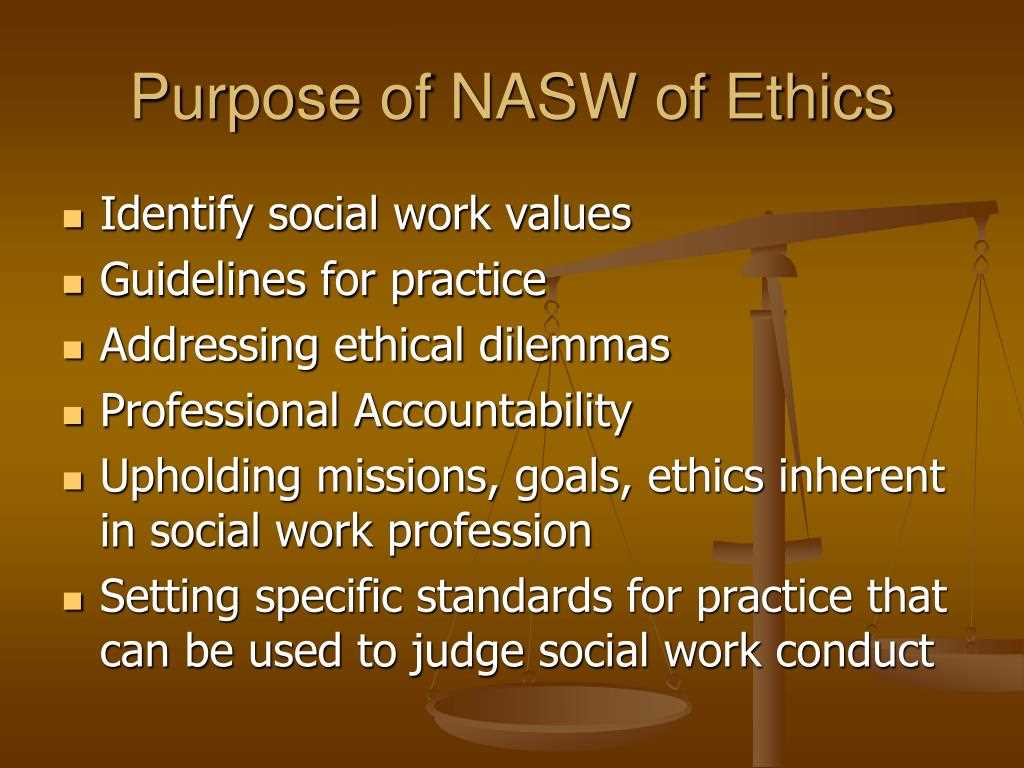
6. Familiarize yourself with the Code of Ethics: The NASW Code of Ethics is an important resource to understand and apply ethical principles in social work practice. Familiarize yourself with the code and its guidelines to effectively address ethical dilemmas in the exam scenarios.
7. Stay calm and confident during the exam: Managing exam anxiety is essential for optimal performance. Prioritize self-care and relaxation techniques before the exam. Stay focused, read each question carefully, and trust in your preparation. Confidence and a clear mind are key to successful performance on the LCSW Law and Ethics Exam.
8. Review and reflect on practice exams: After completing practice exams, review and reflect on your answers. Identify areas of improvement and revisit the corresponding study materials. This will help reinforce your understanding and address any gaps in knowledge.
9. Seek professional guidance if needed: If you feel overwhelmed or unsure about certain topics, seek guidance from professionals or mentors who have successfully passed the LCSW Law and Ethics Exam. They can provide valuable insights, additional resources, and support to enhance your preparation.
By following these tips and strategies, you can increase your chances of success on the California LCSW Law and Ethics Exam. Remember to stay focused, stay positive, and believe in your abilities!
Common Challenges Faced on the CA LCSW Law and Ethics Exam
Passing the California Licensed Clinical Social Worker (LCSW) Law and Ethics Exam is a crucial step towards becoming a licensed LCSW. However, many candidates face common challenges during this exam that can make the process stressful and difficult. Understanding these challenges and taking steps to address them can increase the chances of success.
1. Complexity of the Exam Content: The CA LCSW Law and Ethics Exam covers a wide range of complex topics related to California law and regulations, professional ethics, and client confidentiality. Understanding and memorizing all the necessary information can be overwhelming for many candidates. It is essential to allocate enough time for studying and utilizing effective study techniques to grasp the concepts.
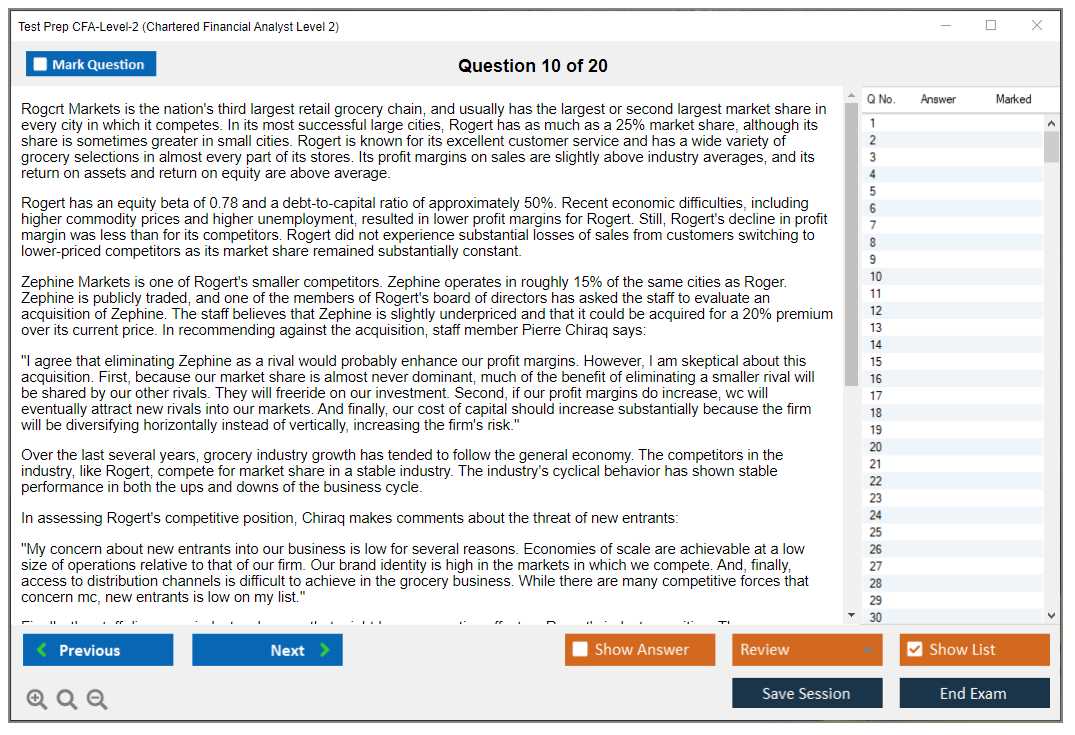
2. Time Constraints: The exam consists of 75 multiple-choice questions that must be answered within a limited time frame. Time management skills are crucial to ensure all questions are answered thoroughly and accurately. Practicing timed mock exams can help candidates become more comfortable with the time constraints and develop strategies to answer efficiently.
3. Application of Knowledge to Real-Life Scenarios: The exam often presents hypothetical situations that require candidates to apply their knowledge of laws, regulations, and ethical principles to make the best decision. This can be challenging as the scenarios may involve complex ethical dilemmas and require critical thinking skills. Analyzing similar case scenarios and discussing them with peers or mentors can help candidates develop the necessary analytical skills.
4. Anxiety and Stress: The pressure to perform well on the CA LCSW Law and Ethics Exam can lead to anxiety and stress. Test anxiety can hinder the ability to recall information and think clearly during the exam. Developing relaxation techniques, such as deep breathing exercises, is essential to manage test anxiety. Additionally, maintaining a healthy lifestyle and getting enough rest can help reduce overall stress levels.
Tips for Success:
- Start studying early and create a study schedule to ensure adequate preparation time.
- Utilize resources such as study guides, textbooks, online courses, and practice exams to enhance understanding of the exam content.
- Participate in study groups or seek guidance from experienced professionals to clarify any doubts or difficulties.
- Practice time management skills by setting time limits for practice exams and regularly monitoring progress.
- Familiarize yourself with the exam format and types of questions by reviewing sample questions and previous exam materials.
- Take care of your mental and physical well-being by practicing self-care techniques, exercising regularly, and getting enough sleep.
By addressing these common challenges head-on and implementing effective study strategies, candidates can improve their chances of passing the CA LCSW Law and Ethics Exam and becoming licensed LCSWs.
Resources for Studying for the CA LCSW Law and Ethics Exam
If you are preparing to take the California Licensed Clinical Social Worker (LCSW) Law and Ethics Exam, it is important to have access to a variety of resources to enhance your studying experience. This exam is a crucial step in becoming a licensed clinical social worker in the state of California, so being well-prepared is essential.
Here are some resources that can help you in your studying journey:
- Study guides and textbooks: There are several study guides and textbooks available specifically designed to help you prepare for the CA LCSW Law and Ethics Exam. These resources provide comprehensive coverage of the topics and concepts that will be tested on the exam.
- Online courses and workshops: Many online platforms offer courses and workshops that are dedicated to helping individuals prepare for the CA LCSW Law and Ethics Exam. These interactive courses provide in-depth explanations and practice questions to ensure you are well-prepared for the exam.
- Practice exams: Taking practice exams can be extremely beneficial in familiarizing yourself with the format and types of questions that will be on the CA LCSW Law and Ethics Exam. There are many websites and study resources that offer practice exams specifically tailored to this exam.
- Study groups or study partners: Joining a study group or partnering with a study partner can provide additional support and motivation during your exam preparation. Collaborating with others can help you clarify any confusing topics and discuss different approaches to answering exam questions.
- Professional associations and forums: Professional social work associations, such as the National Association of Social Workers (NASW), often have resources and forums specifically dedicated to discussing the CA LCSW Law and Ethics Exam. These platforms can provide valuable insights, tips, and resources from individuals who have already taken the exam.
Remember, studying for the CA LCSW Law and Ethics Exam requires dedication and perseverance. Utilizing a combination of resources, such as study guides, online courses, and practice exams, can help you feel more confident and prepared on exam day. Good luck!