Unraveling the Mysteries: A Comprehensive DNA and Protein Synthesis Test Answer Key
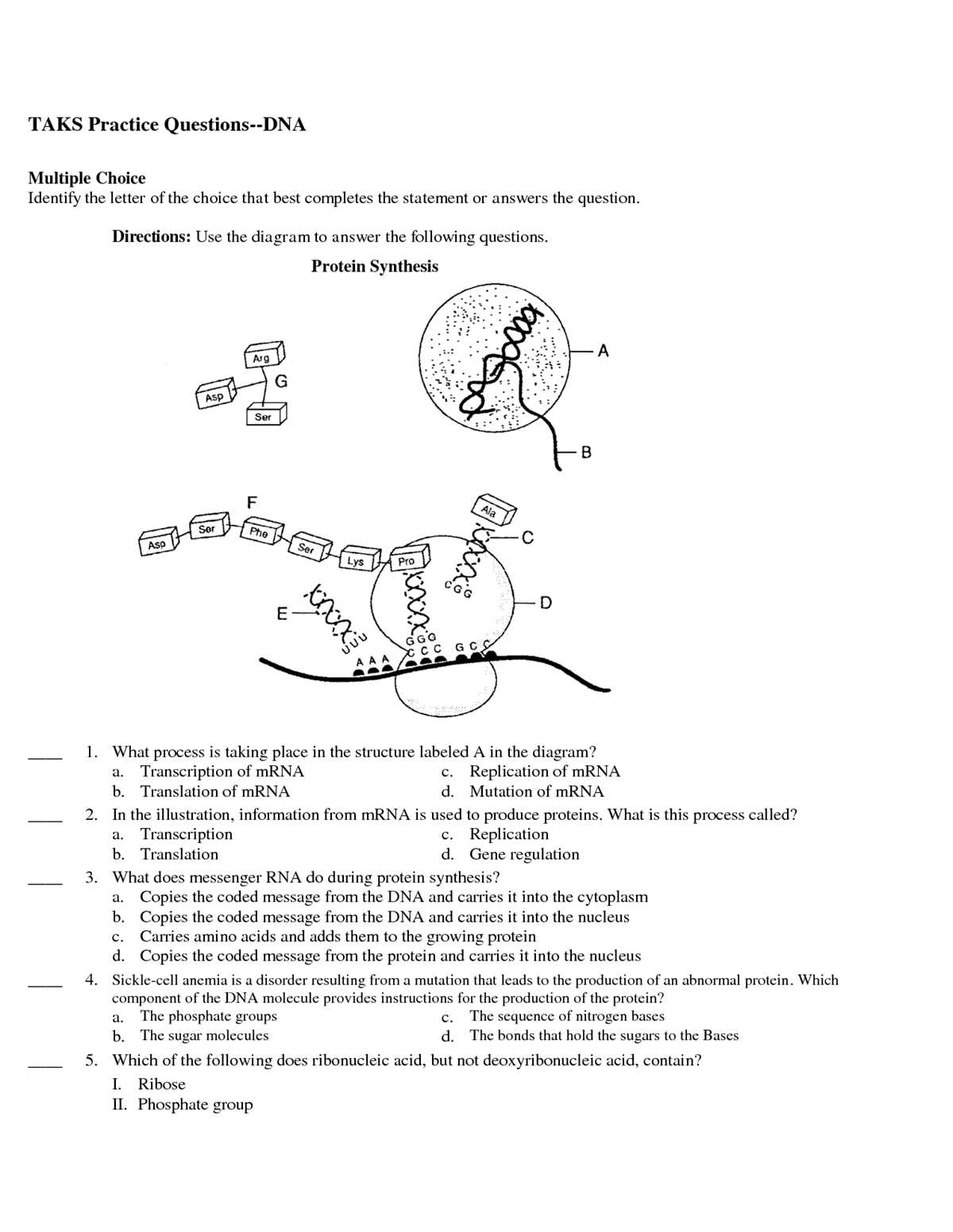
DNA and protein synthesis are two fundamental processes that play a crucial role in the functioning of all living organisms. The information encoded in DNA is responsible for the synthesis of proteins, which are the building blocks of cells and perform various functions in the body. Understanding these processes is essential for understanding genetics, evolution, and the development of diseases.
During the DNA and protein synthesis test, students are assessed on their knowledge of these processes. The test includes questions about the structure of DNA, the steps of DNA replication, the transcription and translation processes, and the role of different molecules and enzymes involved. The answer key provides correct answers to these questions, allowing students to assess their understanding and identify areas where they need improvement.
The answer key not only provides the correct answers but also offers explanations for each answer. This helps students understand the reasoning behind the correct response and reinforces their understanding of the topic. Additionally, the answer key may include tips and strategies for approaching different types of questions, helping students develop critical thinking and problem-solving skills.
DNA and Protein Synthesis Test Answer Key
In order to understand the key concepts of DNA and protein synthesis, it is important to review the answers to the test questions. The test covered topics such as DNA structure, DNA replication, transcription, translation, and genetic mutations. Here is the answer key for the test:
Question 1:
What is the structure of DNA?
Answer: DNA is a double-stranded molecule that resembles a twisted ladder, with two strands of nucleotides held together by hydrogen bonds.
Question 2:
What is DNA replication?
Answer: DNA replication is the process by which DNA makes an exact copy of itself. It occurs during cell division and ensures that each new cell receives a complete set of DNA.
Question 3:
What is transcription?
Answer: Transcription is the process by which DNA is converted into RNA. During transcription, an enzyme called RNA polymerase makes a complementary RNA strand based on the DNA template.
Question 4:
What is translation?
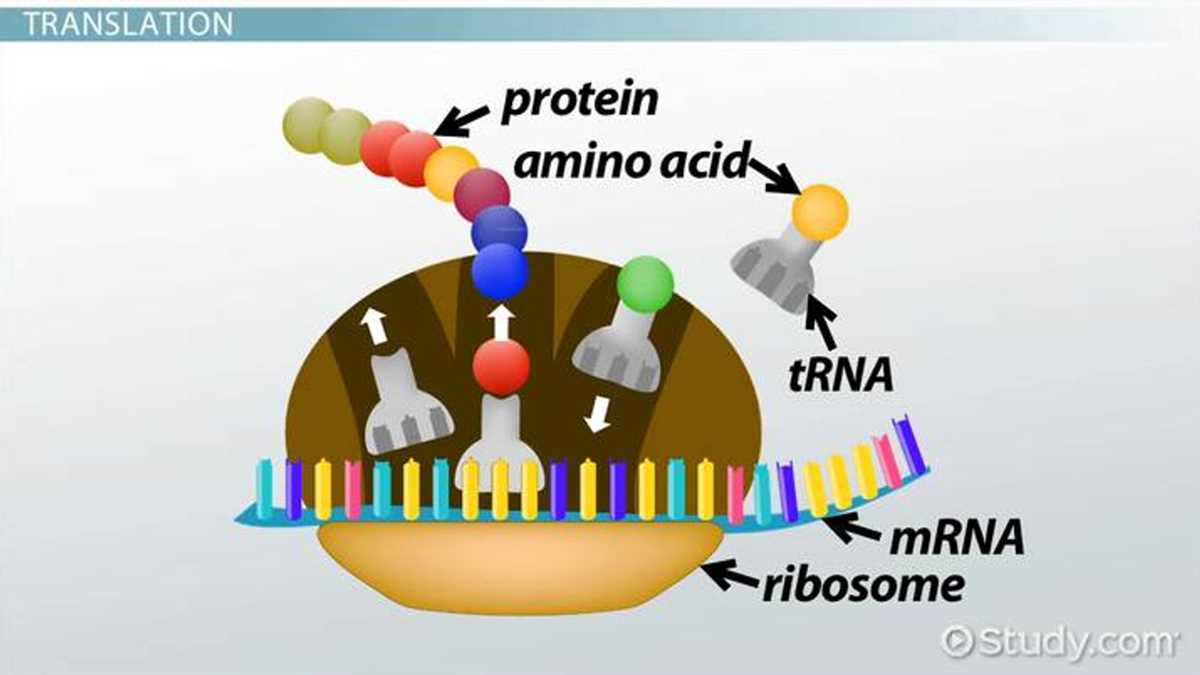
Answer: Translation is the process by which RNA is used to make proteins. During translation, the mRNA strand is read by ribosomes, and amino acids are brought in by transfer RNA (tRNA) to create a polypeptide chain.
Question 5:
What are genetic mutations?
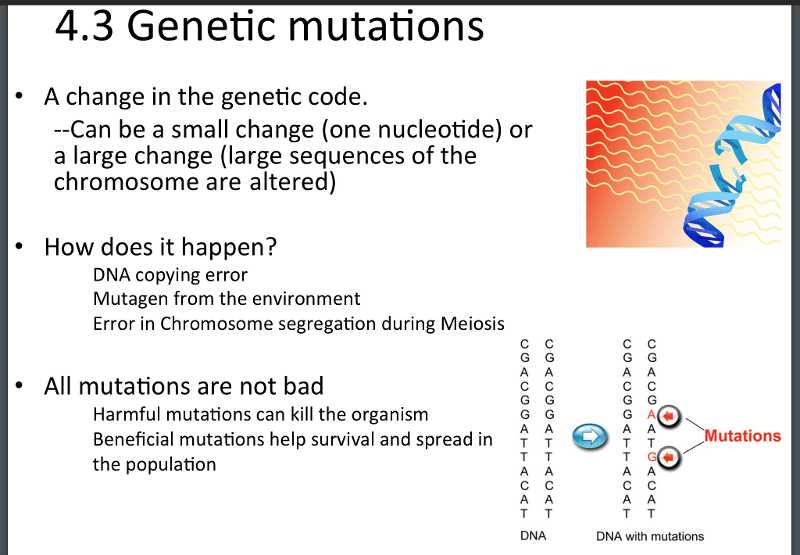
Answer: Genetic mutations are changes in the DNA sequence. They can occur spontaneously or be caused by environmental factors, and they can have various effects on an organism, including causing genetic disorders or contributing to genetic diversity.
It is important to thoroughly understand these concepts as they form the foundation of our understanding of genetics and molecular biology. By reviewing the test answers, students can reinforce their knowledge and identify any areas that may need further study.
Key Concepts of DNA and Protein Synthesis
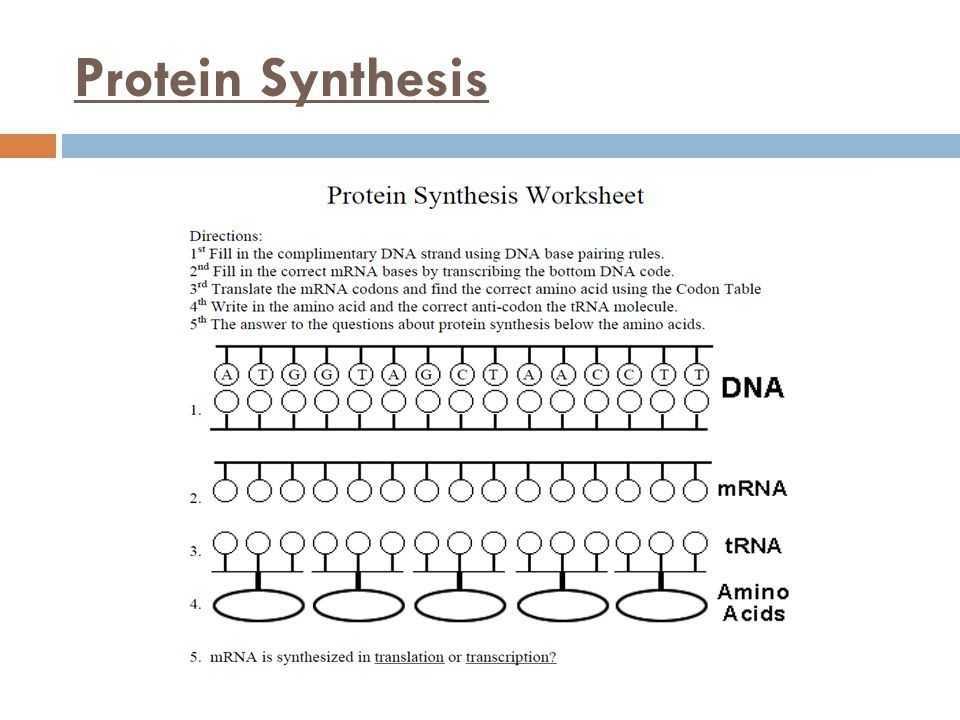
DNA (deoxyribonucleic acid) is a molecule that carries the genetic instructions for the development and functioning of all living organisms. It is composed of nucleotides, which are made up of a sugar, a phosphate group, and a nitrogenous base. The four nitrogenous bases found in DNA are adenine (A), thymine (T), cytosine (C), and guanine (G). These bases pair up in a specific way: adenine with thymine and cytosine with guanine. This base pairing pattern is essential for DNA replication and protein synthesis.
Protein synthesis is the process by which cells build proteins, the molecules responsible for carrying out most cellular functions. It involves two main steps: transcription and translation. During transcription, a section of DNA is copied into a molecule called messenger RNA (mRNA) by an enzyme called RNA polymerase. The mRNA molecule carries the genetic information from the DNA to the ribosomes, where translation occurs. During translation, the mRNA is read by a group of molecules called transfer RNA (tRNA), which bring the corresponding amino acids to the ribosome. The ribosome then links the amino acids together to form a polypeptide chain, which folds into a protein.
Gene expression is the process by which information from a gene is used to create a functional product, such as a protein. It involves the transcription and translation of the gene’s DNA sequence. The sequence of bases in a gene determines the sequence of amino acids in a protein, which in turn determines the protein’s structure and function. Mutations, changes in the DNA sequence, can alter the protein that is produced and can have a wide range of effects. Understanding the key concepts of DNA and protein synthesis is crucial for understanding how genes function and how variations in the DNA sequence can lead to different phenotypes and diseases.
- DNA carries genetic instructions for the development and functioning of all living organisms.
- Protein synthesis is the process by which cells build proteins.
- Transcription is the process of copying DNA into messenger RNA.
- Translation is the process of synthesizing proteins using the information carried by mRNA.
- Gene expression involves the transcription and translation of a gene’s DNA sequence.
- Mutations can alter the protein produced and have significant effects on an organism.
Understanding DNA Structure
DNA, short for deoxyribonucleic acid, is a molecule that carries the genetic information in all living organisms. It is a double-stranded helix structure, consisting of nucleotides. Each nucleotide contains a sugar molecule (deoxyribose), a phosphate group, and one of four nitrogenous bases: adenine (A), thymine (T), guanine (G), and cytosine (C). The arrangement of these bases along the DNA molecule forms the genetic code that determines an organism’s traits and functions.
The double helix structure of DNA is an iconic image in biology. It consists of two complementary strands that are coiled around each other in a twisted ladder shape. The sugar and phosphate molecules make up the backbone of the DNA molecule, while the nitrogenous bases are attached to the sugar molecules. The bases on one strand are paired with the bases on the opposite strand through hydrogen bonds: adenine pairs with thymine, and guanine pairs with cytosine.
The structure of DNA is crucial for its function as the carrier of genetic information. The double helix provides stability to the molecule and protects the genetic code from damage. The pairing of complementary bases allows DNA to replicate itself during cell division, ensuring that each new cell receives an identical copy of the genetic information.
In addition to its role in heredity, DNA also plays a crucial role in protein synthesis. The genetic code carried by DNA is transcribed into messenger RNA (mRNA), which then serves as a template for protein synthesis. The sequence of bases along the DNA molecule determines the sequence of amino acids in a protein. This process, known as transcription and translation, enables the production of proteins that perform essential functions in cells and organisms.
Understanding the structure of DNA is fundamental to understanding the mechanisms of genetic inheritance and protein synthesis. It provides a foundation for studying the complexities of life and the diversity of living organisms.
The Process of DNA Replication
DNA replication is a crucial process that ensures the accurate transmission of genetic information from one generation to the next. It is an essential step in cell division and occurs during the S phase of the cell cycle. This process involves the duplication of the entire DNA molecule, resulting in two identical copies of the original DNA strand.
The process of DNA replication begins with the unwinding of the DNA double helix. The enzyme helicase unwinds and separates the two DNA strands, breaking the hydrogen bonds between the nitrogenous bases. This creates a replication fork, where the two strands separate and serve as templates for new DNA synthesis.
Next, the enzyme DNA polymerase adds complementary nucleotides to each of the template strands. The nucleotides are added in a specific order, following the base-pairing rules: adenine (A) with thymine (T), and cytosine (C) with guanine (G). The result is the formation of two new strands of DNA that are complementary to the original template strands.
While DNA polymerase is responsible for the majority of DNA synthesis, there are other enzymes involved in the replication process. For example, DNA ligase joins the newly synthesized DNA fragments, called Okazaki fragments, on the lagging strand. This ensures the continuity of the DNA strand.
The process of DNA replication is highly accurate due to various mechanisms in place to correct errors. DNA polymerase has proofreading capabilities and can remove and replace incorrect nucleotides. Additionally, there are repair mechanisms that can fix any mistakes that may occur during replication.
In summary, DNA replication is a complex process that ensures the faithful transmission of genetic information. It involves the unwinding of the DNA double helix, the addition of complementary nucleotides, and the joining of newly synthesized fragments. This process is crucial for cell division and the preservation of genetic integrity.
Transcription: From DNA to RNA
Transcription is a vital process in the central dogma of molecular biology, where genetic information encoded in DNA is transcribed into RNA. This process occurs in the nucleus of eukaryotic cells and the cytoplasm of prokaryotic cells. Transcription involves the synthesis of a complementary strand of RNA using one of the DNA strands as a template.
Initiation: Transcription begins with the binding of an enzyme called RNA polymerase to a specific region on the DNA molecule called the promoter. The promoter provides the initiation site for transcription and plays a crucial role in determining which genes are transcribed.
Elongation: Once the RNA polymerase is bound to the promoter, it begins to unwind the DNA double helix, creating a transcription bubble. The enzyme then moves along the DNA template strand, synthesizing a complementary RNA molecule by adding nucleotides to the growing RNA chain. The RNA polymerase reads the DNA template in a 3′ to 5′ direction, but synthesizes the RNA molecule in a 5′ to 3′ direction.
Termination: The synthesis of RNA continues until the RNA polymerase reaches a termination signal on the DNA template. This signal causes the RNA polymerase to detach from the DNA molecule and release the newly synthesized RNA molecule. In most cases, the termination signal is followed by a sequence of nucleotides that form a hairpin structure in the RNA molecule, facilitating its release.
During transcription, the DNA template strand serves as the basis for RNA synthesis, with complementary base pairing ensuring the accuracy of the process. However, there are some differences between DNA and RNA synthesis. For example, in RNA synthesis, the nucleotide uracil (U) is used instead of thymine (T) as a complementary base to adenine (A).
Functions of Transcription:
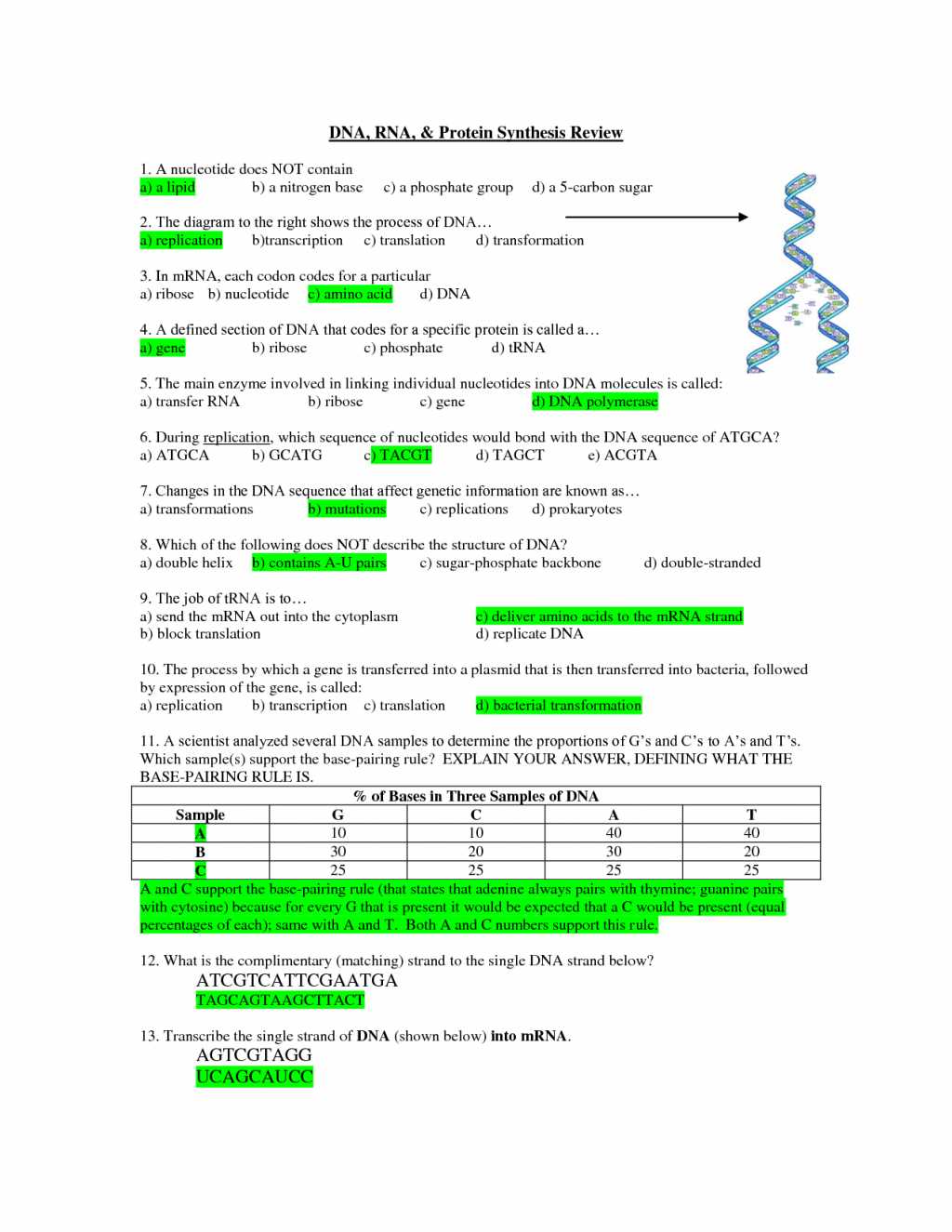
Transcription plays a crucial role in gene expression and cellular functioning. It allows the genetic information encoded in DNA to be transcribed into RNA, which can then be used to synthesize proteins. The RNA molecules produced during transcription can also have other functions in the cell, such as serving as structural or regulatory components.
- Ribosomal RNA (rRNA): These RNA molecules form the core structure of ribosomes, which are responsible for protein synthesis.
- Messenger RNA (mRNA): These RNA molecules carry the genetic information from the DNA to the ribosomes, where it is used as a template for protein synthesis.
- Transfer RNA (tRNA): These RNA molecules play a crucial role in protein synthesis by bringing amino acids to the ribosomes based on the information encoded in the mRNA.
Overall, transcription is a complex process that allows the genetic information stored in DNA to be utilized in a variety of ways, including the synthesis of proteins and other functional RNA molecules.
Translation: From RNA to Protein
In molecular biology, translation is the process by which the genetic information encoded in messenger RNA (mRNA) is used to produce a protein. It is an essential step in protein synthesis, where the instructions carried by the mRNA molecule are decoded and translated into a specific sequence of amino acids, which then fold into a functional protein.
The process of translation involves several key players, including ribosomes, transfer RNA (tRNA), and various protein factors. Ribosomes, which consist of large and small subunits, serve as the site of protein synthesis. The mRNA binds to the ribosome, and the ribosome moves along the mRNA molecule, reading the sequence of nucleotides in groups of three called codons.
Transfer RNA (tRNA) molecules play a crucial role in translation. Each tRNA molecule carries a specific amino acid and has an anticodon sequence that is complementary to the codon on the mRNA. As the ribosome moves along the mRNA, tRNA molecules bind to the corresponding codons, bringing the amino acids together to form a polypeptide chain.
Initiation, elongation, and termination are the three main stages of translation. During initiation, the ribosome assembles on the mRNA, and the first tRNA brings the amino acid Methionine, which serves as the start codon. Elongation involves the addition of amino acids to the growing polypeptide chain, guided by the mRNA sequence and tRNA molecules. Termination occurs when the ribosome reaches a stop codon on the mRNA, which signals the end of protein synthesis.
Overall, translation is a complex and highly regulated process that is essential for the functioning of cells. Understanding the details of translation has important implications for various fields, including genetics, biotechnology, and medicine.
Analyzing DNA and Protein Synthesis Test Questions
The DNA and protein synthesis test is an important assessment that measures students’ understanding of the complex processes involved in DNA replication, transcription, and translation. In this article, we have analyzed some of the key questions from the test to provide a comprehensive overview of the concepts covered and to help students reinforce their knowledge.
DNA Structure and Replication:
- What are the four nitrogen bases in DNA?
- Explain the process of DNA replication.
- What is the role of DNA polymerase in replication?
Transcription:
- What is transcription and where does it occur in the cell?
- Describe the steps involved in transcription.
- What is the function of RNA polymerase during transcription?
Translation:
- What is translation and where does it occur in the cell?
- Explain the role of mRNA, tRNA, and ribosomes in translation.
- How does the genetic code determine the sequence of amino acids in a protein?
By analyzing these test questions, students can gain a deeper understanding of the fundamental concepts related to DNA and protein synthesis. It is essential for students to grasp these concepts as they form the basis for further understanding in the field of molecular biology. Remember to review your answers and seek clarification from your instructor if needed.