Putting Miter Saw Safety to the Test: What You Need to Know

Using a miter saw can be a convenient way to make accurate and precise cuts in wood, but it is crucial to understand and follow proper safety measures. A miter saw is a powerful tool that can cause serious injuries if not used correctly. This article aims to inform readers about the importance of miter saw safety and provide tips and guidelines to ensure safe usage.
One of the most critical aspects of miter saw safety is wearing the appropriate personal protective equipment (PPE). This includes safety glasses to protect the eyes from flying debris, hearing protection to prevent hearing damage from the loud noise of the saw, and a dust mask to avoid inhalation of harmful dust particles. Additionally, it is essential to wear clothing that fits well and does not hang loose, as loose clothing can get caught in the moving parts of the saw.
Another crucial safety measure is to keep the work area clean and free of any obstacles. Clutter around the saw can increase the risk of accidents and interfere with the smooth operation of the tool. It is also important to ensure that the miter saw is mounted securely to prevent any movement during use. Stable and sturdy workbenches or stands can help provide a safe and secure working environment.
Miter Saw Safety Test
A miter saw is a powerful and versatile tool that is commonly used in woodworking and construction projects. However, it can also be a dangerous tool if not used properly. To ensure the safety of its users, it is important to conduct a miter saw safety test before using the tool. This test helps identify any potential hazards and ensures that the user is aware of the proper safety procedures.
One of the key aspects of the miter saw safety test is checking the condition of the tool. This includes inspecting the blade for any signs of wear or damage, as well as checking the power cord and plug for any fraying or exposed wires. It is also important to ensure that the saw is securely mounted to a stable surface and that all adjustments and locking mechanisms are in proper working order.
During the safety test, it is crucial to familiarize yourself with the various safety features of the miter saw. This includes understanding how to properly position your hands and fingers, as well as how to secure the workpiece and use the blade guard. Additionally, it is important to wear the appropriate safety gear, such as safety glasses and ear protection, to protect yourself from any potential flying debris or loud noise.
Another important aspect of the miter saw safety test is practicing proper cutting techniques. This includes maintaining a firm grip on the workpiece, ensuring that it is securely positioned against the fence, and using a slow and steady cutting motion. It is also important to never reach over the blade or make any adjustments while the blade is still spinning.
In conclusion, conducting a miter saw safety test is essential to ensure the safe and proper use of the tool. By checking the condition of the tool, familiarizing yourself with the safety features, and practicing proper cutting techniques, you can greatly reduce the risk of accidents or injuries while using a miter saw.
The Importance of Miter Saw Safety
Miter saws are powerful tools that can make precise cuts in various materials, such as wood, metal, and plastic. However, they can also be dangerous if not used properly. It is crucial to prioritize miter saw safety to prevent accidents and ensure a safe working environment.
1. Proper Handling and Set-up
One of the first steps in miter saw safety is to handle and set up the tool correctly. This includes wearing appropriate personal protective equipment (PPE), such as safety glasses and ear protection, to prevent eye and ear injuries. It is also essential to read the manufacturer’s instructions carefully and follow all safety guidelines when assembling and adjusting the miter saw.
2. Secure Workpiece and Work Area
Before making any cuts, it is important to ensure that the workpiece is securely fastened to the miter saw table or workbench. This prevents the material from moving or being thrown back, reducing the risk of injury. Additionally, the work area should be clear of any obstructions or potential hazards to avoid accidents while operating the miter saw.
3. Pay Attention to Blade Safety
The miter saw blade is a crucial part of the tool, and it should be treated with caution. It is essential to choose the right blade for the material being cut and ensure it is properly mounted and tightened. Regularly inspect the blade for any signs of damage or wear and replace it if necessary. It is also necessary to wait for the blade to come to a complete stop before removing any cut pieces or making adjustments.
4. Use Proper Cutting Technique
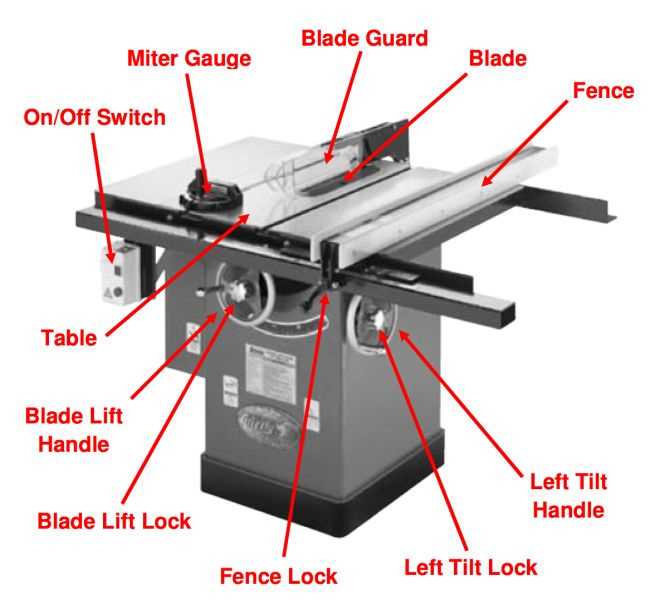
Using the appropriate cutting technique is vital for miter saw safety. It is important to maintain a stable stance and grip on the tool, keeping hands away from the blade and cutting area. Start the cut slowly and smoothly, and avoid forcing the material through the blade. Additionally, support the workpiece adequately to prevent it from moving or falling during the cut.
In conclusion, miter saw safety is of utmost importance to protect oneself and others from potential accidents. By following proper handling and set-up procedures, securing the workpiece and work area, paying attention to blade safety, and using proper cutting techniques, the risk of injury can be significantly reduced. Prioritizing miter saw safety allows for efficient and precise cutting while ensuring a safe working environment.
Understanding the Key Safety Features of a Miter Saw
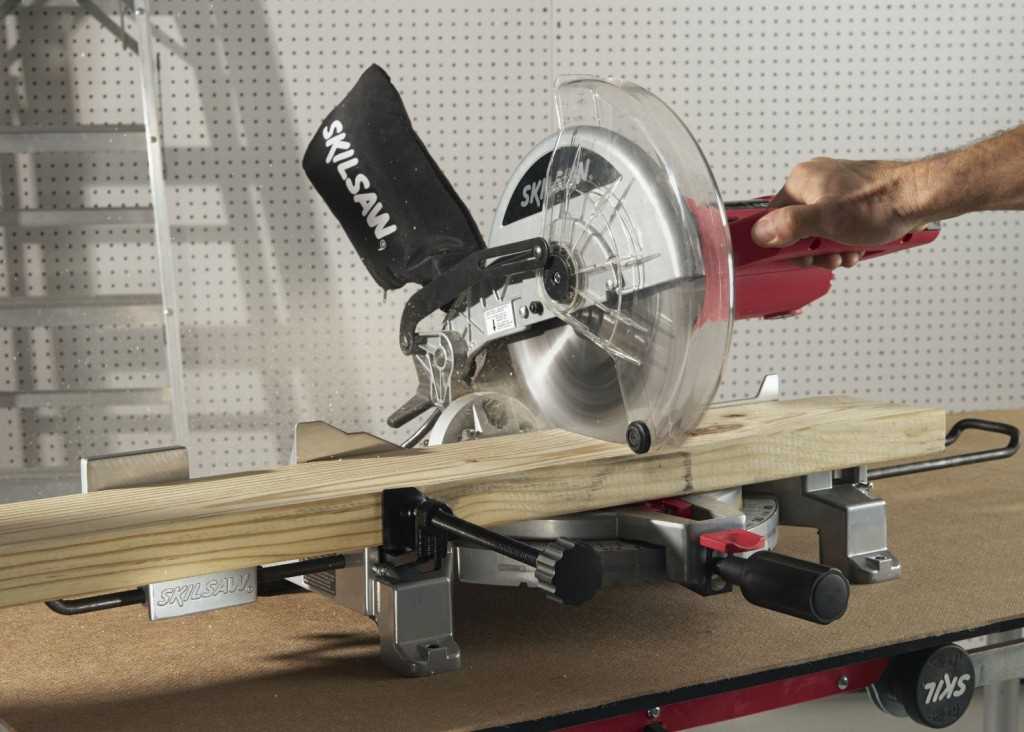
When using a miter saw, it is important to be aware of the key safety features that are designed to protect the user and prevent accidents. These features not only help to ensure the safe operation of the saw, but also promote efficiency and accuracy in work.
Blade Guard: The blade guard is one of the most important safety features of a miter saw. It is a protective cover that surrounds the blade when it is not in use, preventing accidental contact with the sharp edges. The blade guard should automatically retract when the saw is in cutting position, and should remain in place when the saw is not in use.
Fence and Hold-Down Clamp: The fence is a guide that helps to keep the workpiece in place during cutting. It provides stability and accuracy, reducing the risk of the material shifting or sliding. The hold-down clamp is an additional safety feature that holds the workpiece securely against the fence, minimizing the chances of it being lifted or thrown by the blade’s rotation.
Electric Brake: An electric brake is a safety feature that rapidly stops the blade from spinning when the power is turned off. This feature reduces the risk of accidental contact with the blade after the saw has been turned off, preventing potential injuries.
Dust Collection System: Miter saws can generate a significant amount of sawdust and debris during operation. A dust collection system helps to keep the work area clean and clear, reducing the risk of slipping or tripping on scattered debris. It also improves visibility and prevents inhalation of harmful particles.
Anti-Kickback System: Kickback is a dangerous situation that can occur when the workpiece is forcefully thrown back towards the operator. Miter saws with an anti-kickback system have features like a riving knife or splitter that prevents kickback by keeping the workpiece from binding or twisting during cutting.
Positive Stops: Positive stops are predetermined angles that allow the user to make accurate and repeatable cuts without the need for manual adjustments. These stops enhance safety by eliminating the need for measuring and marking, reducing the risk of errors and ensuring precise cuts.
By understanding and utilizing the key safety features of a miter saw, users can work with confidence and minimize the risks associated with using this powerful tool.
Preparing Yourself for the Test: Necessary Safety Equipment
Before taking the miter saw safety test, it is important to ensure that you have the necessary safety equipment. This equipment will help protect you from potential hazards and ensure a safe working environment.
1. Safety Glasses: Eye protection is essential when working with power tools, including miter saws. Safety glasses should be worn at all times to prevent any debris or particles from entering the eyes.
2. Ear Protection: Miter saws can generate high levels of noise, which can be damaging to your hearing if exposed for long periods. Ear protection, such as earmuffs or earplugs, should be worn to reduce the risk of hearing loss.
3. Dust Mask: Miter saws produce a significant amount of dust and debris. Inhaling this dust can be harmful to your respiratory system. It is important to wear a dust mask or respirator to protect your lungs from any potential health risks.
4. Non-Slip Footwear: When operating a miter saw, it is important to have stable footing to maintain balance and prevent accidents. Wearing non-slip footwear, such as work boots or shoes with slip-resistant soles, can help prevent slips and falls.
5. Protective Clothing: To ensure safety while using a miter saw, it is advisable to wear appropriate clothing. Loose clothing or jewelry can get caught in the saw, posing a serious risk. It is recommended to wear fitted clothing and remove any accessories that may interfere with the operation.
6. First Aid Kit: Accidents can happen even with the proper safety precautions. Having a well-stocked first aid kit nearby is important to provide immediate treatment in case of any injuries. Be familiar with the contents of the kit and know how to use them.
- Note: The safety equipment mentioned above is not exhaustive, and additional protective gear may be required depending on the specific requirements and regulations of your workplace or test environment.
Taking the Miter Saw Safety Test: Step-by-Step Instructions
Using a miter saw can be a useful and efficient way to make precise angled cuts in wood and other materials. However, it is important to prioritize safety when operating a miter saw to avoid accidents and injuries. One way to ensure that you are knowledgeable about the proper safety procedures is to take a miter saw safety test. Here are step-by-step instructions on how to take the test and ensure you have a clear understanding of miter saw safety.
1. Research the Test

Before taking the miter saw safety test, it is important to research and familiarize yourself with the topics and questions that may be covered. Look for online resources or training materials that provide information on miter saw safety, such as safety guidelines, proper usage techniques, and common hazards to be aware of. This will help you prepare for the test and ensure you have a good understanding of the subject matter.
2. Take Practice Quizzes
To better assess your knowledge and identify any areas of weakness, it is beneficial to take practice quizzes or tests related to miter saw safety. These quizzes can be found online or may be provided by your employer or training program. By taking these practice quizzes, you can gauge your understanding of miter saw safety and identify any areas that may require further study or clarification.
3. Review Study Materials
To further enhance your understanding of miter saw safety, review any study materials that are available to you. These materials may include manuals, guides, or instructional videos that provide detailed information on miter saw safety protocols. Pay close attention to proper operating procedures, safety features of the miter saw, and steps to take in case of an emergency. Reviewing these materials will help reinforce your knowledge and ensure you are well-prepared for the safety test.
4. Take the Safety Test
Once you feel confident in your understanding of miter saw safety, it is time to take the actual safety test. This may be administered online, in-person, or as part of a training program. Read each question carefully and take your time to select the most appropriate answer. If you are unsure about a particular question, try to eliminate any obviously incorrect answers and make an educated guess. After completing the test, review your answers to identify any mistakes or areas that need improvement.
By following these step-by-step instructions, you can ensure that you are well-prepared to take a miter saw safety test. Remember, prioritizing safety and understanding proper usage techniques is crucial when operating power tools like a miter saw. Taking the time to educate yourself and pass a safety test will not only protect yourself but also those around you while using a miter saw.
Common Mistakes to Avoid When Using a Miter Saw
Using a miter saw can greatly improve the efficiency and accuracy of your woodworking projects. However, it is important to use this power tool with caution and adhere to safety guidelines. To ensure a safe working environment, it is essential to avoid certain common mistakes when using a miter saw.
1. Failing to wear appropriate safety gear: Always wear safety glasses to protect your eyes from flying debris and ear protection to minimize the impact of loud noise. Additionally, wear gloves to protect your hands and a dust mask to avoid inhaling airborne particles.
2. Holding the workpiece incorrectly: It is crucial to secure the workpiece firmly against the fence and table of the miter saw. Failing to do so can lead to inaccurate cuts or even kickback, which can be dangerous. Use clamps or other appropriate methods to secure the workpiece in place.
3. Neglecting to check the miter and bevel angles: Before making a cut, make sure to check the miter and bevel angles on your miter saw. Failing to do so can result in inaccurate cuts and negatively affect the overall quality of your project.
4. Rushing the cut: Take your time when using a miter saw. Rushing the cut can lead to mistakes and accidents. Plan your cuts carefully, ensure the saw is properly aligned, and always maintain a steady and controlled pace when cutting through the workpiece.
5. Using the wrong blade: Different materials require different blades. Using the wrong blade can result in poor cuts, damage to the workpiece, and potential injury. Ensure you are using the appropriate blade for the material you are cutting to achieve clean and accurate results.
6. Overloading the miter saw: Every miter saw has a specified maximum cutting capacity. Exceeding this capacity can damage the saw or cause it to malfunction, posing a serious safety risk. Always check the manufacturer’s guidelines and stay within the recommended limits.
By avoiding these common mistakes, you can reduce the risk of accidents and ensure a successful and safe woodworking experience with your miter saw.
Benefits of Passing the Miter Saw Safety Test: Ensuring a Safe Work Environment
Passing the miter saw safety test is an essential step towards ensuring a safe work environment in any woodworking setting. This test evaluates an individual’s understanding of the proper and safe use of a miter saw, which is a powerful tool commonly used for making accurate cuts in various materials such as wood, metal, and plastic.
- Reduced risk of accidents: By passing the miter saw safety test, individuals demonstrate their knowledge of the potential hazards associated with operating a miter saw and the necessary safety precautions to mitigate these risks. This knowledge significantly reduces the chances of accidents and injuries in the workplace.
- Enhanced productivity: When workers are confident in their ability to operate a miter saw safely, they can focus more on their tasks and become more efficient. By passing the safety test, employees gain a better understanding of the correct techniques for using the miter saw, resulting in improved productivity and overall work quality.
- Compliance with regulations: Many woodworking workshops and job sites require employees to pass a miter saw safety test as part of their training and certification process. By successfully completing this test, workers demonstrate their compliance with these regulations, ensuring a safe and legal work environment.
- Protection against liability: In the unfortunate event of an accident or injury involving a miter saw, employers can provide evidence of their employees’ completion of the safety test to demonstrate their commitment to safety and adherence to industry standards. This can help protect businesses from potential legal liabilities.
In conclusion, passing the miter saw safety test offers numerous benefits and is crucial for maintaining a safe work environment. It reduces the risk of accidents, enhances productivity, ensures compliance with regulations, and provides protection against liability. By prioritizing miter saw safety and encouraging employees to pass the safety test, employers can create a culture of safety and minimize the potential risks associated with operating this powerful tool.