Master the Earth Science Regents: Your Ultimate Guide to Questions and Answers

Earth science is a fascinating subject that encompasses a wide range of topics, from the study of rocks and minerals to the exploration of outer space. The Earth Science Regents exam is a test that assesses students’ knowledge and understanding of these subjects. This exam is typically taken by high school students in New York State as part of their graduation requirements.
The Earth Science Regents exam consists of multiple-choice questions, as well as constructed-response questions that require students to explain their reasoning and demonstrate their understanding of key scientific concepts. It covers topics such as geology, meteorology, astronomy, and oceanography, among others. It is designed to challenge students and provide a comprehensive assessment of their knowledge and skills in earth science.
In order to prepare for the Earth Science Regents exam, students should review key concepts and practice answering questions similar to those that may be on the exam. It is also important to develop good study habits, such as creating a study schedule and utilizing resources such as textbooks, online materials, and study guides. Additionally, seeking help from teachers or tutors can be beneficial in clarifying any areas of confusion or difficulty.
Earth Science Regents Questions and Answers
Are you preparing for the Earth Science Regents exam? Need some practice questions and answers to help you study? Look no further! Below, you will find a selection of Earth Science Regents questions and their corresponding answers to help you review for the exam.
Question 1: What is the difference between weathering and erosion?
Answer: Weathering is the process by which rocks and minerals are broken down into smaller pieces by physical, chemical, or biological agents. Erosion, on the other hand, is the process by which these smaller pieces of rock and sediment are transported and removed from their original location by wind, water, or ice.
Question 2: What causes earthquakes?
Answer: Earthquakes are caused by the sudden release of energy in the Earth’s crust that creates seismic waves. This energy can be released due to tectonic plate movements, volcanic activity, or human activities such as mining or fracking.
Question 3: How does the greenhouse effect contribute to global warming?
Answer: The greenhouse effect is a natural process in which certain gases in the Earth’s atmosphere trap heat from the sun, preventing it from escaping back into space. However, human activities, such as burning fossil fuels, have increased the concentration of greenhouse gases in the atmosphere, resulting in an enhanced greenhouse effect and the warming of the Earth’s surface.
Question 4: What is the difference between a hurricane and a tornado?
Answer: Both hurricanes and tornadoes are powerful storms, but they differ in their size, formation, and location. Hurricanes are large, rotating storms that form over warm ocean waters and typically have a well-defined eye at their center. In contrast, tornadoes are smaller, more localized storms that form over land and are characterized by a rotating column of air.
Question 5: How does the water cycle work?
Answer: The water cycle is the continuous movement of water between the Earth’s surface, atmosphere, and back again. It begins with evaporation, where water from bodies of water or the ground turns into water vapor and rises into the atmosphere. This water vapor then condenses to form clouds, and eventually, precipitation occurs, with water falling back to the Earth’s surface as rain, snow, sleet, or hail. The process repeats itself, creating a cycle.
Use these questions and answers as a starting point for your Earth Science Regents exam preparation. By familiarizing yourself with these concepts, you will be better equipped to tackle the exam and hopefully achieve success!
What is the Earth Science Regents exam?
The Earth Science Regents exam is a standardized test administered by the New York State Education Department. It is part of the requirements for high school graduation in New York, specifically for students who have completed a course in Earth science. The exam assesses students’ knowledge and understanding of various topics related to Earth science, including geology, meteorology, astronomy, and oceanography.
The Earth Science Regents exam consists of multiple-choice questions, open-ended questions, and a laboratory performance test. The multiple-choice section assesses students’ understanding of key concepts and their ability to apply scientific principles. The open-ended questions require students to provide detailed responses and explanations, demonstrating their analytical and problem-solving skills.
The laboratory performance test is a hands-on assessment that allows students to demonstrate their ability to conduct scientific investigations and analyze data. This section requires students to actively participate in a laboratory setting, following instructions and using various scientific instruments.
To prepare for the Earth Science Regents exam, students typically study a wide range of topics, including Earth’s structure and composition, weather patterns, climate change, plate tectonics, and the water cycle. They also learn about natural disasters, such as earthquakes and volcanic eruptions, and the impact of human activities on the environment.
Passing the Earth Science Regents exam is an important milestone for high school students in New York, as it demonstrates their proficiency in Earth science and contributes to their overall academic record. It also provides them with a strong foundation for further studies and careers in fields related to Earth science, such as meteorology, geology, and environmental science.
Tips for preparing for the Earth Science Regents exam
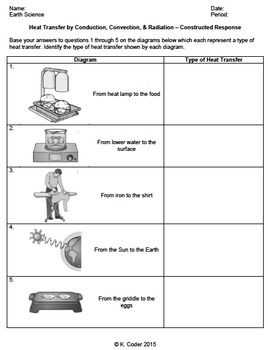
Preparing for the Earth Science Regents exam can be a daunting task, but with the right strategies and resources, you can improve your chances of success. Here are some tips to help you prepare:
- Create a study schedule: Start by mapping out a study schedule that includes regular and consistent study sessions. This will help you stay organized and ensure that you cover all the necessary topics.
- Review class notes and textbooks: Go through your class notes and textbooks to refresh your memory on key concepts and information. Take the time to highlight important points and make flashcards for quick review.
- Practice past exam questions: Familiarize yourself with the format and types of questions that will be on the exam by practicing past regents questions. This will not only help you gauge your understanding of the material but also improve your time management skills.
- Join a study group: Consider joining a study group or finding a study buddy to review the material together. Discussing and explaining concepts to others can help reinforce your own understanding.
- Utilize online resources: Take advantage of online resources such as educational websites, videos, and interactive quizzes to supplement your studying. These can provide additional explanations and examples that may help clarify difficult concepts.
Remember to take breaks and give yourself time to relax and recharge. It’s important to maintain a balance between studying and taking care of your mental and physical well-being. With a dedicated study plan and consistent effort, you’ll be better prepared to tackle the Earth Science Regents exam.
Common topics covered in the Earth Science Regents exam
The Earth Science Regents exam is a comprehensive test that assesses students’ knowledge and understanding of various topics related to earth science. The exam covers a wide range of subjects, including geology, meteorology, astronomy, and oceanography. In order to successfully pass the exam, students must have a strong grasp of these topics and be able to apply their knowledge to various real-world scenarios.
One of the key topics covered in the Earth Science Regents exam is geology. Students are expected to have a solid understanding of the Earth’s structure, including the various layers such as the core, mantle, and crust. They should also be familiar with plate tectonics and the processes of mountain building, volcanic activity, and earthquakes. In addition, students must be able to interpret topographic maps, understand how to identify rocks and minerals, and comprehend the different types of weathering and erosion.
Meteorology is another important topic covered in the exam. Students need to have a good understanding of weather patterns, including how they are formed and the factors that influence them. They should be able to interpret weather maps and understand concepts such as air pressure, humidity, and precipitation. Additionally, students must be familiar with the various types of severe weather, such as hurricanes, tornadoes, and thunderstorms, as well as how they form and the potential risks they pose.
Astronomy is also a significant area of study within the Earth Science Regents exam. Students are expected to have a basic knowledge of the solar system, including the planets, their characteristics, and their movements. They should understand the concept of gravity and how it affects celestial bodies. Furthermore, students should be able to identify and describe different types of celestial objects, such as stars, galaxies, and comets.
Oceanography is the final major topic covered in the Earth Science Regents exam. Students should have a strong understanding of the Earth’s oceans, including the different zones and depths, as well as the various currents and tides. They should also be familiar with the characteristics of coastal environments and the impact of human activity on the oceans. Additionally, students should be able to interpret data related to oceanography, such as temperature, salinity, and chemical composition.
In summary, the Earth Science Regents exam covers a wide range of topics related to earth science, including geology, meteorology, astronomy, and oceanography. Students must have a solid understanding of these subjects in order to successfully pass the exam and demonstrate their knowledge and understanding of the Earth and its various processes.
Sample Earth Science Regents Questions
Preparing for the Earth Science Regents exam can be challenging, but practicing with sample questions can help you become familiar with the format and content of the test. Here are some sample Earth Science Regents questions to help you get started:
Question 1:
Which statement best describes the theory of plate tectonics?
- a) The Earth’s outer layer is broken into several large plates that move relative to each other.
- b) The Earth’s crust is made up of a single solid layer that covers the entire planet.
- c) The Earth’s continents have remained fixed in their current positions for millions of years.
- d) The Earth’s surface is constantly changing due to erosion and weathering.
Question 2:
Which process contributes to the formation of a sedimentary rock?
- a) Melting and solidification of magma
- b) Accumulation and compaction of sediment
- c) Heat and pressure acting on an existing rock
- d) Partial melting and recrystallization of minerals
Question 3:
Which factor most directly influences the climate of a region?
- a) Latitude
- b) Elevation
- c) Distance from the ocean
- d) Proximity to the equator
These sample questions cover topics such as plate tectonics, rock formation, and climate. By practicing with similar questions, you can strengthen your understanding of Earth science concepts and improve your performance on the Regents exam.
How to approach Earth Science Regents multiple-choice questions
In order to succeed in the Earth Science Regents exam, it is important to have a strong approach when answering multiple-choice questions. These questions require critical thinking and careful analysis of both the question and the answer choices. Here are some tips on how to approach Earth Science Regents multiple-choice questions effectively:
1. Read the question carefully
Be sure to read each question carefully and understand what it is asking. Pay attention to any keywords or phrases that may indicate what the question is looking for. This will help you focus on the relevant information when reviewing the answer choices.
2. Review all the answer choices
Before selecting an answer, take the time to review all the answer choices. Sometimes there may be more than one correct answer, or none of the answer choices may be correct. By carefully reviewing all the options, you can make an informed decision.
3. Eliminate incorrect answer choices
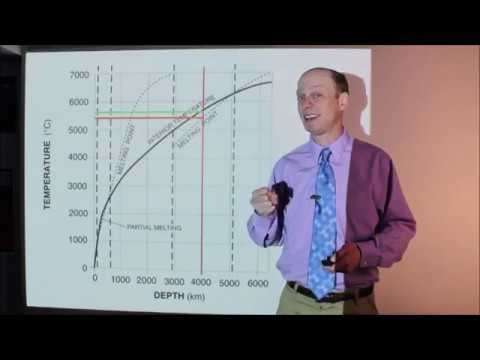
If you are unsure of the correct answer, start by eliminating any answer choices that you know are incorrect. This will narrow down your options and increase your chances of selecting the correct answer. Look for any answer choices that are contradictory or do not align with the information provided in the question.
4. Use context clues
Pay attention to any clues or hints provided in the question or answer choices. Look for key terms or phrases that can help you determine the correct answer. Sometimes the answer may be implied rather than explicitly stated, so it is important to analyze the context of the question.
5. Practice with sample questions
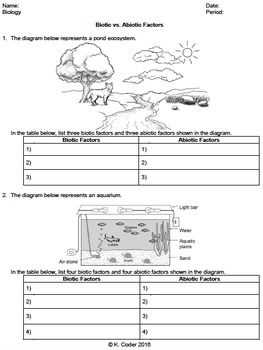
The best way to improve your skills in answering Earth Science Regents multiple-choice questions is through practice. Take the time to work on sample questions and familiarize yourself with the types of questions that may appear on the exam. This will help you become more comfortable and confident in your ability to answer these questions accurately.
By following these tips and practicing regularly, you can approach Earth Science Regents multiple-choice questions with confidence and increase your chances of success on the exam. Remember to read each question carefully, review all the answer choices, eliminate incorrect options, use context clues, and practice as much as possible.
Strategies for Success on the Earth Science Regents Exam

Preparing for the Earth Science Regents exam can be a daunting task, but with the right strategies, you can increase your chances of success. By following these tips, you can feel confident and well-prepared on exam day.
1. Review the content thoroughly
To excel on the Earth Science Regents exam, it is crucial to have a deep understanding of the content. Review your class notes, textbooks, and any additional resources to ensure you have a firm grasp on key concepts, formulas, and vocabulary. Practice answering sample questions to solidify your knowledge.
2. Create a study schedule
Time management is key when preparing for any exam. Create a study schedule that allows you to allocate enough time to review each topic, while still giving yourself breaks. Stick to this schedule to ensure you cover all the necessary material before the exam date.
3. Practice with past exams
One of the best ways to prepare for the Earth Science Regents exam is to practice with past exams. Familiarize yourself with the format, types of questions, and time constraints. This will not only help you become comfortable with the exam structure but also give you an idea of what to expect on the actual day.
4. Seek additional support
If you’re struggling with certain concepts or topics, don’t hesitate to seek additional support. Meet with your teacher, join study groups, or look for online resources that can help clarify any areas of confusion. Remember, it’s okay to ask for help when needed!
5. Pay attention to the exam instructions
On the day of the exam, carefully read and understand the instructions for each section. Pay attention to the point value assigned to each question and plan your time accordingly. By understanding the expectations and requirements, you can ensure that you answer each question effectively and maximize your score.
6. Stay calm and confident
Finally, on the day of the exam, stay calm and confident. Trust in your preparation and the hard work you’ve put in. Take deep breaths, manage your time effectively, and approach each question with a clear mind. Remember that you have the knowledge and skills to succeed!
By following these strategies, you can increase your chances of success on the Earth Science Regents exam. Remember to stay focused, allocate enough time for preparation, and seek help when needed. Good luck!