Master the Evolve Pharmacology Practice Exam with These Tips

Pharmacology is a branch of medicine that deals with the study of drugs and their effects on the human body. It plays a crucial role in modern healthcare as it helps healthcare professionals understand how drugs work, how they interact with each other, and how they affect patients. To ensure that healthcare professionals are well-equipped with the necessary knowledge and skills, pharmacology practice exams are often administered to test their understanding of drug therapy and patient management.
The Evolve Pharmacology Practice Exam is a widely-used tool in the field of pharmacology education. Developed by Elsevier, a leading provider of health science information, this practice exam is designed to assess a student’s understanding of pharmacological principles, drug classifications, and drug therapy management. The exam covers a wide range of topics, including how drugs are metabolized, how they interact with cellular receptors, and how they are eliminated from the body.
By taking the Evolve Pharmacology Practice Exam, students can assess their strengths and weaknesses in pharmacology, identify areas where they need further study, and gain confidence in their ability to provide safe and effective drug therapy to their patients. The exam consists of multiple-choice questions that closely mimic the format of the actual pharmacology exams students will encounter in their educational journey. Additionally, the exam provides detailed explanations for both correct and incorrect answer choices, allowing students to understand the reasoning behind each question and reinforce their knowledge.
A pharmacology practice exam is a test specifically designed to assess and evaluate a person’s knowledge and understanding of pharmacology. It is often used as a tool to gauge an individual’s level of competency in the field of pharmacology and to help identify areas for improvement.
These practice exams typically consist of a series of multiple-choice questions that cover various topics within pharmacology, such as drug classifications, mechanisms of action, pharmacokinetics, and pharmacodynamics. They may also include questions on drug interactions, adverse effects, dosage calculations, and patient education.
Pharmacology practice exams are commonly used by nursing and medical students, as well as healthcare professionals seeking to refresh their knowledge or prepare for licensure or certification exams. They provide an opportunity for individuals to assess their knowledge and identify areas where they may need further study or review.
By taking pharmacology practice exams, individuals can gain confidence in their understanding of pharmacological concepts and improve their test-taking skills. They can also help individuals become more familiar with the format and types of questions commonly found on pharmacology exams, allowing them to feel more prepared and confident on test day.
Benefits of using a practice exam for pharmacology
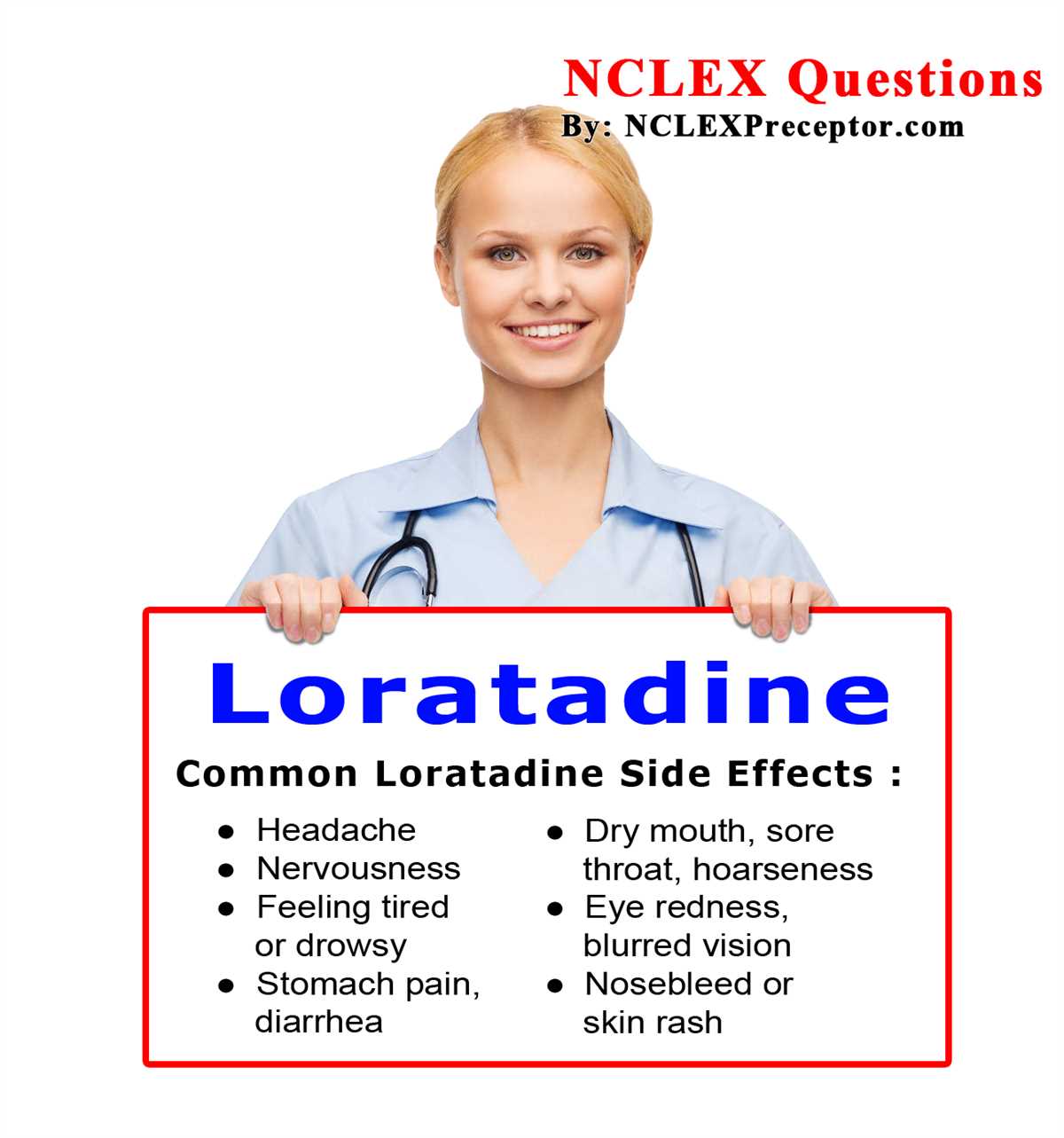
Preparing for a pharmacology exam can be challenging, as the subject requires a thorough understanding of drug classifications, mechanisms of action, and side effects. One effective way to enhance your preparation is by utilizing a practice exam specifically designed for pharmacology. This approach offers several benefits that can greatly contribute to your success in the actual exam.
1. Familiarity with exam format and content
A practice exam allows you to become familiar with the format and content of the real exam. By exposing yourself to similar questions and scenarios, you gain confidence and reduce anxiety. Additionally, you can identify any knowledge gaps or weak areas that need further attention, enabling you to focus your study efforts strategically.
2. Reinforcement of key concepts
A practice exam provides an opportunity to reinforce the key concepts of pharmacology. By attempting different questions related to drug interactions, dosages, and adverse reactions, you solidify your understanding and retention of the material. Repeated exposure to the topics helps you internalize the information, making it easier to recall during the actual exam.
3. Time management skills
One of the critical aspects of any exam is time management. A practice exam helps you develop effective time management skills by simulating the time constraints of the actual test. By timing yourself and practicing answering questions within a specific time frame, you learn to optimize your exam performance, ensuring that you can complete the exam on time without compromising accuracy or quality.
4. Identification of strengths and weaknesses
The feedback provided by a practice exam allows you to identify your strengths and weaknesses in pharmacology. By reviewing the correct answers and explanations, you can assess your understanding of different topics and identify areas where you need further improvement. This self-assessment helps you tailor your study plan and allocate more time to strengthen your weaker areas.
In conclusion, utilizing a practice exam for pharmacology can significantly enhance your exam preparation. It provides familiarity with the exam format, reinforces key concepts, develops time management skills, and helps identify strengths and weaknesses. Incorporating practice exams into your study routine can greatly increase your chances of success in the actual pharmacology exam.
How to Prepare for a Pharmacology Practice Exam
Preparing for a pharmacology practice exam can be a challenging task, but with the right strategies, you can improve your chances of success. Here are some tips to help you prepare effectively:
1. Review Your Lecture Notes
Start by reviewing your lecture notes thoroughly. Pay attention to key concepts, drug classifications, and their indications, contraindications, and adverse effects. Make sure you understand the mechanisms of action for different medications and how they interact with the body.
2. Use Flashcards
Create flashcards with important drug information. Include the drug name, classification, indication, contraindication, adverse effects, and any other relevant details. Review these flashcards frequently to reinforce your knowledge and help with memorization.
3. Practice with Pharmacology NCLEX Questions
Utilize practice questions specific to pharmacology to familiarize yourself with the types of questions you may encounter on the exam. Practice answering these questions within a timed setting to simulate the exam environment. Review the rationales for each question to understand the underlying concepts.
4. Collaborate with Peers

Form study groups with your classmates and discuss pharmacology concepts together. This can be a helpful way to clarify any confusing topics and learn from each other’s perspectives. Quiz each other and engage in active discussions to reinforce your understanding.
5. Seek Additional Resources
If you find certain topics challenging, don’t hesitate to seek additional resources. Consult pharmacology textbooks, online resources, and video lectures to supplement your understanding. Utilize any available practice exams or study guides to further test your knowledge.
6. Manage Your Time
Plan your study schedule in advance and allocate sufficient time for pharmacology review. Break down your study sessions into smaller, manageable chunks to avoid feeling overwhelmed. Take regular breaks to rest and rejuvenate your mind.
By following these tips and consistently dedicating time to study, you can enhance your preparation for a pharmacology practice exam. Remember to stay confident and believe in your abilities. Good luck!
Studying pharmacology concepts
Studying pharmacology concepts is an essential component of becoming a successful healthcare professional. Pharmacology is the study of drugs and their effects on the body, and it plays a crucial role in the prevention, diagnosis, and treatment of diseases. Whether you are a nursing student, a medical student, or a practicing healthcare professional, understanding pharmacology is vital for providing safe and effective patient care.
One of the first steps in studying pharmacology concepts is familiarizing yourself with the major drug classes. There are various classification systems for drugs, such as the Anatomical Therapeutic Chemical (ATC) classification system. This classification system categorizes drugs based on their therapeutic use and anatomical system. By studying drug classes, you can gain a better understanding of how drugs interact with the body and target specific diseases.
Key concepts to focus on include:
- Drug pharmacokinetics: understanding how drugs are absorbed, distributed, metabolized, and eliminated by the body.
- Drug pharmacodynamics: learning how drugs interact with specific receptors in the body to produce therapeutic effects.
- Common drug interactions: recognizing potential drug-drug, drug-food, or drug-disease interactions that can influence the efficacy or safety of drug therapy.
- Adverse drug reactions: studying the potential side effects and risks associated with drug administration.
- Drug dosage calculations: practicing the skills needed to calculate accurate drug dosages based on patient characteristics.
- Evidence-based practice: understanding the importance of using the best available evidence to guide pharmacological decision-making and patient care.
When studying pharmacology concepts, it is essential to engage in active learning strategies. This may include reading textbooks, participating in classroom discussions, attending pharmacology lectures, and using online resources and practice exams to test your knowledge. It is also helpful to create study guides, flashcards, or concept maps to visually organize the information and aid in retention.
Overall, studying pharmacology concepts requires dedication, critical thinking, and a commitment to lifelong learning. By understanding the basic principles of pharmacology and continually expanding your knowledge, you can provide optimal care to your patients and contribute to the advancement of healthcare.
Reviewing Drug Classifications and Interactions
When studying pharmacology, it is essential to have a clear understanding of drug classifications and interactions. Drug classifications help organize medications based on their therapeutic uses, while drug interactions refer to the effects that occur when multiple drugs are taken together.
Drug Classifications
Drug classifications are an important tool for healthcare professionals to identify and understand medications. The classification of a drug is determined by its chemical structure, mechanism of action, and therapeutic use. Pharmacological classification helps in predicting the effects and potential side effects of a drug, allowing healthcare professionals to make informed decisions when prescribing or administering medications.
- Antibiotics: This class of drugs is used to treat bacterial infections. Examples include penicillin, erythromycin, and ciprofloxacin.
- Antidepressants: These drugs are prescribed to treat depression and other mood disorders. Selective serotonin reuptake inhibitors (SSRIs) like fluoxetine and sertraline are common examples.
- Antihypertensives: Antihypertensive drugs are used to lower high blood pressure. Commonly prescribed antihypertensives include lisinopril, metoprolol, and amlodipine.
- Anticoagulants: These drugs are used to prevent blood clot formation. Warfarin and heparin are widely used anticoagulants.
- Analgesics: Analgesics are medications used to relieve pain. Examples include acetaminophen, ibuprofen, and morphine.
Drug Interactions
Drug interactions occur when two or more drugs affect each other’s pharmacokinetics or pharmacodynamics. These interactions can amplify or reduce the effects of one or both drugs, leading to unwanted side effects or therapeutic failure. It is crucial for healthcare professionals to be aware of potential drug interactions to ensure patient safety and optimize treatment outcomes.
Pharmacokinetic interactions: These interactions involve changes in drug absorption, distribution, metabolism, or elimination. For example, one drug may inhibit the metabolism of another drug, leading to increased drug concentrations and potential toxicity.
Pharmacodynamic interactions: These interactions occur at the site of drug action and can lead to additive, synergistic, or antagonistic effects. For instance, combining two drugs with sedative effects can potentiate central nervous system depression and increase the risk of respiratory depression.
To avoid drug interactions, healthcare professionals should review patients’ medication profiles, consider potential interactions, and adjust drug therapy accordingly. It is also important for patients to inform their healthcare providers about all the medications they are currently taking, including over-the-counter drugs and herbal supplements, to minimize the risk of drug interactions.
Practicing with past exam questions

One of the most effective ways to prepare for a pharmacology exam is to practice with past exam questions. These questions give you a sense of the format and content that you can expect to see on the actual exam, allowing you to familiarize yourself with the type of questions that may be asked. By repeatedly answering past exam questions, you can improve your understanding of the material and identify areas where you may need additional study.
When practicing with past exam questions, it’s important to treat them as if they were real exam questions. Set aside dedicated study time, create a quiet and distraction-free environment, and simulate the conditions of the actual exam as much as possible. This will help you get into the mindset of an exam and enhance your ability to recall information under pressure.
Benefits of practicing with past exam questions:
- Increased familiarity with exam format and style of questions
- Improved understanding of the material
- Identification of areas that need additional study
- Enhanced ability to recall information under exam conditions
- Building confidence and reducing test anxiety
One effective approach is to create a study schedule and allocate specific time slots for practicing with past exam questions. This ensures that you cover a wide range of topics and gives you the opportunity to revisit areas that you may find challenging. Additionally, it is helpful to review the answers to the past exam questions, seeking feedback from an instructor or using the provided answer key, to further enhance your understanding.
In conclusion, practicing with past exam questions is an invaluable tool for preparing for a pharmacology exam. By dedicating time and effort to answering these questions, you can improve your understanding of the material, identify areas that need additional study, and build confidence in your ability to succeed on the actual exam.
What to expect during a pharmacology practice exam
When preparing for a pharmacology practice exam, it’s important to know what to expect in order to properly study and be adequately prepared. These exams are designed to assess your knowledge and understanding of pharmacology principles, including drug classifications, dosage calculations, medication administration, and adverse effects.
The exam may consist of multiple-choice questions, fill-in-the-blank questions, or matching questions. You may be asked to identify drug interactions, assess patient scenarios, or interpret medication orders. It’s essential to review the material thoroughly, understand the mechanisms of action for different drugs, and be familiar with common side effects and contraindications.
The pharmacology practice exam will often cover a wide range of topics, so it’s important to prioritize your studying. Start by reviewing the drug classifications and their associated drug names, as well as the usual dosage ranges and administration routes. Focus on understanding the pharmacokinetics and pharmacodynamics of different drugs, as well as their implications for patient care.
During the exam, make sure to read each question carefully and consider all answer choices before selecting your response. Pay attention to any keywords or phrases that may provide clues to the correct answer. It’s also crucial to manage your time effectively and allocate enough time for each question. If you’re uncertain about an answer, use your best judgment or consider using the process of elimination to narrow down the options.
Overall, taking a pharmacology practice exam can be a valuable experience to assess your knowledge and identify areas for improvement. By familiarizing yourself with the format and content of the exam, you can develop effective study strategies and feel more confident on test day.
Format and Structure of the Exam
The evolve pharmacology practice exam is designed to assess the knowledge and skills of individuals in the field of pharmacology. The exam format consists of multiple-choice questions that cover a wide range of topics, allowing candidates to demonstrate their understanding of key concepts and principles.
Each question presents a brief scenario or clinical case, followed by a series of possible answers. Candidates are required to select the most appropriate response based on their understanding of pharmacology principles and their application in various clinical settings.
The structure of the exam includes:
- Multiple-choice questions: These questions are designed to test the candidate’s knowledge and understanding of pharmacology concepts.
- Clinical scenarios: The exam includes scenarios that require candidates to apply their knowledge of pharmacology principles to real-life clinical situations.
- Time limit: Candidates have a specific amount of time to complete the exam, ensuring that they can efficiently demonstrate their knowledge and skills.
- Passing score: To successfully pass the exam, candidates must achieve a minimum score set by the examining body.
Overall, the format and structure of the evolve pharmacology practice exam are aimed at providing a comprehensive assessment of a candidate’s pharmacology knowledge and skills. By covering a wide range of topics and presenting clinical scenarios, the exam allows candidates to demonstrate their ability to apply pharmacological principles in various healthcare settings.