Preparing for Your Organic Chemistry 1 Lab Final Exam: Tips and Strategies
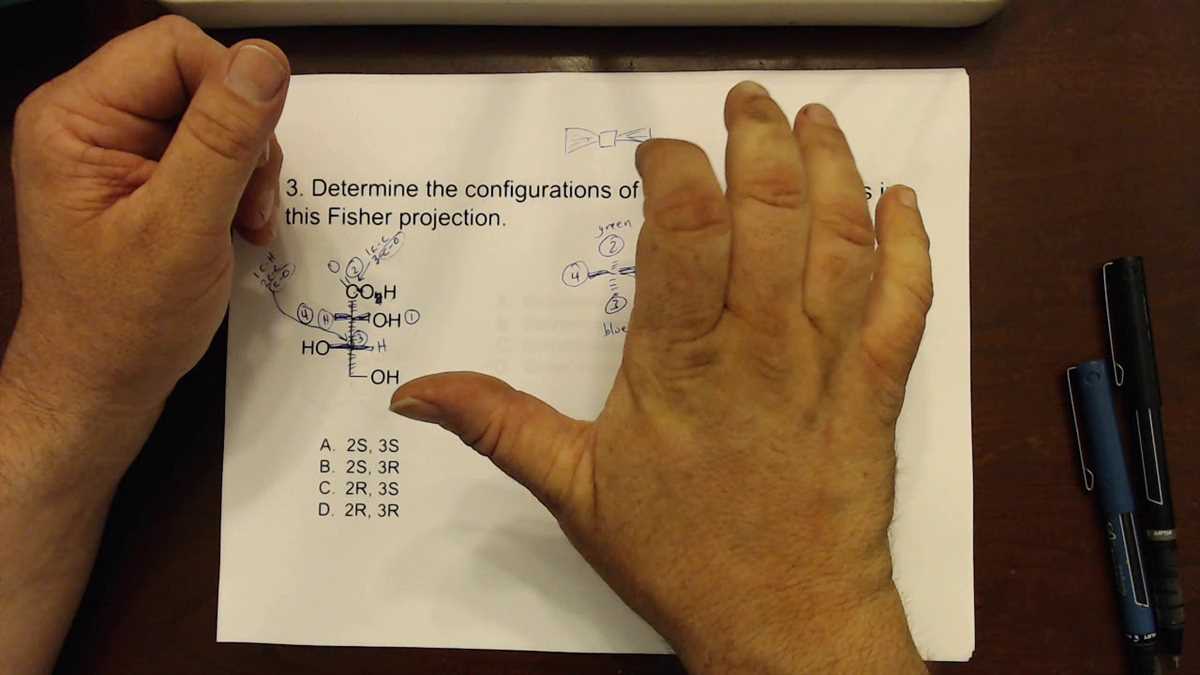
Organic chemistry is a branch of chemistry that focuses on the study of carbon compounds and their reactions. It plays a crucial role in our understanding of the molecular world and has numerous practical applications in fields such as medicine, pharmaceuticals, and materials science. In organic chemistry laboratories, students are often required to demonstrate their knowledge and skills through a final exam.
The organic chemistry 1 lab final exam is designed to test students’ understanding of various laboratory techniques, equipment, and procedures, as well as their ability to apply concepts learned throughout the course. The exam typically includes a combination of multiple-choice questions, problem-solving tasks, and laboratory experiments.
During the exam, students are presented with various scenarios and asked to design and conduct experiments to solve specific problems or achieve particular goals. They may be required to identify unknown compounds, determine reaction mechanisms, perform spectroscopic analysis, or synthesize organic molecules using different reactions and techniques.
Preparing for the organic chemistry 1 lab final exam requires a comprehensive understanding of the course material, regular practice in the laboratory, and familiarity with common laboratory equipment and techniques. It is essential for students to review lecture notes, textbook chapters, and laboratory manuals, as well as engage in hands-on experimental work to gain confidence and proficiency in the lab.
What to Expect on Your Organic Chemistry 1 Lab Final Exam
Preparing for your Organic Chemistry 1 Lab final exam can be a daunting task, but being aware of what to expect can help you better focus your studying efforts. The lab final exam is designed to assess your understanding of the key concepts and techniques learned throughout the semester and your ability to apply them in a practical setting.
1. Identification of Organic Compounds: One of the main components of the lab final exam is the identification of organic compounds. You will be given a series of unknown compounds and asked to perform various tests to determine their functional groups, solubility, and other properties. This section will test your ability to apply the knowledge gained in lab experiments.
2. Spectroscopy: Spectroscopy is another important aspect of organic chemistry lab. You can expect questions on interpreting infrared (IR) and nuclear magnetic resonance (NMR) spectra. You might have to analyze spectra and identify functional groups, deduce molecular structures, and predict chemical properties based on this data.
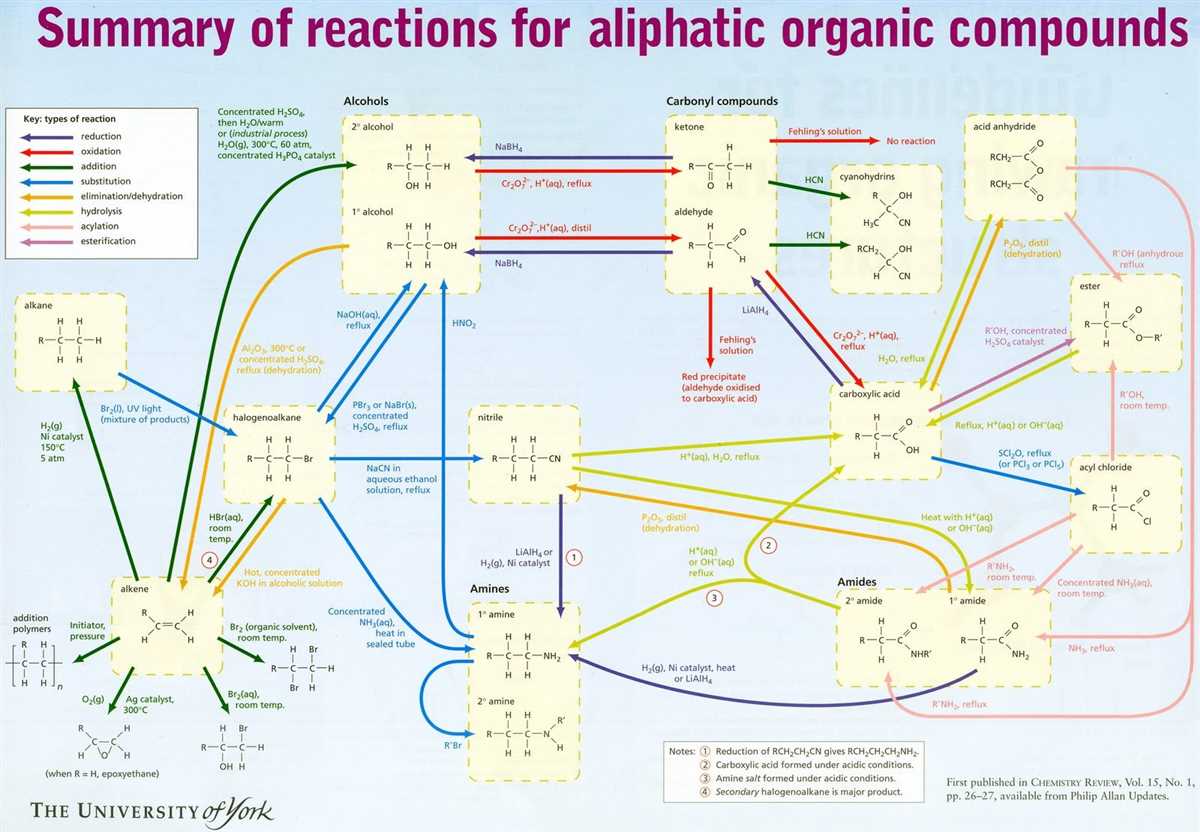
3. Reaction Mechanisms: Understanding reaction mechanisms is crucial in organic chemistry. The lab final exam will likely include questions on reaction mechanisms and asking you to propose a sequence of steps to transform one compound into another. Make sure to review the different types of reactions covered during the lab sessions.
4. Experimental Techniques: As the lab final exam aims to assess your practical skills, you can expect questions that involve experimental techniques. This might include questions on setting up and performing specific lab procedures, interpreting the results obtained from experiments, and troubleshooting common problems encountered in the lab.
Overall, the organic chemistry 1 lab final exam will test your ability to apply the knowledge and skills acquired throughout the semester. It is important to review the lab manual, lecture notes, and any relevant handouts to ensure you are well-prepared. Additionally, practicing with sample lab exams and discussing difficult concepts with fellow classmates can also help you gain confidence for the final exam.
Overview of the Organic Chemistry 1 Lab Final Exam
The Organic Chemistry 1 Lab Final Exam is a comprehensive assessment that evaluates students’ understanding and practical application of organic chemistry principles and laboratory techniques. This exam is designed to test students’ knowledge and skills acquired throughout the semester in the Organic Chemistry 1 lab.
The exam consists of both theoretical and practical components, requiring students to demonstrate their understanding of concepts and their ability to perform laboratory procedures. The theoretical component includes multiple-choice questions, short-answer questions, and problem-solving questions that assess students’ knowledge of organic chemistry theory, reaction mechanisms, and spectroscopy. The practical component involves performing experiments and analyzing data to answer specific questions.
During the exam, students may be asked to identify unknown compounds, propose reaction mechanisms, interpret spectroscopic data, and design and execute experiments. It is essential for students to be familiar with common laboratory techniques, such as distillation, extraction, chromatography, and synthesis, as they may be required to perform these techniques during the practical portion of the exam.
A strong understanding of organic chemistry concepts, as well as the ability to think critically and apply knowledge to real-world scenarios, is crucial for success in the Organic Chemistry 1 Lab Final Exam. Therefore, students are encouraged to review lecture notes, textbook material, and lab reports, as well as practice problem-solving and experimental design prior to the exam.
Overall, the Organic Chemistry 1 Lab Final Exam serves as a comprehensive evaluation of students’ understanding and proficiency in organic chemistry theory and practical laboratory skills. Success in this exam demonstrates students’ ability to apply their knowledge and skills to conduct and analyze experiments in the field of organic chemistry.
Key Concepts and Topics Covered
In the Organic Chemistry 1 lab final exam, students will be tested on various key concepts and topics covered throughout the course. These include:
- Functional Groups: Students will be required to identify and classify different functional groups commonly found in organic compounds. This includes alcohols, aldehydes, ketones, carboxylic acids, esters, and more.
- Reaction Mechanisms: Understanding reaction mechanisms is crucial in organic chemistry. Students will need to demonstrate their knowledge of different mechanisms, such as nucleophilic substitution, elimination, addition, and oxidation-reduction.
- Nomenclature: The ability to properly name organic compounds is essential. Students will be expected to correctly name and identify different compounds based on their structural formula or vice versa.
- Stereochemistry: Stereochemistry deals with the three-dimensional arrangement of atoms in a molecule. Students will need to understand concepts such as chirality, enantiomers, diastereomers, and meso compounds.
- Lab Techniques: Along with theoretical knowledge, students will also be tested on their practical skills in the lab. This may include techniques such as distillation, extraction, chromatography, and spectroscopy.
- Organic Synthesis: Students will need to demonstrate their understanding of organic synthesis by designing and proposing viable synthetic routes to obtain specific target compounds.
- Safety and Handling: Safety protocols and proper handling of chemicals are vital in the organic chemistry lab. Students may be asked questions about safety procedures and the appropriate use of safety equipment.
These key concepts and topics provide a comprehensive overview of the material covered in the Organic Chemistry 1 lab final exam. Students should ensure they have a solid understanding of these areas in order to succeed in the exam.
Common Lab Techniques and Procedures
In the field of organic chemistry, there are several common lab techniques and procedures that are frequently used. These techniques help chemists to isolate, purify, and analyze organic compounds.
Filtration:
Filtration is a technique used to separate solid impurities from a liquid or a solution. It involves passing the mixture through a filter paper or a porous material, which traps the solid particles while allowing the liquid to pass through. Filtration is often used to remove precipitates or solids from a reaction mixture.
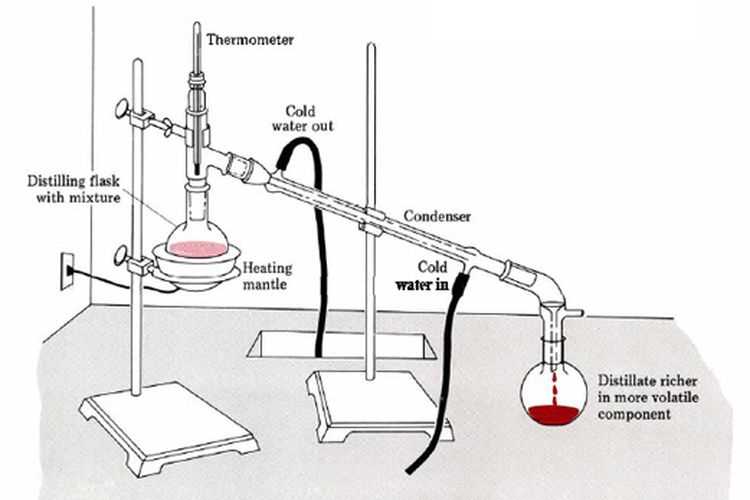
Distillation:
Distillation is a technique used to separate two or more liquids with different boiling points. The mixture is heated, and the vapor is collected and condensed back into liquid form. The collected liquid is enriched in the component with the lower boiling point, while the component with the higher boiling point remains behind. Distillation is commonly used for purifying liquids or separating volatile compounds.
Extraction:
Extraction is a technique used to separate compounds based on their solubility in different solvents. In this process, the mixture is treated with a solvent in which one or more of the components are highly soluble. The solvents used can be polar or nonpolar, depending on the nature of the compounds being extracted. The components dissolve in the solvent, and then the mixture is separated by removing the solvent. Extraction is often used to isolate organic compounds from a mixture.
Crystallization:
Crystallization is a technique used to purify solid compounds based on their solubility in a particular solvent. In this process, the compound is dissolved in a hot solvent, and as the solution cools, the compound forms crystals. The crystals are then separated from the solution using filtration or other techniques. Crystallization is commonly used to obtain pure compounds from impure mixtures.
- Sublimation: Sublimation is a technique used to separate solids that can undergo sublimation. Sublimation involves the direct conversion of a solid to a vapor without passing through the liquid phase. The vapor is then collected and condensed back into solid form. Sublimation is often used to purify volatile compounds.
- Titration: Titration is a technique used to determine the concentration of a substance in a solution by adding a known volume of a reagent of known concentration. The reagent reacts with the analyte, and the reaction is monitored to determine the endpoint. Titration is commonly used in quantitative analysis to determine the concentration of acids, bases, and other substances.
Tips for Studying and Preparing for the Exam

Preparing for an organic chemistry 1 lab final exam can be a challenging task, but with the right strategies, you can improve your chances of success. Here are some tips to help you study effectively and perform well on the exam:
- Review lecture notes: Start by reviewing your lecture notes from throughout the semester. Pay close attention to any important concepts or reactions that were emphasized by your professor.
- Practice problem-solving: Organic chemistry is a subject that requires a lot of practice. Set aside time to work through practice problems, both from your textbook and any additional resources provided by your professor. This will help you become familiar with the types of questions you may encounter on the exam and improve your problem-solving skills.
- Understand lab techniques: The lab portion of the course often covers various techniques and procedures. Make sure you have a solid understanding of these techniques and how to perform them correctly. Review any lab manuals or handouts provided by your instructor.
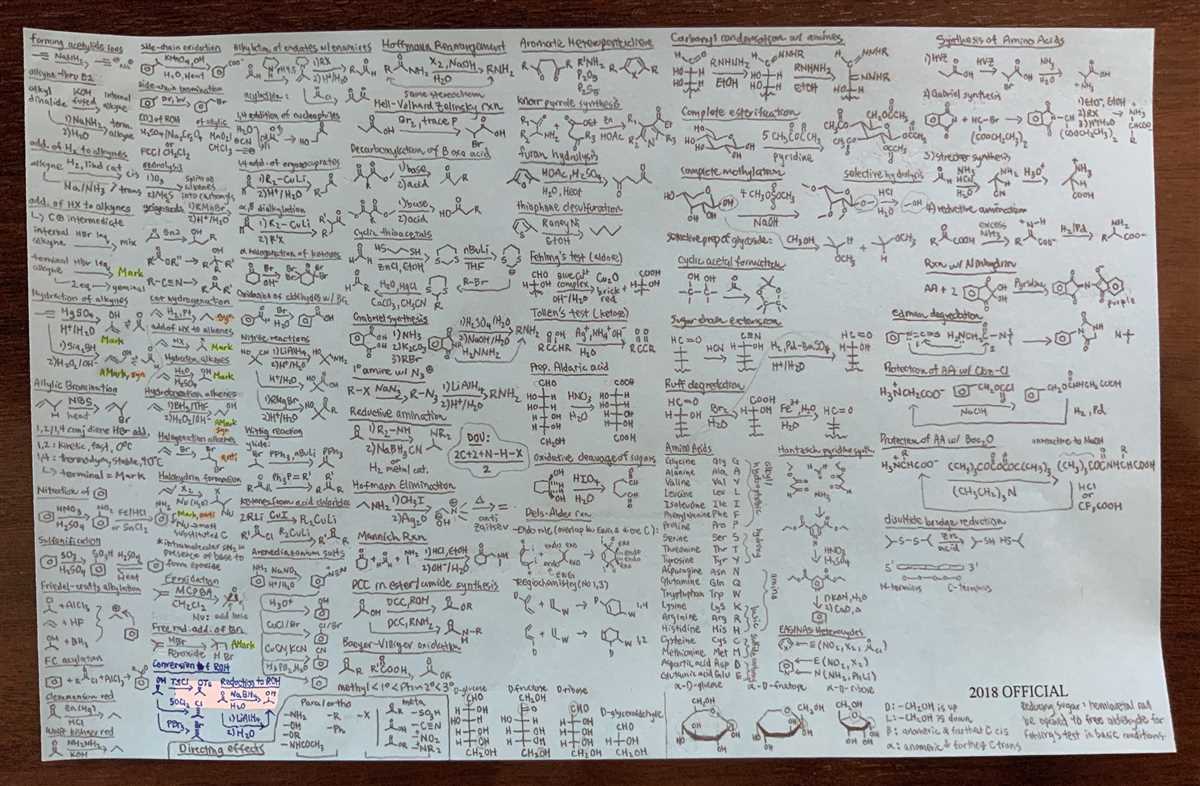
- Create study aids: Consider creating study aids such as flashcards or summary sheets to help you review key concepts, reactions, and mechanisms. These can be valuable tools to reinforce your understanding and help you memorize important information.
- Form study groups: Collaborating with classmates can be a great way to study and learn from each other. Organize study groups where you can discuss and explain concepts, quiz each other, and work through practice problems together.
- Ask for help: If you’re struggling with certain topics or concepts, don’t hesitate to reach out for help. Consult your professor or teaching assistant, attend office hours, or join tutoring sessions. It’s important to address any areas of confusion sooner rather than later.
- Manage your time: Start studying early and break your study sessions into manageable chunks. Set goals for what you want to accomplish during each study session and stick to a schedule to ensure you cover all the necessary material.
- Stay organized: Keep your study materials organized and easily accessible. Having a well-structured study plan and keeping track of your progress will help you stay focused and on track.
- Take care of yourself: Finally, don’t forget to take care of yourself during the exam preparation period. Get enough sleep, eat nutritious meals, and take breaks to relax and recharge. A healthy mind and body will help you perform at your best.
By following these tips and putting in consistent effort, you can improve your understanding of organic chemistry concepts and increase your chances of success on the final exam. Good luck!
Sample Questions and Practice Materials
In preparation for your organic chemistry 1 lab final exam, it is important to review and practice a variety of sample questions. These questions will help you to better understand the concepts covered in the course and to familiarize yourself with the type of questions that may be asked on the final exam.
Below, you will find a selection of sample questions and practice materials that will aid in your exam preparation:
1. Naming Organic Compounds:
- Practice naming various organic compounds, including alkanes, alkenes, alkynes, alcohols, and carbonyl compounds.
- Be sure to pay attention to the prefixes and suffixes used in organic compound nomenclature.
- Work through examples of both simple and complex organic compounds to reinforce your understanding of naming conventions.
2. Reaction Mechanisms:

- Familiarize yourself with the reaction mechanisms commonly encountered in organic chemistry, such as substitution, elimination, and addition reactions.
- Review the steps involved in each reaction mechanism and practice predicting the products of these reactions.
- Study the role of reagents and catalysts in different reaction mechanisms to gain a thorough understanding of their effects on the overall reaction.
3. Spectroscopy:
- Practice interpreting infrared (IR) spectra, nuclear magnetic resonance (NMR) spectra, and mass spectra of organic compounds.
- Learn to identify functional groups and structural features based on characteristic peaks and patterns in spectroscopic data.
- Work through examples of spectroscopic data analysis to improve your skills in interpreting complex spectra.
Additionally, it is recommended to review your class notes, textbook, and any other study materials provided by your instructor. By dedicating time to studying and practicing the above topics, you will enhance your understanding and performance on the organic chemistry 1 lab final exam.
Approaching the Practical Portion of the Organic Chemistry 1 Lab Final Exam
Preparing for the practical portion of the Organic Chemistry 1 lab final exam can be a daunting task, but with the right approach, you can tackle it with confidence. Here are some tips to help you succeed:
1. Review the lab manual and relevant lecture notes
Start by thoroughly reviewing the lab manual and any relevant lecture notes. Familiarize yourself with the procedures, techniques, and concepts covered in the labs you have completed throughout the semester. This will help you understand the purpose and theory behind each experiment, which can be crucial in the practical portion of the exam.
2. Practice performing lab techniques
The practical portion of the exam will likely require you to perform various lab techniques, such as distillation, extraction, and chromatography. Take the time to practice these techniques outside of the lab. Set up mock lab scenarios at home or in the study room, and try to perform each technique accurately and efficiently. Practicing will help build your confidence and improve your skills.
3. Understand the expected outcomes and observations
For each experiment, make sure you understand the expected outcomes and observations. This includes recognizing colors, precipitates, and any other noticeable changes. Pay close attention to the details and make note of them during your review. Understanding what to expect will help you make accurate observations during the exam.
4. Review safety precautions
Safety is crucial in any laboratory setting. Take the time to review the safety precautions for each experiment, including proper handling of chemicals, use of protective equipment, and disposal of waste. Knowing and following the safety guidelines will not only protect you but also demonstrate your understanding of good lab practices during the exam.
5. Stay organized and manage your time
Effective time management is key during the practical portion of the exam. Make a schedule to ensure you have enough time to complete each section and double-check your work. Keep your workspace organized and clean to avoid any accidental mix-ups or confusion. Staying organized and managing your time will help you stay calm and focused during the exam.
By following these tips and approaching the practical portion of the Organic Chemistry 1 lab final exam with a clear strategy, you can increase your chances of success. Remember to practice, review, and stay organized. Good luck!