10 Essential Study Tips for Anatomy and Physiology Exam 1
Anatomy and Physiology is a branch of biology that studies the structure and function of the human body. The exam 1 in Anatomy and Physiology covers the basic principles and concepts of this fascinating field. It tests the students’ knowledge and understanding of human anatomy, including the organization of the body, the different systems and their functions, and the relationship between structure and function.
The exam includes questions on topics such as cellular organization, tissues, and the integumentary system. Students are expected to demonstrate their understanding of the different types of cells in the body and their functions, as well as the characteristics of different tissues, such as epithelial, connective, muscle, and nervous tissues.
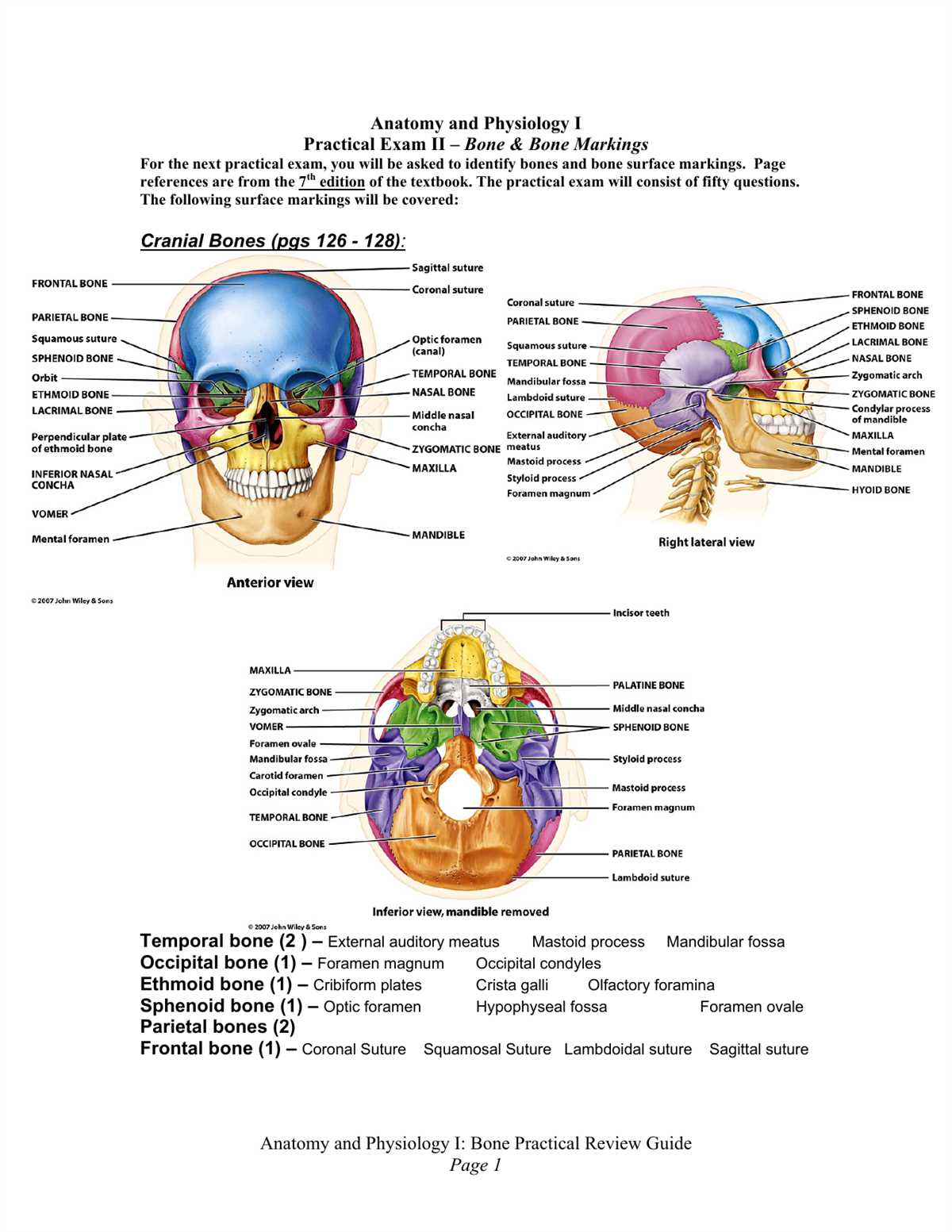
Furthermore, the exam also covers the skeletal and muscular systems, the respiratory and cardiovascular systems, and the nervous system. Students are required to know the major bones and muscles of the body, their functions, and how they work together. They must also be familiar with the structure and function of the heart and lungs, as well as the different parts of the nervous system and the role they play in transmitting information throughout the body.
Preparing for the exam requires a combination of studying lecture notes, textbooks, and engaging in hands-on activities, such as dissections and laboratory exercises. It is also important to review and practice with past exam questions to familiarize themselves with the format and the types of questions that may be asked. Overall, the Exam 1 in Anatomy and Physiology provides students with an opportunity to demonstrate their knowledge and understanding of the human body and its intricate workings.
Anatomy
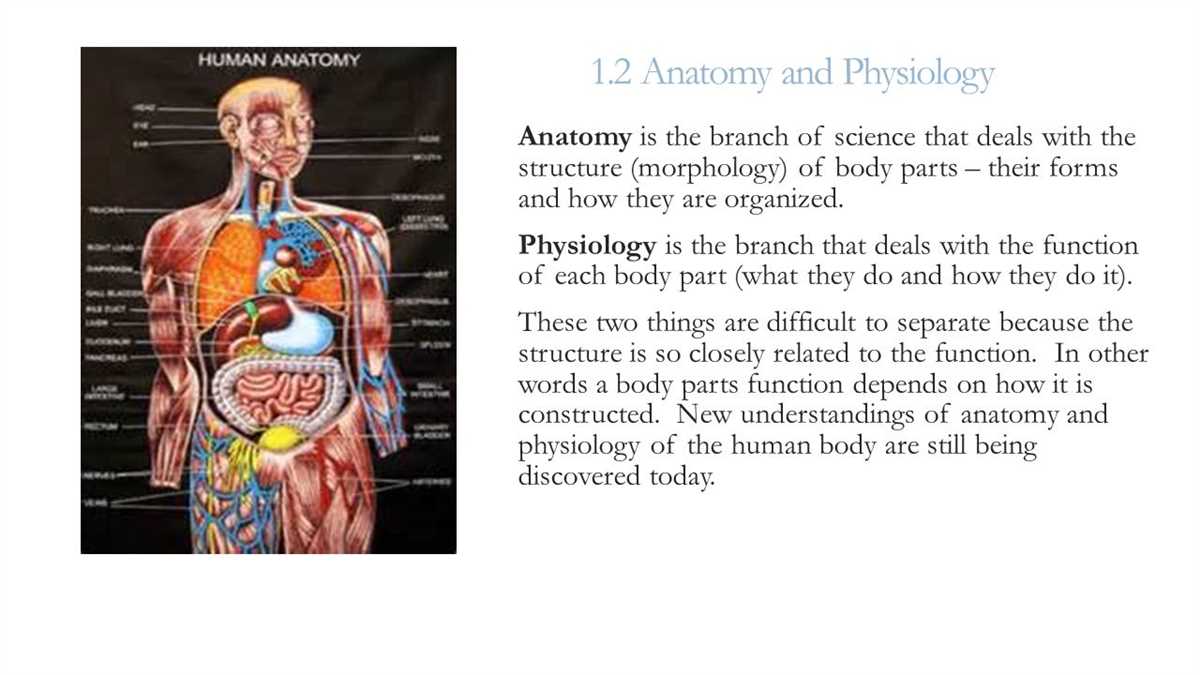
Anatomy is the study of the structure and organization of the body. It is a branch of biology that focuses on understanding the different parts and systems that make up an organism. By studying anatomy, scientists can gain valuable insights into how the body works and how it is connected.
There are several different levels of anatomy that can be studied. These include macroscopic anatomy, which examines the organs and tissues visible to the naked eye, and microscopic anatomy, which looks at the structure of cells and tissues using a microscope. In addition, there is also developmental anatomy, which focuses on how the body changes and grows over time, and comparative anatomy, which compares the anatomical structures of different organisms.
Branches of Anatomy
Within the field of anatomy, there are several specialized branches that focus on specific areas of the body. These include gross anatomy, which studies the structure of organs and tissues without the use of a microscope; histology, which examines the structure of tissues at a microscopic level; and neuroanatomy, which deals specifically with the structure of the nervous system.
Another important branch of anatomy is radiographic anatomy, which uses medical imaging techniques such as X-rays, CT scans, and MRI scans to visualize the internal structures of the body. This branch is particularly useful in diagnosing medical conditions and guiding surgical procedures.
In order to study anatomy, a strong understanding of scientific methods and terminology is necessary. Researchers in this field use a variety of tools and techniques, including dissection, imaging, and computer modeling, to analyze and record anatomical information. By doing so, they are able to uncover the intricacies of the human body and gain a greater understanding of its functions and processes.
Importance of Anatomy
The study of anatomy is crucial for a variety of reasons. It provides the foundation for several other fields of study, including physiology, pathology, and surgery. An understanding of anatomy is necessary for health professionals, such as doctors and nurses, to accurately diagnose and treat medical conditions. It is also important for researchers and scientists, as it allows them to develop new treatments and therapies based on a thorough understanding of the body’s structure and functions.
Overall, anatomy is a fundamental discipline that plays a vital role in our understanding of the human body. Through careful study and analysis, scientists continue to make significant discoveries that contribute to the advancement of medicine and healthcare. The field of anatomy is constantly evolving, as new technologies and techniques allow for more detailed examination and understanding of the body’s complex structures.
Physiology
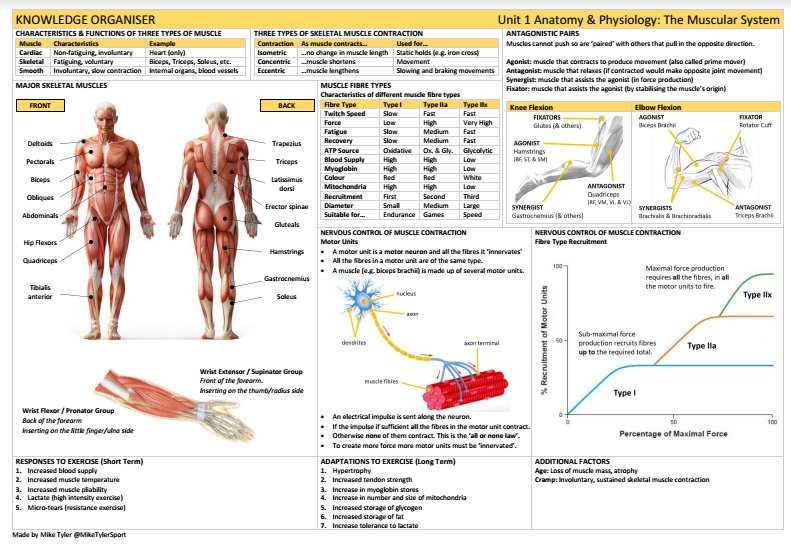
Physiology is the branch of biology that deals with the normal functions of living organisms and their parts. It is concerned with how the body works and how its various systems and organs function to maintain homeostasis, or a stable internal environment. Physiology explores the mechanisms and processes that occur at the cellular, tissue, organ, and system levels.
Key phrases: living organisms, normal functions, body works, systems and organs, homeostasis, mechanisms and processes.
Areas of Physiology
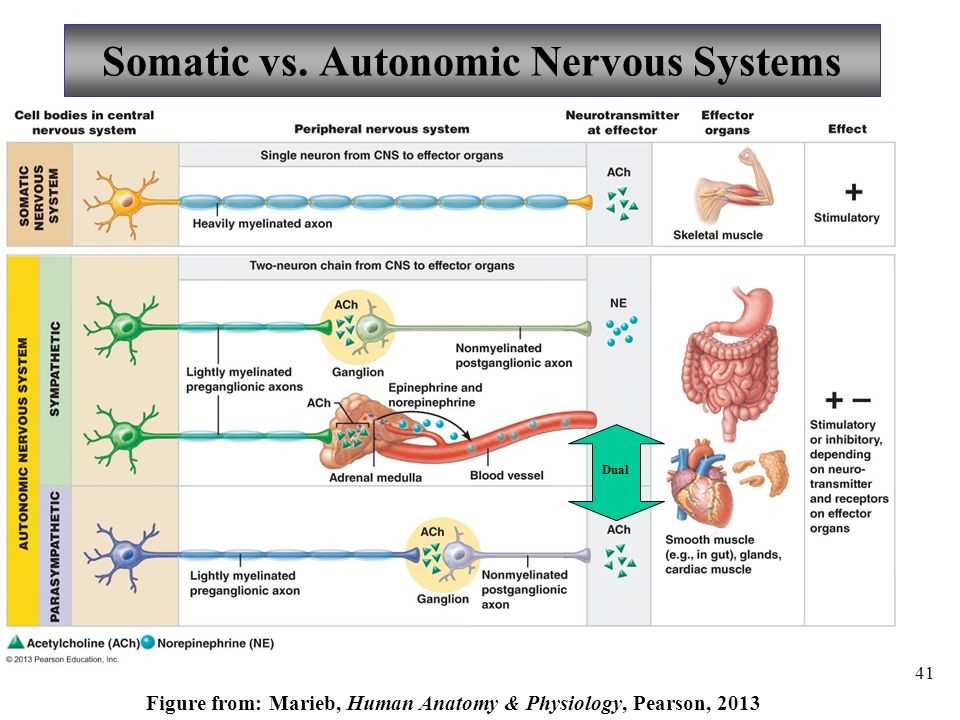
There are several areas of physiology that focus on different aspects of the body’s functions. These include:
- Neurophysiology: the study of the nervous system and its function. This includes understanding how nerve cells communicate with each other and how the brain and spinal cord control bodily functions.
- Cardiovascular physiology: the study of the heart and blood vessels. It involves examining how the heart pumps blood, how blood vessels regulate blood flow, and how the cardiovascular system maintains blood pressure.
- Respiratory physiology: the study of the lungs and breathing. It focuses on the mechanisms of oxygen and carbon dioxide exchange, as well as the regulation of breathing rate and depth.
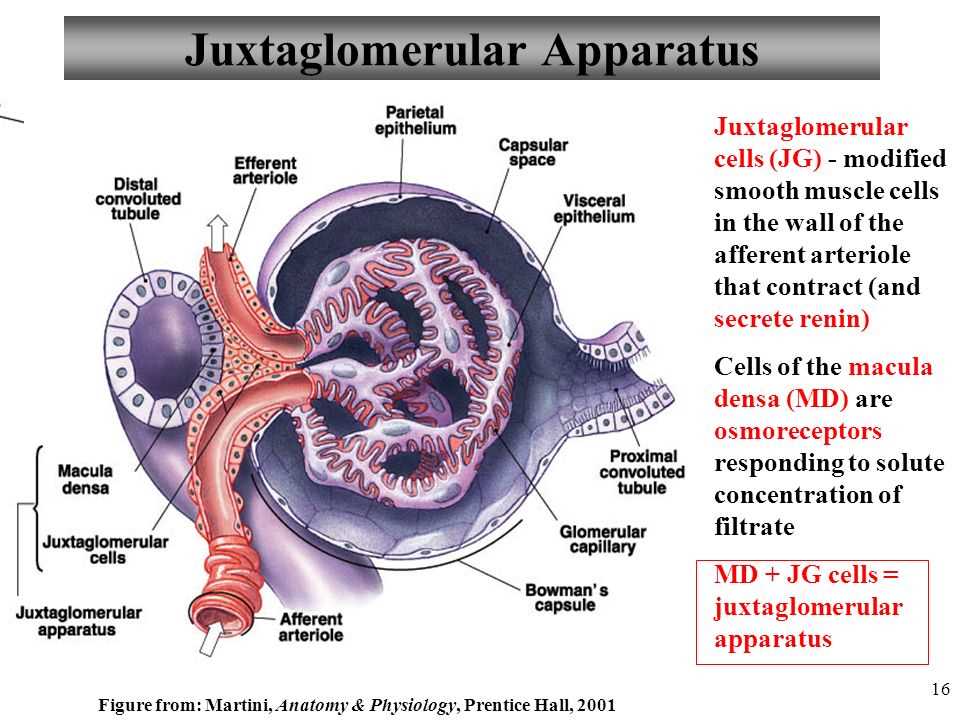
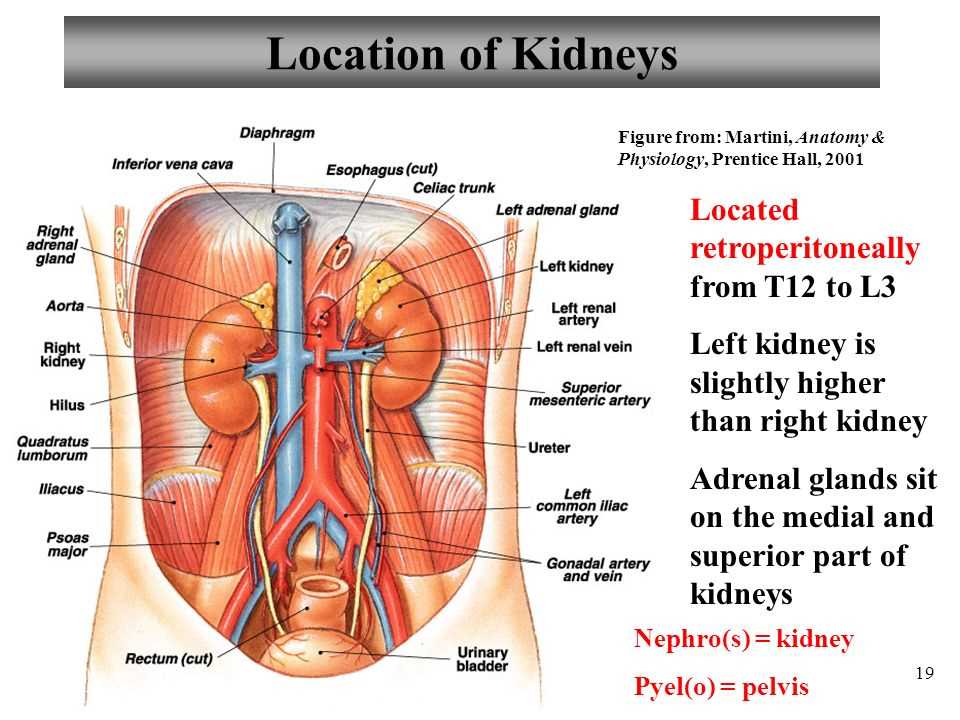
- Renal physiology: the study of the kidneys and urinary system. It explores how the kidneys filter blood, regulate fluid and electrolyte balance, and excrete waste products.
- Endocrine physiology: the study of the endocrine glands and their hormones. It investigates how hormones are produced, released, and regulated, and how they influence various bodily functions and processes.
These are just a few examples of the many sub-disciplines within physiology that contribute to our understanding of how the human body functions. By studying these different areas, researchers and healthcare professionals can gain insights into disease processes, develop more effective treatments, and improve overall health and well-being.
Cell structure and function is a fundamental topic in anatomy and physiology. Cells are the building blocks of all living organisms and carry out various important functions. The structure of a cell can be divided into two main parts: the nucleus and the cytoplasm.
The nucleus is the control center of the cell and contains the genetic material, or DNA. It is surrounded by a double membrane called the nuclear envelope, which regulates the transport of molecules in and out of the nucleus. Within the nucleus, there are structures called nucleoli, which are involved in the production of ribosomes.
The cytoplasm, on the other hand, is the region of the cell outside the nucleus. It contains various organelles, which are specialized structures that perform specific functions. Some of the important organelles include the endoplasmic reticulum, which is involved in protein synthesis and lipid metabolism, and the Golgi apparatus, which modifies, sorts, and packages proteins for transport.
Another important organelle is the mitochondria, which is often referred to as the powerhouse of the cell. It is responsible for producing energy in the form of ATP through a process called cellular respiration. Additionally, cells also have a network of cytoskeleton made up of microtubules and microfilaments, which provide structural support and help in cell movement.
In conclusion, understanding the structure and function of cells is crucial in gaining a deeper knowledge of anatomy and physiology. Cells are complex and intricate structures that are capable of performing various functions necessary for the survival and functioning of living organisms.
Tissues and Organs
Tissues are groups of cells that perform a similar function and are organized together to form organs. There are four main types of tissues in the human body: epithelial, connective, muscle, and nervous tissue. Each tissue type has its own unique structure and function, which allows for the complex processes that occur in the body.
Epithelial tissue is the covering or lining tissue of the body. It forms the outer layer of the skin and lines the cavities and surfaces of organs and blood vessels. Epithelial tissue is composed of closely packed cells that are tightly bound together. This tissue provides protection, absorption, secretion, and sensation.
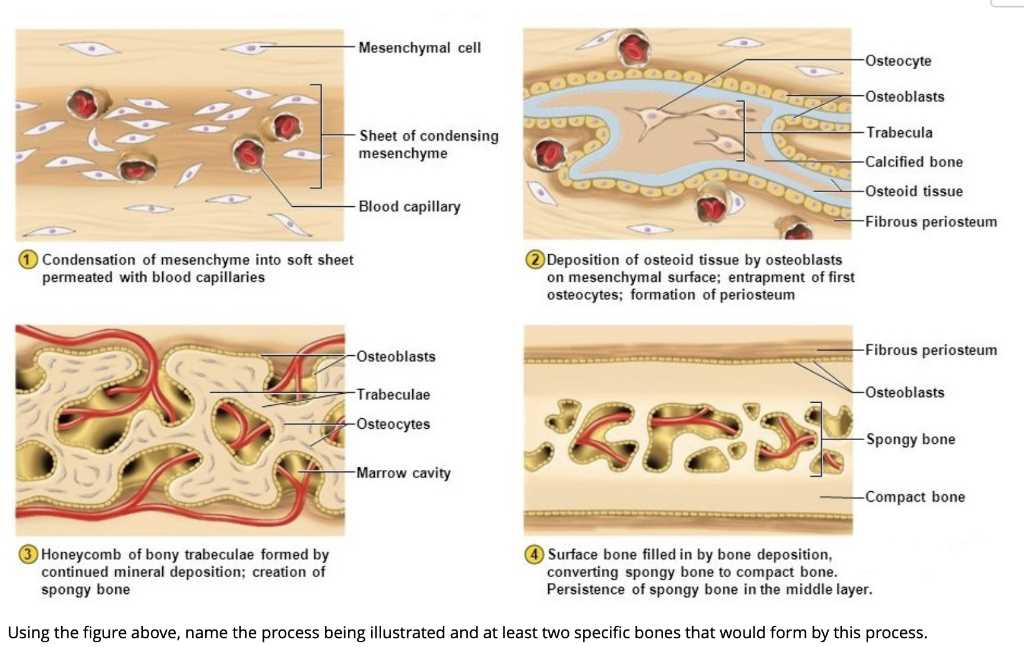
Connective tissue is the most abundant tissue in the body. It is responsible for supporting and connecting other tissues and organs. Connective tissue has a wide range of functions, including providing structural support, transporting nutrients and waste products, and defending against infection. Examples of connective tissue include bone, cartilage, blood, and adipose tissue.
Muscle tissue is responsible for movement in the body. There are three types of muscle tissue: skeletal, cardiac, and smooth. Skeletal muscle is attached to bones and allows for voluntary movement. Cardiac muscle is found in the heart and pumps blood to the rest of the body. Smooth muscle is found in the walls of organs and blood vessels and helps with involuntary movements, such as digestion.
Nervous tissue is specialized for communication and coordination in the body. It is made up of cells called neurons, which transmit electrical signals. Nervous tissue is found in the brain, spinal cord, and nerves, and it allows for the processing and integration of information, as well as the coordination of body functions.
In summary, tissues are groups of cells that work together to perform a specific function, while organs are structures that are made up of multiple tissues and work together to perform complex tasks. Understanding the different types of tissues and their functions is crucial for understanding how the human body functions as a whole.
The Integumentary System
The integumentary system is an essential part of the human body, playing a crucial role in protection, sensation, and thermoregulation. Consisting of the skin, hair, nails, and various glands, it serves as a barrier against external threats such as pathogens, chemicals, and physical damage.
The skin, being the largest organ of the body, acts as a protective barrier while also providing sensations such as touch, temperature, and pain. It is made up of three layers: the epidermis, dermis, and hypodermis. The epidermis, the outermost layer, contains dead skin cells that continually shed, helping to protect against invasion and maintaining an optimal environment for the growth of beneficial bacteria. Beneath the epidermis lies the dermis, which houses nerves, blood vessels, sweat glands, and hair follicles. The hypodermis, the deepest layer, is mainly composed of fat, serving to insulate and cushion the body.
Hair and nails, which are derived from the skin, provide additional protection to certain areas of the body. Hair, found all over the body, helps to regulate temperature and acts as a sensory receptor. Nails, found on the fingers and toes, serve to protect the tips of the digits and assist in gripping objects.
The integumentary system also includes various glands, such as sweat glands and sebaceous glands. Sweat glands help to regulate body temperature by producing sweat, which evaporates and cools the body. Sebaceous glands secrete sebum, an oily substance that moisturizes and conditions the skin and hair.
In conclusion, the integumentary system is vital for the overall function and protection of the human body. Its complex structure and components work together to create a barrier against harm while maintaining optimal conditions for the body to thrive.