Notary Public Exam Questions and Answers: Ace Your Test with These Expert Tips
If you are considering taking the notary public exam, you may be wondering what types of questions will be on the test. The notary public exam is designed to assess your knowledge and understanding of the laws and regulations governing the notarial profession. By familiarizing yourself with the common exam questions and their corresponding answers, you can better prepare yourself for success.
One common question on the notary public exam is: “What is the role of a notary public?” A notary public is a public officer appointed by the state government to serve as a neutral witness and official representative. Their primary role is to authenticate the signing of important documents by verifying the identity of the signers, ensuring their willingness to sign, and keeping a record of the transaction.
Another frequently asked question on the notary public exam is: “What are the requirements for notarizing a document?” In order to notarize a document, the notary public must ensure that the document is complete, properly executed, and signed in their presence. They must also verify the identity of the signer through acceptable identification documents such as a driver’s license or passport. Additionally, the notary public must record the details of the notarization in their notary journal.
By studying and understanding the answers to these common notary public exam questions, you will be better prepared to successfully pass the exam and become a knowledgeable and skilled notary public.
What to Expect on the Notary Public Exam: Frequently Asked Questions
Preparing for the notary public exam can be a daunting task, especially if you’re unsure of what to expect. To help ease your concerns, we’ve compiled a list of frequently asked questions to give you a better understanding of the exam process.
1. What topics are covered on the notary public exam?
- The notary public exam typically covers a range of topics including notarial laws and regulations, ethical responsibilities of a notary, proper notarization procedures, and legal implications of notary actions.
- You may also be tested on your knowledge of various types of documents that require notarization, such as affidavits, contracts, and deeds.
2. How long is the notary public exam?
The length of the exam can vary depending on the jurisdiction and the test provider. In general, the exam can range from 1 to 3 hours. It is important to check with your specific state or local government for more accurate information regarding the duration of the exam.
3. What format is the notary public exam?
The format of the exam can also vary. Some jurisdictions administer the exam in a multiple-choice format, while others may include fill-in-the-blank questions or require written responses.
4. How can I prepare for the notary public exam?
- Studying the relevant laws and regulations governing notary public duties is crucial for exam preparation.
- Practice exams and study guides are also valuable resources for familiarizing yourself with the types of questions that may be asked during the exam.
- In addition, seeking out professional training courses or attending workshops can provide you with comprehensive knowledge and practical skills necessary for success on the exam.
5. What happens if I fail the notary public exam?
If you do not pass the exam on your first attempt, you may be allowed to retake the exam after a certain waiting period. The length of this waiting period may vary depending on your jurisdiction.
6. What happens after I pass the notary public exam?
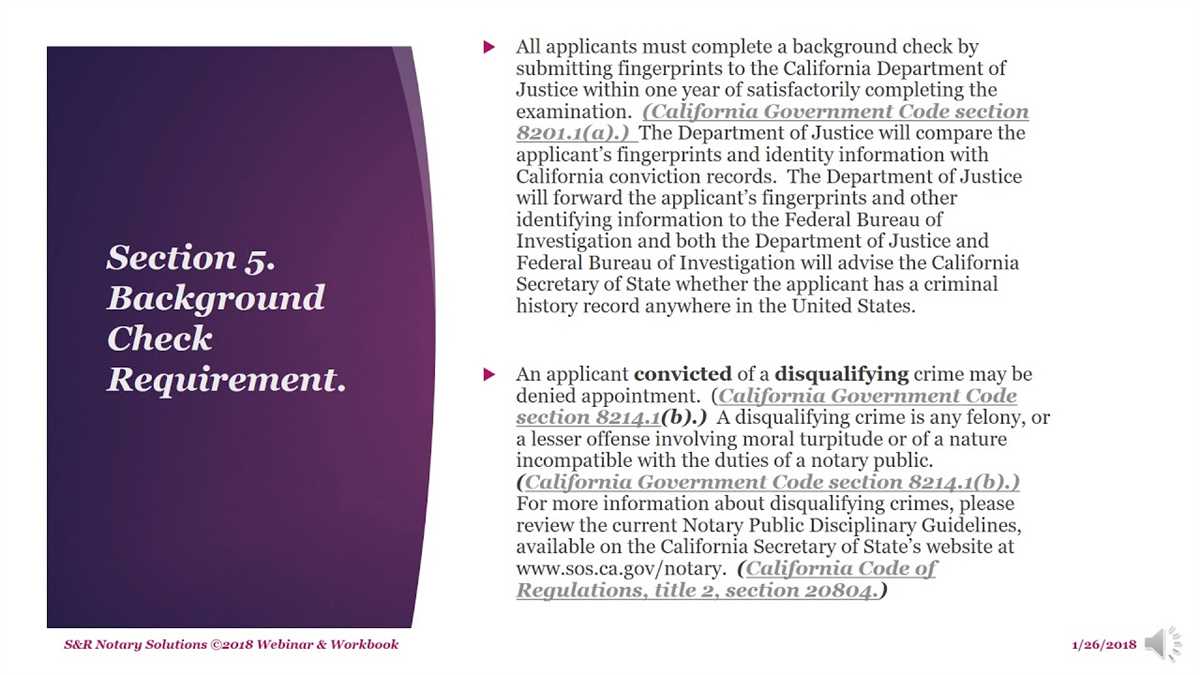
After passing the exam, you will typically be required to complete additional steps to become a commissioned notary public. This may include submitting an application, undergoing a background check, and paying any necessary fees. Once these steps are completed, you will be officially recognized as a notary public.
Understanding the Notary Public Exam
Obtaining a notary public certification requires passing a comprehensive exam that tests your knowledge and understanding of relevant laws and procedures. This exam is designed to ensure that individuals serving as notary publics have a strong grasp of their responsibilities and can perform their duties accurately and ethically.
The notary public exam typically consists of multiple-choice questions that cover various topics, including notary laws, document types, signature verification, and witnessing requirements. It is essential to study and prepare thoroughly to increase your chances of success on the exam.
What to Expect in the Exam:
The exam questions often focus on areas such as understanding the specific requirements for notarizing different types of documents, recognizing potential fraudulent activities, and properly completing notarial certificates. Additionally, the exam may also include questions related to identification verification procedures, recordkeeping obligations, and the ethical responsibilities of a notary public.
Studying the relevant laws and regulations, as well as practicing sample questions, can be immensely helpful in preparing for the exam. It is crucial to familiarize yourself with the specific requirements of your state or jurisdiction, as notary laws may differ from one location to another.
Preparing for Success:

To prepare for the notary public exam, consider using study guides and review materials that cover the key topics tested in the exam. These resources can provide a comprehensive overview of notary laws and procedures and help identify areas where additional studying or practice may be necessary.
Additionally, taking practice exams can help you become more familiar with the question format and provide an opportunity to assess your level of preparedness. Reviewing any incorrect answers and understanding the rationale behind the correct answers can further enhance your knowledge and confidence.
Overall, understanding the notary public exam’s content and requirements, along with effective preparation and studying, will increase your chances of success and ensure you are well-prepared to fulfill your role as a notary public responsibly and competently.
Study Materials and Resources for the Notary Public Exam
Preparing for the notary public exam requires a comprehensive understanding of the applicable laws and regulations. To effectively study for the exam, aspiring notaries should utilize various study materials and resources that provide comprehensive coverage of the subject matter.
1. Notary Public Handbook: The Notary Public Handbook is a valuable resource that offers in-depth information about the laws and procedures relevant to notaries public. It covers topics such as notary responsibilities, witnessing signatures, administering oaths, and more. The handbook is often provided by the state or county government and can be obtained online or in print.
2. Online Courses: Online courses specifically designed for the notary public exam are excellent study resources. These courses provide interactive lessons, quizzes, and practice exams that help aspiring notaries familiarize themselves with the exam format and content. Additionally, online courses often provide study guides and supplemental materials for further reference.
3. Practice Exams: Taking practice exams is an important part of exam preparation. Practice exams simulate the actual exam and allow candidates to assess their knowledge and identify areas that require further study. Many educational websites and notary associations offer practice exams to help candidates become familiar with the exam format and evaluate their strengths and weaknesses.
4. Study Guides and Flashcards: Study guides and flashcards are valuable tools for reviewing key concepts and terms. They condense important information into easily digestible formats, making it easier for candidates to memorize essential facts. Study guides and flashcards can be purchased online or created by the candidates themselves using their own notes and study materials.
5. Notary Associations and Forums: Notary associations and online forums provide a platform for aspiring notaries to connect with experienced professionals and seek guidance. These communities often share study tips, answer questions, and provide insights into the exam. Joining these associations and forums can provide valuable resources and support during the study process.
6. Official State Websites: Official state websites often provide information about the notary public exam, including study materials, exam content outlines, and sample questions. These resources are directly aligned with the requirements and expectations set by the state, making them highly relevant and reliable study materials.
To maximize success in the notary public exam, aspiring notaries should utilize a combination of these study materials and resources. By thoroughly understanding the laws and procedures and practicing with sample questions, candidates can boost their confidence and ensure they are well-prepared for success.
Tips and Strategies for Passing the Notary Public Exam
Passing the Notary Public Exam requires careful preparation and a solid understanding of the subject matter. Here are some tips and strategies to help you succeed:
1. Study the official notary handbook:
Start by thoroughly reading the official notary handbook provided by your state. This handbook will cover all the essential topics that will be tested in the exam. Pay close attention to the laws, regulations, and ethical guidelines that govern the notary public profession.
2. Take practice exams:
Practice makes perfect. Find sample questions and practice exams online or in study guides. By answering these questions, you can familiarize yourself with the format and types of questions that may appear on the actual exam. This will also help you identify areas where you need to focus your studies.
3. Join a study group:
Consider joining a study group with other aspiring notaries. This will give you the opportunity to discuss and clarify any confusing topics with your peers. Collaborating with others can help reinforce your knowledge and provide different perspectives on the subject matter.
4. Seek additional resources:
Don’t rely solely on the official handbook. Look for additional resources such as online courses, textbooks, or workshops that offer comprehensive coverage of the exam topics. These resources can provide additional insights and explanations that may enhance your understanding and retention of the material.
5. Time management:
Develop a study schedule that allows you to allocate sufficient time to each topic. Prioritize your studies based on your strengths and weaknesses. Be sure to allocate enough time for review and practice exams. Managing your time effectively will help ensure that you cover all the necessary material and feel confident on exam day.
6. Don’t cram:
Avoid the temptation to cram all the information in one sitting. Instead, spread out your study sessions over a longer period of time. This will give your brain time to process and retain the information more effectively. Regular, consistent studying will yield better results than last-minute cramming.
Remember, passing the Notary Public Exam requires thorough preparation and a solid understanding of the subject matter. By following these tips and strategies, you can increase your chances of success and confidently enter the profession of a notary public.
Common Types of Questions on the Notary Public Exam
In order to become a notary public, individuals must pass a comprehensive exam that covers various aspects of notarization. This exam typically consists of multiple-choice questions designed to test the candidate’s knowledge of notarial laws, procedures, and ethical standards. Here are some common types of questions you may encounter on the notary public exam:
1. Legal Terminology and Definitions
These types of questions assess your understanding of key legal terms related to notarization. For example, you may be asked to define terms such as “affiant,” “jurat,” or “acknowledgment.” It’s important to study and memorize these definitions to ensure you can accurately answer these questions.
2. Notarial Procedures
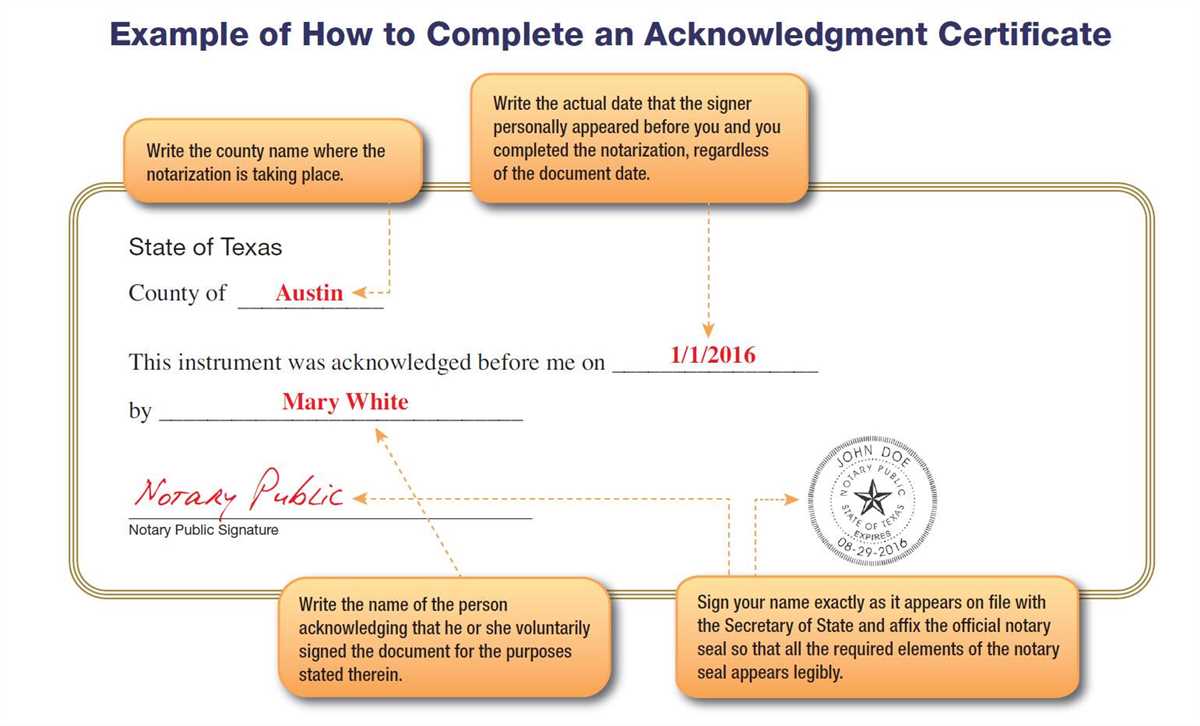
These questions test your knowledge of the proper procedures for performing notarial acts. You may be asked about the steps involved in administering an oath or affirmation, verifying the identity of a signer, or completing an acknowledgement certificate. Familiarize yourself with the specific requirements in your jurisdiction to ensure you can answer these questions correctly.
3. Ethical Standards and Responsibilities
As a notary public, you are entrusted with important legal responsibilities. These questions assess your understanding of the ethical standards and responsibilities associated with the role. You may be asked about situations involving conflicts of interest, unauthorized practice of law, or maintaining the confidentiality of notarial records.
4. Recordkeeping and Documentation
Notaries are required to maintain accurate records of their notarial acts. These questions focus on your knowledge of proper recordkeeping and documentation practices. You may be asked about the information that should be included in a notary journal, the retention periods for notarial records, or the use of electronic notary systems.
By familiarizing yourself with these common types of questions and thoroughly studying the relevant laws and procedures, you can better prepare yourself for success on the notary public exam. Remember to check the specific requirements in your jurisdiction, as the exam content may vary. Good luck!
Practice Questions and Answers for the Notary Public Exam
Preparing for the notary public exam can be a daunting task, but with the right study materials and practice questions, you can increase your chances of success. Below are some sample questions and their corresponding answers to help you familiarize yourself with the exam format and content.
1. What is the role of a notary public?

A notary public is a public official who acts as an impartial witness in the signing of important documents. Their primary role is to verify the authenticity of signatures, administer oaths, and ensure the proper execution of legal documents.
2. What is an acknowledgement?
An acknowledgement is a notarial act where the notary public certifies that the person signing a document personally appeared before them, acknowledged their signature, and affirmed that the document was executed voluntarily and for its stated purpose.
3. Can a notary public refuse to notarize a document?
Yes, a notary public has the authority to refuse to notarize a document if they have reason to believe that it is fraudulent, incomplete, or if the signer does not provide sufficient identification. They must always act in accordance with the law and their ethical obligations.
4. What is the purpose of a jurat?
A jurat is a notarial act where the notary public administers an oath or affirmation to the signer of a document. The signer swears or affirms that the contents of the document are true and correct to the best of their knowledge and belief.
5. Are notary public fees regulated?
Yes, notary public fees are regulated by state laws. Each state has its own fee schedule that outlines the maximum fees that a notary public can charge for notarial acts. These fees ensure that notaries are not overcharging for their services and provide consistency across the profession.
- Remember to study these questions and answers in more detail to fully prepare for the notary public exam.
- Practice answering similar questions and review the relevant laws and rules governing notary publics in your state.
- Consider enrolling in a notary public training course to further enhance your knowledge and skills.
- Utilize online resources and practice exams to simulate the exam environment and assess your readiness.
Final Thoughts and Additional Resources for the Notary Public Exam

Preparing for the notary public exam can be a challenging and overwhelming task, but with the right resources and dedication, you can pass it successfully. Throughout this article, we have covered some of the most common questions and answers that you may encounter in the exam.
Remember that the exam may vary depending on your jurisdiction, so it is crucial to consult your state’s notary public authority for specific information and requirements. Additionally, it is essential to stay updated with any changes or updates in the laws and regulations related to notary public practices in your state.
Additional Study Resources
If you are looking for additional study resources, here are some recommendations:
- Official Notary Public Handbook: Check if your state’s notary public authority provides an official handbook that outlines the laws, regulations, and procedures for notaries.
- Online Courses: Numerous online platforms offer comprehensive courses specifically designed to prepare individuals for the notary public exam. These courses often include practice exams and study materials.
- Study Guides: Look for study guides or manuals that provide detailed explanations of notary public concepts, procedures, and legal terminology.
- Practice Exams: Practice exams are invaluable for familiarizing yourself with the format and types of questions you may encounter in the actual exam. Look for practice exams online or in study guides.
- Notary Public Associations: Joining a notary public association can provide you with access to educational materials, forums, and networking opportunities with fellow notaries. These associations often offer resources and support specific to your state.
Taking the notary public exam is a significant step towards becoming a responsible and reliable notary public. With thorough preparation and knowledge of the laws and procedures, you will be well-equipped to serve your community as a trusted notary public.